In complex clinical environments, monitoring information does not always present a single, immediately consistent picture. Findings across modalities, channels, time points, or observed conditions may appear discordant. In those moments, the most useful response is not necessarily to search at once for one definitive explanation.
Discordance can be a prompt to return to the clinical question: what is the monitoring intended to clarify, and what context is needed to interpret the information responsibly?
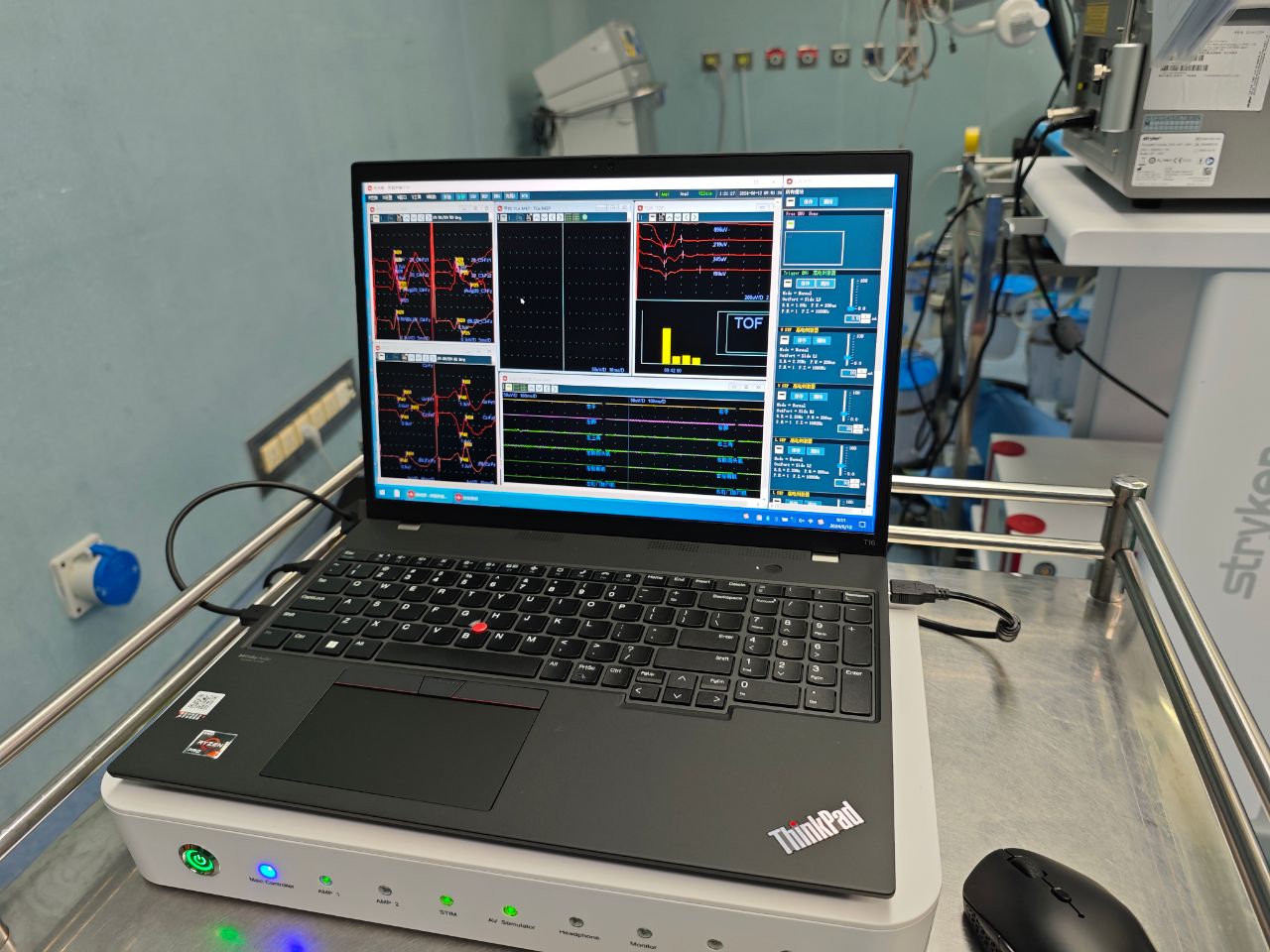
Monitoring outputs are not isolated facts. Their meaning is considered alongside the original monitoring objective, technical setup, physiological conditions, procedural events, and the wider clinical picture. A difference between findings does not, by itself, establish a cause or direct a single conclusion.
A disciplined review may begin with questions such as:
These questions do not reduce complexity to a checklist. They create a structured way to examine it.
For experienced teams, multimodal monitoring is not simply the presence of more data. Its value lies in the ability to compare information thoughtfully, recognise where findings may not align, and consider what those differences may mean within the circumstances of the case.
This approach requires both technical discipline and collaborative communication. It means avoiding the assumption that every difference has a simple explanation. It also means ensuring that relevant observations, uncertainties, and contextual factors are communicated in a timely and intelligible way so that the team can assess the information together.
Rather than treating discordance as an automatic answer, teams can treat it as an invitation to examine conditions, context, and the clinical question being explored more carefully.

When signals disagree, certainty may not be the first objective. A better first step is often to ask whether the available information has been understood in sufficient context.
That habit of inquiry supports a more measured interpretation of monitoring information and reinforces the value of multimodal thinking: not assuming that every difference leads to one conclusion, but knowing how to ask better questions before reaching one.
How does your team approach discordant monitoring information?
Copyright © NCC Medical Co., Ltd. - Privacy policy
 EN
EN