
All Categories
insights  news-0

Insights & News

Home >  Insights & News

Learning Plan

Study:
Detailed reading of Chapters 1-3 from "Intraoperative Neurophysiological Monitoring" (basic theory);
Supplement with neuroanatomy video courses (recommended from Bilibili medical open courses);
Organize a comparison table of IONM technology classifications and indications.
Deliverables:
Submit a PPT on "IONM Technology Principles and Clinical Application Scenarios" (including anatomical diagrams);
Preliminary report to the supervisor on "SSEP/MEP monitoring points in spinal surgery".

Week 1-2: Solidify Basic Theory

Study:
Dissect equipment operation manuals and summarize parameter setting rules;
Study the section on pseudo-error identification from "Perioperative Neurophysiological Monitoring";
Simulate data: Analyze sample signals using software (e.g., Natus Neuroworks).
Deliverables:
Submit the "Intraoperative Monitoring Equipment Operation Guide" (including parameter setting flowchart);
Simulated report on "Common Sources of Interference in Intraoperative Monitoring and Solutions".

Week 3-4: Equipment and Signal Analysis

Study:
Detailed reading of the surgical case sections from "Perioperative Neurophysiological Monitoring";
Watch surgical videos (e.g., Neurosurgery Online platform) and record monitoring nodes;
Write 1 simulated postoperative report (using book appendix templates).
Deliverables:
Submit "Full Process Analysis Report of IONM in Spinal Deformity Surgery";
Role-playing exercise: Simulate reporting monitoring results to a surgeon.

Week 5-6: Clinical Scenarios and Case Analysis

Study:
Understand the American Society of Neurophysiological Monitoring (ASNM) technician certification guidelines;
Familiarize with simulated exam questions using translation software (from ASNM website or professional forum resources);
Summarize medical-engineering communication techniques (e.g., communication points on "effects of anesthesia drugs on MEP").
Deliverables:
Submit the "IONM Technician Core Competency Self-Assessment";
Apply for observational approval for real surgeries (subject to hospital compliance) and submit an observation summary.

Week 7-8: Comprehensive Practice and Certification Preparation

Learning Outcome Presentation Rhythm and Methods

Report Frequency:

Every two weeks, 30-minute sessions.

Formats:

Written Reports: Technical documentation, case analysis, operation guides;

PPT Presentations: Focus on logical structure and visualization (charts, surgical image screenshots);

Scenario Simulations: Invite colleagues to simulate medical-engineering communication scenarios, record videos for feedback.

Supervisor Focus:

Depth of technical understanding (Can you answer "Why choose SSEP over EEG"?);

Practical application ability (Can you independently design a monitoring plan?);

Compliance awareness (Are you familiar with medical risk prevention points?).

Resource Recommendations

Platforms:

Neurosurgery Online (Surgical videos), ASNM official website (latest guidelines);

CNKI/PubMed (search for "IONM" and "intraoperative monitoring warnings").

Communities:

Join the "China Neurophysiological Monitoring Technology Alliance" WeChat group;

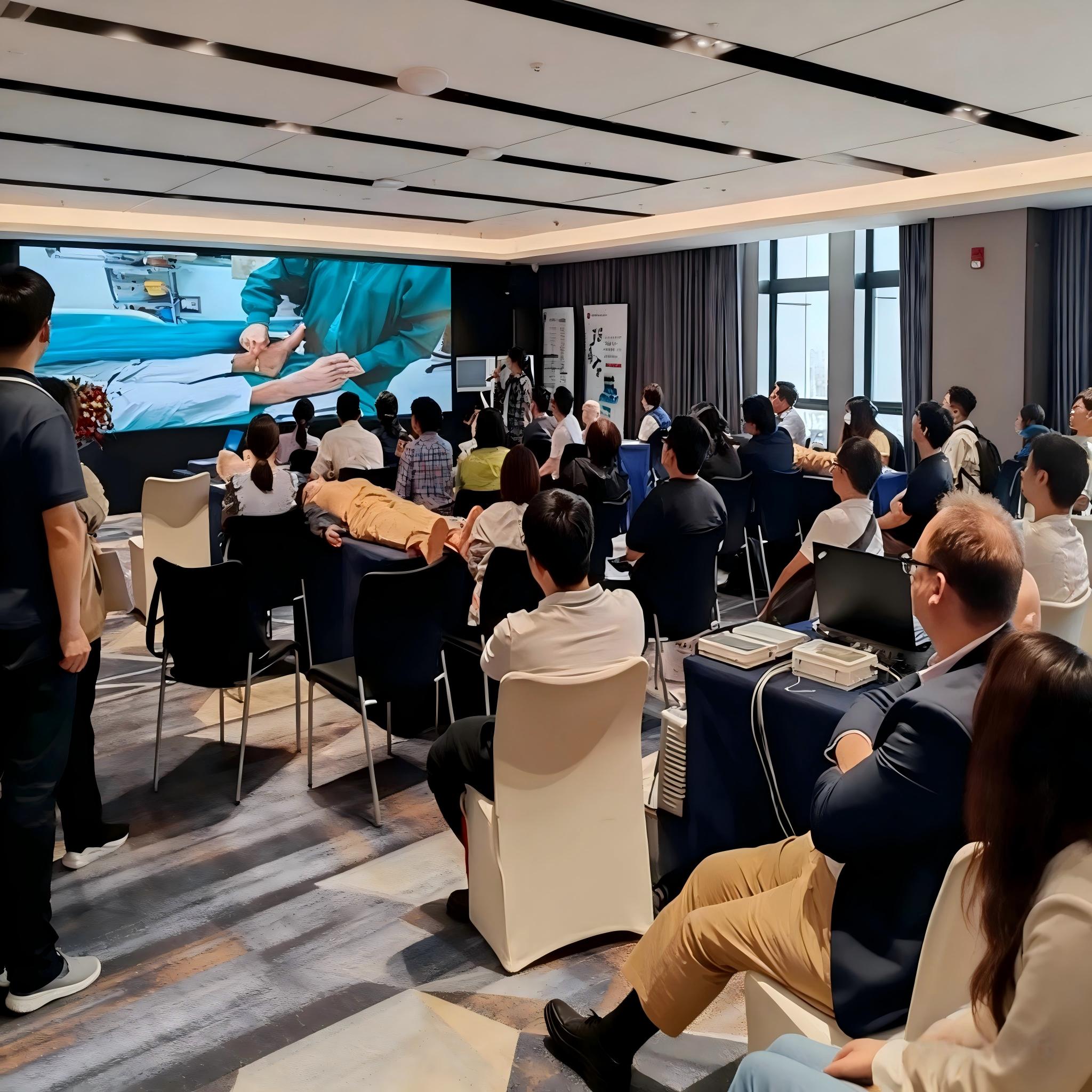
Participate in industry conferences and study classes (online and offline).

Risk Control and Adjustment Suggestions

Knowledge Gaps: If you have difficulty understanding clinical terminology, attend basic medical courses (e.g., "General Surgery MOOC").


Practical Gaps: Seek mentorship from experienced technicians and prioritize non-emergency surgeries for monitoring.


Time Management: Dedicate 2 hours daily for in-depth learning, utilizing fragmented time for review of anatomical diagrams.
bg
This plan is designed to guide you through the core skills and knowledge required to excel in IONM.

+86 21 5221 0287

Get a Free Quote

Our representative will contact you soon.
Email
Name
Mobile
Your Role
Company Name
Message
0/1000

Copyright © NCC Medical Co., Ltd.  -  Privacy policy