Since 1997, NCC Medical has translated experience in neurophysiology, diagnosis, and intraoperative monitoring into practical support for clinical teams. This article explores how clinical context, workflow understanding, communication, and education shape our approach.
Explore five practical questions that help strengthen multimodal IONM planning, support reliable baseline review, clarify team responsibilities, and improve communication before surgery.
Discover how preparation, shared expectations, structured workflows, and clear communication help support meaningful monitoring information in the operating room.
When monitoring findings differ, context matters. Explore a disciplined approach to interpreting discordant intraoperative monitoring information through objectives, technical and physiological conditions, and team communication.
Explore how structured protocols and professional judgement work together in intraoperative neurophysiological monitoring, supporting thoughtful interpretation, clear communication, and continuous learning.
Explore why baseline signals in IONM are more than just waveforms. Learn how documenting clinical, anesthetic, and technical conditions at the start of monitoring supports informed interpretation and surgical safety.
Learn why neurosurgical monitoring should begin with the clinical question—not the modality—and how multimodal data can support patient safety and functional integrity.
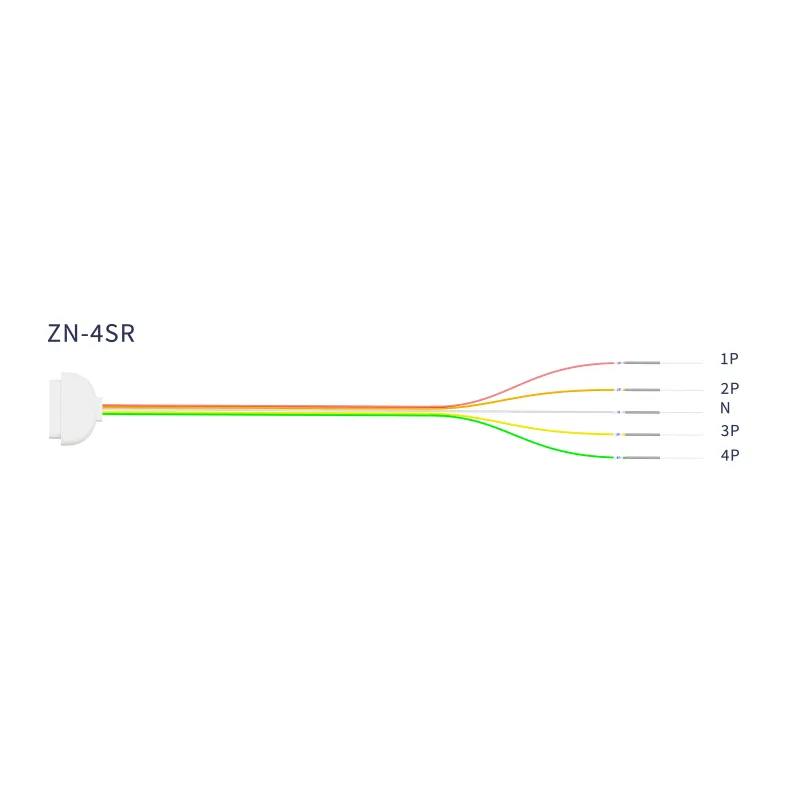
Discover how premium monopolar stimulator probes eliminate signal drift, prevent false positives, and enhance neuromonitoring accuracy. Boost patient safety—download our clinical guide now.
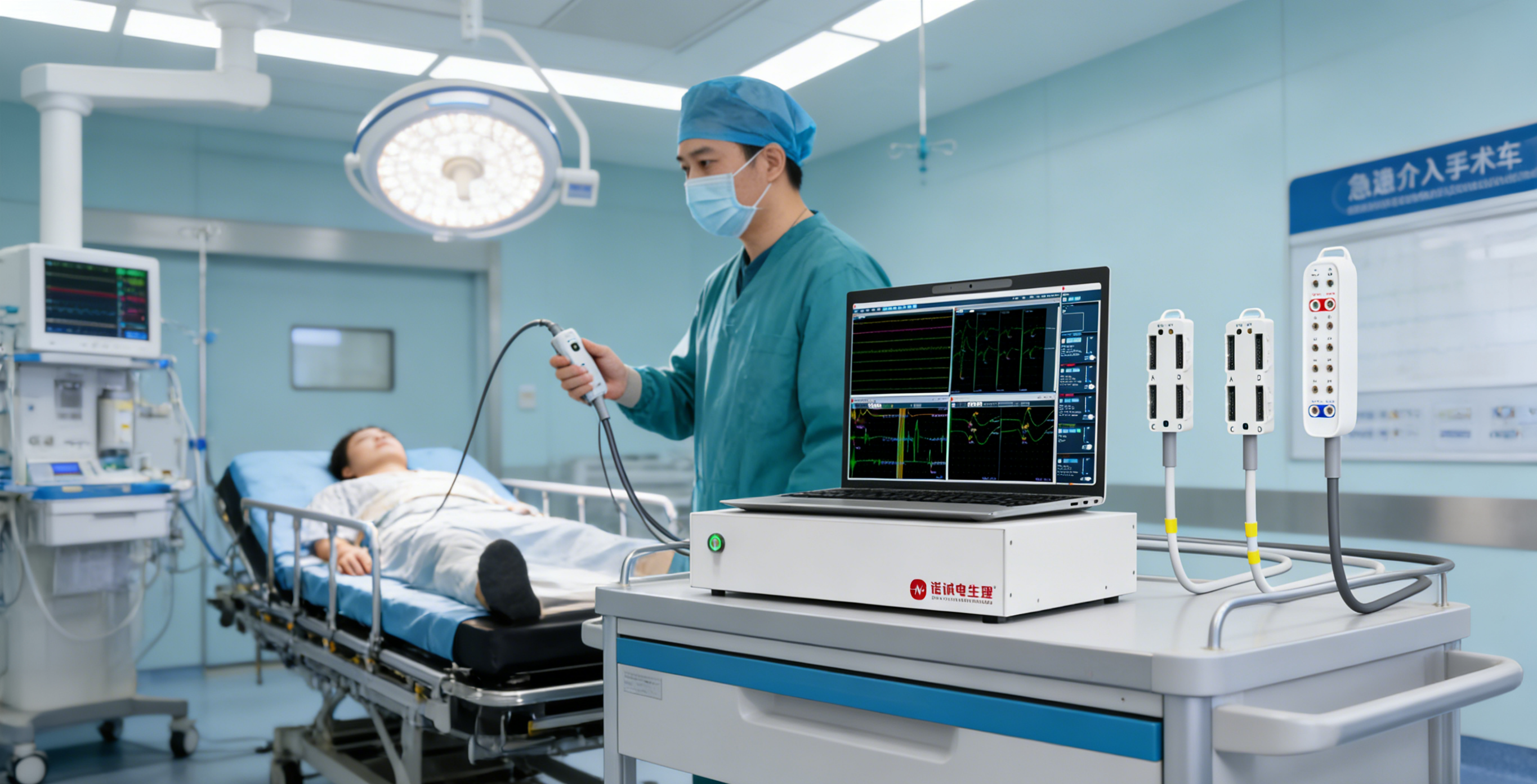
Why do 94% of surgeons choose high-fidelity facial nerve monitoring? Discover clinical evidence, technical specs, and NMPA/FDA compliance must-haves for procurement. Download standards checklist.
Copyright © NCC Medical Co., Ltd. - Privacy policy
 EN