In the operating room, meaningful monitoring information is never defined by a single moment of data collection. It is shaped by everything that makes that moment interpretable: preparation before the procedure, a shared understanding of the clinical plan, disciplined workflow execution, and communication that reaches the right people at the right time.
This is why reliable monitoring begins with reliable collaboration.
At NCC Medical, we believe technology should strengthen the people behind every clinical decision. Monitoring systems, workflows, and educational resources are most valuable when they help clinical teams work from the same expectations, review information in context, and maintain a clear record of what has been observed and communicated.
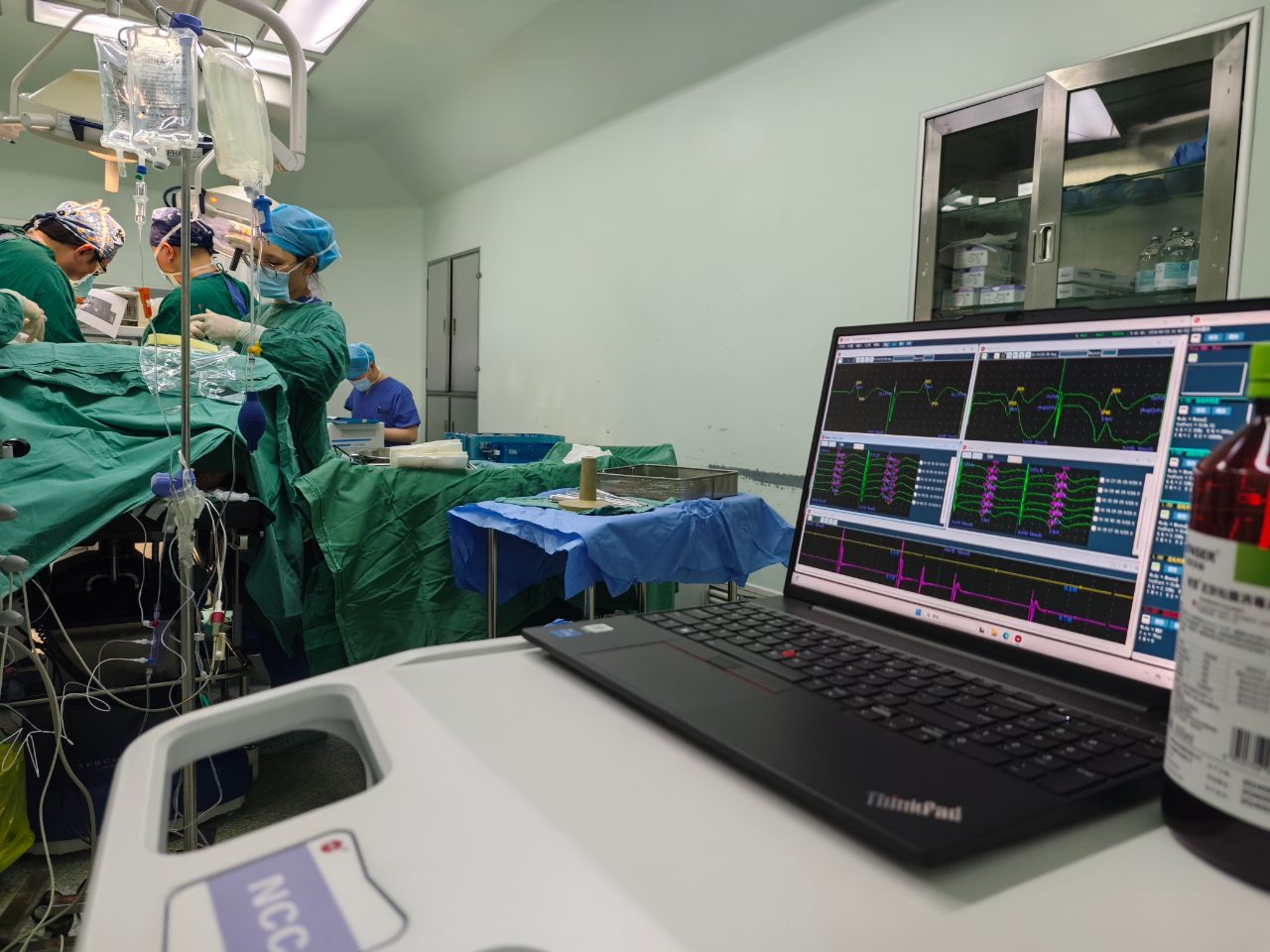
Clinical information gains meaning through context. A signal, trend, or change must be considered alongside the procedure, the patient’s baseline status, anesthesia conditions, positioning, technical setup, and the team’s shared understanding of the case.
That context is not created at the point of an alert. It is built through a repeatable process:
When these elements are aligned, monitoring can support a more organized clinical conversation. The focus moves beyond reacting to individual data points toward understanding what the information may mean within the broader course of care.
Effective collaboration starts before the patient enters the operating room. A common plan gives every participating professional a shared frame of reference: what procedure is being performed, what monitoring modalities are relevant, what baseline conditions may influence interpretation, and how the team will communicate during the case.
This does not reduce clinical judgment to a checklist. Instead, it creates the structure that allows clinical judgment to be applied more deliberately.
A well-prepared team is better positioned to distinguish routine variation from information that warrants further attention. It can also reduce avoidable uncertainty when workflow conditions change, because responsibilities and communication channels have already been established.
For NCC Medical, practical preparation means supporting workflows that are clear enough to be repeatable while remaining flexible enough to respect the realities of each procedure, institution, and clinical team.
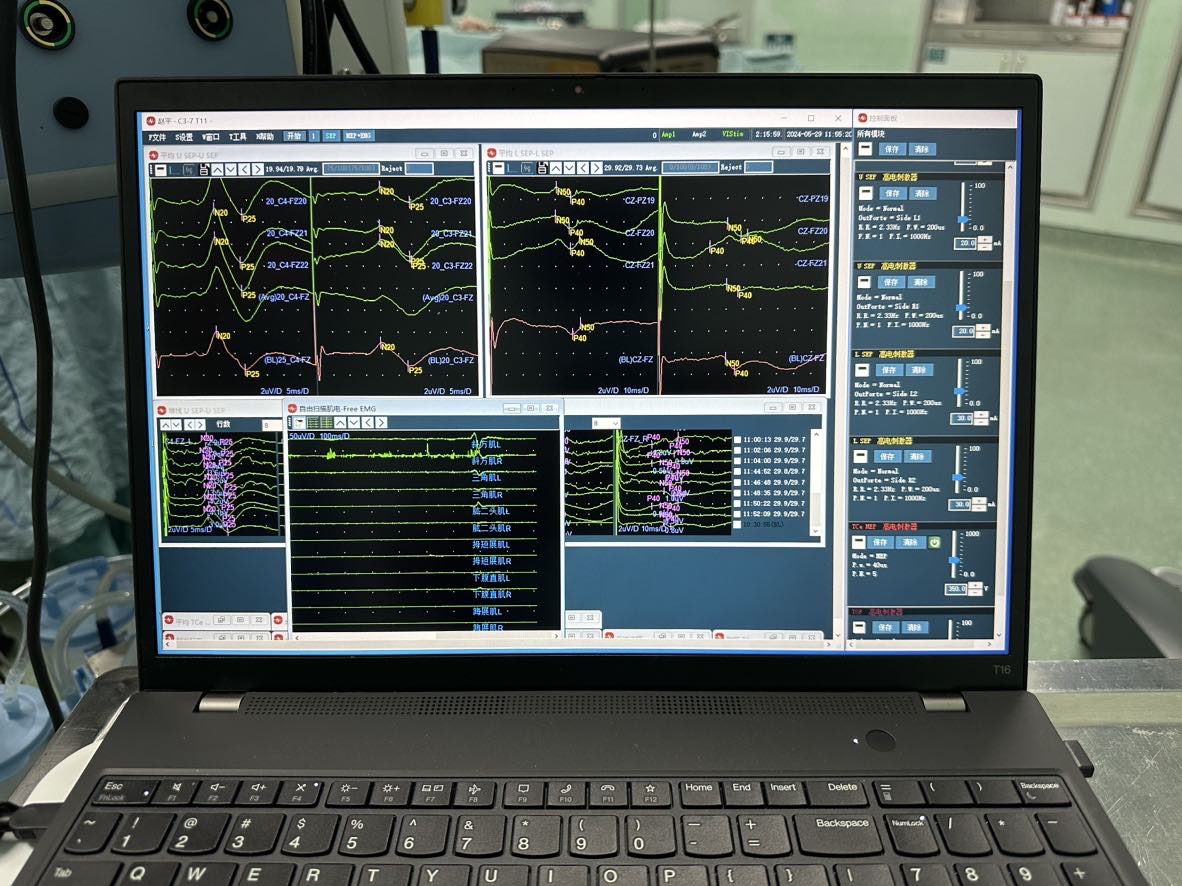
Data alone does not make a decision. Clinical professionals need information that can be reviewed in relation to the procedure and communicated with enough clarity for the team to respond appropriately.
This is particularly important in dynamic operating-room environments, where multiple variables may influence monitoring conditions. Technical factors, physiological changes, anesthetic management, surgical stage, and patient-specific circumstances can all affect how information is understood.
A context-aware workflow helps teams ask more useful questions:
These questions do not prescribe a clinical response. They support a disciplined approach to reviewing information, communicating observations, and maintaining continuity across the team.
In high-stakes environments, communication is part of the monitoring process. A message is only useful when it is timely, understandable, and delivered through an agreed pathway.
Clear communication helps reduce ambiguity. It enables the team to confirm that a significant observation has been received, places the information in the correct procedural context, and creates a traceable record for subsequent review.
Reliable communication practices typically include:
Documentation is not simply an administrative step. It supports continuity, retrospective review, quality improvement, and shared learning. When communication is both clear and documented, the clinical team has a stronger foundation for coordinated action.
Technology is most effective when it complements clinical expertise rather than adding unnecessary complexity. A system should help users access information efficiently, support consistency in everyday workflows, and make collaboration easier across roles.
At NCC Medical, our approach is grounded in this principle. We aim to support healthcare professionals with practical workflows, clinical education, and long-term collaboration that can strengthen the process around monitoring.
This means looking beyond individual products or features. It means considering how a solution fits into the full clinical workflow: preparation, setup, observation, review, communication, documentation, and continuous improvement.
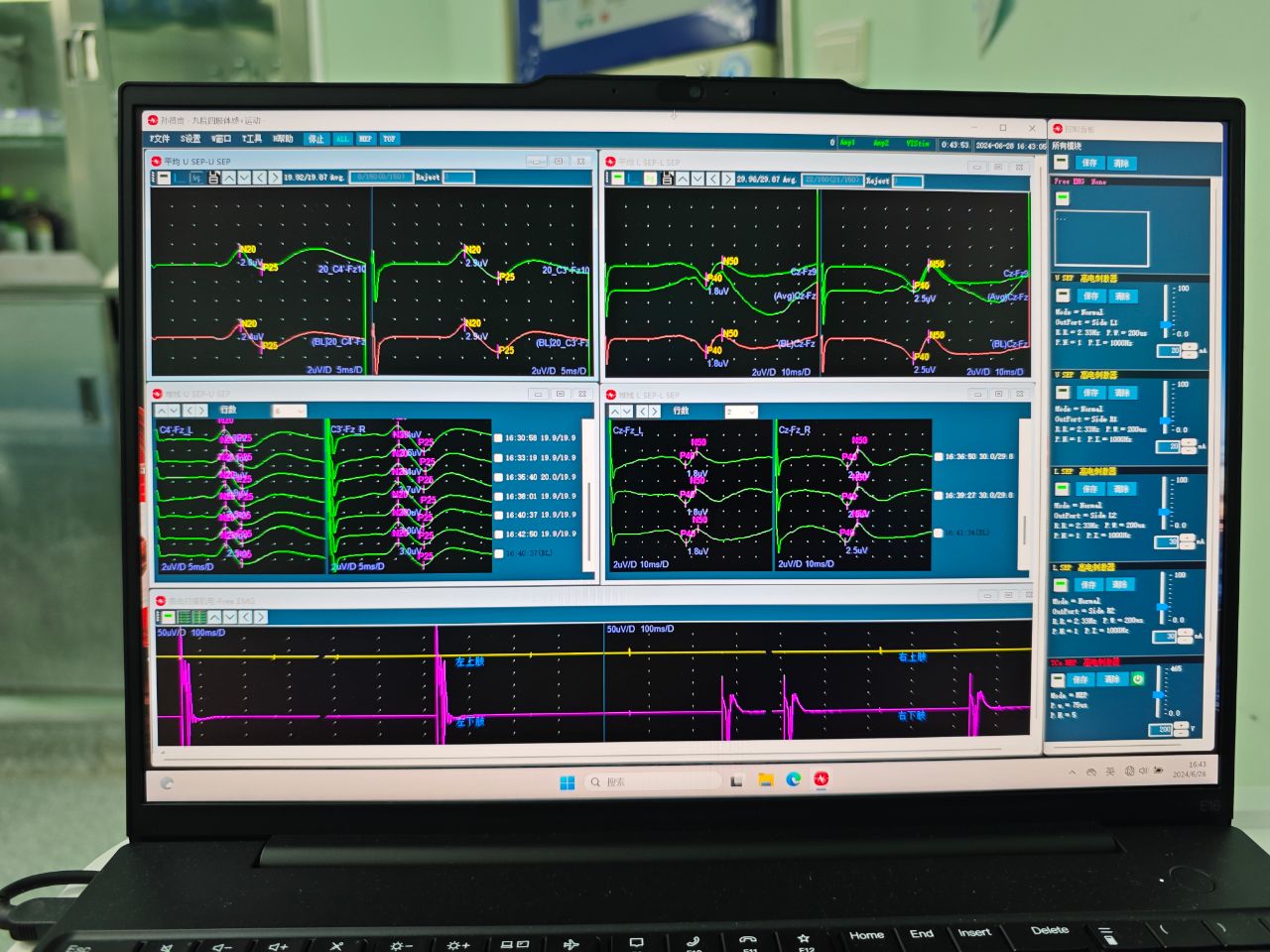
Standardized processes are sometimes misunderstood as rigid processes. In practice, a consistent foundation can give experienced professionals more room to focus on what requires judgment.
When routine steps are well defined, teams spend less energy resolving preventable uncertainty. They can direct more attention to the patient, the procedure, and the clinical information that matters in the moment.
That is the value of dependable collaboration: it does not replace expertise. It helps create the conditions in which expertise can be applied with greater clarity and confidence.
Reliable monitoring is strengthened over time. It develops through shared learning, practical education, open dialogue, and a continued commitment to improving how teams prepare, communicate, and review information.
NCC Medical is committed to collaborating with healthcare professionals in that long-term spirit. By supporting practical, context-aware workflows and clinical education, we aim to help teams build greater consistency into the process surrounding every case.
Because when the process is dependable, there is more space for informed clinical judgment.
Copyright © NCC Medical Co., Ltd. - Privacy policy
 EN