In intraoperative neuromonitoring (IONM), baseline signals are often treated as the first technical milestone of a case. They establish what can be recorded before the procedure advances and provide a point of comparison if the signal profile changes later.
Yet a baseline is not simply a number, waveform, or binary assessment of whether a response is present. It is a record of the clinical and technical circumstances at the start of monitoring. When documented and communicated clearly, it gives the surgical, anesthesia, and monitoring teams a shared foundation for interpretation throughout the procedure.
Every baseline is acquired within a specific moment in the patient journey. The observed signal characteristics may reflect patient factors, the monitoring objective, anesthetic conditions, physiology, electrode placement, equipment configuration, and the practical realities of the operating room.
For this reason, a meaningful baseline should capture more than the presence or absence of a response. It should preserve the information that may later help the team understand whether a change is clinically relevant, technically influenced, or related to evolving physiological conditions.
The central question is not only, “Was a response obtained?” It is also, “What did that response represent under the conditions in which it was acquired?”
The value of a baseline depends on the purpose of monitoring in that procedure. Different surgical objectives, anatomical regions, and monitoring modalities call for different expectations around signal quality, reproducibility, and interpretive emphasis.
A baseline that is appropriate for one monitoring objective may not carry the same meaning in another setting. The clinical team therefore benefits from aligning early on around what is being monitored, which signal features matter most, and what limitations should remain visible as the case progresses.
This objective-led approach helps avoid reducing baseline assessment to a checklist. Instead, it connects acquisition to the clinical question that monitoring is intended to support.
Baseline interpretation is inseparable from acquisition conditions. A signal should be understood in relation to the physiological, anesthetic, and technical environment in which it was recorded.
Key context may include:
Documenting these conditions does not eliminate uncertainty. It makes uncertainty explicit and keeps the team oriented to the evidence available at the start of the case.
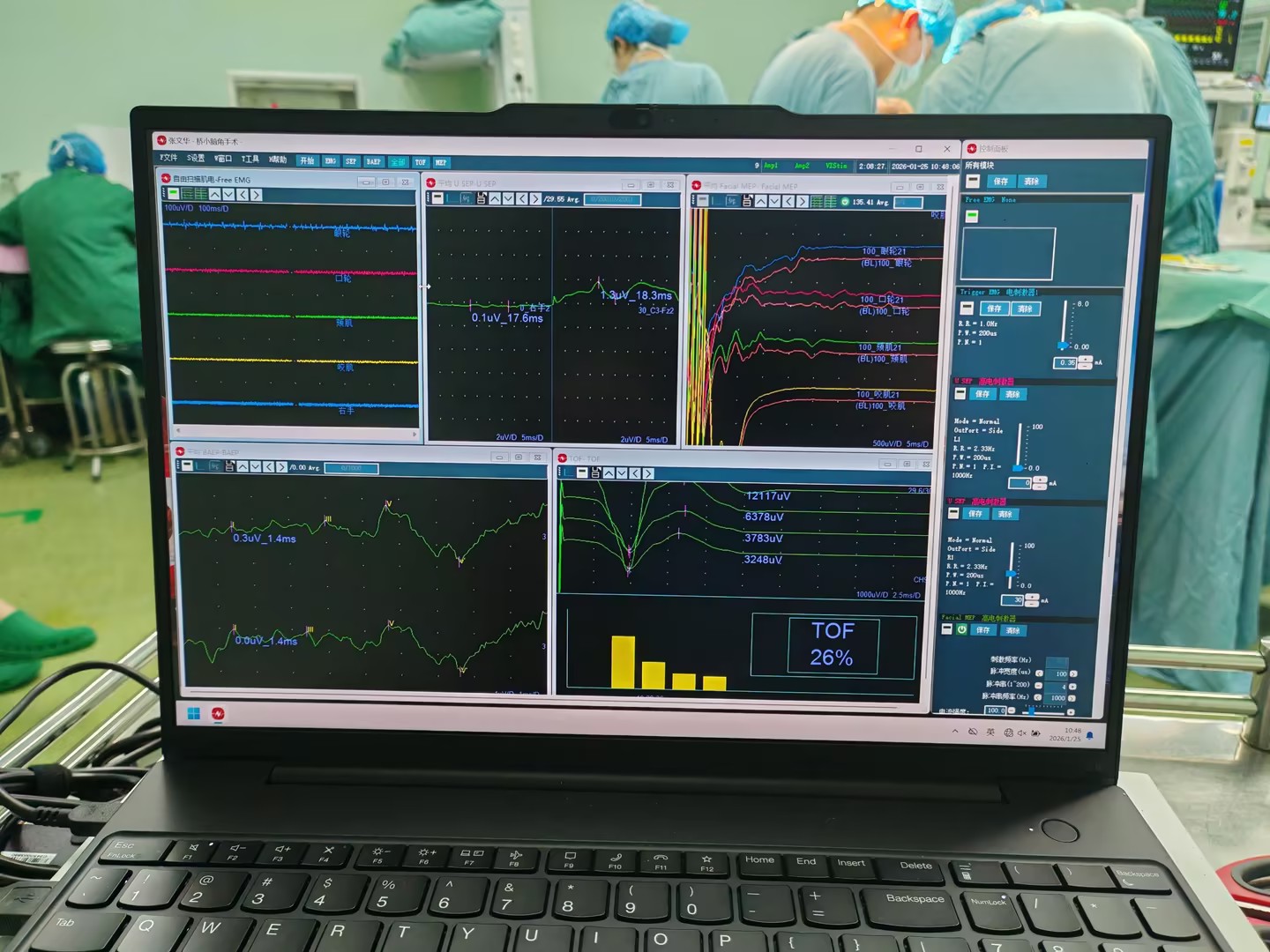
Intraoperative monitoring is most useful when it supports a continuous clinical picture rather than a series of disconnected measurements. A well-established baseline allows the team to carry forward three essential questions:
These questions create continuity between the beginning of monitoring and later events. They help ensure that subsequent observations are interpreted against the actual starting context, not against an assumed ideal signal state.
A change during a procedure should not be viewed as an isolated value detached from the rest of the case. Its meaning emerges through comparison with the baseline and through a coordinated review of conditions that may have changed since baseline acquisition.
The baseline can help guide a structured clinical conversation:
This context-aware approach does not turn monitoring into prediction. Its purpose is more disciplined: to help teams interpret observations with greater clarity as the procedure unfolds.
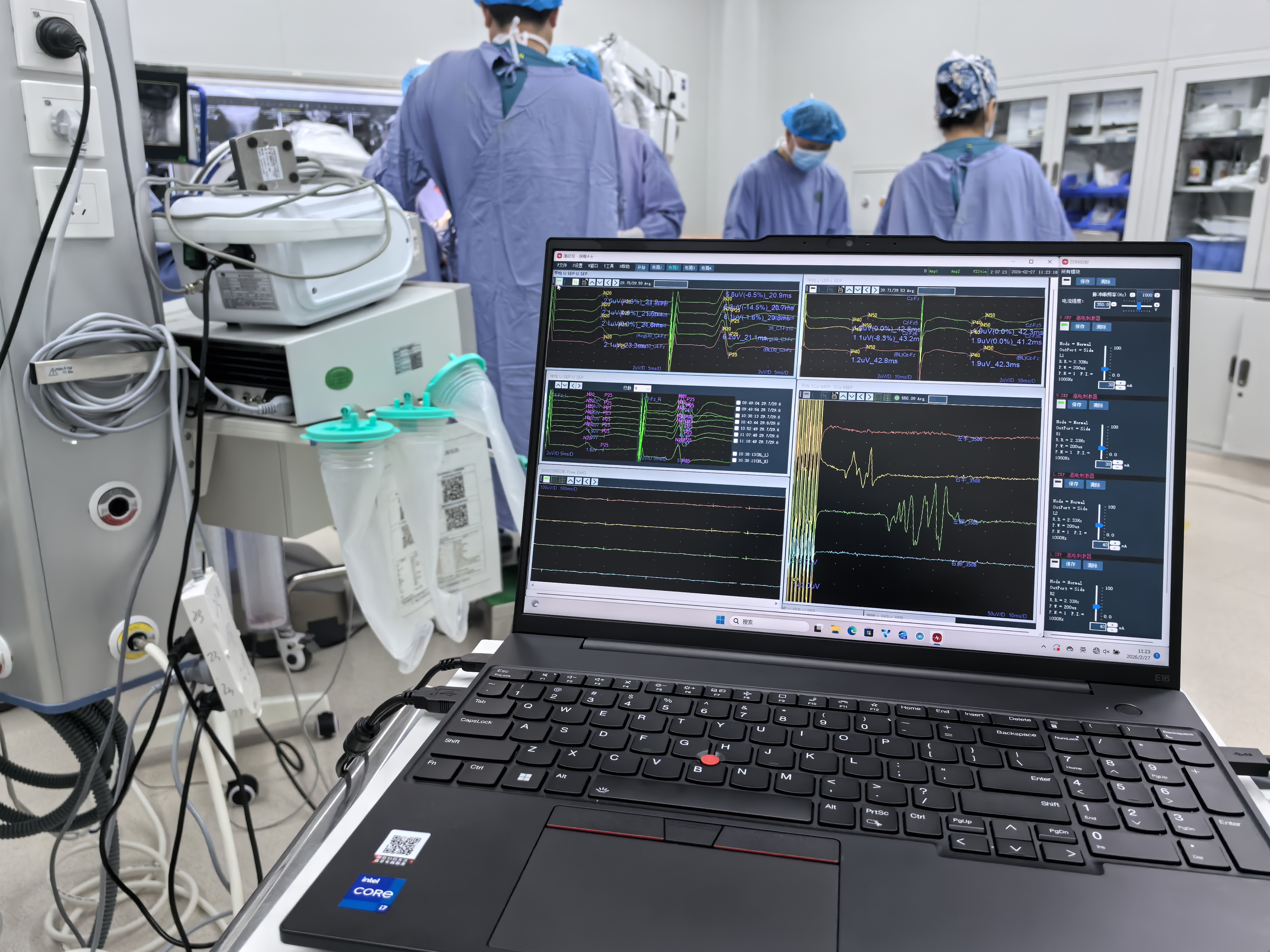
A robust baseline is not created by technology alone. It is strengthened by disciplined acquisition, clear documentation, and timely communication across the operating room team.
For monitoring professionals, this means recognizing and recording characteristics that may shape later interpretation. For anesthesia and surgical colleagues, it means sharing relevant changes in conditions and maintaining a common understanding of the monitoring objective. For the broader team, it means treating baseline information as part of the clinical narrative of the case.
When that narrative is established early, later discussions can begin from a common factual ground.
The purpose of baseline acquisition is not to predict what will happen during surgery. It is to establish a clear, well-documented starting point that supports more informed interpretation throughout the procedure.
At NCC MEDICAL, we view baseline acquisition as a foundational part of context-aware intraoperative neuromonitoring. A carefully acquired and communicated baseline helps turn later comparisons into clinically meaningful conversations—grounded in what was observed, how it was observed, and what the team knew at the start.
What baseline information has proven most valuable in helping your team interpret changes during a case?

Copyright © NCC Medical Co., Ltd. - Privacy policy
 EN
EN