EEG Machine for Clinical Diagnostics: 256-Channel Precision & AI Analysis

All Categories

High-Precision EEG Machine for Clinical Neurodiagnostics and Advanced Brain Monitoring Systems

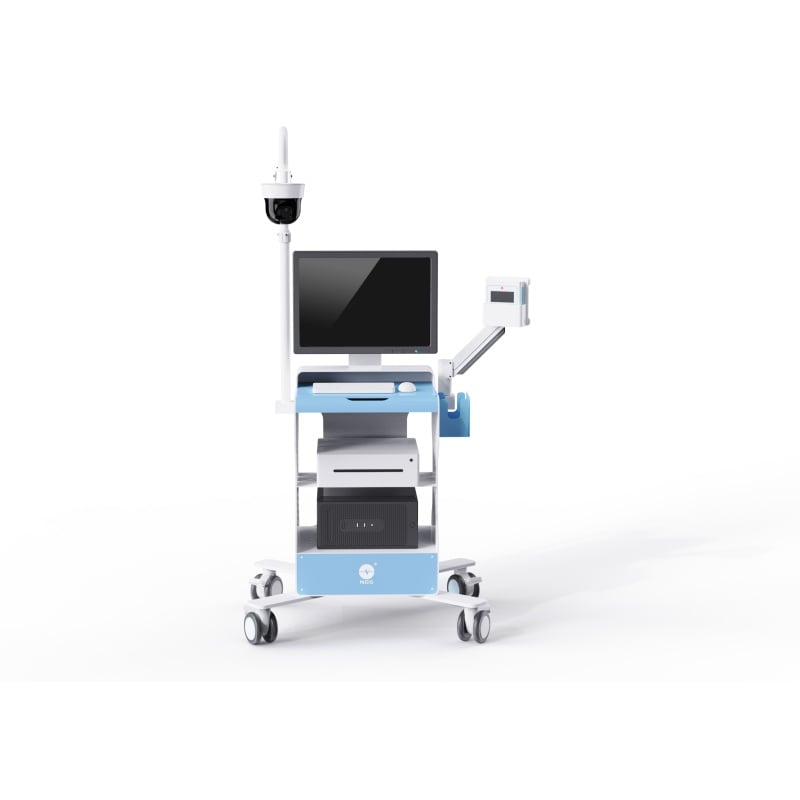
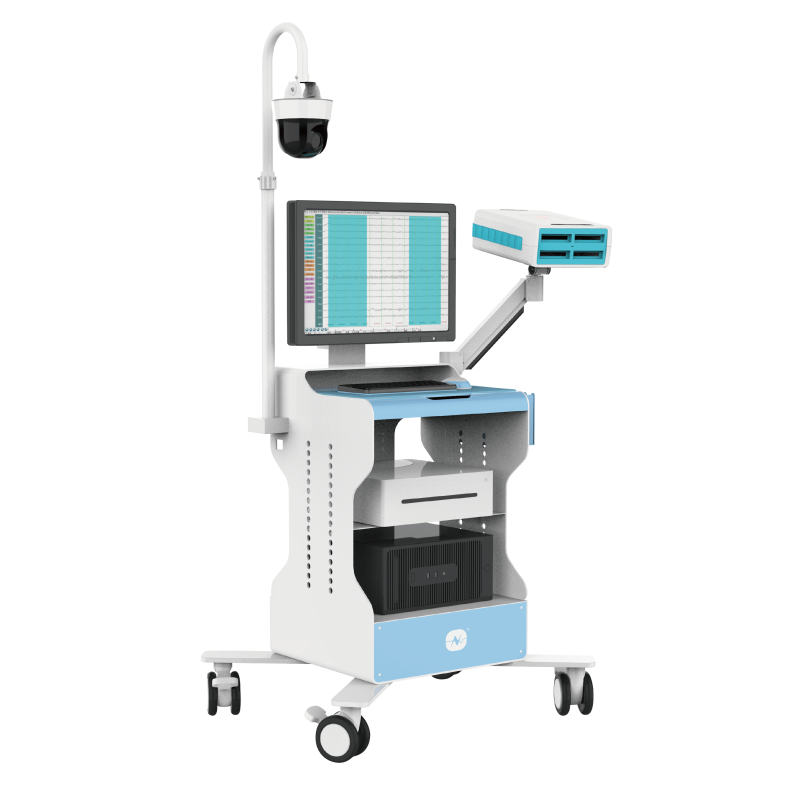
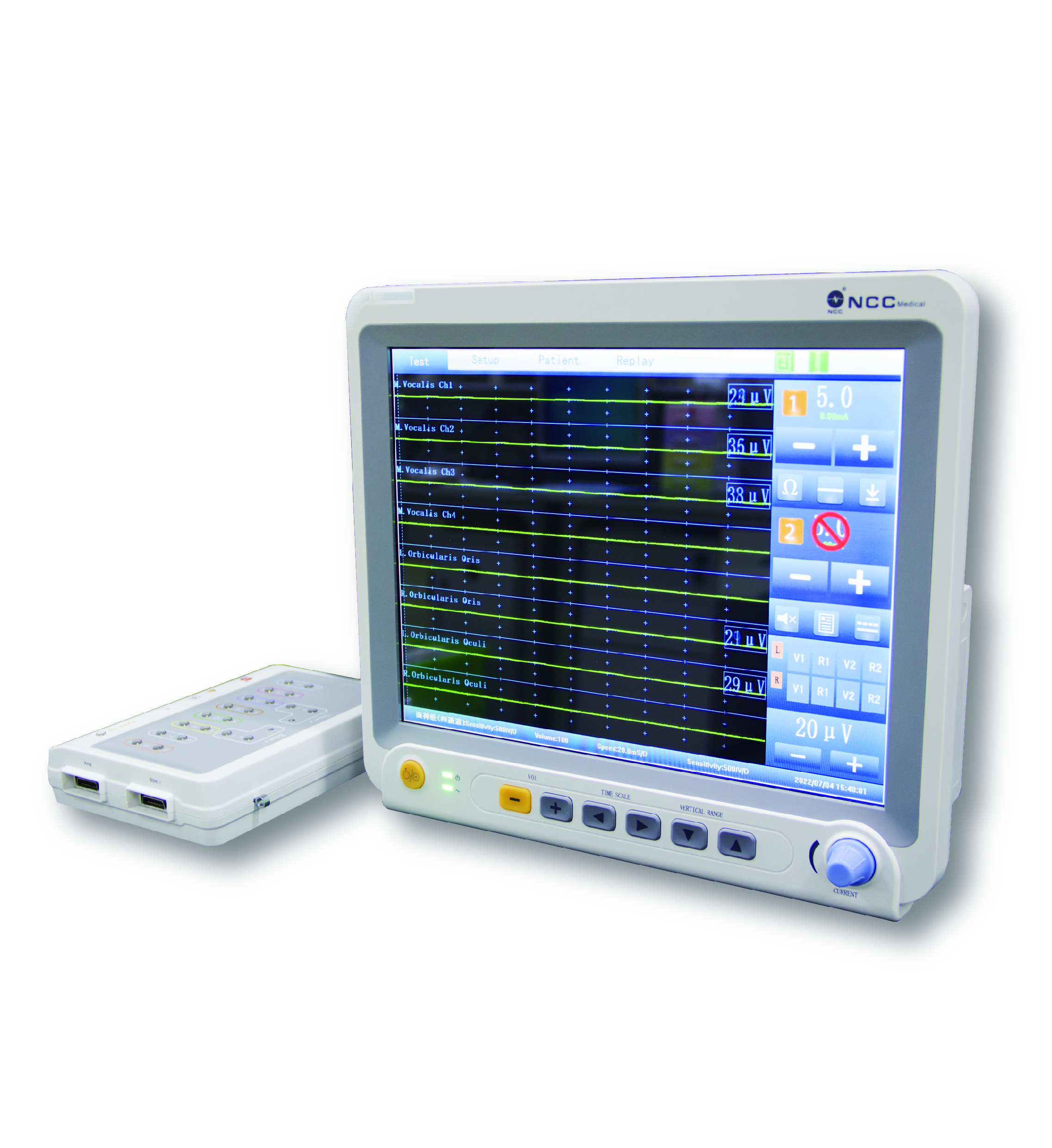
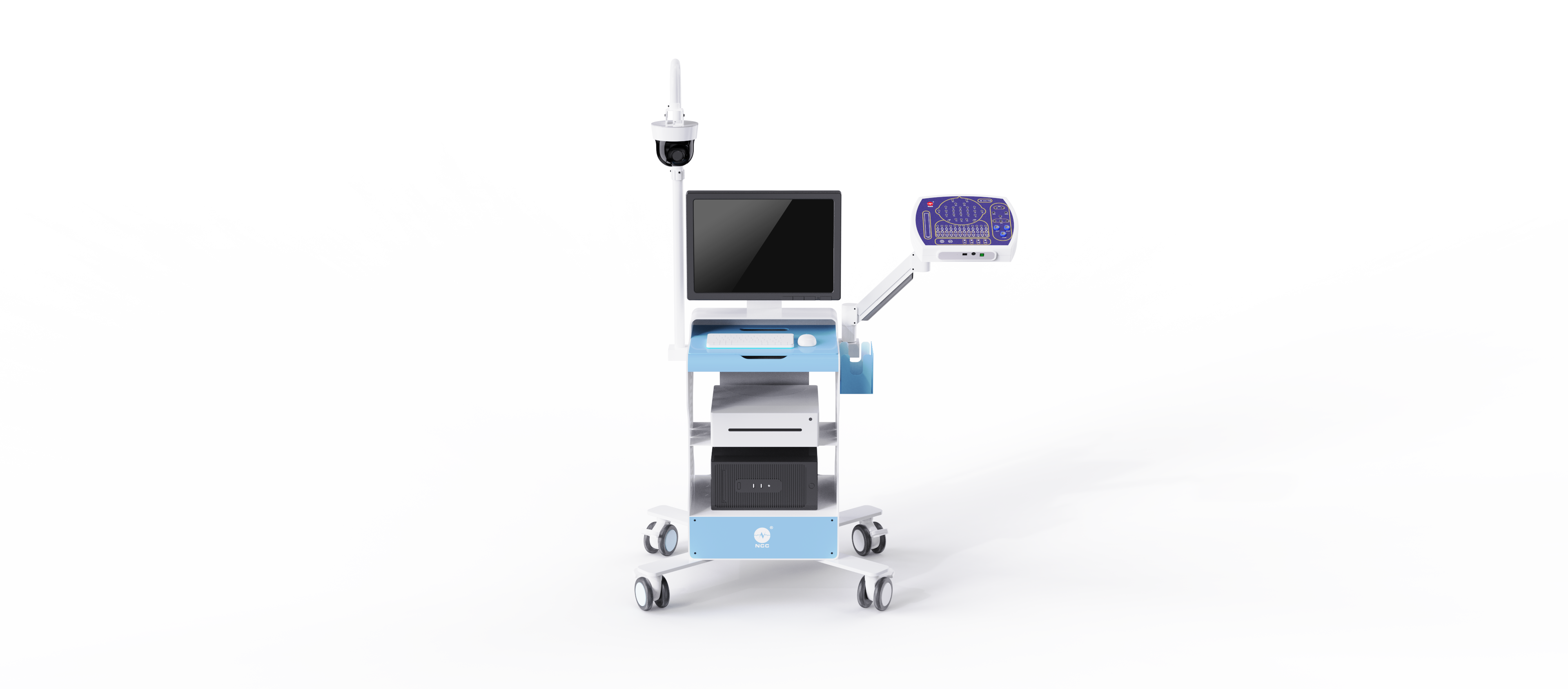
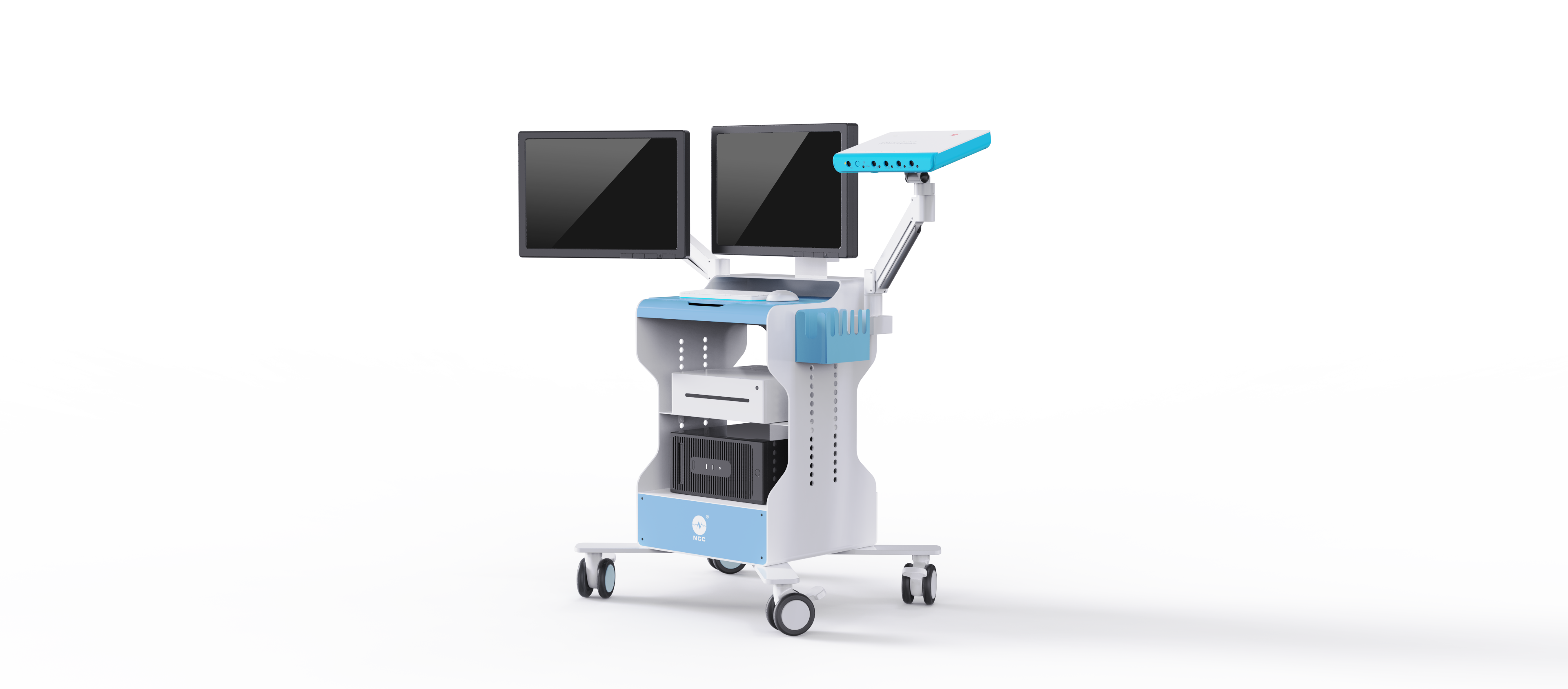
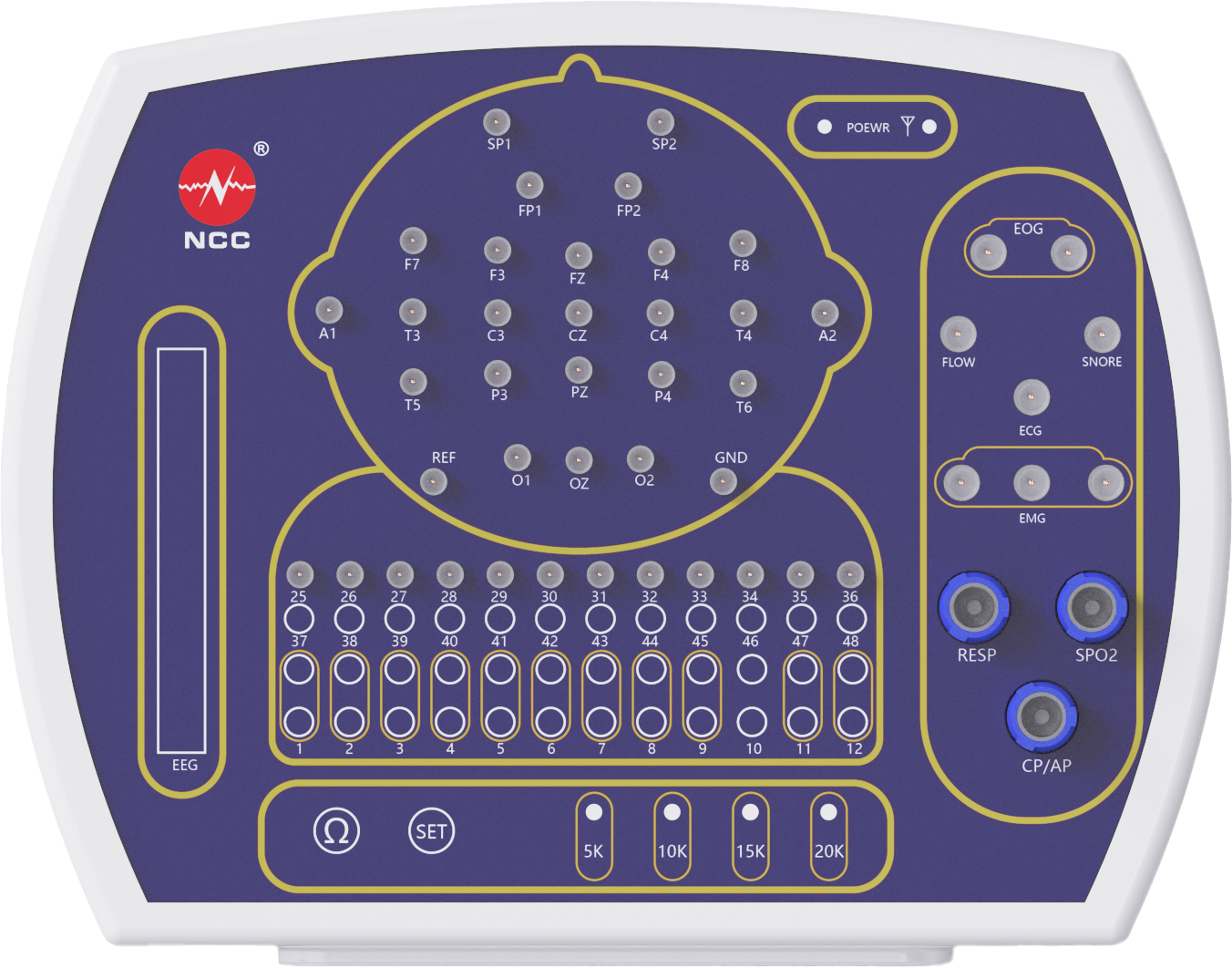
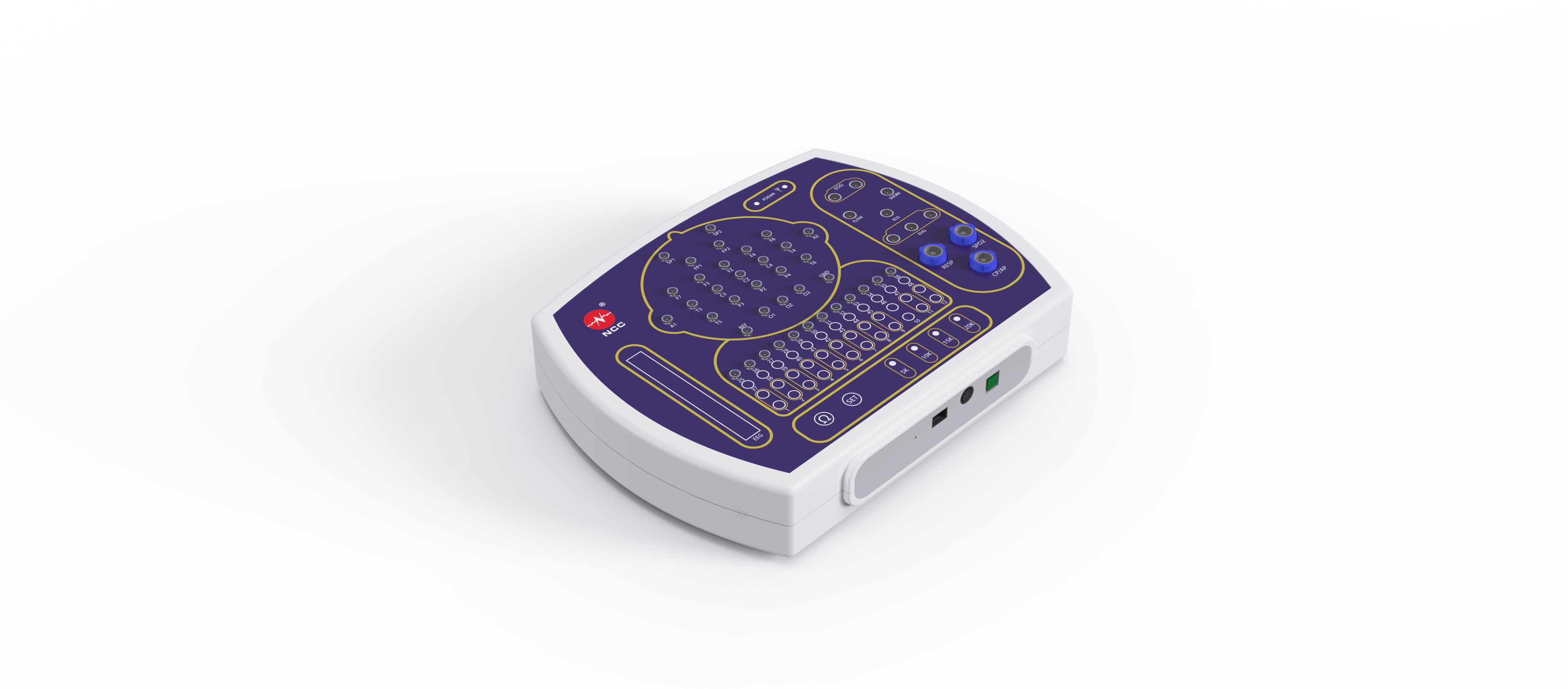
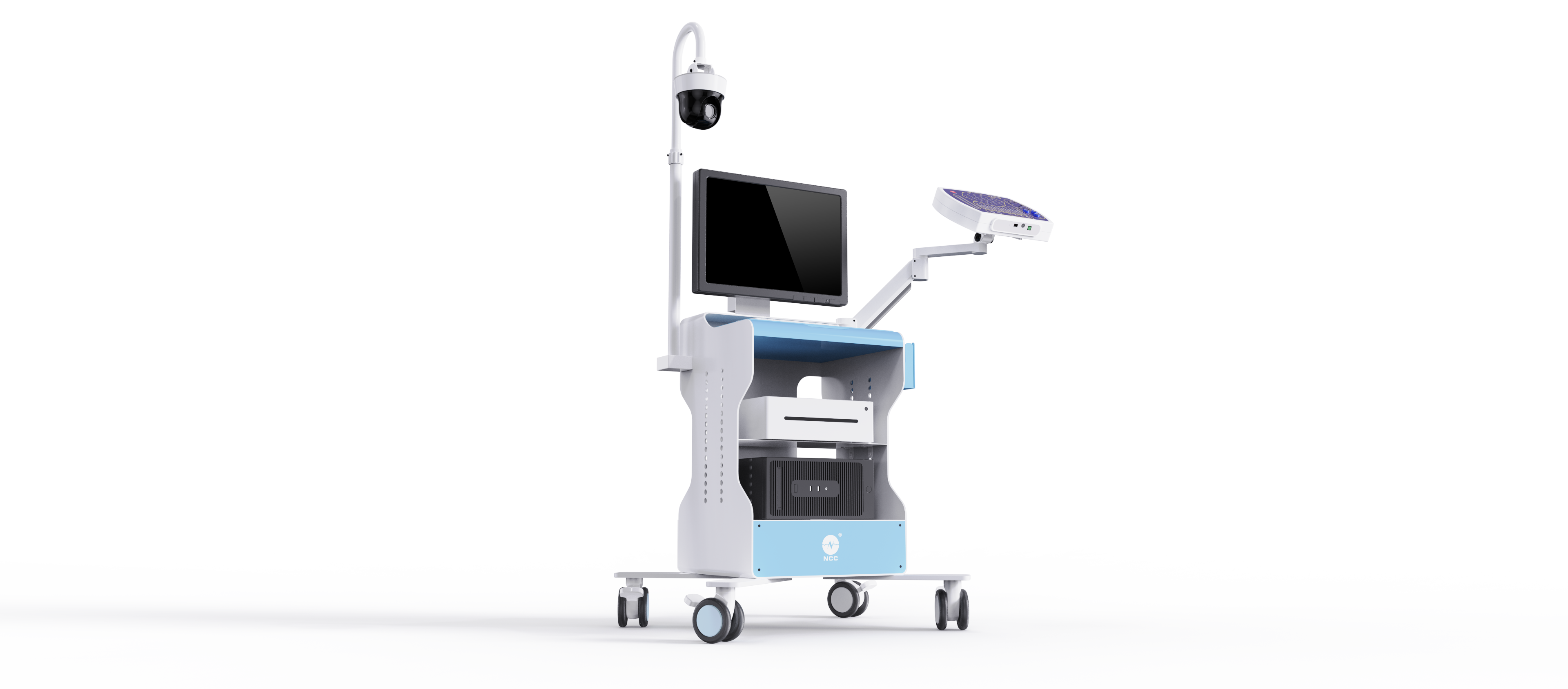
The Eeg Machine is an advanced neurodiagnostic system designed for hospitals, research laboratories, and neurological monitoring centers that require accurate, high-resolution brain activity recording. Modern Eeg Machine technology integrates high-density channels, ultra-low noise amplifiers, intelligent signal processing, and flexible electrode compatibility to deliver reliable brainwave analysis in both clinical and research environments. A professional Eeg Machine supports high channel counts ranging from 32 to 256 channels, enabling detailed cortical mapping and accurate localization of neurological abnormalities such as epilepsy foci, sleep disorders, and cognitive dysfunctions. With high sampling rates and wide bandwidth acquisition, a modern Eeg Machine can capture both slow brain rhythms and high-frequency oscillations, providing deeper insights into neural dynamics.
Get A Quote

Eeg Machine

Modern healthcare institutions require neurodiagnostic tools that combine accuracy, reliability, and operational efficiency. A high-performance Eeg Machine must deliver stable signal acquisition, flexible system integration, and intelligent data processing. The following advantages demonstrate how a professional Eeg Machine supports clinical decision-making and neuroscience research through advanced hardware design and innovative signal analysis technologies.

High-Density Channel Architecture for Precise Brain Mapping

A professional Eeg Machine is designed with high-density channel configurations that enable comprehensive brain activity monitoring. Modern systems support channel counts ranging from 64 to over 256 channels, allowing clinicians and researchers to capture detailed spatial information across the entire scalp. This high-resolution recording capability improves the accuracy of neurological assessments, particularly in epilepsy source localization and functional brain mapping. The advanced amplifier architecture used in a high-quality Eeg Machine ensures excellent signal fidelity even when recording microvolt-level neural signals. High-input impedance amplifiers reduce the influence of electrode contact variations, while high common-mode rejection ratios effectively suppress electrical interference from surrounding medical equipment. As a result, the Eeg Machine delivers stable and reliable recordings in complex hospital environments.

Ultra-High Sampling and Wide Bandwidth Signal Acquisition

A modern Eeg Machine supports extremely high sampling rates and wide frequency bandwidth to capture a broad spectrum of neural activity. Sampling rates may exceed 16 kHz, enabling the detection of fast neural events and high-frequency oscillations that traditional systems cannot observe. This capability is particularly important for advanced epilepsy research and high-precision cognitive neuroscience experiments. The wide bandwidth acquisition system in a professional Eeg Machine allows simultaneous recording of ultra-slow cortical potentials and fast neural oscillations. This comprehensive signal capture improves the quality of electrophysiological datasets and provides a unified platform for sleep studies, anesthesia monitoring, and neurological disorder analysis. Combined with high-resolution analog-to-digital converters, the Eeg Machine delivers exceptional signal clarity and dynamic range.

Intelligent Signal Processing and Clinical Decision Support

Advanced software capabilities transform a modern Eeg Machine from a simple recording device into a powerful neurodiagnostic platform. Integrated algorithms enable automated artifact detection, spike recognition, and seizure monitoring. These intelligent tools help clinicians quickly identify abnormal brain activity patterns and reduce manual analysis time. A professional Eeg Machine also provides real-time spectral analysis, quantitative EEG metrics, and brain network connectivity mapping. These analytical features convert complex electrophysiological data into clinically meaningful indicators. By combining powerful hardware with advanced analytics, the Eeg Machine enhances diagnostic accuracy and supports evidence-based neurological care.

Related Products

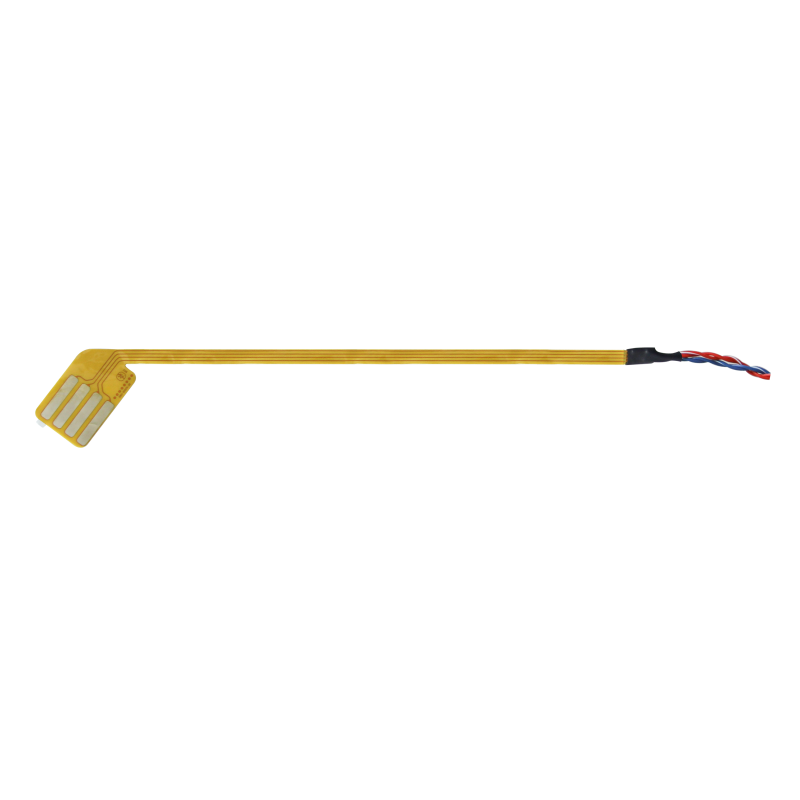
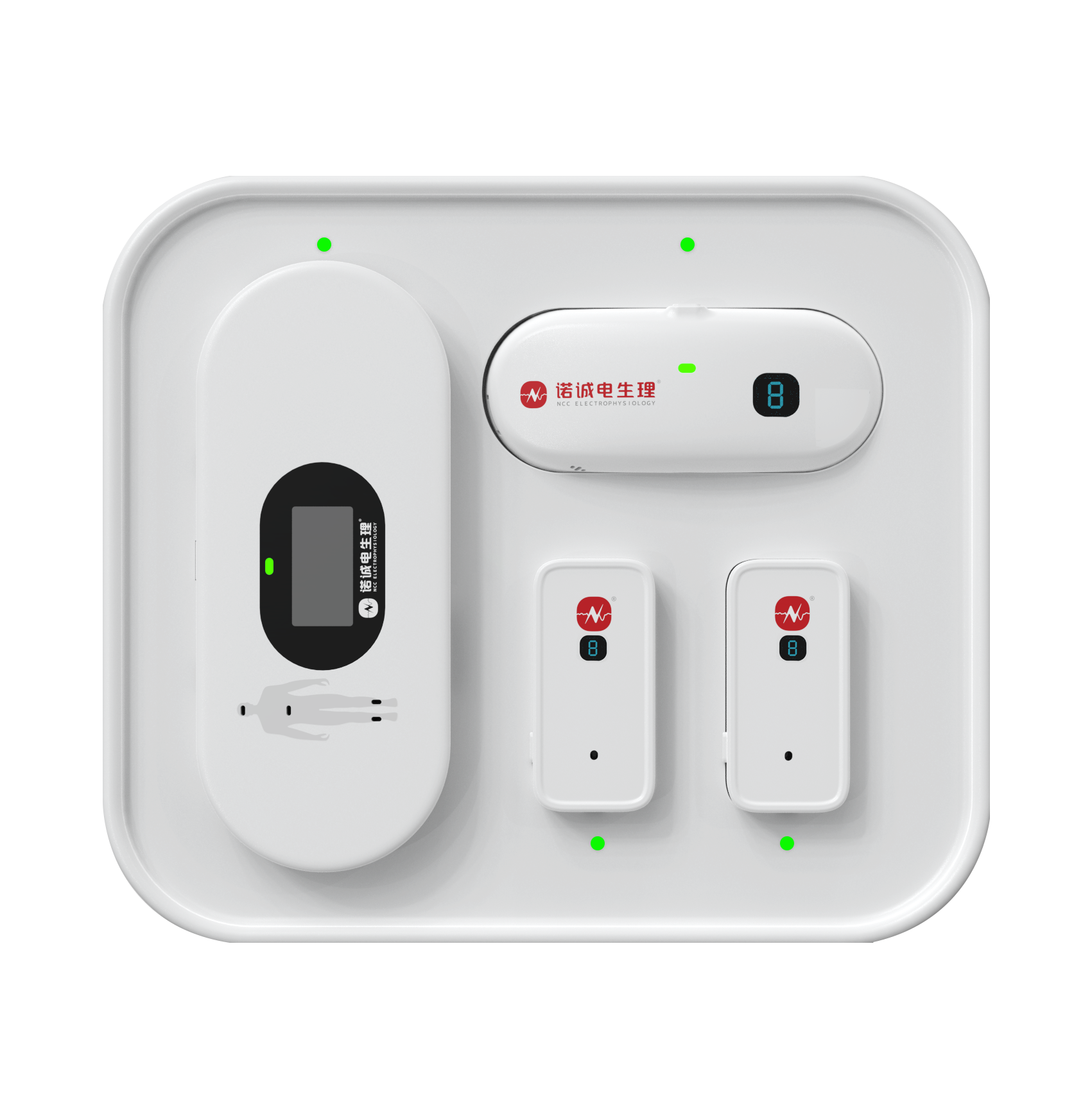
The Eeg Machine is engineered to meet the demanding requirements of modern neurological diagnostics and scientific research. Built with precision medical-grade electronics and high-performance signal amplification technology, the Eeg Machine delivers reliable brain activity monitoring across a wide range of clinical and research applications. The core architecture of the Eeg Machine includes a high-resolution amplifier module with ultra-low noise performance and high input impedance. This design ensures accurate signal acquisition even when electrode impedance varies. The system supports multiple electrode types including wet electrodes, saline-based electrodes, active electrodes, and dry electrodes, enabling flexible use across different clinical scenarios.

About NCC Medical Group

NCC Medical Group is a globally recognized manufacturer specializing in neuro-diagnostic and neuro-monitoring technologies. Since its establishment in 1997, NCC has dedicated its research and engineering expertise to developing advanced medical systems that support accurate neurological diagnostics and safer surgical procedures.

As a government-recognized SRDI “Little Giant” Enterprise, NCC represents a new generation of high-technology manufacturers with strong innovation capability and proprietary core technologies. The SRDI designation — Specialized, Refined, Differential, and Innovational — is awarded only to companies that demonstrate technological leadership, advanced manufacturing capability, and strong intellectual property development.

Integrated Global Structure

NCC operates through an integrated international structure designed to support research innovation, large-scale manufacturing, and global service delivery.

The company’s primary research and manufacturing center is located in Shanghai, China, one of the world’s most dynamic technology hubs. This facility brings together biomedical engineers, neuroscientists, and manufacturing specialists to develop next-generation neurophysiology solutions including EEG, EMG, IONM, and polysomnography systems.

Quality management and global compliance operations are coordinated through Singapore, which serves as NCC’s international operations hub. From this location, NCC ensures that all products comply with international regulatory standards and maintain consistent quality across global markets.

Expertise in Neurophysiology Technology

NCC focuses on the development of advanced medical equipment used in neurological diagnostics and intraoperative monitoring. The company’s core product portfolio includes:

• EEG and PSG systems for neurological diagnostics and sleep research
• EMG and evoked potential systems for neuromuscular assessment
• IONM systems designed to enhance surgical safety
• Medical consumables and neurodiagnostic accessories

Through continuous technological innovation, NCC has established itself as a trusted partner for hospitals, research institutions, and neurophysiology laboratories worldwide.

Global Clinical Presence

NCC’s neurodiagnostic solutions are currently used in more than 50 countries and over 5,000 hospitals in China. The company collaborates with leading teaching hospitals, neurological centers, and research institutes to support advanced brain research and clinical diagnostics.

The company maintains strong partnerships across Southeast Asia, Australia, Europe, the Americas, and Africa, delivering reliable equipment and professional support services to healthcare providers across diverse healthcare environments.

Training and Technical Support

To ensure successful clinical implementation, NCC operates 31 technical training and support centers throughout China and is actively expanding its global service network. Through the NCC Innovation Academy, clinicians, biomedical engineers, and technicians receive professional training in neurophysiology technology, clinical applications, and system operation.

NCC also provides on-site installation, technical consultation, and continuous professional education programs. This integrated support model helps healthcare institutions maximize the value of their neurodiagnostic equipment.

Mission

NCC’s mission is to safeguard life and health by delivering reliable technologies that support precise diagnostics, safer surgeries, and improved patient outcomes.

By combining advanced engineering, rigorous quality control, and global service capability, NCC Medical Group continues to expand the frontiers of neurophysiology technology and contribute to the future of neurological healthcare.

FAQ

What Is an EEG Machine Used for in Hospitals and Research Laboratories?

An Eeg Machine is a medical device designed to record electrical activity generated by the brain. Hospitals use an Eeg Machine to diagnose neurological disorders such as epilepsy, sleep disorders, encephalopathy, and brain injuries. By analyzing EEG waveforms recorded by the Eeg Machine, neurologists can detect abnormal brain patterns including spikes, sharp waves, and seizure activity. In clinical environments, the Eeg Machine is also used for continuous brain monitoring in intensive care units. Doctors rely on the Eeg Machine to evaluate coma patients, detect non-convulsive seizures, and assess brain function during critical care treatment. Research institutions also utilize the Eeg Machine for neuroscience studies, cognitive research, and brain-computer interface development. With high-channel acquisition and advanced signal processing, the Eeg Machine provides accurate brain activity data for both clinical and scientific applications.
A professional Eeg Machine ensures accurate brain signal recording through advanced amplifier technology and intelligent signal processing. The amplifier inside the Eeg Machine uses high input impedance and low system noise to capture extremely small neural signals. The Eeg Machine also includes high common-mode rejection capability to reduce electrical interference from surrounding medical equipment. This ensures stable signal recording even in busy hospital environments. Additionally, most modern Eeg Machine systems include electrode impedance monitoring. This allows clinicians to check electrode contact quality before recording begins. When electrode impedance is optimal, the Eeg Machine can provide more reliable and precise EEG signals for clinical analysis.
When selecting an Eeg Machine, hospitals and diagnostic centers should evaluate several key factors including channel capacity, signal quality, software capabilities, and system scalability. A high-quality Eeg Machine should provide low-noise signal acquisition, stable recording performance, and flexible configuration options for different clinical applications. Institutions should also ensure that the Eeg Machine supports standard EEG data formats for compatibility with research and analysis software. In addition, choosing an experienced Eeg Machine manufacturer with strong technical support and training services is essential. Reliable suppliers provide installation assistance, clinical training, and long-term technical support to ensure that the Eeg Machine operates efficiently in daily medical practice.

More Posts

Technical Advantages and Clinical Application Value of Intraoperative Monitors

04

Mar

Technical Advantages and Clinical Application Value of Intraoperative Monitors

A Technical and Procurement Perspective from NCC MEDICAL Co., Ltd In contemporary operating rooms, surgical outcomes are no longer determined solely by procedural proficiency. Increasingly, they depend on the continuity, accuracy, and clinical interp...
View More
Clinical Value and Risk Management in Medical Institution Procurement of Bluetooth EEG Headsets

05

Mar

Clinical Value and Risk Management in Medical Institution Procurement of Bluetooth EEG Headsets

In recent years, the bluetooth EEG headset has transitioned from a consumer-focused neurotechnology accessory to a clinically relevant medical device category. The growing demand for sleep diagnostics, cognitive disorder screening, pediatric neurolog...
View More
Technical Advantages and Stable Supply Analysis of Professional EMG Stimulators in Clinical Diagnostics

04

Mar

Technical Advantages and Stable Supply Analysis of Professional EMG Stimulators in Clinical Diagnostics

In clinical neurophysiology, the emg stimulator is often underestimated. It appears, at first glance, to be a controlled current source—an accessory to the electromyography system. In reality, it is the metrological reference upon which n...
View More
Technical Standards and OEM Customization Services of Intraoperative Nerve Stimulators for Surgical Precision

05

Mar

Technical Standards and OEM Customization Services of Intraoperative Nerve Stimulators for Surgical Precision

In modern surgery, precision is no longer defined solely by the surgeon’s hand. It is increasingly defined by the reliability of the technologies guiding that hand. The nerve stimulator intraoperative has evolved from an auxiliary device into a...
View More

Customer Reviews

Dr. Michael Roberts – Neurologist

“Our hospital recently upgraded to a new Eeg Machine, and the improvement in signal quality has been remarkable. The system provides extremely stable recordings even in our busy ICU environment. The impedance monitoring feature makes electrode setup faster and more reliable, and the software tools allow us to quickly detect abnormal brain activity. Overall, this Eeg Machine has significantly improved the efficiency of our neurological diagnostics.”

Emily Chen – Clinical Neurophysiology Technician

“I have worked with several EEG systems in my career, and this Eeg Machine is one of the most user-friendly platforms I have used. The interface is intuitive, and the automated artifact detection helps reduce manual data cleaning. The system’s high channel capacity allows us to conduct detailed brain mapping studies. For laboratories that require reliable EEG recording and flexible configuration, this Eeg Machine is an excellent solution.”

Professor Daniel Wright – Neuroscience Researcher

“Our research laboratory requires high-resolution brain signal acquisition for cognitive neuroscience experiments. This Eeg Machine provides exceptional sampling performance and stable signal quality. The ability to export data to multiple analysis platforms has greatly simplified our workflow. We also appreciate the modular design that allows us to expand channel capacity as our research projects grow.”

Get a Free Quote

Our representative will contact you soon.
Email
Name
Mobile
Your Role
Company Name
Message
0/1000
What is an EEG Machine used for in clinical diagnosis?

What is an EEG Machine used for in clinical diagnosis?

An Eeg Machine is used by neurologists to measure and record electrical activity in the brain. Hospitals rely on an Eeg Machine to diagnose neurological disorders such as epilepsy, sleep disorders, brain injuries, and encephalopathy. By analyzing brainwave patterns recorded by the Eeg Machine, physicians can identify abnormal neural activity and determine appropriate treatment strategies.
How accurate is a modern EEG Machine?

How accurate is a modern EEG Machine?

A modern Eeg Machine provides highly accurate brain signal recording through high-resolution amplifiers, ultra-low noise electronics, and advanced signal processing algorithms. These technologies allow the Eeg Machine to capture extremely small neural signals while minimizing environmental interference.
What factors should hospitals consider when choosing an EEG Machine?

What factors should hospitals consider when choosing an EEG Machine?

Hospitals should evaluate channel capacity, signal quality, software functionality, and manufacturer support when selecting an Eeg Machine. A reliable Eeg Machine supplier should also provide installation support, clinician training, and long-term technical assistance.

Copyright © NCC Medical Co., Ltd.  -  Privacy policy