EEG Sensor Solutions for Clinical & Research Use [288-Ch]

All Categories

Advanced EEG Sensor Solutions for Clinical and Research Applications in Neurodiagnostics

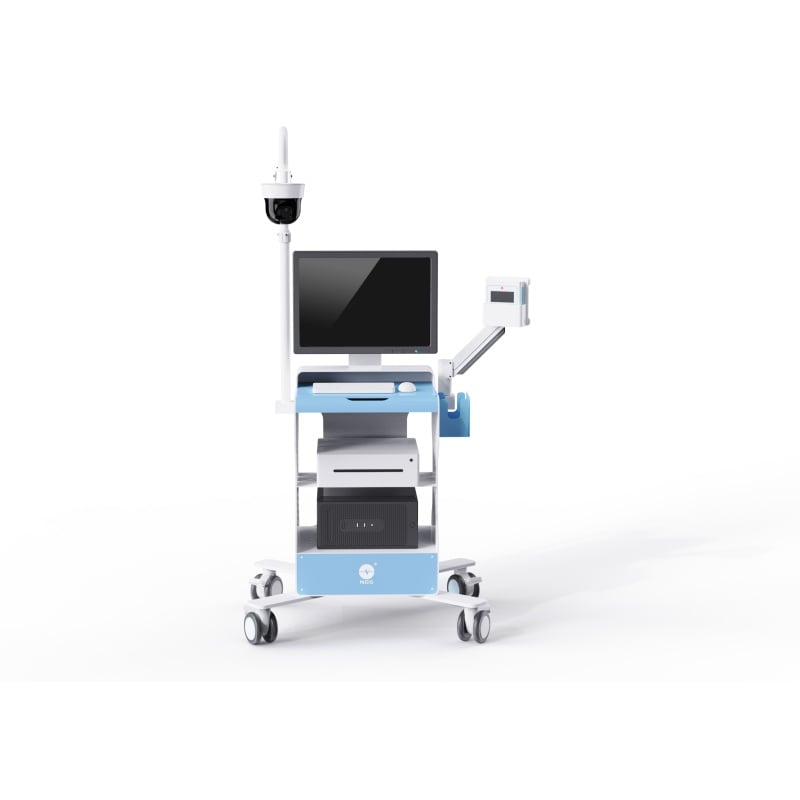
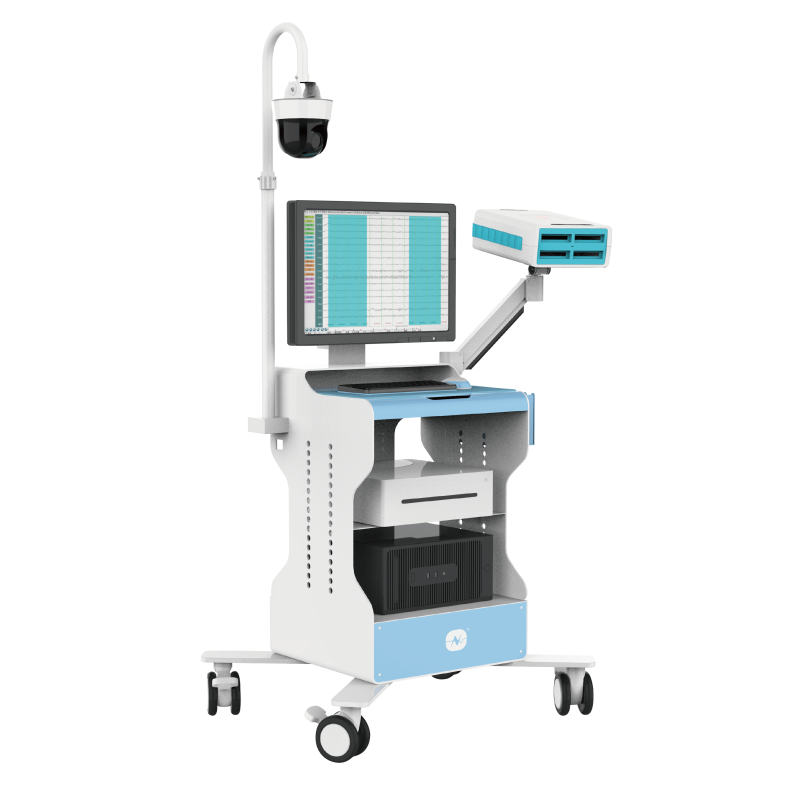
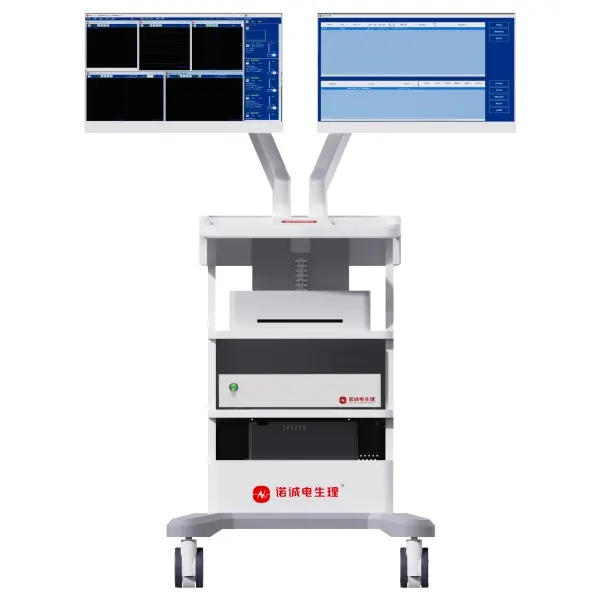
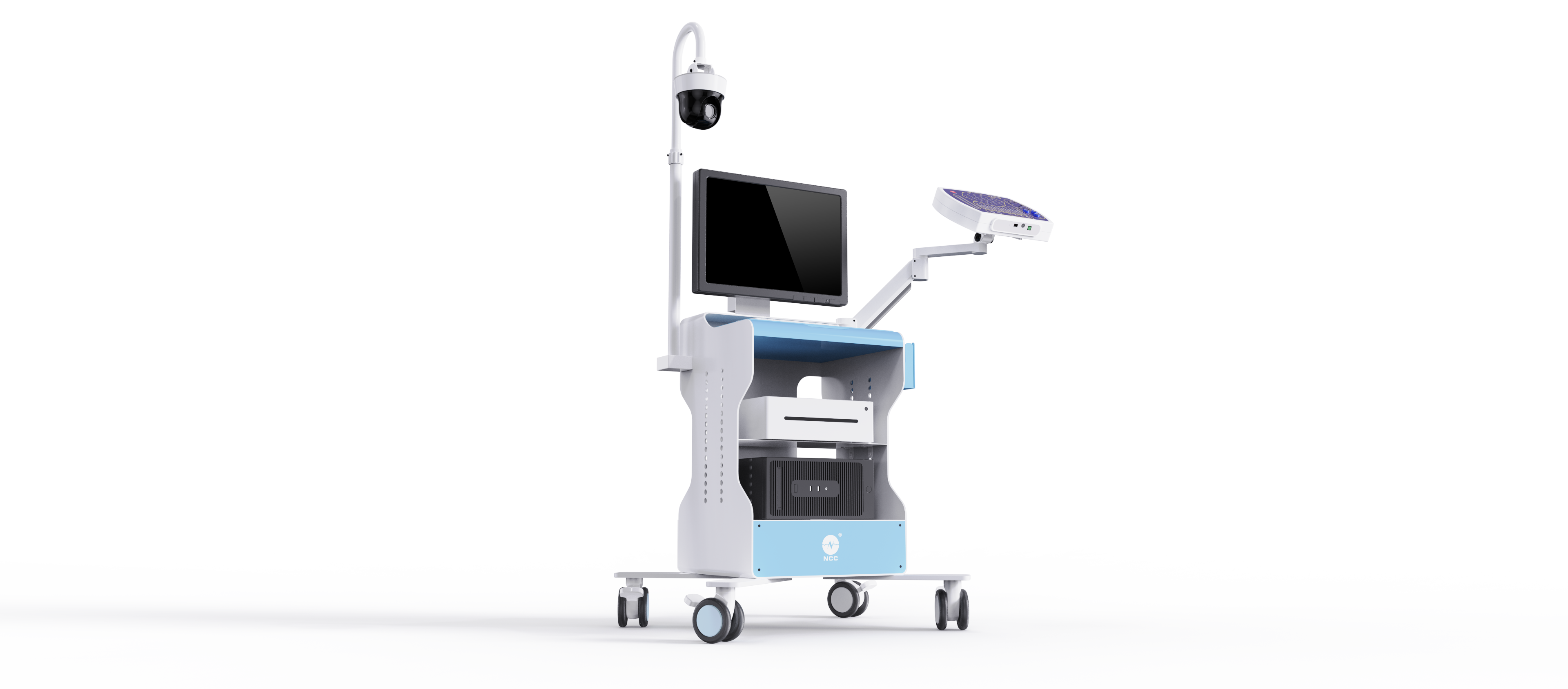
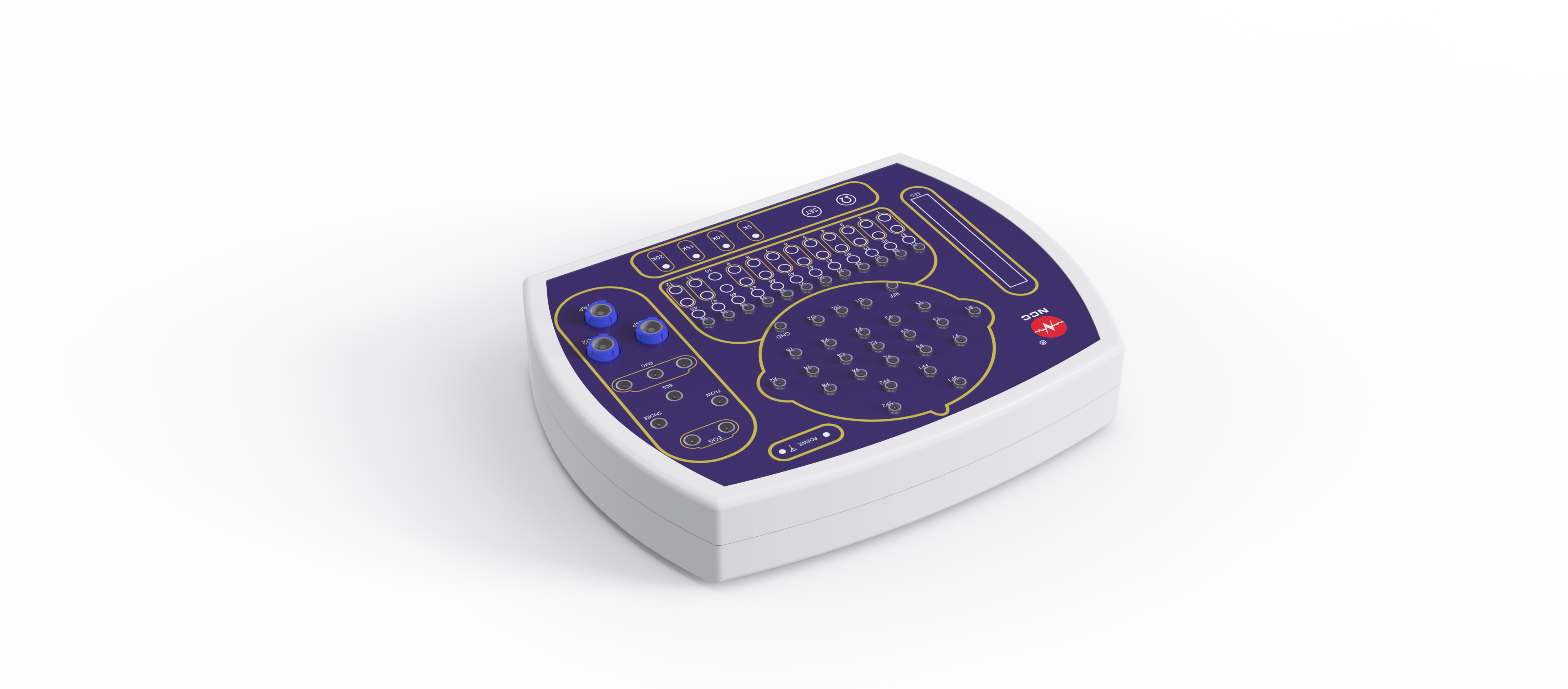
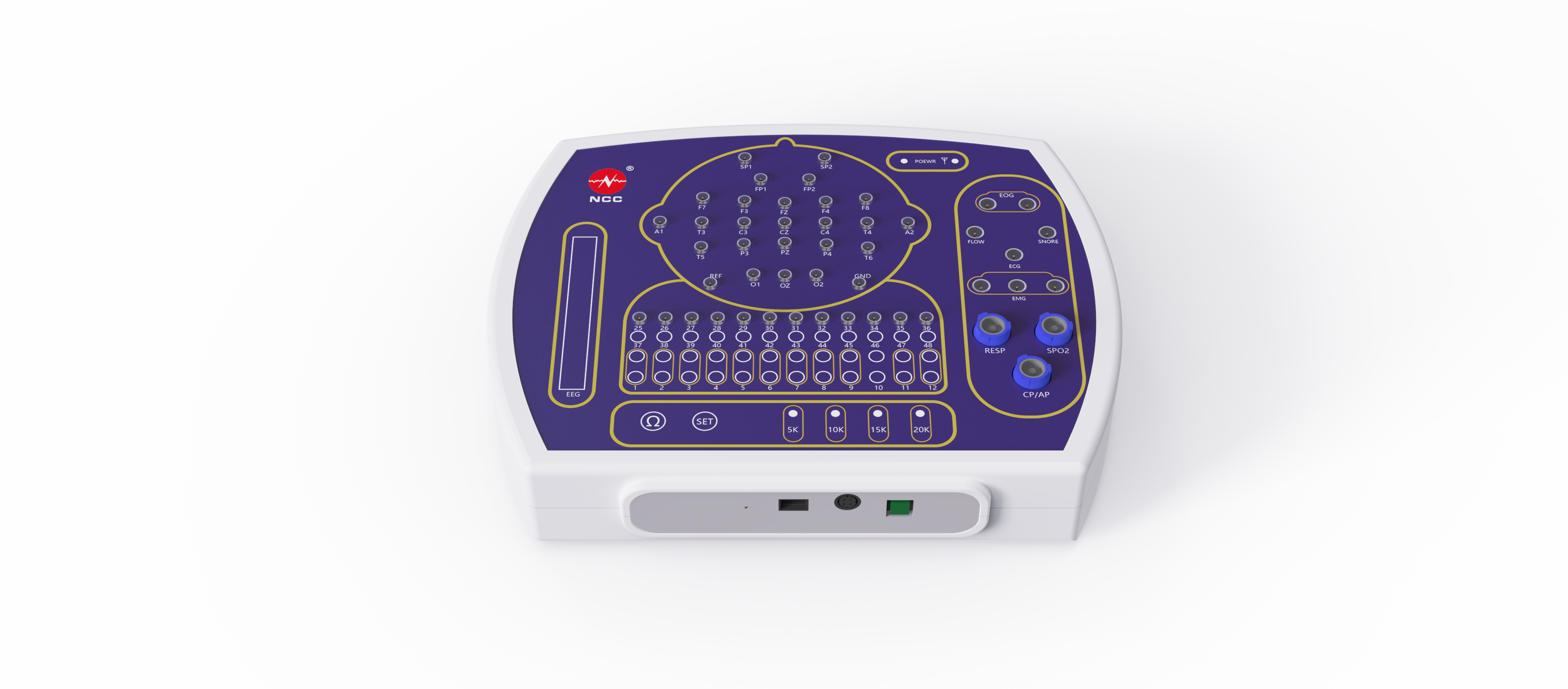
EEG sensors have become indispensable for precise neurodiagnostic and research applications. Modern high-channel EEG sensors deliver full-head coverage with configurations up to 288 channels, providing high-density data for accurate brain network mapping. They support high sampling rates reaching 16kHz or more, enabling detection of fast neural oscillations, high-frequency epileptic spikes, and subtle event-related potentials. Advanced EEG sensors feature wide bandwidth, high input impedance, and active shielding, ensuring clean, reliable signals in clinical, laboratory, and mobile environments. Compatibility with dry, wet, and saline electrodes, along with modular and portable designs, allows flexible deployment across hospitals, research institutions, and long-term monitoring scenarios. Integrated AI analysis, adaptive filtering, real-time detection, and remote monitoring support rapid clinical decision-making and sophisticated neuroscience research.
Get A Quote

EEG Sensor

EEG sensors provide cutting-edge performance tailored for B2B clients in medical and research environments. Their advantages lie in signal fidelity, user-friendly deployment, and integration capabilities with complex clinical and research ecosystems.

High-Fidelity Signal Acquisition for Accurate Diagnostics

Modern EEG sensors feature ultra-high input impedance, high common-mode rejection ratios, and 24-bit analog-to-digital conversion, capturing microvolt-level brain signals with exceptional accuracy. This ensures clinicians and researchers can trust data for critical diagnostics, long-term monitoring, and advanced cognitive studies.

Flexible Deployment and Rapid Wearability

With modular electrode caps, dry and saline electrode compatibility, and lightweight designs, EEG sensors allow fast setup and repeated measurements. Portable and wearable versions enable home-based or ambulatory monitoring, facilitating large-scale studies and continuous patient observation without sacrificing signal quality.

Integrated Intelligence and Multimodal Connectivity

EEG sensors support AI-driven artifact removal, real-time epileptic spike detection, and closed-loop neurofeedback. Synchronization with other physiological signals, TMS devices, and fMRI systems enables multimodal research and clinical applications, providing comprehensive insights into brain function and patient monitoring.

Related Products

EEG sensors are engineered for precision neurodiagnostics and advanced research, integrating state-of-the-art hardware and intelligent software. High-density configurations (32–288 channels) provide full-head coverage, while high sampling rates (16kHz+) capture fast oscillatory activity critical for epilepsy detection and cognitive research. The devices feature high input impedance and active shielding to maintain signal purity in electrically noisy environments. Wide-band recording (DC–1kHz+) supports both slow-wave and high-frequency studies. EEG sensors are compatible with multiple electrode types, including dry, saline, and Ag/AgCl electrodes, ensuring versatility across clinical, research, and ambulatory applications. Advanced sensors include real-time AI filtering, adaptive artifact removal, closed-loop neurofeedback, and remote monitoring capabilities.

About NCC MEDICAL GROUP
NCC MEDICAL GROUP stands as a globally recognized leader in neurodiagnostic and neuro-monitoring solutions, operating at the intersection of precision engineering and clinical excellence. Founded in 1997, NCC has developed extensive expertise in IONM, EEG/PSG, EMG, and medical consumables. Its R&D and manufacturing hub in Shanghai spearheads cutting-edge product development, while the global quality and compliance center in Singapore ensures adherence to international medical standards.

NCC’s corporate structure is strategically divided into R&D & Manufacturing, Global Sales & Export, and Service & Innovation. This tri-pillar model facilitates seamless global operations, rapid product iteration, and responsive customer support. The company has established a robust distribution network reaching over 50 countries, serving 5,000+ hospitals, including top-tier teaching hospitals and regional medical centers. NCC’s mission is safeguarding life and health by advancing safer surgeries, precise diagnostics, and high-quality patient care.

The company invests heavily in professional education, operating 31 training and technical support centers across China and building a global distributor network. The NCC Innovation Academy provides continuous education, fostering multi-disciplinary collaboration to optimize patient outcomes. NCC emphasizes product reliability and precision, leveraging proprietary patented technologies recognized by the government as part of the “Little Giant” SRDI designation — specialized, refined, differential, and innovational.

NCC’s neurodiagnostic devices, including EEG sensors, undergo rigorous quality control, from precision electrode manufacturing to advanced signal processing and cloud-based analytics. The NeuGuard Service Platform ensures responsive maintenance, calibration, and remote monitoring, supporting hospitals and clinics in achieving consistent operational efficiency. With a global footprint across Asia, Australia, Europe, the Americas, and Africa, NCC MEDICAL GROUP combines innovative technology, clinical expertise, and robust service to deliver neurodiagnostic solutions trusted worldwide.

FAQ

How does EEG sensor input impedance affect clinical signal quality?

High input impedance is critical in EEG sensors, as it ensures the amplifier accurately captures microvolt-level brain signals even when electrode contact quality varies. Devices with input impedance above 1 GΩ minimize signal loss due to skin-electrode interface variations, maintaining high fidelity for both dry and wet electrode systems. This capability is essential in clinical settings where patient movement or long-term monitoring could otherwise introduce artifacts, ensuring reliable readings for epilepsy diagnosis, sleep studies, and cognitive assessments.
Modern EEG sensors support multiple synchronization protocols, including TTL, LSL, and TCP/IP, allowing seamless integration with TMS, fMRI, near-infrared spectroscopy, and eye-tracking devices. This hardware-level synchronization ensures millisecond-level temporal alignment of data streams, enabling comprehensive multimodal neurophysiological research. Clinicians benefit from the combined insights, such as mapping brain responses to external stimulation or correlating EEG activity with hemodynamic changes, without manual post-processing.
Yes, EEG sensors are designed for long-term monitoring, offering wearable and lightweight designs, wireless Bluetooth connectivity, and built-in storage for offline recording. Hot-swappable power systems prevent interruptions during extended sessions, and advanced artifact filtering ensures high-quality data throughout. These features allow continuous 24–72-hour recordings in clinical or home environments, ideal for epilepsy monitoring, sleep studies, and cognitive research where consistent, high-fidelity data is required.

More Posts

Technical Standards and OEM Customization Services of Intraoperative Nerve Stimulators for Surgical Precision

05

Mar

Technical Standards and OEM Customization Services of Intraoperative Nerve Stimulators for Surgical Precision

In modern surgery, precision is no longer defined solely by the surgeon’s hand. It is increasingly defined by the reliability of the technologies guiding that hand. The nerve stimulator intraoperative has evolved from an auxiliary device into a...
View More
Clinical Advantages and Supply Chain Assurance of Wireless EEG Devices

05

Mar

Clinical Advantages and Supply Chain Assurance of Wireless EEG Devices

Wireless EEG device technology is redefining the operational boundaries of neurodiagnostics. What was once confined to fixed electroencephalography laboratories is now extending into intensive care units, emergency departments, ambulatory environment...
View More
Compliance and Technical Advantages of Portable EEG Machines: Empowering Efficient Clinical Neuro Monitoring in Healthcare Institutions

05

Mar

Compliance and Technical Advantages of Portable EEG Machines: Empowering Efficient Clinical Neuro Monitoring in Healthcare Institutions

The true value of an eeg machine portable solution is not measured by how small it is, but by how reliably it performs when removed from the controlled environment of a neurophysiology laboratory and placed into the complexity of real clinical care. ...
View More
Technological Innovations and Application Potential of Portable EEG System in Healthcare Institutions

05

Mar

Technological Innovations and Application Potential of Portable EEG System in Healthcare Institutions

Electroencephalography is no longer confined to the neurophysiology laboratory. Over the past decade, the evolution of the portable EEG system has redefined how and where brain function can be monitored. What was once a scheduled, room-boun...
View More

Customer Reviews

Dr. Laura Simmons

"We deployed NCC EEG sensors across multiple clinics, and the results have been transformative. The high-density channels and AI-based artifact filtering provide unparalleled data clarity. Our neurophysiology team can perform long-term monitoring with confidence, and the portability enables home-based patient studies. The real-time trend analysis has greatly reduced diagnostic turnaround time."

Prof. Michael Chen

"NCC’s EEG sensors integrate seamlessly with our TMS and fMRI systems. The synchronization is flawless, allowing our lab to conduct complex multimodal experiments without worrying about timing mismatches. The modular design and remote monitoring features have made large-scale studies significantly easier to manage."

Sarah Johnson

"The rapid setup of EEG sensors using dry electrode caps has been a game-changer in pediatric assessments. Minimal discomfort for children and reliable signals even during movement have improved both compliance and data quality. NCC’s support team has been responsive, ensuring smooth integration into our workflows."

Get a Free Quote

Our representative will contact you soon.
Email
Name
Mobile
Your Role
Company Name
Message
0/1000
Ultra-High Density Multi-Channel EEG Recording

Ultra-High Density Multi-Channel EEG Recording

EEG sensors offer configurations up to 288 channels, providing full-head coverage for accurate network-level brain mapping and high-resolution neurophysiological research.
Integrated AI and Real-Time Signal Processing

Integrated AI and Real-Time Signal Processing

Embedded AI algorithms enable dynamic artifact removal, real-time epileptic spike detection, and adaptive filtering, reducing manual post-processing and improving clinical decision speed.
Wearable, Portable, and Flexible Design

Wearable, Portable, and Flexible Design

Lightweight, modular, and wireless EEG sensors facilitate rapid deployment, home monitoring, and ambulatory studies, supporting long-term, multi-user, and mobile research applications.

Copyright © NCC Medical Co., Ltd.  -  Privacy policy