In the high-stakes environment of complex neurosurgical and orthopedic procedures, Intraoperative Neurophysiological Monitoring (IONM) provides a continuous stream of technical data. However, the true clinical value of this data is not inherent in the waveforms themselves; it is functional. Its worth depends entirely on when it is communicated—and how it is translated into surgical action.
The same electrophysiological finding—such as a significant drop in Motor Evoked Potential (MEP) amplitude—can have drastically different practical implications based on the delivery of the message. To be effective, information must be shared within the "Golden Window":
Effective intraoperative communication is not about adding more noise to an already demanding acoustic environment. It is about precision and purpose. Every message must answer three critical questions for the surgical team:
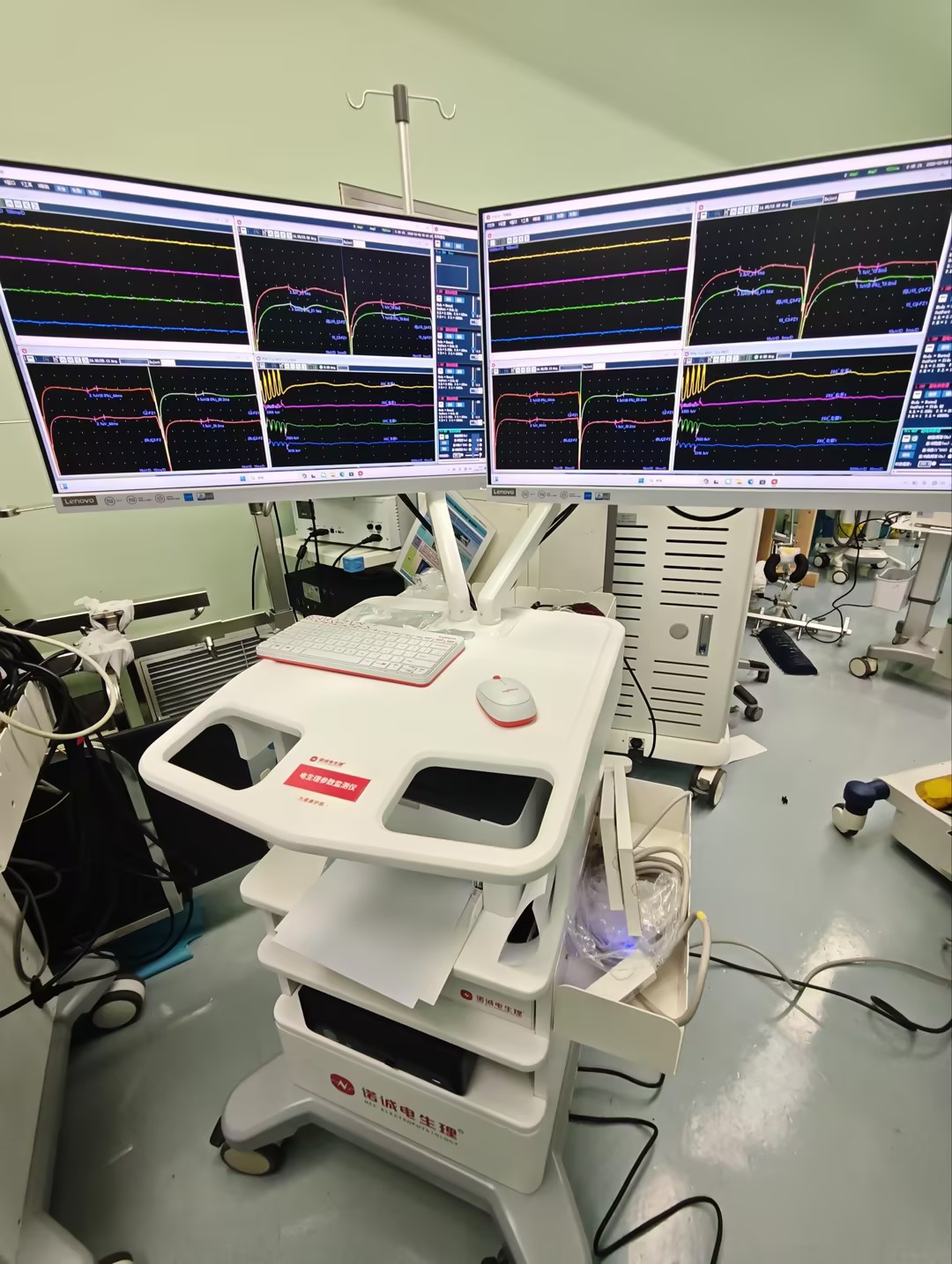
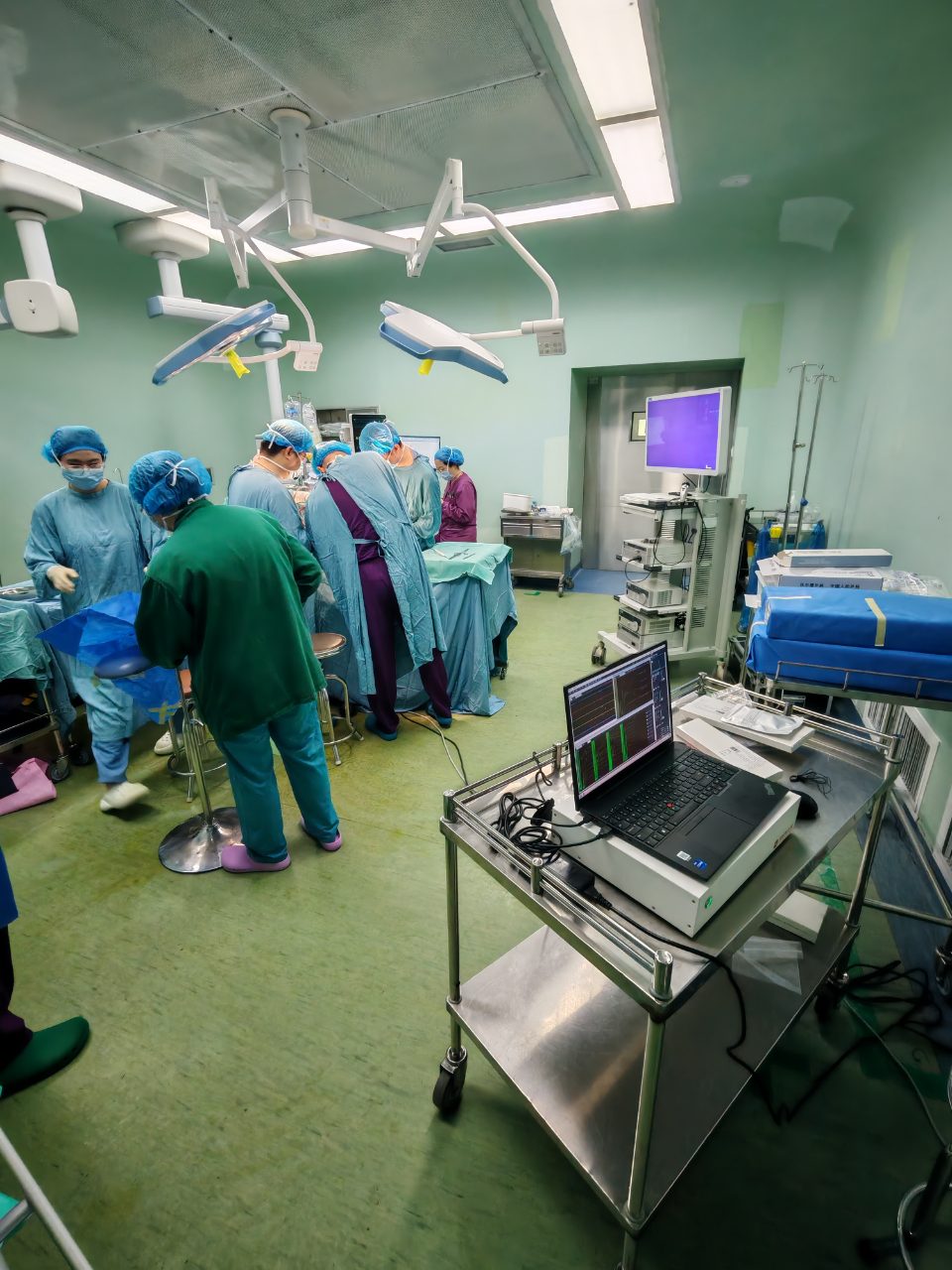
For neurophysiology, anesthesia, and surgical teams, a shared dialogue transforms raw technical observations into a "shared mental model." This synergy allows the entire team to interpret risks and act on them as a single unit. Ultimately, communication is not a supplement to the monitoring workflow; it is the vital component that makes that workflow clinically meaningful and patient-centered.
What makes intraoperative communication timely and useful in your team? How do you define the "Right Moment" in your operating room?
Copyright © NCC Medical Co., Ltd. - Privacy policy
 EN
EN