In intraoperative neurophysiological monitoring (IONM), protocols matter. They provide a reliable framework for preparation, signal acquisition, escalation, documentation, and communication. By establishing consistency in recurring situations, they help teams align around clear expectations and a shared way of working.
Yet a protocol is not the whole of professional practice.
Every procedure unfolds within a specific clinical, technical, and human context. Signal quality, anaesthetic conditions, patient history, positioning, surgical stage, baseline variability, and changes over time may all influence how an observation is understood. Experienced practitioners contribute by recognising when that context warrants closer attention—and by bringing disciplined judgement to the workflow already in place.
This is not an argument for replacing standardisation with intuition. It is an argument for understanding the distinct value of both.
Well-designed protocols help teams make routine practice more consistent and transparent. They can clarify what should be prepared, what should be recorded, when an observation should be communicated, and how key information should be escalated.
That structure is especially important in high-stakes environments. It reduces avoidable variation, supports collaboration across disciplines, and makes it easier for teams to review how a situation was managed.
But protocols are necessarily designed around patterns. They cannot anticipate every interaction between a patient's physiology, the technical environment, and the course of surgery.
Professional judgement begins where a team must move beyond asking, “Does this meet the expected pattern?” to asking, “What might this mean in this situation?”
Experienced practice can help teams:
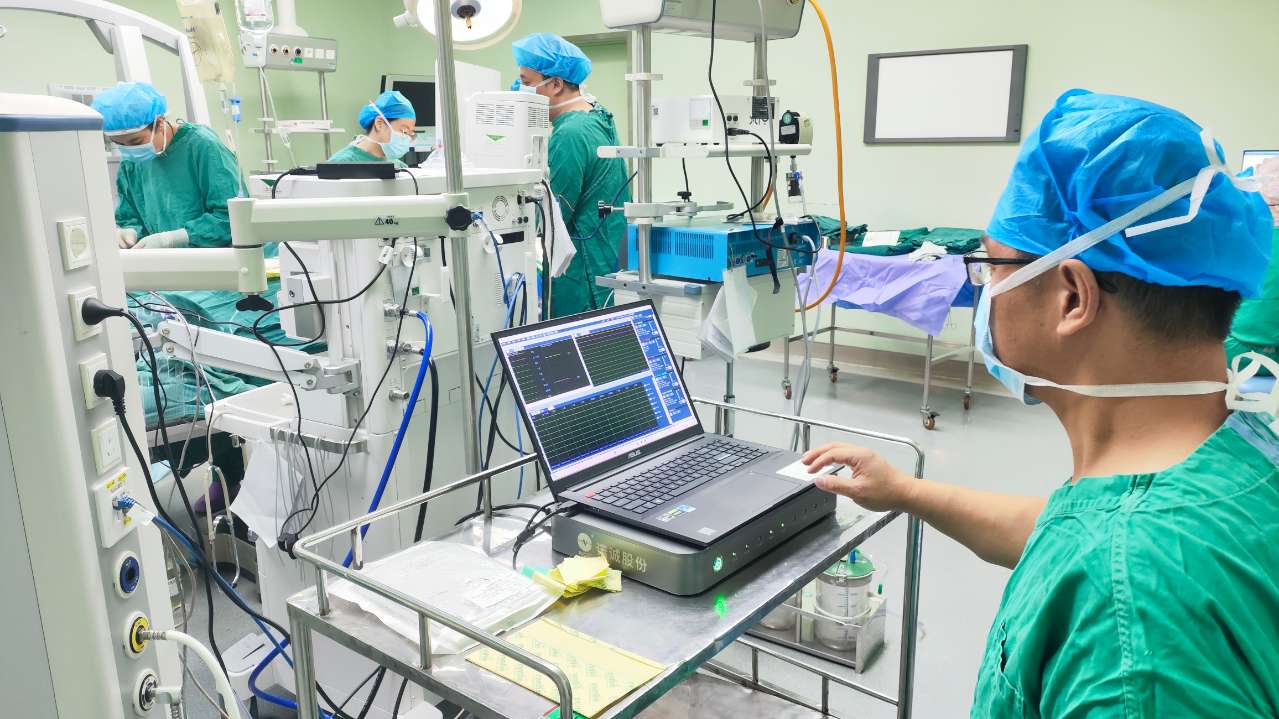
Professional judgement should not be treated as an informal substitute for process. Its value is strongest when it operates within a structured workflow.
A protocol can establish the steps for responding to an observation. Experience helps practitioners assess the significance of that observation, determine which questions require attention, and communicate the situation in a way that is useful to the wider team.
This balance matters. Standardisation provides a common language and dependable baseline. Judgement brings situational awareness, proportion, and interpretive discipline when circumstances are less straightforward.
Teams can strengthen this balance by making space for structured reflection alongside procedural compliance. This may include reviewing notable cases, discussing communication decisions, identifying recurring sources of uncertainty, and updating local processes when lessons emerge.
The objective is not to make every decision subjective. It is to ensure that professional insight is recognised, discussed, and translated into better practice over time.
For IONM teams, the most resilient workflows are neither rigid nor improvised. They are clear enough to support consistency and thoughtful enough to accommodate the realities of clinical practice.
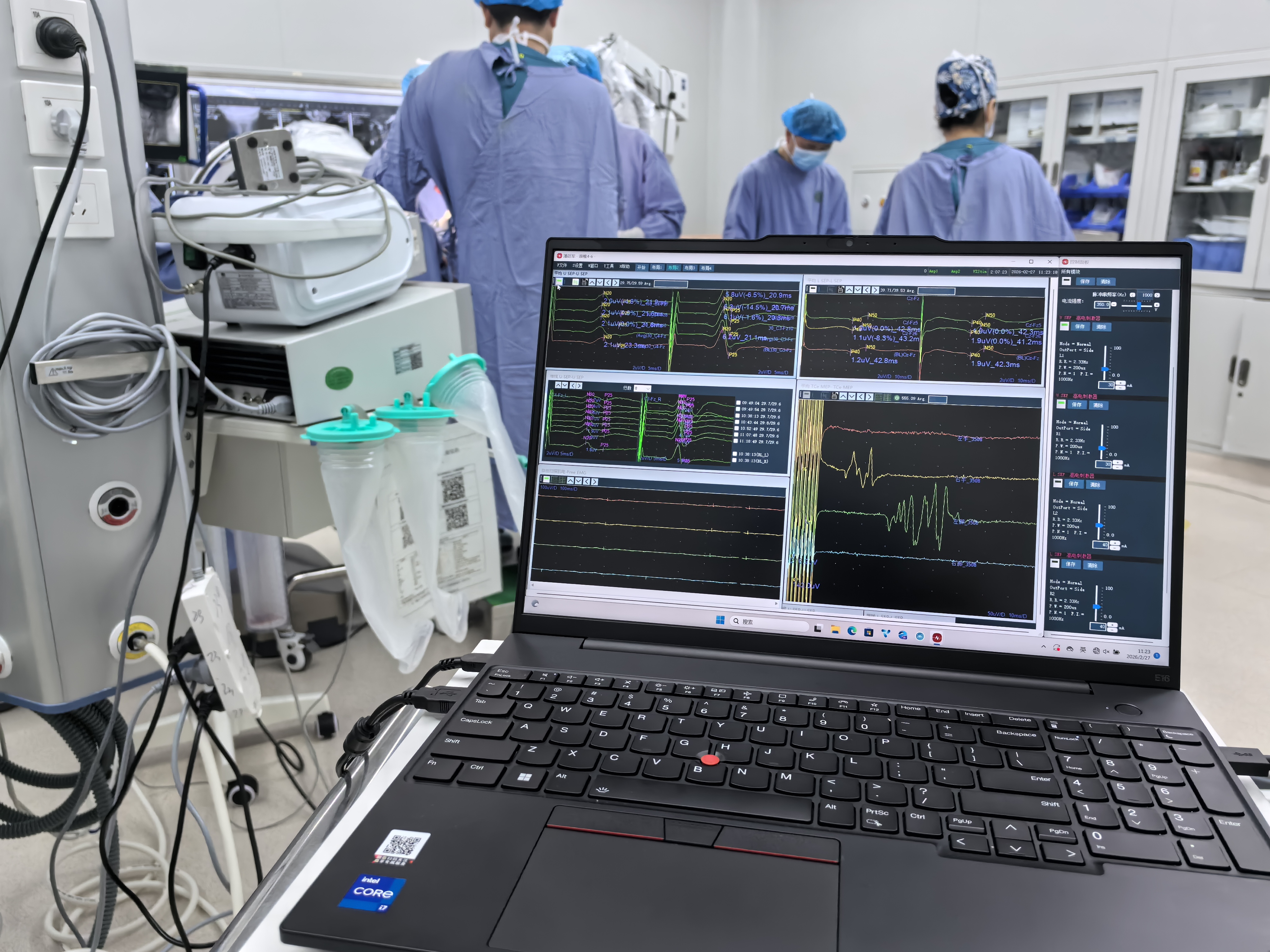
At NCC MEDICAL, we recognise that effective IONM practice depends on more than following a sequence of steps. It depends on bringing sound technical processes together with careful interpretation, clear communication, and an ongoing commitment to learning.
Protocols guide the process. Professional experience helps teams understand the significance of what unfolds within it.
What has experience taught your team that a protocol alone cannot capture?
Copyright © NCC Medical Co., Ltd. - Privacy policy
 EN
EN