
Medical technology advances through engineering, clinical insight and sustained investment in people. New devices and digital tools may begin in laboratories, but their long-term value depends on professionals who understand how technology is developed, evaluated and applied in real healthcare environments.
At NCC Medical, we believe that preparing this next generation of professionals requires more than classroom learning alone. It requires a closer connection between education and the practical challenges of the medical technology industry.
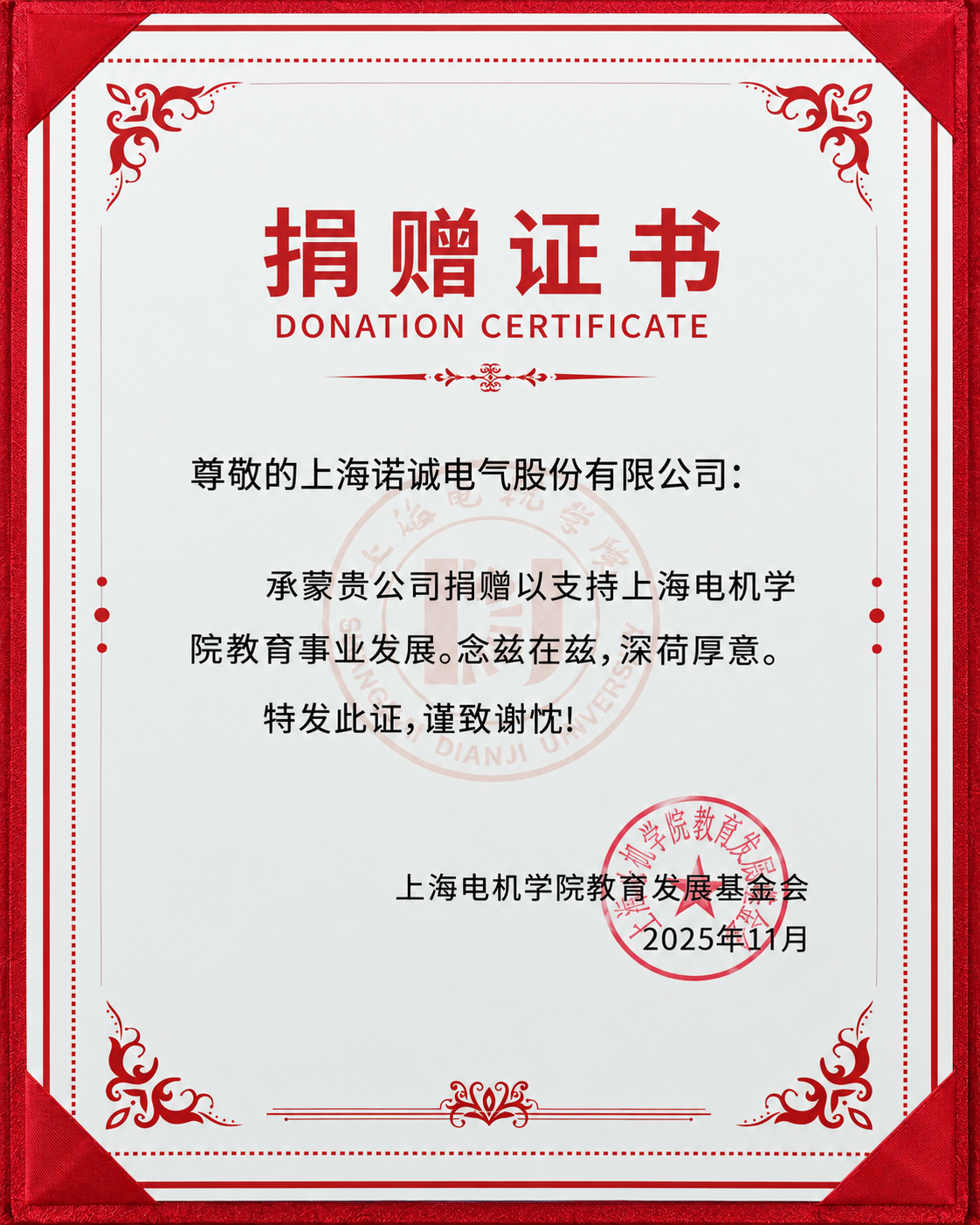
Our collaboration with Shanghai DianJi University reflects this commitment. Through industry–education collaboration, NCC Medical supports the university’s educational development while creating opportunities for students to gain practical exposure through internships and professional roles. This partnership helps connect academic foundations with the working realities of a fast-evolving MedTech sector.
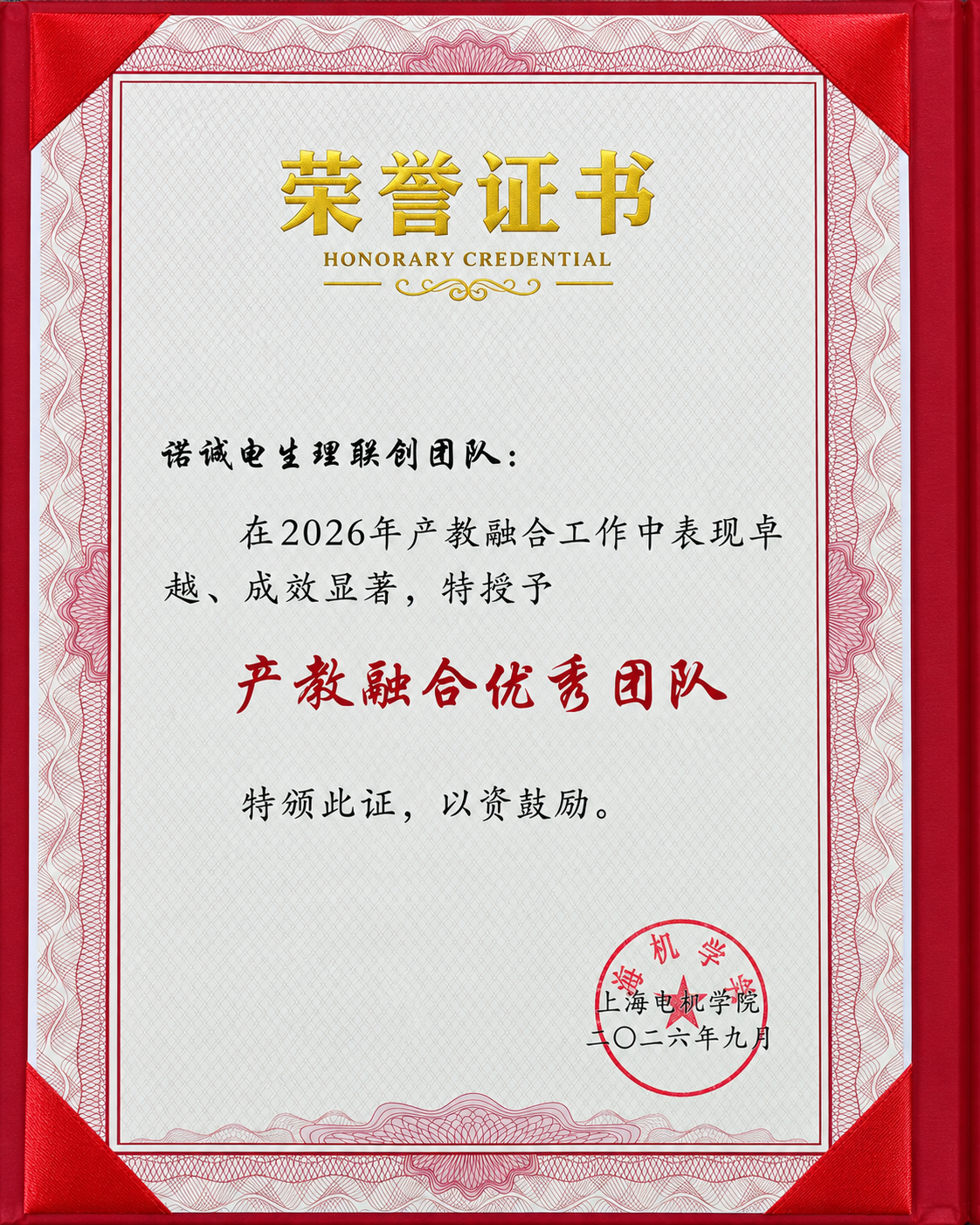
We are honored to have received recognition from Shanghai DianJi University for our contribution to industry–education integration and our support for educational development. For NCC Medical, this recognition is not an endpoint. It is encouragement to continue building meaningful connections between education, technology and industry experience.
The medical technology industry operates at the intersection of multiple disciplines. Product development may involve electrical engineering, software, signal processing, clinical application, manufacturing, quality management, regulatory affairs, sales and technical support. Professionals entering the sector must therefore be able to look beyond a single technical function.
They need to understand how a product responds to clinical needs, how design decisions affect usability, how quality requirements shape development, and how technical solutions are supported throughout their lifecycle. They also need the ability to communicate across teams with different professional backgrounds.
These capabilities are difficult to develop through theory alone. They grow when students have the opportunity to observe professional workflows, ask practical questions, understand organizational responsibilities and reflect on how academic knowledge is used in the workplace.
For this reason, university–industry collaboration has an important role to play in the development of future MedTech talent. It can help students form a clearer understanding of the industry while allowing companies to contribute practical perspectives to education.
At NCC Medical, we see the value of industry–education collaboration in three connected areas.
Academic study provides the foundation for understanding engineering principles, data, systems and technology. Practical experience helps students see how these foundations are applied in professional settings.
Through exposure to the workplace, students can become familiar with the expectations of professional teams, the importance of process discipline and the need to communicate clearly when working on complex technical tasks. They can also develop a more grounded understanding of how medical technology companies respond to clinical requirements and customer needs.
Practical learning does not replace academic education. It extends it by connecting knowledge with context.
Internships and early-career opportunities can provide students with a structured bridge between university and employment. They allow students to explore different professional directions, identify their strengths and develop the habits required for long-term growth.
For a MedTech company, this process is also an opportunity to introduce students to the standards and responsibilities of the industry. Medical technology requires attention to detail, respect for quality systems, awareness of regulatory expectations and a strong sense of responsibility toward healthcare professionals and patients.
When students are given meaningful opportunities to learn, contribute and receive guidance, internship experience can become part of a longer talent-development pathway rather than a short-term placement.
The value of collaboration extends beyond student development. Universities and companies can learn from each other as technology and industry needs evolve.
Universities bring educational expertise, research capacity and a long-term perspective on knowledge development. Companies bring experience from product development, manufacturing, customer support and market application. By maintaining an open dialogue, both sides can gain a clearer understanding of emerging skills, changing technologies and future professional requirements.
This exchange is particularly important in medical technology, where innovation must be connected with real-world usability, quality and responsible application.
NCC Medical specializes in neurophysiology technologies and solutions, including intraoperative neuromonitoring, electroencephalography, electromyography, rehabilitation technologies and related medical consumables. Our work brings together engineering, manufacturing, clinical application, quality management and international market support.
This multidisciplinary environment provides a practical context for students to understand how different functions contribute to a medical technology business.
Product development is not an isolated engineering activity. It begins with identifying clinical and user needs, continues through design, testing and quality control, and extends into training, technical service and ongoing application support. Each stage requires collaboration between people with different forms of expertise.
By engaging with industry, students can gain a more complete view of this process. They can begin to understand that a successful medical technology solution must be technically sound, clinically relevant, usable in practice and supported by responsible processes.
Recognition from Shanghai DianJi University affirms the value of NCC Medical’s contribution to industry–education integration and educational development. We appreciate the university’s trust and the opportunity to participate in a collaboration focused on student growth and the future needs of the industry.
At the same time, we understand that recognition carries responsibility. It encourages us to continue improving the quality of our collaboration, strengthening practical learning opportunities and creating more meaningful connections between students and the MedTech workplace.
The future of medical technology will depend not only on new products, but also on the people who design, test, manufacture, explain, support and responsibly apply them. Building this talent requires a shared effort.
NCC Medical will continue exploring ways to work with universities and educational institutions to support practical learning, early-career development and knowledge exchange.
Our collaboration with Shanghai DianJi University is part of a broader commitment to connect education with industry practice. By bringing academic learning closer to real professional challenges, we hope to help students develop a clearer view of the MedTech sector and the opportunities it offers.
We also believe that the strongest partnerships are built over time. They are sustained through communication, practical cooperation and a shared willingness to learn. When universities and companies develop together, students gain a stronger foundation for their careers, while the industry gains the people and perspectives it needs to move forward responsibly.
For NCC Medical, the direction is clear: continue supporting education, continue investing in people and continue building the capabilities that will help advance medical technology in the years ahead.

Copyright © NCC Medical Co., Ltd. - Privacy policy
 EN