EN
EN

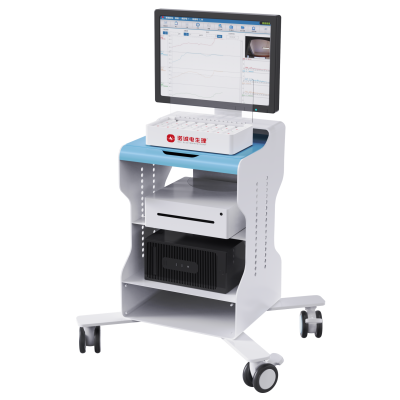
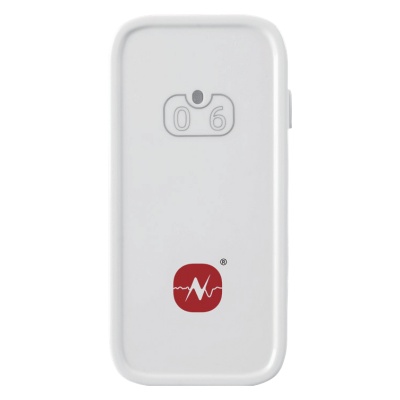
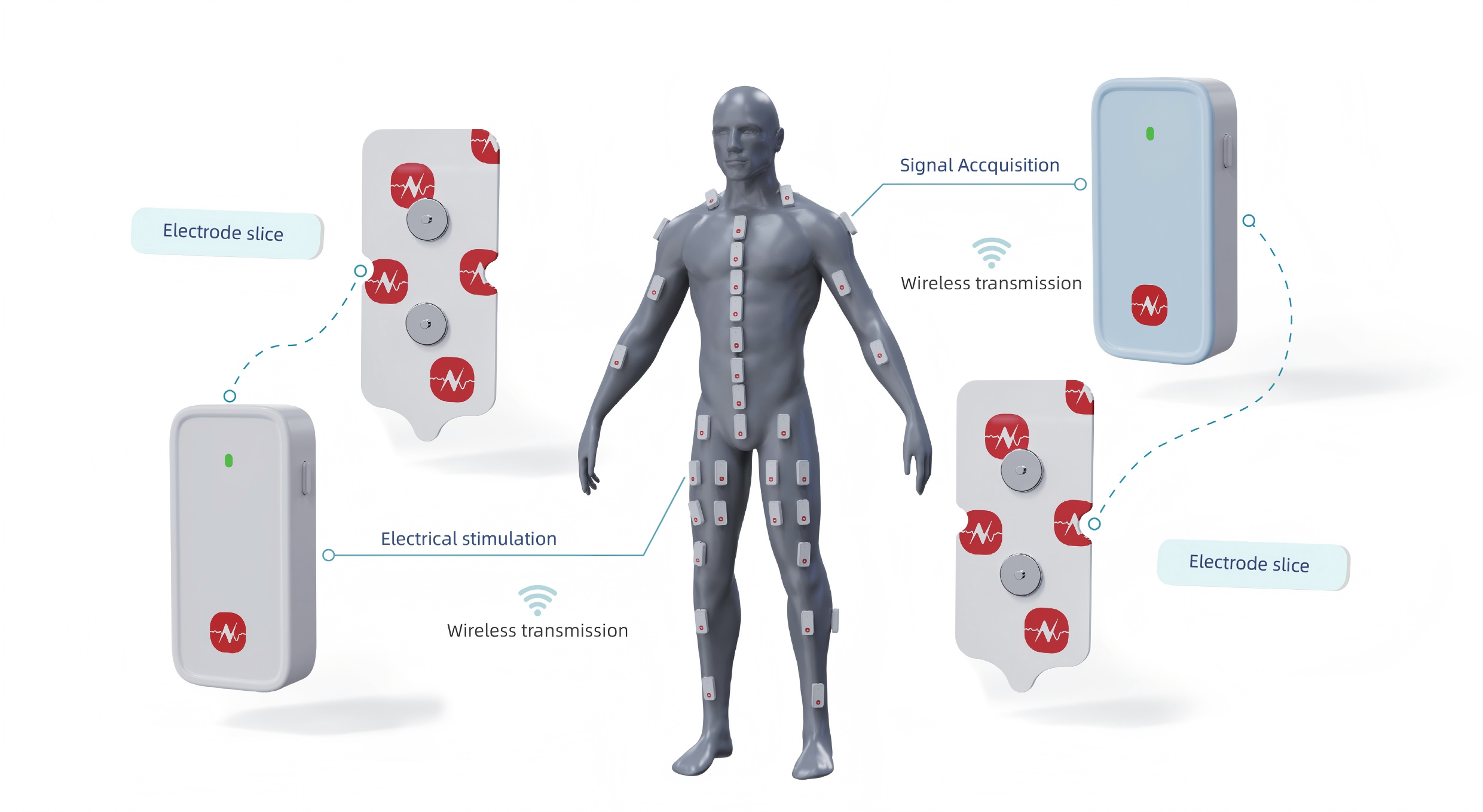
Wireless Surface Electromyograph
Streamlined Muscle Assessment & Stimulation – Anytime, Anywhere

Description
Key Features:
- Simultaneous Multi-ChannelsEMG:
Acquires and records bioelectric signals from up to 16 channels, capturing data from multiple muscle groups at once.
- Neuromuscular Stimulation:
Stimulates up to 16 areas simultaneously with customizable stimulation parameters for precise treatment.
- Wireless Convenience:
Seamless wireless connectivity for easy use in any clinical environment.
- Portable Power:
Powered by long-lasting lithium batteries for maximum mobility.
- Intuitive Operation:
Provides real-time voice and text prompts for effortless operation and monitoring.
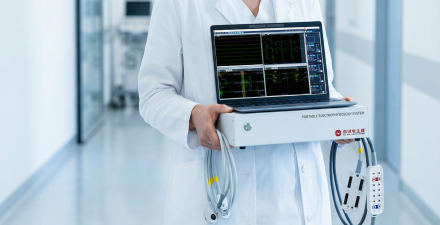
Centered on wireless WIFI transmission and multi-channel synchronous acquisition, it features high-precision electromyographic (EMG) signal capture and strong anti-interference capability. It enables quantitative evaluation of muscle strength, muscle tone and the degree of muscle damage, supports gait analysis and multimedia game-based training, and is adaptable to scenarios such as rehabilitation therapy and sports medicine, providing scientific data support for the formulation of personalized training programs.
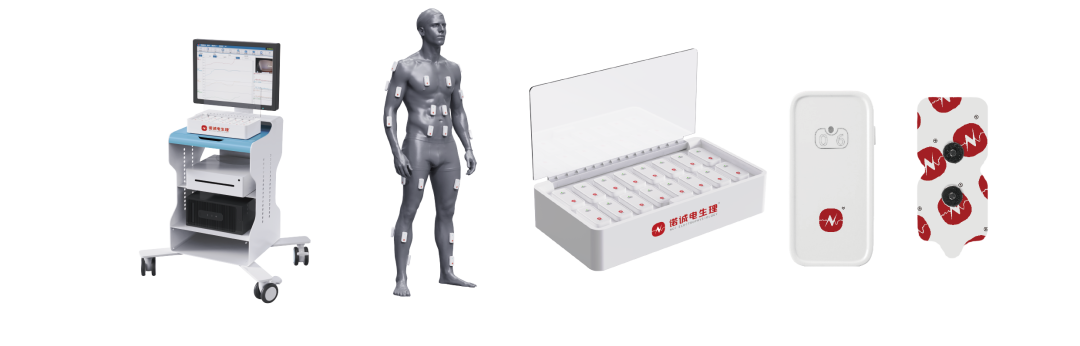
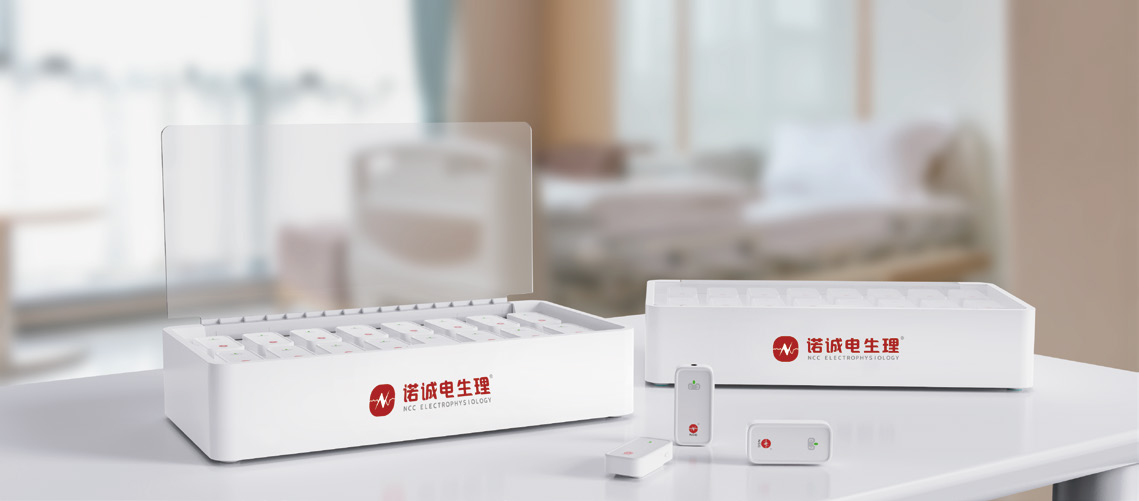
The device is compact and portable, supporting dynamic data storage, playback and professional report generation, and meeting the dual needs of clinical assessment and daily dynamic monitoring. Boasting high-performance multi-channel acquisition capability, it enables synchronous acquisition of 1–16 channels and flexible switching between multiple combination modes including 16+16, 14+2, 12+4, 8+8, 8+2 and 8+4, allowing a single device to cover surface electromyography (sEMG) needs across all scenarios.
Advantage
Market Challenge: Biofeedback training has a single form and low interest. Patients are prone to resistance to long-term training with poor rehabilitation compliance, which in turn affects the training effect.
NCC Solution:Deeply integrate biofeedback training with multimedia games, improve the interest through gamified training form, and effectively enhance patients' rehabilitation training compliance.
Market Challenge: The electrode cables of traditional devices are split type, which need to be connected and fixed one by one when wearing with cumbersome operation. It takes a long time to wear for patients with low compliance such as children and hemiplegia.
NCC Solution:The hardware adopts integrated electrode cables without the need for one-by-one connection, which greatly simplifies the wearing process, shortens the operation time and improves the user experience of medical staff and patients.
Market Challenge:The device has a complex operation interface and scattered functional modules. Medical staff need professional training to master the operation, resulting in high learning costs for medical staff in primary medical institutions.
NCC Solution:The software adopts a modular design with a clear functional layout and easy clinical operation. It has built-in standardized evaluation schemes without complex professional training, enabling medical staff to get started quickly and reducing the learning and use costs of primary medical institutions.
Technical Specifications
|
Channel Acquisition |
1–16 channels |
|
Passband |
15–1000 Hz |
|
CMRR |
≥120 dB |
|
DMI Impedance |
≥5MΩ |
|
Noise |
≤1 μV (r.m.s.) |
|
Resolution |
≤2 μV |
|
Display Sensitivity |
0.05µV~5000µV |
|
Scanning Speed |
Adjustable to 0.1s/D, 0.2s/D, 0.3s/D, 0.5s/D, 1s/D, 2s/D, 3s/D, 5s/D, 10s/D, 20 s/D (with an error not exceeding ±10%) |
|
Current Stimulation |
1–100 mA, Setting Resolution: 1 mA, with an error not exceeding ±10% (at a load impedance of 500 Ω) |
|
Current Stimulation Pulse Width |
50–500 μs Adjustable; ≤70 μs, with an error not exceeding ±10 μs; >70 μs, with an error not exceeding ±10%. |