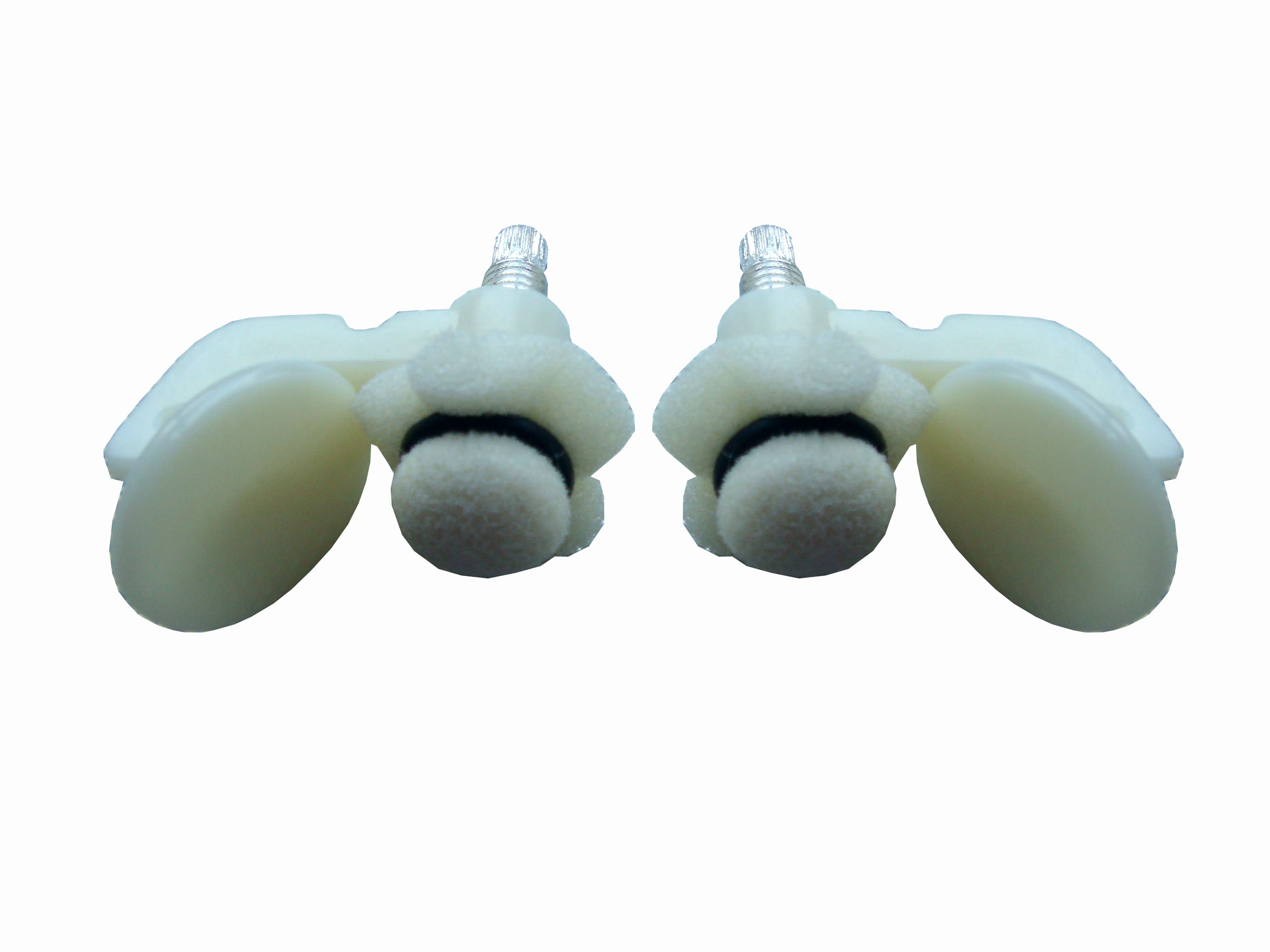
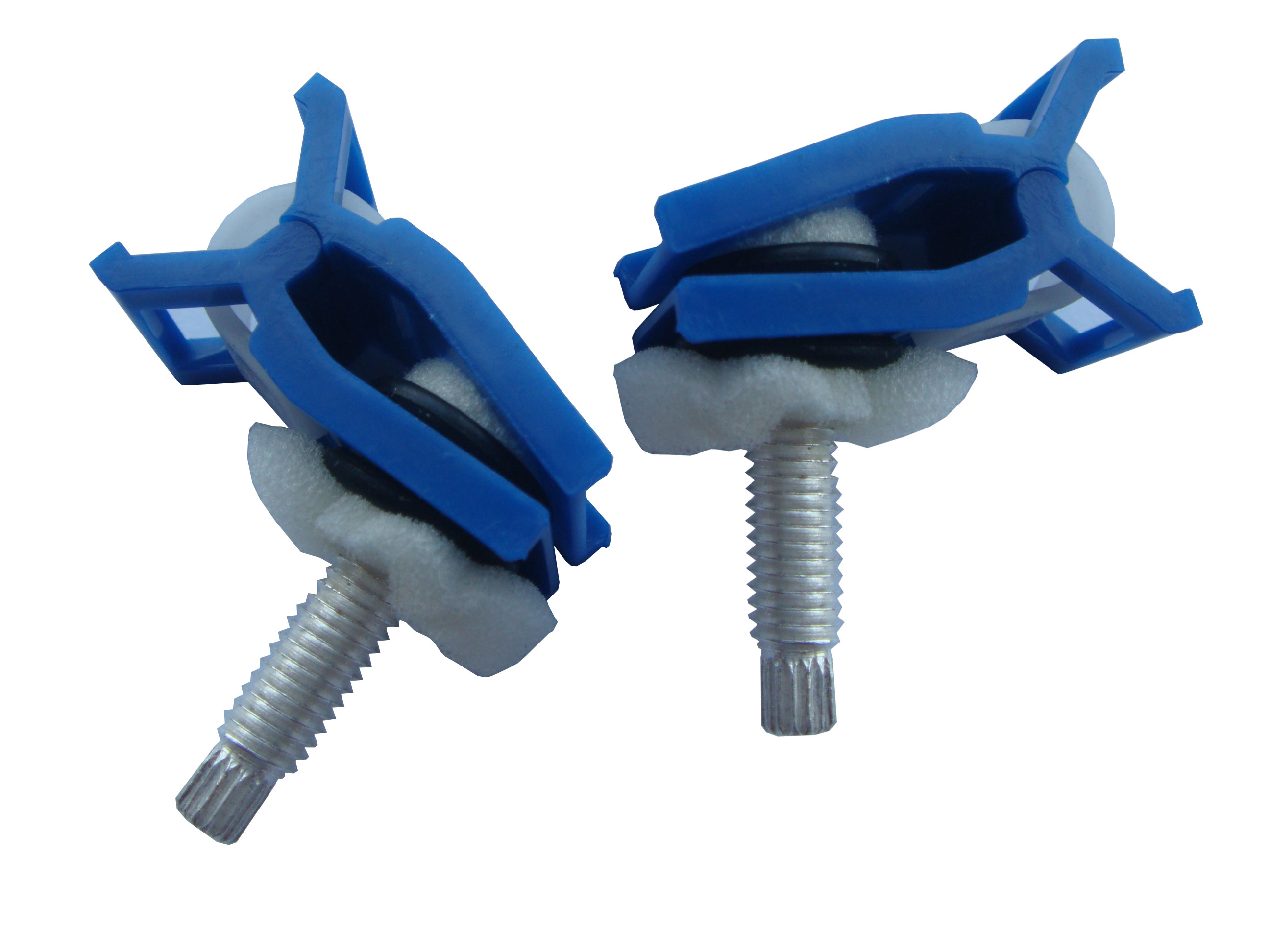
EEG Electrodes: Ultra-Low Impedance Ag/AgCl for Clinical Neurodiagnostics

All Categories

High-Precision EEG Electrodes for Clinical Neurodiagnostics and Long-Term Brain Monitoring Systems

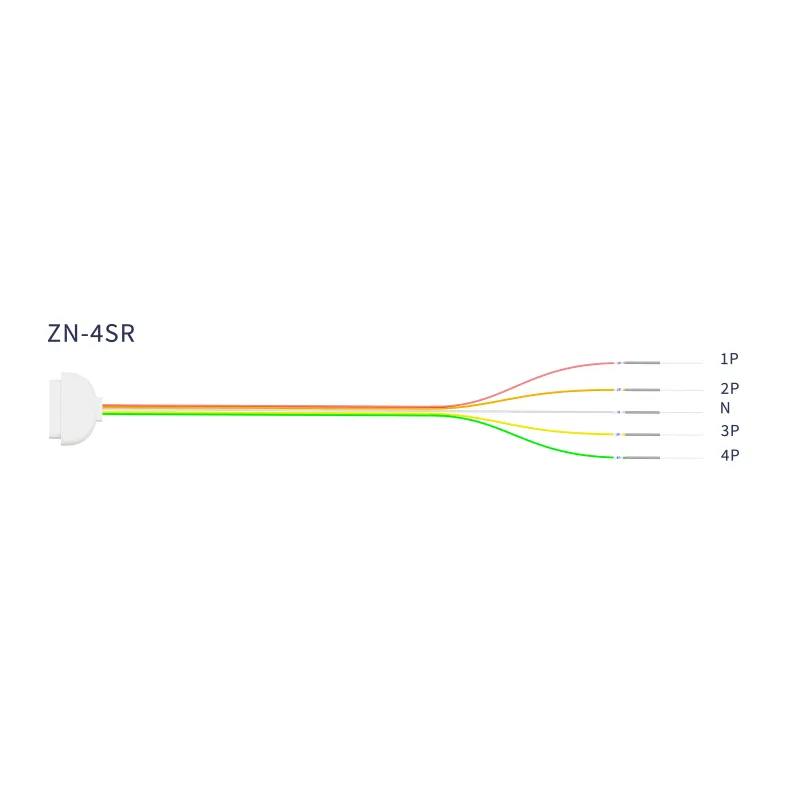
EEG electrodes are the fundamental interface between the human scalp and modern neurophysiological monitoring systems. In clinical environments such as epilepsy diagnostics, sleep laboratories, neuro-ICU monitoring, and intraoperative neurophysiology, the performance of EEG electrodes directly determines signal fidelity, diagnostic accuracy, and patient safety. High-quality EEG electrodes must deliver low impedance, minimal polarization, excellent long-term stability, and strong resistance to environmental noise. Modern EEG electrodes integrate advanced materials such as sintered Ag/AgCl, conductive polymers, and biocompatible medical silicone. These materials significantly reduce electrode-skin interface impedance and suppress baseline drift, ensuring accurate acquisition of microvolt-level neural signals.
Get A Quote

Eeg Electrodes

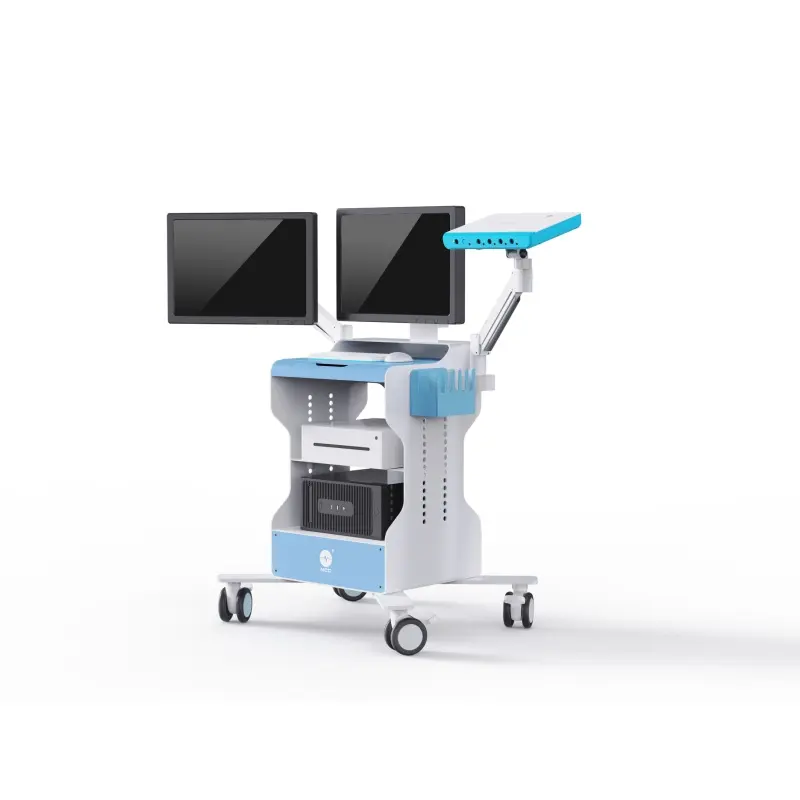
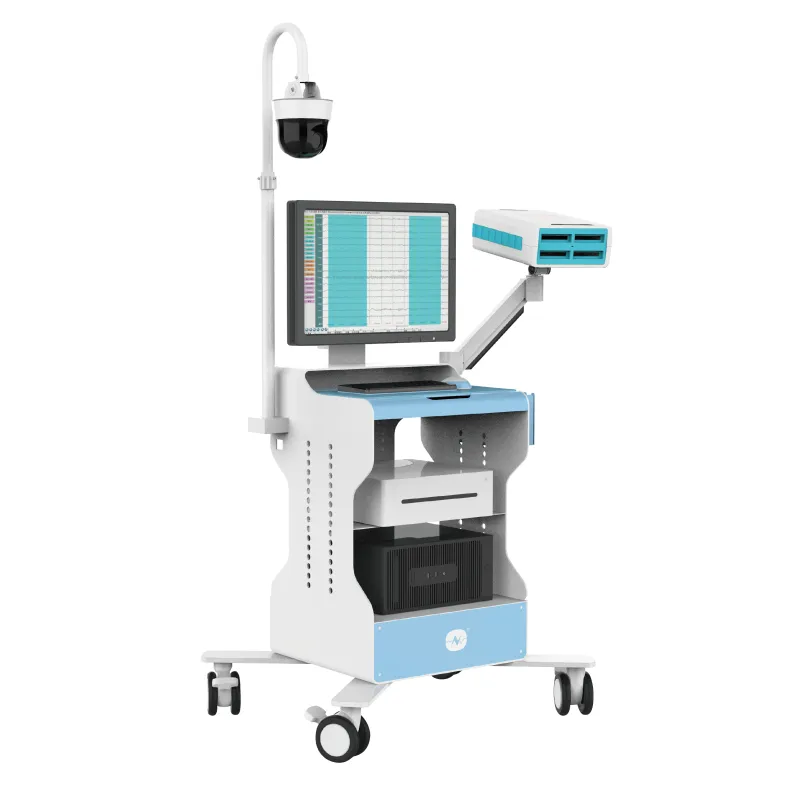
In modern neurophysiology laboratories, the reliability of EEG electrodes determines the overall quality of brain signal acquisition. Hospitals, research institutes, and medical device distributors require EEG electrodes that provide stable impedance, superior material durability, and seamless compatibility with EEG monitoring systems. High-performance EEG electrodes combine advanced electrode materials, ergonomic structural design, and intelligent signal optimization technologies. These features ensure that EEG electrodes deliver consistent signal integrity even in challenging environments such as intensive care units, operating rooms, and long-term sleep monitoring laboratories.

Ultra-Low Impedance Signal Interface for Accurate Brainwave Recording

High-quality EEG electrodes utilize sintered silver/silver-chloride materials that significantly reduce electrode-skin impedance and provide a stable electrochemical interface. This ultra-low impedance performance ensures that EEG electrodes capture subtle neural signals without distortion or signal loss. In clinical practice, maintaining impedance levels below 5kΩ helps reduce environmental noise and baseline drift. As a result, EEG electrodes enable neurologists and researchers to obtain high-resolution brainwave recordings that support accurate diagnosis of epilepsy, sleep disorders, and neurological conditions.

Advanced Biocompatible Materials for Safe Long-Term Monitoring

Modern EEG electrodes are manufactured using medical-grade materials certified under international biocompatibility standards. Materials such as medical stainless steel, titanium alloys, and medical silicone are carefully selected to prevent skin irritation, allergic reactions, or cytotoxicity. These biocompatible EEG electrodes allow patients to undergo long-duration EEG monitoring, sometimes exceeding 72 hours, without discomfort or skin damage. For neonatal and pediatric applications, specialized EEG electrodes use ultra-soft adhesives and flexible substrates to ensure safe contact with delicate skin while maintaining reliable signal acquisition.

Innovative Structural Designs for Stable Contact and Reduced Motion Artifacts

EEG electrodes increasingly incorporate flexible substrates, microneedle arrays, and active shielding technology to enhance signal stability. Flexible EEG electrodes conform closely to the natural curvature of the scalp, reducing movement-induced artifacts during monitoring. Microneedle-based EEG electrodes penetrate only the outermost stratum corneum layer, enabling low-impedance recording without conductive gel. Active electrodes with built-in amplification circuits also minimize electromagnetic interference from surrounding equipment. These innovations ensure that EEG electrodes deliver stable signals in dynamic clinical environments such as sleep monitoring and ICU monitoring.

Related Products

EEG electrodes are essential medical consumables used to record electrical activity from the brain during electroencephalography procedures. High-quality EEG electrodes are engineered using advanced manufacturing techniques and precision materials to ensure reliable neural signal acquisition in both clinical and research environments. Modern EEG electrodes often employ sintered Ag/AgCl technology, widely recognized as the gold standard for electrophysiological recording. This material provides exceptional electrochemical stability and extremely low polarization, enabling EEG electrodes to maintain consistent performance during prolonged monitoring sessions. The electrode surface is carefully polished and treated to minimize interface impedance while maximizing signal clarity.

About NCC MEDICAL GROUP

NCC Medical Group is a globally recognized manufacturer specializing in neurodiagnostic and neuromonitoring technologies. Established in 1997, the company has built a strong reputation for innovation, engineering excellence, and reliable medical solutions that support modern neurological diagnostics and surgical monitoring. Over the past two decades, NCC has continuously expanded its expertise in the fields of electroencephalography, electromyography, polysomnography, and intraoperative neuromonitoring systems.

NCC operates a dual-center operational model designed to ensure both technological innovation and strict quality management. The company’s primary research and manufacturing center is located in Shanghai, China, where multidisciplinary teams of biomedical engineers, neuroscientists, and manufacturing specialists collaborate to develop advanced neurophysiology technologies. This facility focuses on core product design, component development, and precision manufacturing of neurodiagnostic devices and consumables.

Complementing this research base is NCC’s global quality and compliance hub located in Singapore. This center oversees international regulatory compliance, product certification, and global distribution coordination. Through this strategic structure, NCC ensures that its medical technologies meet rigorous international standards and can be seamlessly deployed in healthcare institutions worldwide.

A key milestone in NCC’s development is its recognition as a National “Little Giant” enterprise under the SRDI designation. SRDI represents Specialized, Refined, Differential, and Innovational enterprises that demonstrate strong technological capabilities and patented innovations. This recognition reflects NCC’s commitment to continuous research and its leadership in the neurophysiology equipment sector.

Today, NCC’s product portfolio includes EEG systems, EMG diagnostic equipment, intraoperative neuromonitoring platforms, polysomnography systems, and a comprehensive range of neurodiagnostic consumables such as electrodes, sensors, and monitoring accessories. These solutions are widely used in neurology departments, epilepsy centers, sleep laboratories, and surgical operating rooms.

NCC’s clinical technologies have been deployed in more than fifty countries, with extensive adoption across thousands of hospitals and medical centers. From leading academic hospitals to regional healthcare facilities, NCC solutions support clinicians in improving diagnostic precision and enhancing patient safety.

In addition to product development, NCC invests heavily in professional education and service infrastructure. The company operates over thirty training and technical support centers across China, offering hands-on training programs for clinicians, biomedical engineers, and distributors. Through the NCC Innovation Academy and the NeuGuard service platform, healthcare providers receive continuous professional education, technical consultation, and system optimization support.

Looking toward the future, NCC is actively expanding its global distribution network and strengthening partnerships with international healthcare providers. By integrating advanced neurophysiology technologies with reliable manufacturing capabilities, NCC continues to contribute to safer surgeries, more accurate neurological diagnostics, and improved patient outcomes worldwide.

FAQ

What factors determine the signal quality of EEG electrodes in clinical neurodiagnostic systems?

Signal quality in EEG electrodes depends on several critical factors including electrode material, impedance stability, skin contact consistency, and environmental noise suppression. High-grade EEG electrodes typically use sintered Ag/AgCl materials, which provide a stable electrochemical interface with minimal polarization. This allows EEG electrodes to maintain accurate signal transmission even during long monitoring sessions. Another key factor is electrode-skin impedance; lower impedance levels reduce electrical noise and improve signal clarity. Proper skin preparation, electrode placement following the international 10-20 system, and the use of conductive gels or advanced dry-electrode technologies also contribute to reliable brain signal acquisition.
Dry EEG electrodes have advanced significantly in recent years and are increasingly used in both research and clinical settings. Unlike traditional wet EEG electrodes that require conductive gel, dry electrodes use conductive polymers, micro-structured surfaces, or microneedle arrays to establish electrical contact with the scalp. These EEG electrodes significantly reduce preparation time and simplify clinical workflows. While wet electrodes may still provide slightly lower impedance in some diagnostic applications, modern dry EEG electrodes deliver comparable signal quality for many monitoring scenarios, including sleep studies, ambulatory EEG monitoring, and rapid neurological screening.
Proper maintenance of EEG electrodes is essential to ensure consistent performance and infection control. After each use, reusable EEG electrodes should be carefully cleaned to remove conductive gel and biological residues. Hospitals typically use medical-grade disinfectants such as 70–75% alcohol or approved enzymatic cleaning solutions. Many EEG electrodes are designed with corrosion-resistant materials that allow immersion or wiping disinfection without degrading electrode performance. Following cleaning, electrodes should be thoroughly dried and stored in sterile containers. Regular inspection of cables, connectors, and electrode surfaces is also recommended to maintain optimal signal quality.

More Posts

Technical Advantages, Compliance Requirements, and Procurement Strategies for Subdermal Needle

05

Mar

Technical Advantages, Compliance Requirements, and Procurement Strategies for Subdermal Needle

In the hierarchy of medical devices, the subdermal needle is often perceived as a simple commodity. In reality, it is one of the most clinically sensitive invasive consumables used across neurophysiology, pain management, and rehabilitation medicine....
View More
Technical Features and Compliance Procurement Strategies for Concentric EMG Needles

05

Mar

Technical Features and Compliance Procurement Strategies for Concentric EMG Needles

Concentric EMG needle electrodes are among the most frequently used consumables in clinical neurophysiology, yet they are often underestimated in technical complexity. In routine electromyography, the difference between a clean motor unit potential a...
View More
Compliance and Technical Advantages of Portable EEG Machines: Empowering Efficient Clinical Neuro Monitoring in Healthcare Institutions

05

Mar

Compliance and Technical Advantages of Portable EEG Machines: Empowering Efficient Clinical Neuro Monitoring in Healthcare Institutions

The true value of an eeg machine portable solution is not measured by how small it is, but by how reliably it performs when removed from the controlled environment of a neurophysiology laboratory and placed into the complexity of real clinical care. ...
View More
Compliance Audit and Procurement Considerations for Ambulatory EEG Equipment in Tender Agency

05

Mar

Compliance Audit and Procurement Considerations for Ambulatory EEG Equipment in Tender Agency

Public tender projects for ambulatory EEG equipment are rarely decided by marketing narratives or clinical demonstrations. They are decided by line-by-line technical verification. In most public hospital tenders, evaluation panels are composed primar...
View More

Customer Reviews

Dr. Michael Turner

“We integrated these EEG electrodes into our epilepsy monitoring unit and immediately noticed improvements in signal stability and reduced preparation time. The impedance performance of these EEG electrodes is excellent, and our technicians appreciate the consistent contact quality. For long-term monitoring cases lasting more than 48 hours, these EEG electrodes remain comfortable for patients while maintaining reliable signal acquisition.”

Sophia Ramirez

“As a biomedical engineer responsible for equipment procurement, I evaluate many suppliers of EEG electrodes. NCC’s products stand out because of their build quality and compatibility with different EEG systems. The electrode materials are durable, and the connectors are precisely manufactured. Our hospital has standardized these EEG electrodes across multiple departments including neurology and sleep laboratories.”

Prof. Daniel Fischer

“In our neuroscience research lab we require EEG electrodes capable of capturing very subtle neural signals. These electrodes provide stable impedance and extremely low noise levels. The flexible designs are particularly helpful when conducting long-term cognitive experiments. Overall, the EEG electrodes offer excellent performance for both clinical and research applications.”

Get a Free Quote

Our representative will contact you soon.
Email
Name
Mobile
Your Role
Company Name
Message
0/1000
Advanced Ag/AgCl Material Technology for High-Fidelity EEG Recording

Advanced Ag/AgCl Material Technology for High-Fidelity EEG Recording

These EEG electrodes are manufactured using high-purity sintered silver/silver-chloride materials that deliver exceptional electrochemical stability and extremely low polarization characteristics. This technology ensures consistent signal transmission and minimizes baseline drift during long-term monitoring sessions. By maintaining stable electrode-skin impedance, the EEG electrodes provide reliable data acquisition essential for neurological diagnostics and research studies.
Flexible and Ergonomic Designs for Long-Duration Patient Monitoring

Flexible and Ergonomic Designs for Long-Duration Patient Monitoring

Modern EEG electrodes incorporate flexible polymer substrates and soft biocompatible materials that conform naturally to the shape of the patient’s scalp. This ergonomic design improves patient comfort and reduces motion artifacts caused by head movements. Hospitals performing sleep studies, epilepsy monitoring, or ICU brain monitoring benefit from EEG electrodes that remain stable and comfortable during extended monitoring periods.
Intelligent Electrode Technologies for Next-Generation Neurodiagnostic Systems

Intelligent Electrode Technologies for Next-Generation Neurodiagnostic Systems

Next-generation EEG electrodes integrate advanced technologies such as active signal amplification, impedance monitoring, and digital signal conversion. These intelligent features allow EEG electrodes to enhance signal quality at the acquisition point and reduce interference from cables or surrounding medical equipment. As neurodiagnostic technology continues to evolve, these smart EEG electrodes play an increasingly important role in high-precision brain monitoring systems.

Copyright © NCC Medical Co., Ltd.  -  Privacy policy