AI-Powered EEG Recording System for Hospitals & Research Labs

All Categories

High-Performance EEG Recording System for Hospitals and Research Labs with AI Signal Analysis

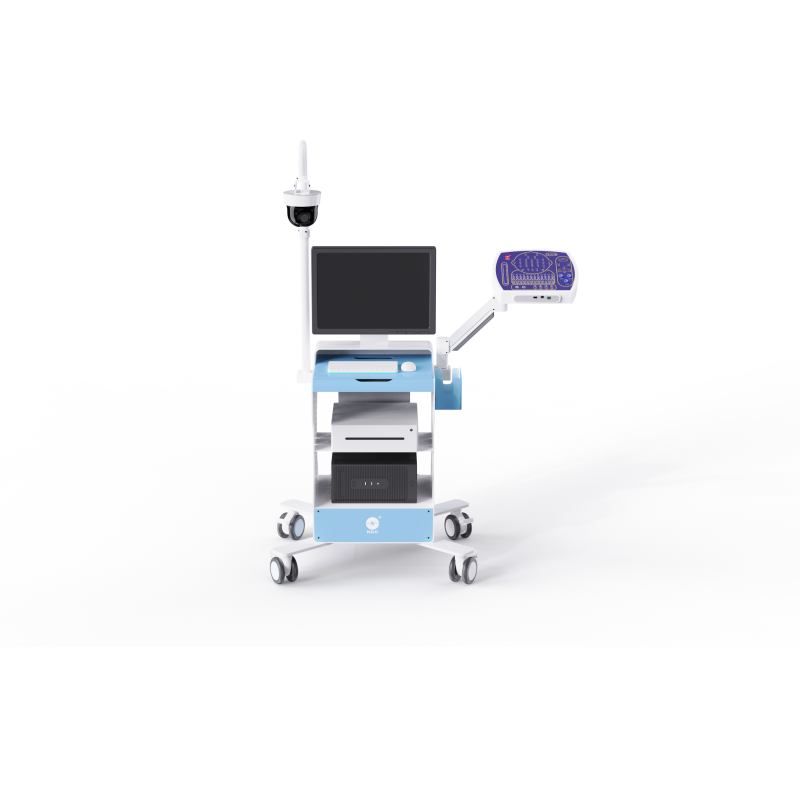
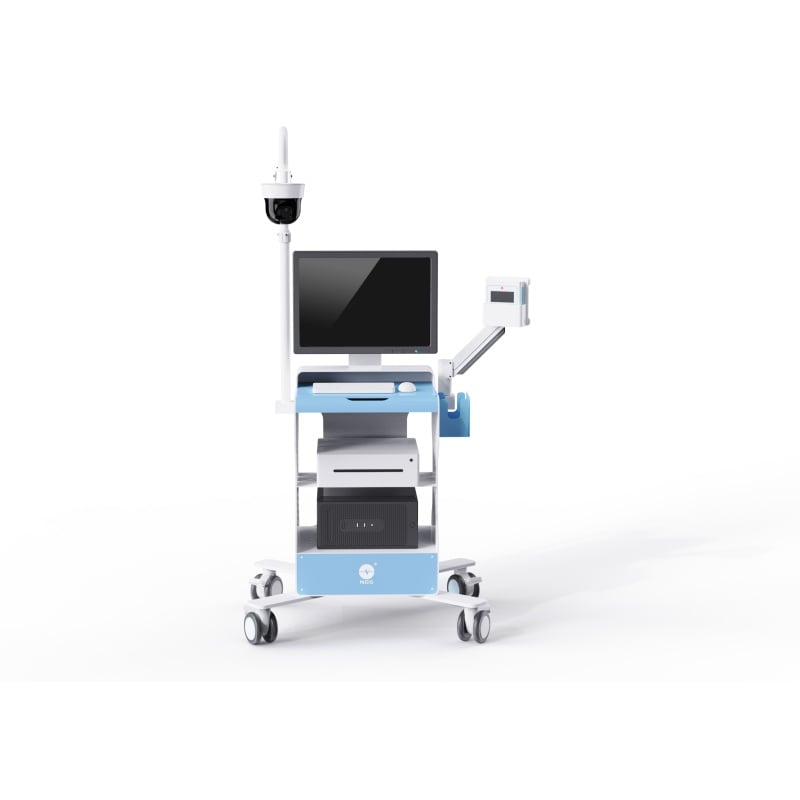
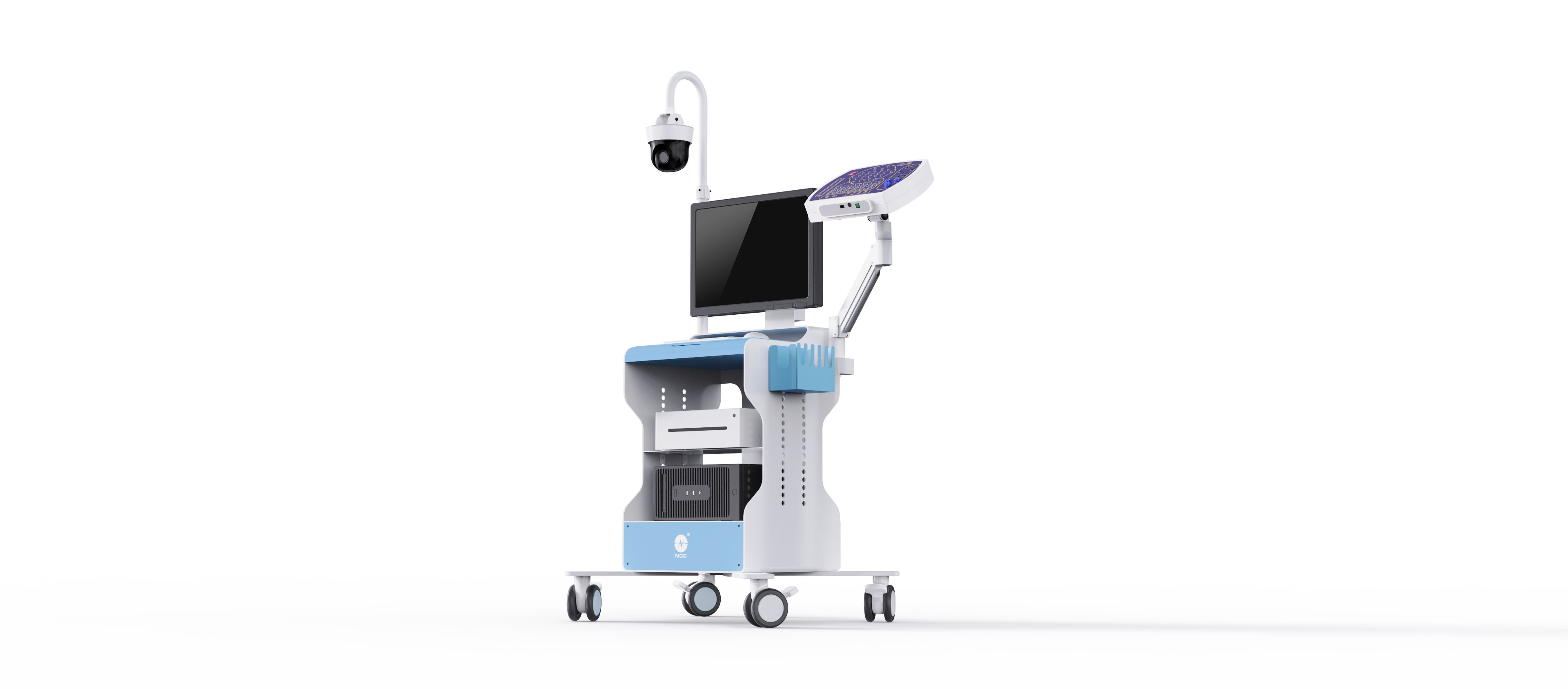
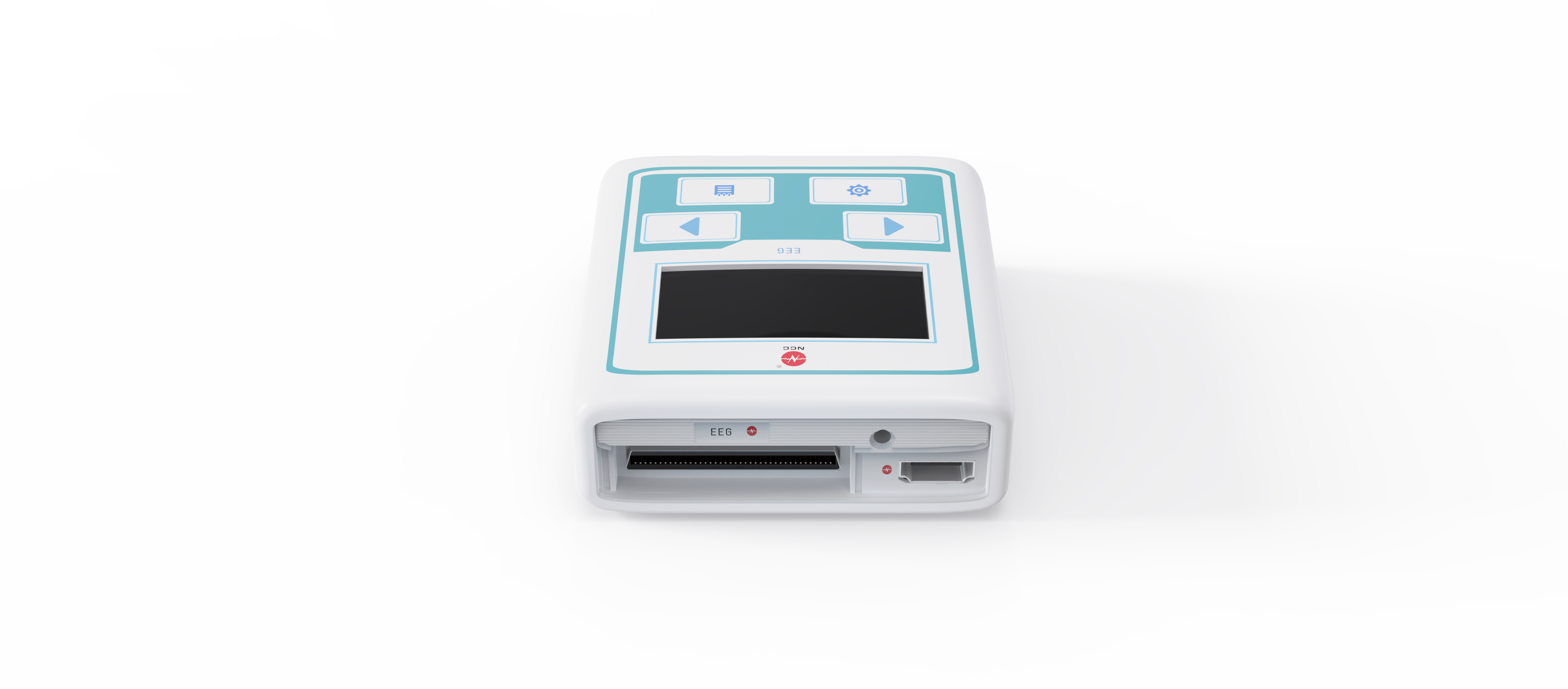
An advanced EEG Recording System is a critical infrastructure component for hospitals, neurology centers, and neuroscience research institutions. Modern neurodiagnostic environments demand high-density channel acquisition, ultra-wide bandwidth, and reliable signal fidelity across diverse clinical scenarios. The NCC EEG Recording System integrates high-resolution amplifiers, wireless data transmission, and multi-modal physiological synchronization to deliver accurate and stable brain signal acquisition. Designed for both clinical monitoring and advanced neuroscience research, the EEG Recording System supports channel configurations ranging from 32 to 288 channels, enabling full-brain spatial coverage and network-level neural analysis. Ultra-high sampling rates up to 100kHz allow precise capture of high-frequency oscillations, while AI-powered artifact removal ensures clean signals even in high-interference environments such as ICUs or MRI facilities.
Get A Quote

EEG Recording System

For hospitals and neuroscience laboratories, selecting the right EEG Recording System directly influences diagnostic accuracy, workflow efficiency, and long-term research capability. Modern neurophysiology applications require high-resolution signal acquisition, reliable hardware stability, and intelligent data analysis capabilities. The NCC EEG Recording System addresses these requirements by combining advanced amplifier technology, high-density electrode integration, and AI-based signal optimization. Beyond traditional EEG equipment, the system supports multi-modal physiological monitoring, wireless data transmission, and scalable channel expansion, making it suitable for large clinical networks and advanced neuroscience research centers. With precise signal fidelity and modular design, the EEG Recording System allows institutions to expand their capabilities without replacing existing infrastructure.

High-Density Channel Architecture Enables Full-Brain Neural Mapping

The NCC EEG Recording System supports channel configurations from 32 to 288 channels, providing comprehensive spatial coverage of brain activity. High-density electrode integration allows clinicians and researchers to capture network-level neural dynamics with exceptional spatial resolution. Compared with conventional systems, the high-density design significantly reduces interpolation errors and enables accurate localization of epileptic discharges, cognitive neural patterns, and brain network connectivity. For hospitals and neuroscience institutes conducting advanced neurodiagnostic procedures, the high-density architecture of the EEG Recording System ensures precise and reproducible signal acquisition across diverse clinical environments.

Ultra-Wide Bandwidth and High Sampling Rate Ensure Accurate Neural Signal Capture

A defining advantage of the NCC EEG Recording System is its ultra-wide bandwidth and high-speed sampling capability. With sampling rates reaching up to 100kHz and bandwidth extending from DC to 20kHz, the system captures both ultra-slow cortical potentials and high-frequency oscillations. This capability is critical for advanced epilepsy research, anesthesia monitoring, and cognitive neuroscience experiments. The high-performance amplifier architecture ensures low baseline noise and high signal-to-noise ratio, enabling the EEG Recording System to capture microvolt-level brain signals with remarkable accuracy. For research laboratories and clinical neurophysiology departments, this translates into more reliable diagnostics and deeper neurological insights.

AI-Driven Artifact Removal and Multi-Modal Synchronization Improve Data Reliability

In real-world clinical environments, EEG signals are frequently affected by artifacts such as eye movements, muscle activity, or external electromagnetic interference. The NCC EEG Recording System integrates advanced AI-based filtering algorithms capable of identifying and removing artifacts in real time. This ensures that clinicians receive clean and interpretable EEG waveforms during monitoring. In addition, the system supports synchronized acquisition of multiple physiological signals, including ECG, EMG, respiration, and SpO₂. This multi-modal capability allows healthcare providers to build comprehensive neurophysiological models, enhancing diagnostic accuracy and improving patient monitoring workflows.

Related Products

In real-world clinical environments, EEG signals are frequently affected by artifacts such as eye movements, muscle activity, or external electromagnetic interference. The NCC EEG Recording System integrates advanced AI-based filtering algorithms capable of identifying and removing artifacts in real time. This ensures that clinicians receive clean and interpretable EEG waveforms during monitoring. In addition, the system supports synchronized acquisition of multiple physiological signals, including ECG, EMG, respiration, and SpO₂. This multi-modal capability allows healthcare providers to build comprehensive neurophysiological models, enhancing diagnostic accuracy and improving patient monitoring workflows.

NCC Medical Group – Global Innovator in Neurodiagnostic Technology

NCC Medical Group is a leading manufacturer of neuro-diagnostic and neuro-monitoring solutions dedicated to advancing modern neurological healthcare. Established in 1997, the company has built a strong reputation for delivering reliable medical technologies that support accurate diagnosis, safer surgeries, and improved patient outcomes.

Recognized as a National “Little Giant” SRDI Enterprise, NCC focuses on specialized, refined, differential, and innovative technologies. This prestigious designation is awarded to companies that demonstrate outstanding technological innovation and possess proprietary intellectual property within their industries.

Global R&D and Manufacturing Excellence

The core research and manufacturing operations of NCC are located in Shanghai, China. This advanced facility integrates neuroscience research, electronic engineering, and precision manufacturing processes to develop high-performance neurodiagnostic equipment. From amplifier design to electrode integration, every EEG Recording System is manufactured using strict quality control procedures to ensure signal accuracy, hardware stability, and long-term durability.

Each production stage—including circuit assembly, system calibration, and functional validation—is conducted under internationally recognized quality management standards. These processes ensure that NCC products consistently meet the performance expectations of hospitals, research institutes, and global distributors.

International Quality and Compliance Management

To support global distribution, NCC maintains a quality and regulatory management center in Singapore. This hub ensures compliance with international medical standards, including ISO certification and regional regulatory requirements. Through rigorous testing and certification procedures, every EEG Recording System is validated for clinical safety, electromagnetic compatibility, and signal integrity.

This global quality strategy enables NCC to supply neurodiagnostic equipment to hospitals and research institutions across multiple continents while maintaining consistent performance and regulatory compliance.

Global Service Network and Technical Training

NCC has established 31 training and technical support centers across China and continues to expand its international service infrastructure. Through the NeuGuard Service Platform, healthcare institutions receive remote technical support, system diagnostics, and maintenance guidance. This platform ensures that hospitals and research laboratories can maintain optimal performance of their EEG Recording System installations.

Additionally, the NCC Innovation Academy provides continuous professional education programs for clinicians, biomedical engineers, and researchers. Training programs include EEG technology applications, intraoperative neuromonitoring procedures, and advanced neurophysiology analysis techniques.

Global Market Presence

Today, NCC neurodiagnostic technologies are deployed in more than 50 countries and over 5,000 hospitals throughout China. The company collaborates with top-tier teaching hospitals, regional medical centers, and neuroscience laboratories worldwide.

Through a growing global distributor network, NCC continues to expand its international presence, delivering reliable EEG Recording System solutions to healthcare providers across Southeast Asia, Europe, Australia, the Americas, and Africa.

Mission

NCC Medical Group is committed to safeguarding life and health by providing advanced neurodiagnostic technologies that enable safer surgeries, precise neurological diagnostics, and improved patient care.

FAQ

What factors should hospitals consider when selecting an EEG Recording System?

When selecting an EEG Recording System, hospitals should evaluate several critical factors including signal quality, channel scalability, data integration capability, and long-term system reliability. High-density channel architecture enables better spatial resolution and improved diagnostic accuracy. Sampling rate and bandwidth determine whether the system can detect both slow cortical signals and high-frequency neural oscillations. Another important consideration is artifact suppression capability. AI-based signal processing can significantly improve waveform clarity during clinical monitoring. Hospitals should also consider compatibility with existing hospital information systems and integration with external research equipment. A modern EEG Recording System should also support modular upgrades so healthcare institutions can expand channel capacity as their diagnostic needs grow.
Yes. Modern EEG Recording System platforms are designed to support integration with multiple neurophysiology and research devices. Through synchronization protocols such as LSL, TTL, and TCP/IP, EEG signals can be aligned with data from eye-tracking systems, fNIRS devices, TMS stimulators, and MRI scanners. This capability is especially important for neuroscience research laboratories that conduct multimodal brain studies. By combining EEG signals with additional physiological data such as ECG, EMG, respiration, and blood oxygen saturation, clinicians and researchers can build more comprehensive models of brain function. As a result, the EEG Recording System becomes not only a diagnostic device but also a powerful research platform for studying brain connectivity and neural dynamics.
Artificial intelligence has become an important component of modern EEG Recording System technology. AI-driven algorithms can automatically detect artifacts caused by eye movements, muscle activity, or environmental interference. These algorithms remove unwanted noise while preserving genuine neural signals. In addition to artifact removal, AI systems can assist clinicians by automatically detecting epileptic spikes, seizure activity, and abnormal waveform patterns. This reduces the time required for manual signal analysis and improves diagnostic efficiency. With integrated AI capabilities, the EEG Recording System provides clinicians with real-time insights into neurological activity, enabling faster clinical decision-making and more efficient patient monitoring.

More Posts

Technical Standards and OEM Customization Services of Intraoperative Nerve Stimulators for Surgical Precision

05

Mar

Technical Standards and OEM Customization Services of Intraoperative Nerve Stimulators for Surgical Precision

In modern surgery, precision is no longer defined solely by the surgeon’s hand. It is increasingly defined by the reliability of the technologies guiding that hand. The nerve stimulator intraoperative has evolved from an auxiliary device into a...
View More
Technical Specifications and Procurement Guide for Probe Surgical Instruments

04

Mar

Technical Specifications and Procurement Guide for Probe Surgical Instruments

In the global surgical instrument supply chain, few products are as frequently underestimated as the probe. On paper, it appears simple: a slender metallic instrument, usually with blunt ends, described in a quotation sheet as “304 stainless st...
View More
Key Points in Procurement and Technical Applications of Spinal Monitoring Equipment

05

Mar

Key Points in Procurement and Technical Applications of Spinal Monitoring Equipment

In spinal surgery, neurological injury is rarely dramatic in the moment it occurs. More often, it is silent, progressive, and irreversible by the time it becomes clinically apparent. This is precisely why spinal monitoring has become a standard of ca...
View More
Compliance Audit and Procurement Considerations for Ambulatory EEG Equipment in Tender Agency

05

Mar

Compliance Audit and Procurement Considerations for Ambulatory EEG Equipment in Tender Agency

Public tender projects for ambulatory EEG equipment are rarely decided by marketing narratives or clinical demonstrations. They are decided by line-by-line technical verification. In most public hospital tenders, evaluation panels are composed primar...
View More

Customer Reviews

Dr. Matthew Harris

“Our neurology department recently implemented the NCC EEG Recording System, and the performance has exceeded our expectations. The high-density channel configuration allows us to perform detailed brain mapping for epilepsy patients, and the signal clarity is exceptional. The AI artifact removal function significantly reduces noise during monitoring sessions, making the data much easier to interpret.”

Prof. Elena Kovacs

“As a neuroscience research laboratory, we require extremely reliable signal acquisition. The NCC EEG Recording System provides high sampling rates and seamless integration with our eye-tracking and TMS equipment. This capability has greatly improved the accuracy of our cognitive neuroscience experiments.”

Dr. Daniel Ruiz

“The modular design of the NCC EEG Recording System allows our hospital to scale from 64 channels to 256 channels without replacing the entire platform. The technical support provided by NCC was also outstanding, and the training sessions helped our staff quickly adapt to the new system.”

Get a Free Quote

Our representative will contact you soon.
Email
Name
Mobile
Your Role
Company Name
Message
0/1000
Ultra-High-Density EEG Acquisition for Advanced Brain Mapping

Ultra-High-Density EEG Acquisition for Advanced Brain Mapping

The EEG Recording System supports up to 288 channels, enabling full-brain neural network analysis with high spatial resolution for both clinical diagnostics and neuroscience research.
AI-Powered Signal Processing Enhances EEG Data Quality

AI-Powered Signal Processing Enhances EEG Data Quality

Integrated artificial intelligence algorithms automatically detect and remove artifacts, ensuring that the EEG Recording System consistently delivers clear and reliable neural signal recordings.
Modular and Scalable Architecture for Long-Term Clinical Investment

Modular and Scalable Architecture for Long-Term Clinical Investment

The flexible architecture of the EEG Recording System allows hospitals and research laboratories to expand channel capacity and integrate additional monitoring modules without replacing the entire system.

Copyright © NCC Medical Co., Ltd.  -  Privacy policy