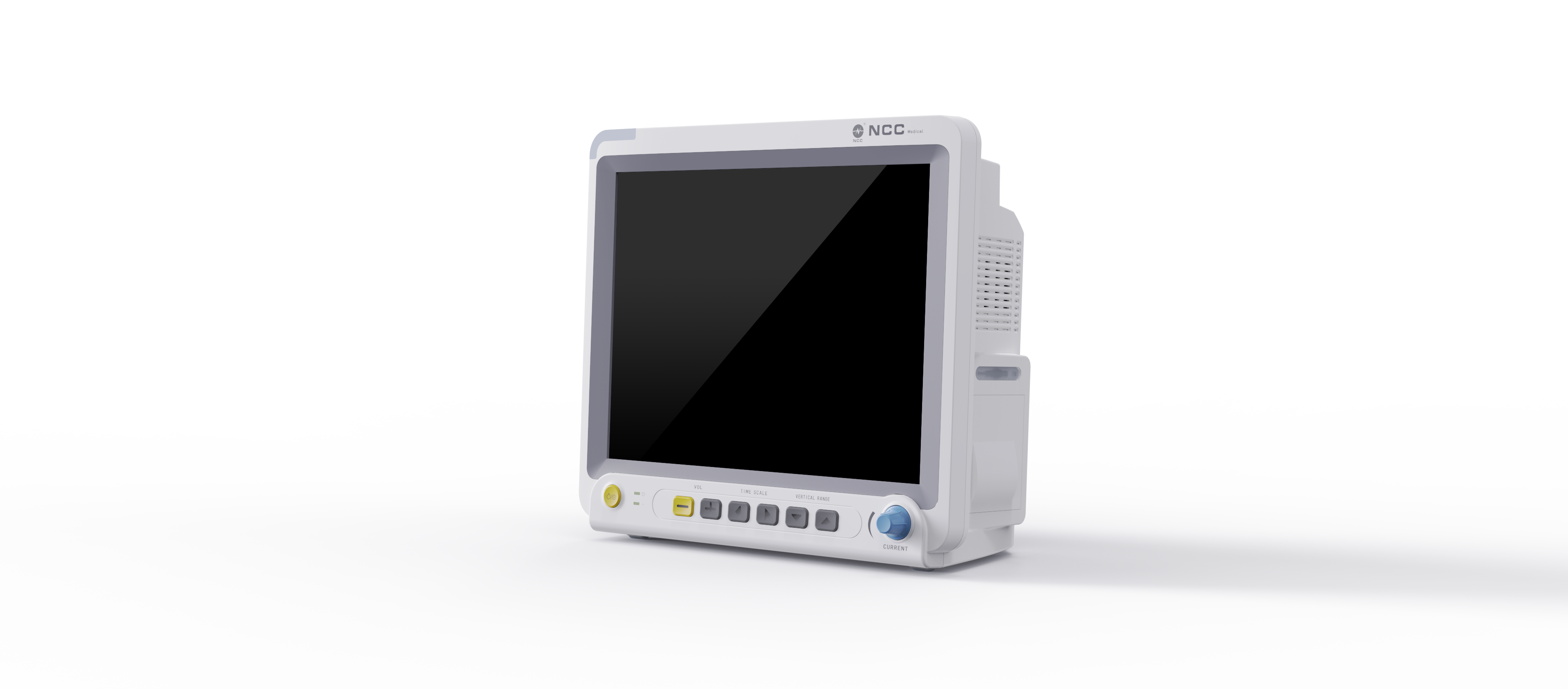
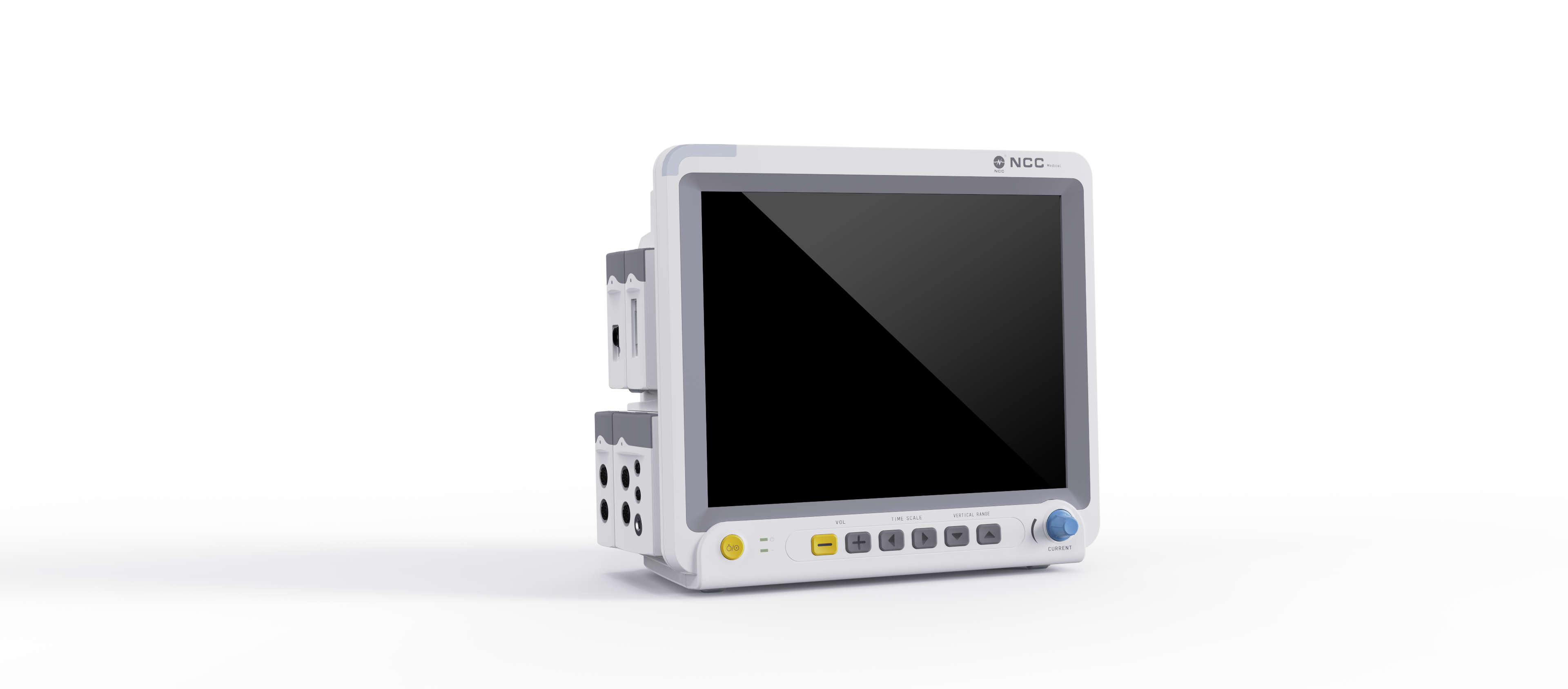
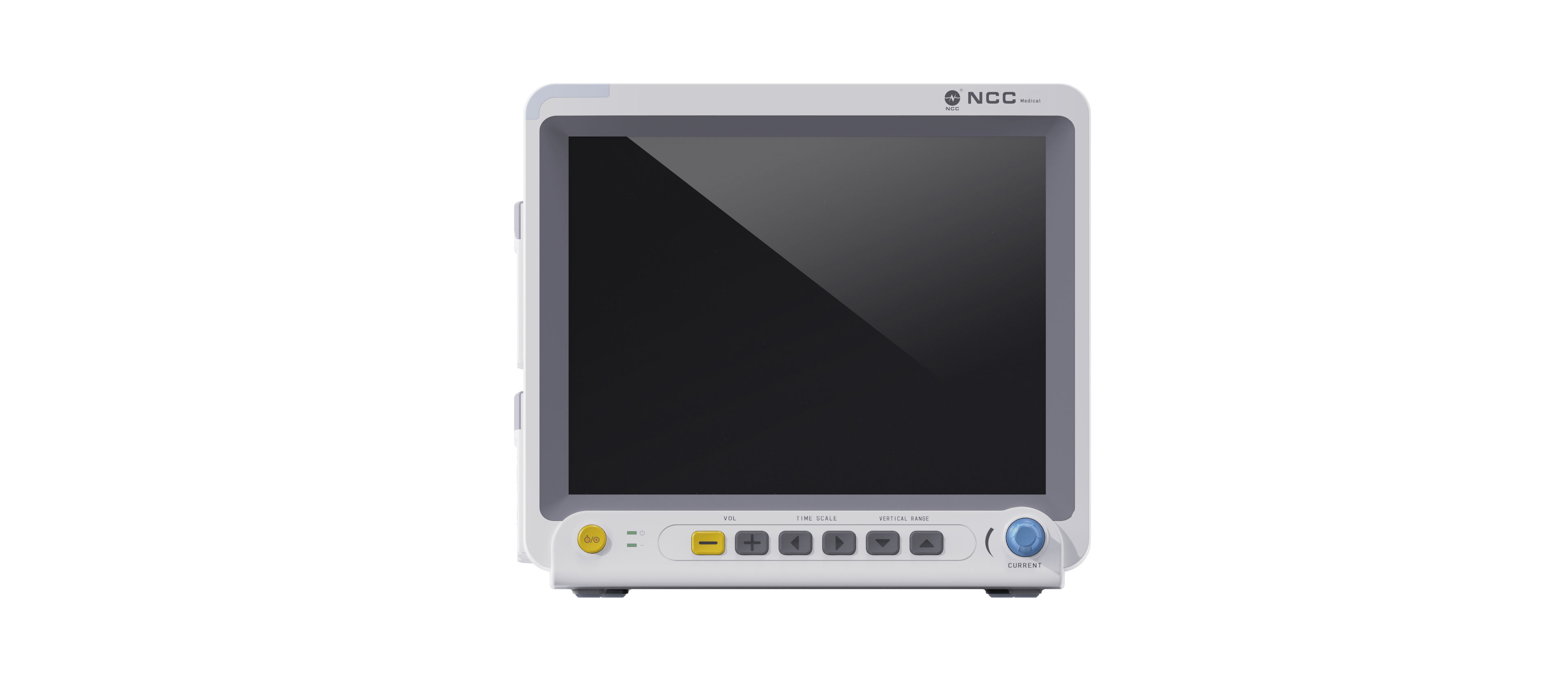
IONM System: Full-Modal Intraoperative Neuromonitoring Platform

All Categories

IONM System for Comprehensive Intraoperative Neuromonitoring in High-Risk Surgeries

An IONM System is a comprehensive intraoperative neuromonitoring platform designed to safeguard neural function during complex spine, neurosurgical, ENT, and vascular procedures. The IONM System integrates multi‑modal monitoring—such as EMG, MEP, SSEP, BAEP, and EEG—to provide real‑time functional feedback from the cerebral cortex to peripheral effectors. By offering dynamic nerve mapping, automated alarm thresholds, and adaptive noise suppression, the IONM System allows surgeons and anesthesiologists to identify early warning signs of nerve compromise and adjust their surgical strategy before irreversible injury occurs. For hospitals and surgical centers, a modern IONM System enhances patient safety, supports standardized protocols across departments, and streamlines documentation and data management for quality control and clinical research, making it an essential investment for advanced ORs.
Get A Quote

IONM System

A modern IONM System offers a powerful combination of clinical precision, workflow efficiency, and long‑term scalability that directly benefits hospitals, surgeons, and patients. From the supplier’s perspective, the IONM System is not just a signal amplifier; it is a complete neurophysiology ecosystem that supports multi‑disciplinary surgical teams in delivering predictable and reproducible outcomes. By providing full‑modal monitoring capabilities, intelligent artifact rejection, and closed‑loop nerve stimulation in a single integrated platform, the IONM System reduces intraoperative risk, creates a standardized monitoring environment, and enables a hospital to build a robust database of intraoperative neurophysiological data. This translates into fewer postoperative complications, improved patient satisfaction, and significant economic value through shorter OR times, fewer revision surgeries, and stronger differentiation in a competitive healthcare market.

Full-Modal Monitoring in One IONM System

A key advantage of a modern IONM System is its capability to provide full‑modal neurophysiological monitoring within a single platform, rather than relying on multiple separate devices. The IONM System can acquire free‑running EMG, triggered EMG, somatosensory evoked potentials, motor evoked potentials, brainstem auditory evoked potentials, and electroencephalography synchronously. This gives the surgical team a continuous functional overview of sensory and motor pathways, spinal tracts, and cranial nerves throughout the procedure. With a single IONM System, hospitals can standardize monitoring setups across neuro, spine, ENT, and vascular surgeries, avoid compatibility issues between devices, and simplify staff training. A unified IONM System also reduces the risk of data gaps or time misalignment because all channels are time‑synchronized inside one architecture, leading to more reliable intraoperative interpretation and higher confidence in clinical decisions.

Intelligent Noise Management and Stable Signals

Another major advantage of an advanced IONM System is its intelligent noise suppression and adaptive filter design, which keep signals clear even in the electrically “hostile” environment of the operating room. Electrosurgical units, ultrasonic scalpels, drills, and other devices generate significant electromagnetic interference that can obscure subtle neurophysiological responses. A high‑quality IONM System applies sophisticated digital signal processing, notch filters, and algorithm‑based artifact rejection to differentiate true neural signals from environmental noise in real time. By building a noise “profile” of each operating room, the IONM System can automatically adjust filter parameters and display settings to maintain optimal signal‑to‑noise ratios without constant manual adjustments from the technologist.

Automated Alarms and Workflow Efficiency

The IONM System also stands out for its built‑in analytical engine and automated alarm capabilities, which enhance safety and streamline workflow at the same time. Instead of only displaying waveforms, the IONM System continuously tracks amplitudes, latencies, and trend data and compares them with baseline values or pre‑defined reference ranges. When significant changes occur—such as a reduction in amplitude or a prolongation in latency beyond configurable thresholds—the IONM System triggers multi‑level audio‑visual alerts that immediately attract the surgical team’s attention. This proactive behavior helps detect early signs of neural compromise before they become clinically evident. At the workflow level, an advanced IONM System includes template‑based configurations for common procedures, automatic channel assignment, and pre‑set stimulus parameters, greatly reducing setup time and variability between operators.

Related Products

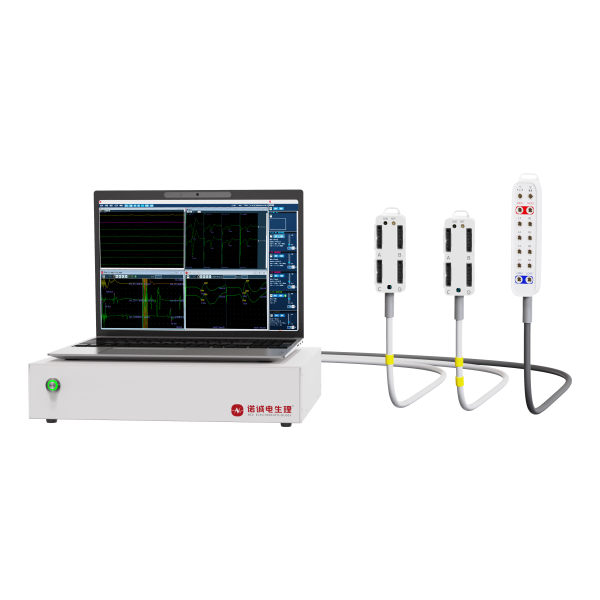
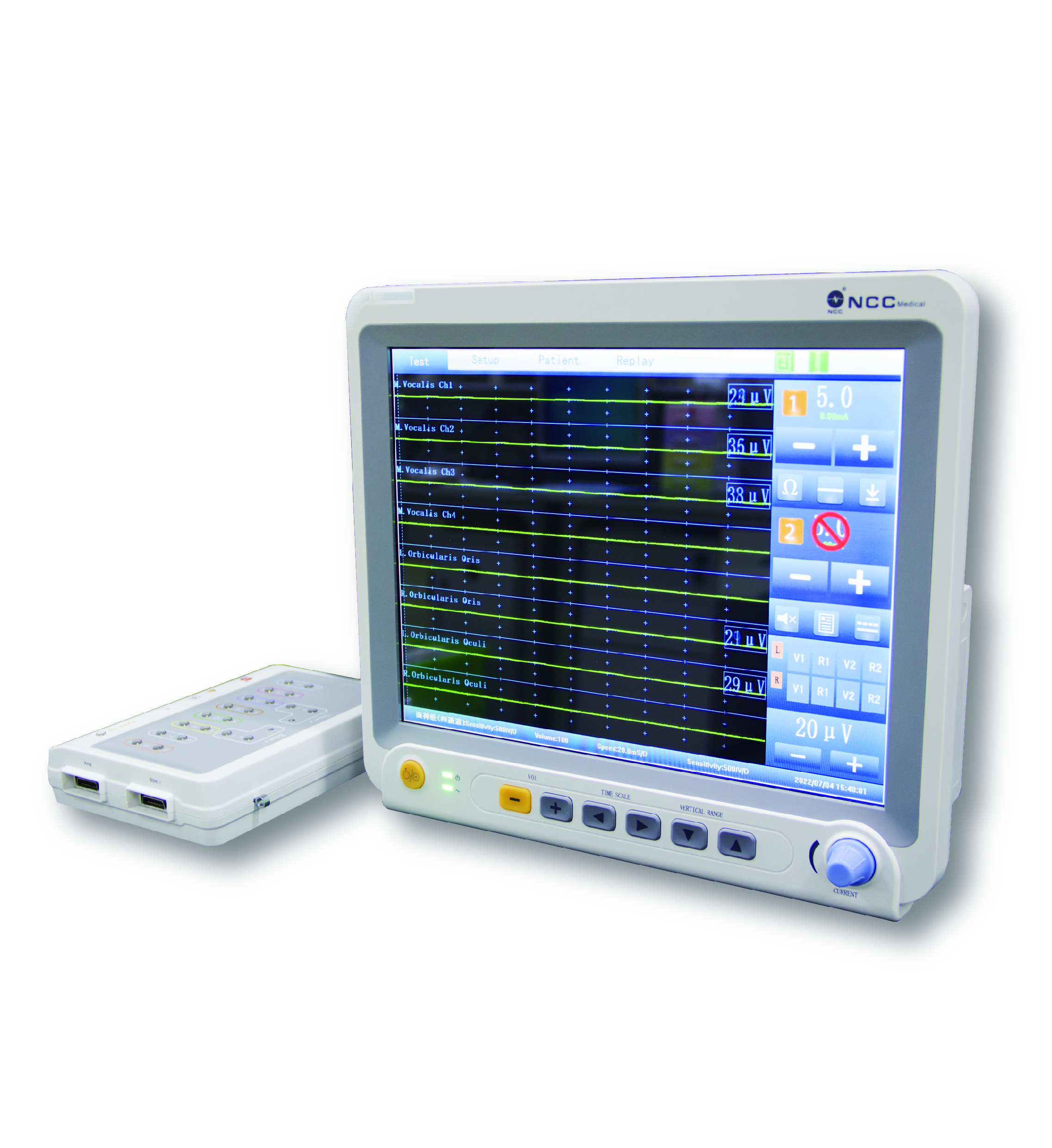
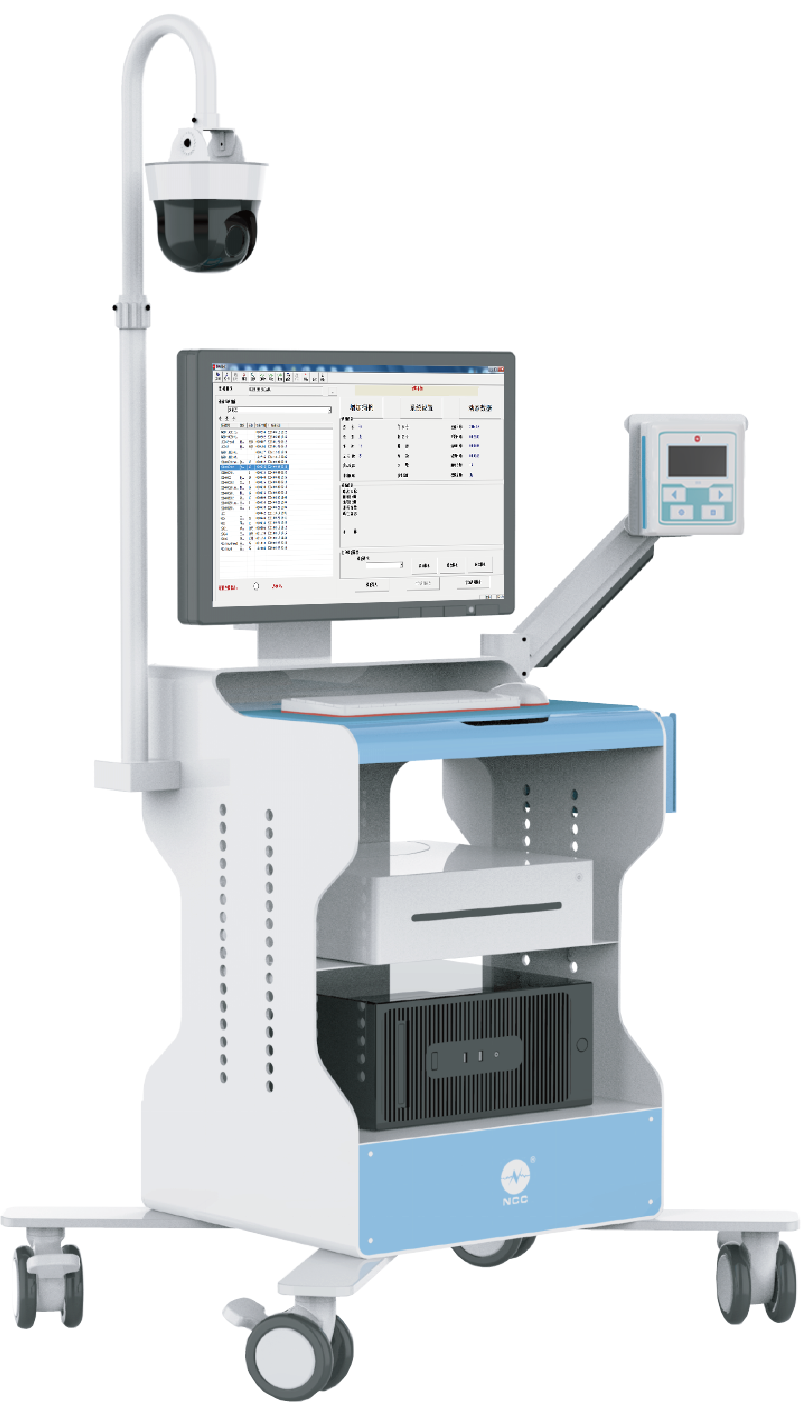
From a supplier’s standpoint, an IONM System is a high‑precision medical platform that integrates hardware, software, and consumables into a unified intraoperative monitoring solution. The hardware architecture of the IONM System typically consists of a multi‑channel amplifier with medical‑grade isolation, versatile stimulators capable of delivering controlled pulses for mapping and functional testing, and a robust acquisition unit that maintains signal integrity from electrode to screen. The signal pathways in the IONM System are carefully engineered with low‑noise components and high common‑mode rejection ratios so that the device can operate reliably in the presence of strong electromagnetic fields and varying impedance conditions.

As a specialized manufacturer of neuro‑diagnostic and neuromonitoring solutions, our company focuses on delivering IONM System platforms that meet the demanding needs of modern operating rooms worldwide. Since the late 1990s, we have concentrated on neurophysiology, integrating research, engineering, and manufacturing into a cohesive value chain dedicated to intraoperative patient safety. Our headquarters R&D center is equipped with advanced laboratories for signal acquisition, stimulation technology, and electromagnetic compatibility testing, enabling us to continuously refine our IONM System architecture and algorithms. Production follows strict quality management principles, with each IONM System passing through multiple stages of inspection, including calibration of amplifiers, verification of stimulus output, insulation resistance checks, and burn‑in testing under simulated OR conditions.

Our global structure is built around three major functions: R&D and manufacturing, international sales and logistics, and service and training. The R&D and manufacturing division focuses on hardware platforms for the IONM System, software development for signal analysis and user workflow, and the design of single‑use consumables such as needle electrodes and nerve stimulation probes. International sales teams work closely with regional distributors, providing product training, marketing support, and regulatory documentation so that the IONM System can be successfully introduced into different markets with varying compliance requirements. The service and training division operates technical centers and online training platforms where clinicians and technologists learn to use the IONM System effectively and safely, ensuring consistent monitoring quality regardless of location.

To prove our long‑term commitment, we invest continuously in compliance and certification for our IONM System, aligning with medical electrical safety norms, quality management standards, and local regulations across multiple regions. Our facilities maintain certified quality systems and traceability for all major components, from circuit boards to software revisions. For hospitals and distributors, this means that every IONM System comes with transparent documentation, predictable delivery times, and reliable after‑sales support. We also offer flexible cooperation models, ranging from standard branded IONM System distribution to OEM and ODM services for partners who wish to localize branding or customize certain modules. In each collaboration, we emphasize co‑development, clinical feedback, and iterative improvement so that the IONM System continues to evolve with surgical techniques and clinical evidence.

Beyond product supply, we position ourselves as a long‑term partner in education and clinical optimization. Through workshops, webinars, and on‑site application support, we help hospitals integrate the IONM System into existing surgical workflows, define procedure‑specific protocols, and collect outcome data. This holistic approach ensures that the IONM System is not only installed, but truly adopted and optimized, bringing measurable benefits in terms of reduced complications, enhanced reputation, and improved financial performance for healthcare providers.

FAQ

What clinical modalities can an IONM System support?

A modern IONM System is designed to support multiple neurophysiological modalities in parallel to provide a comprehensive functional overview during surgery. Typically, an IONM System can record free‑running EMG from multiple muscle groups, triggered EMG for nerve mapping and pedicle screw testing, somatosensory evoked potentials to monitor dorsal column pathways, and motor evoked potentials to assess corticospinal tracts. Many IONM System platforms also include BAEP or other auditory evoked responses to protect brainstem function, as well as EEG channels to monitor cortical activity or depth of anesthesia in specific scenarios. The exact configuration depends on the model and options selected, but the key concept is that the IONM System allows the surgical team to choose and combine modalities based on the procedure type and patient risk profile.
An IONM System improves patient safety by providing continuous functional feedback about the nervous system during high‑risk operations, instead of relying solely on anatomical landmarks or postoperative assessment. Before surgery, baseline recordings are taken by the IONM System to establish each patient’s reference values. During critical maneuvers—such as spinal instrumentation, tumor dissection near eloquent pathways, or manipulation of cranial nerves—the IONM System tracks changes in signal amplitude and latency in real time. If the IONM System detects significant deviations from baseline, it triggers alarms and highlights affected channels, prompting the surgeon to pause, reposition an implant, adjust traction, or modify the surgical plan.
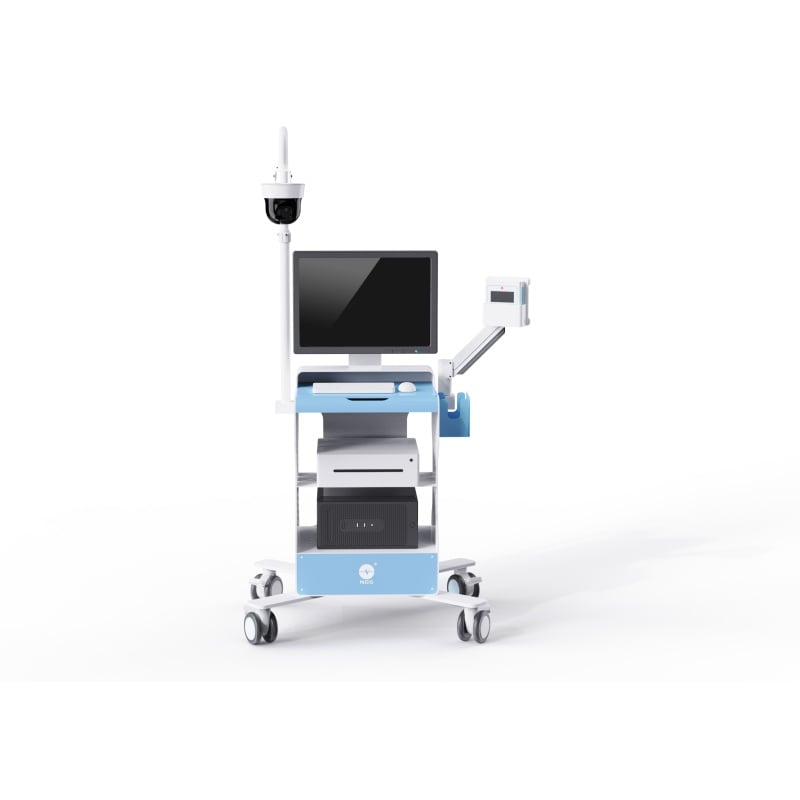
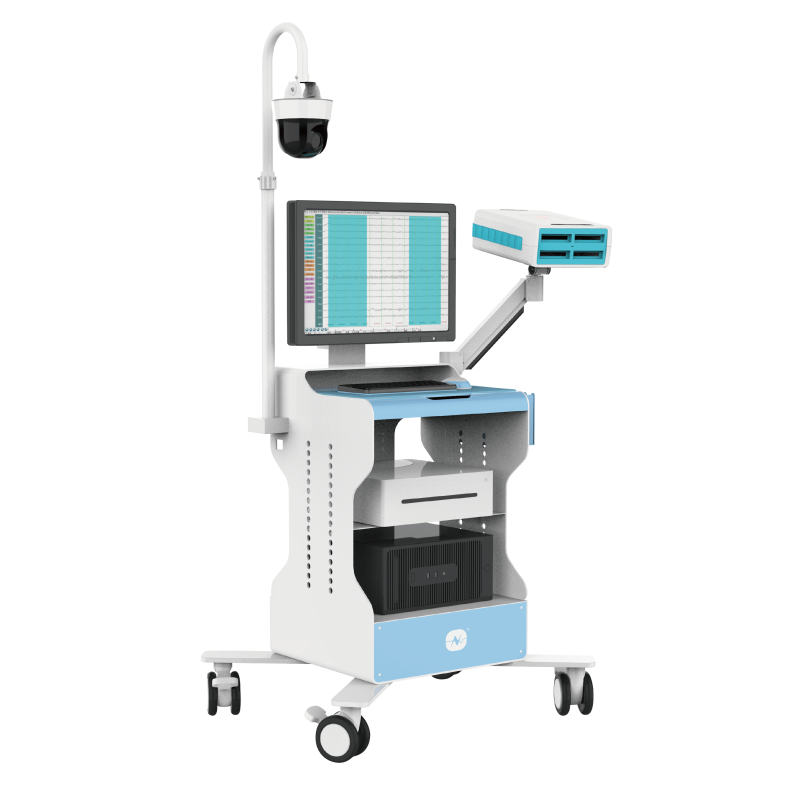
To successfully implement an IONM System, a hospital generally needs standard operating room infrastructure with reliable power supply, appropriate space for the system cart or rack, and basic network connectivity if integration or remote support is required. From a technical perspective, the IONM System is designed to be plug‑and‑play, but optimal performance requires trained staff who understand electrode placement, stimulation parameters, and interpretation of waveforms. Vendors typically provide initial on‑site installation, user training for technicians and surgeons, and detailed manuals describing recommended settings for common procedures.

More Posts

Clinical Advantages and Supply Chain Assurance of Wireless EEG Devices

05

Mar

Clinical Advantages and Supply Chain Assurance of Wireless EEG Devices

Wireless EEG device technology is redefining the operational boundaries of neurodiagnostics. What was once confined to fixed electroencephalography laboratories is now extending into intensive care units, emergency departments, ambulatory environment...
View More
Technical Features and Compliance Procurement Strategies for Concentric EMG Needles

05

Mar

Technical Features and Compliance Procurement Strategies for Concentric EMG Needles

Concentric EMG needle electrodes are among the most frequently used consumables in clinical neurophysiology, yet they are often underestimated in technical complexity. In routine electromyography, the difference between a clean motor unit potential a...
View More
Compliance and Technical Advantages of Portable EEG Machines: Empowering Efficient Clinical Neuro Monitoring in Healthcare Institutions

05

Mar

Compliance and Technical Advantages of Portable EEG Machines: Empowering Efficient Clinical Neuro Monitoring in Healthcare Institutions

The true value of an eeg machine portable solution is not measured by how small it is, but by how reliably it performs when removed from the controlled environment of a neurophysiology laboratory and placed into the complexity of real clinical care. ...
View More
Supply Chain Management and Procurement Strategies for Ambulatory EEG Device

05

Mar

Supply Chain Management and Procurement Strategies for Ambulatory EEG Device

Purchasing an ambulatory EEG device is unlike acquiring most other medical equipment. You are not simply buying a standalone machine; you are investing in a system that must function seamlessly over years, supported by consumables, software, accessor...
View More

Customer Reviews

Dr. Michael Turner

“Our adoption of a new IONM System has fundamentally changed the way we perform complex spine fusions and deformity corrections. Before implementing the IONM System, we occasionally relied on only basic neuro checks and postoperative exams to assess nerve function, which meant that any intraoperative issues were discovered late. With the full‑modal monitoring in the IONM System, we now see real‑time MEP and SSEP changes, as well as EMG responses, during each critical step. The alarms generated by the IONM System when signal amplitudes drop or latencies prolong have already led us to reposition pedicle screws and adjust correction maneuvers multiple times, preventing potential neurological deficits. Our surgical team quickly became comfortable with the user interface and procedure templates, so the IONM System adds very little setup time while providing significant peace of mind.”

Ms. Laura Chen

“As an OR manager responsible for equipment planning and workflow efficiency, I look for solutions that increase safety without slowing our teams down. The IONM System we introduced achieved exactly that. Because the IONM System supports multi‑disciplinary use, we standardized it across neurosurgery, spine, and ENT, which simplified training and maintenance. Technologists appreciate how the IONM System allows them to load procedure‑specific templates, automatically assign channels, and adjust stimulation parameters quickly. Surgeons value the clear visual layout and consistent alarm behavior. From an operational standpoint, the modular design of the IONM System let us start with a configuration suited to our current case mix and expand later as our program grew. This stepwise approach to investment has been very helpful for budget planning and long‑term capital equipment strategy.”

Mr. Ahmed Saleh

“As a regional distributor, we evaluate many intraoperative monitoring products, but the IONM System from this manufacturer stands out in terms of reliability, training support, and scalability. The system’s stability in demanding OR environments has been a key selling point with our hospital customers, who need a dependable IONM System that does not crash or lose data during long cases. The supplier provides comprehensive technical documents, marketing materials, and remote support, which helps us confidently present the IONM System to clinical teams. Because the platform is modular, we can offer an entry‑level configuration to smaller hospitals and then upgrade them over time as demand for neuromonitoring grows. This flexibility, combined with a solid after‑sales service structure, has made the IONM System one of our most successful product lines.”

Get a Free Quote

Our representative will contact you soon.
Email
Name
Mobile
Your Role
Company Name
Message
0/1000
Comprehensive Multi-Modal Monitoring in One IONM System

Comprehensive Multi-Modal Monitoring in One IONM System

The IONM System consolidates essential neurophysiological modalities—EMG, MEP, SSEP, BAEP, and EEG—into a single platform, giving the surgical team a continuous functional overview from brain to peripheral muscles. By eliminating the need for multiple separate devices, the IONM System simplifies OR setup, reduces potential connection errors, and creates a unified environment for real‑time decision‑making. This comprehensive coverage allows hospitals to deploy one IONM System across different specialties, ensuring consistent monitoring quality and more efficient resource utilization.
Intelligent Signal Processing and Artifact Rejection

Intelligent Signal Processing and Artifact Rejection

Advanced digital signal processing is at the core of the IONM System, enabling it to deliver clean and stable waveforms even when electrosurgical units, drills, and other devices generate strong interference. The IONM System employs adaptive filters, intelligent artifact detection, and customizable display settings to separate true neural responses from noise in real time. This leads to fewer false alarms and a more confident interpretation of changes in potential and latency. For high‑stakes procedures, the ability of the IONM System to maintain signal clarity directly supports safer surgical decisions.
Scalable, Workflow-Oriented Design For Growing Programs

Scalable, Workflow-Oriented Design For Growing Programs

The IONM System is built with scalability and workflow optimization in mind. Modular hardware and software options allow each hospital to configure the IONM System according to current needs and then expand channel count, modalities, or advanced features as case volume increases. Template‑based configurations and intuitive user interfaces help technologists and surgeons adopt the IONM System quickly, reducing training time and minimizing human error. For institutions that plan to build or expand neuromonitoring services, this flexible and workflow‑oriented IONM System supports sustainable growth, stronger clinical outcomes, and clear differentiation in a competitive healthcare environment.

Copyright © NCC Medical Co., Ltd.  -  Privacy policy