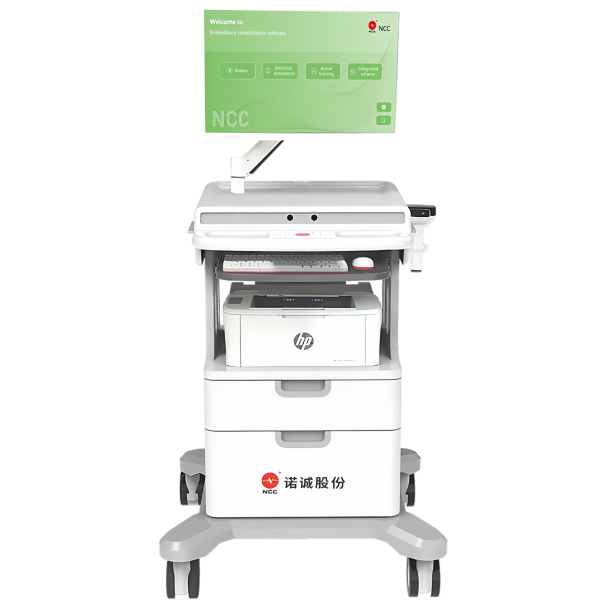
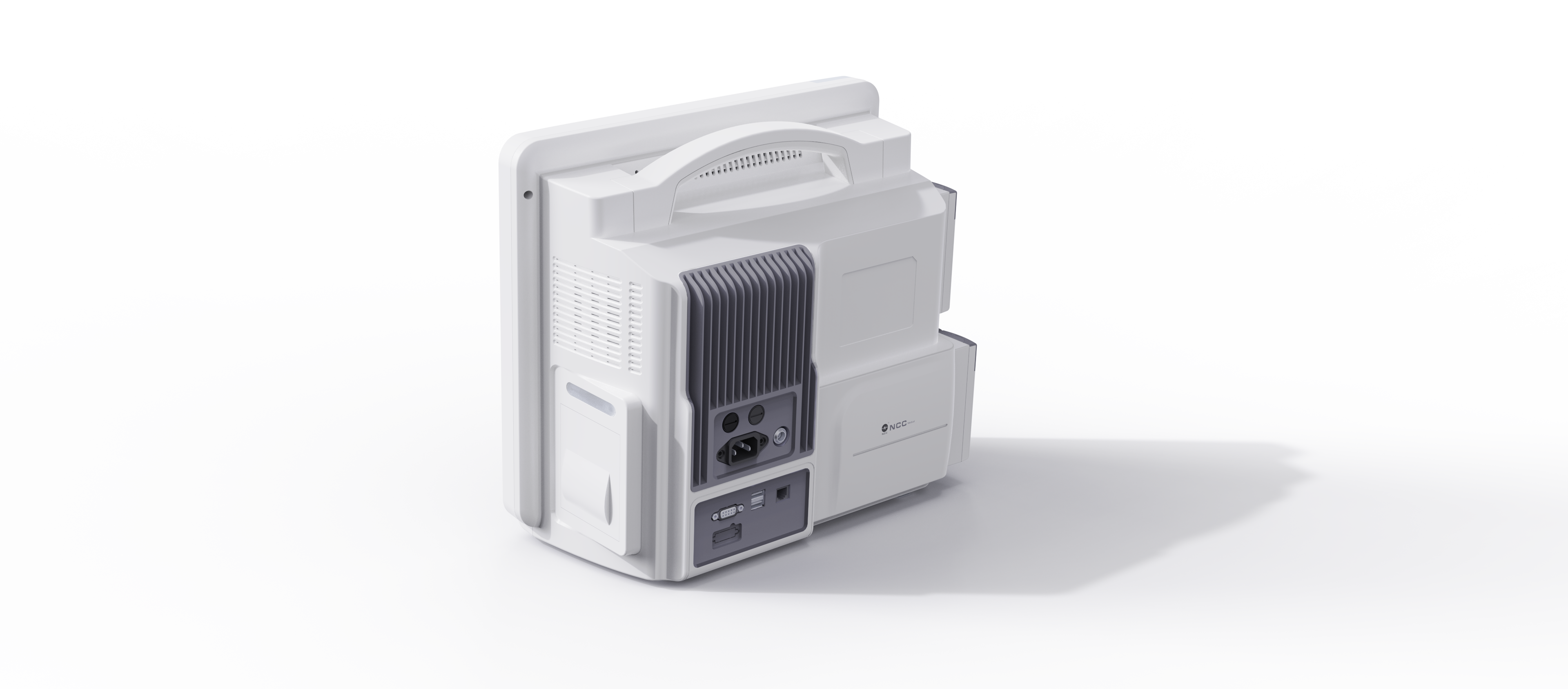
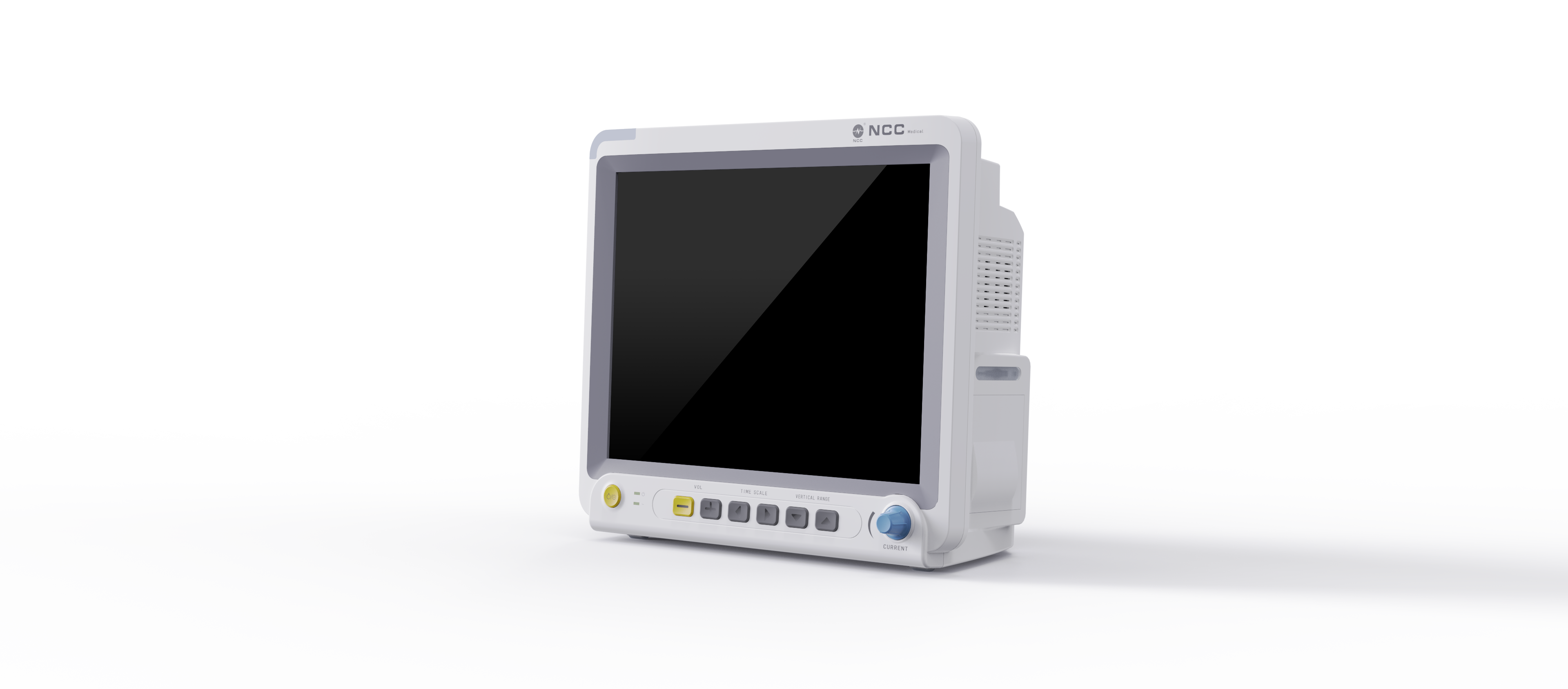
Laryngeal Nerve Monitor: Real-Time RLN Protection in Thyroid Surgery

All Categories

Laryngeal Nerve Monitor System for Real-Time Intraoperative Nerve Protection in Thyroid and ENT Surgery

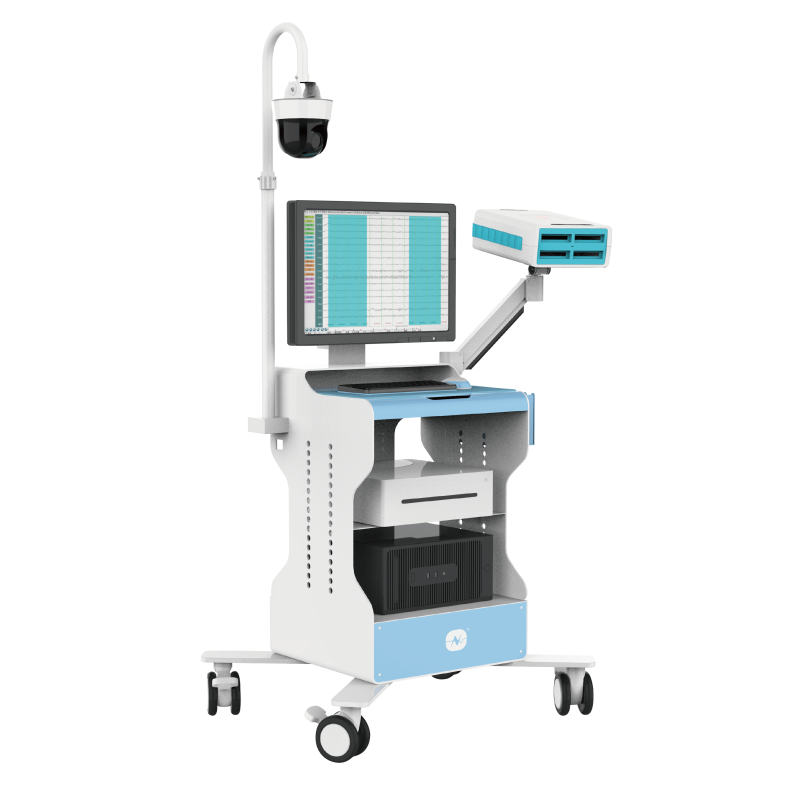
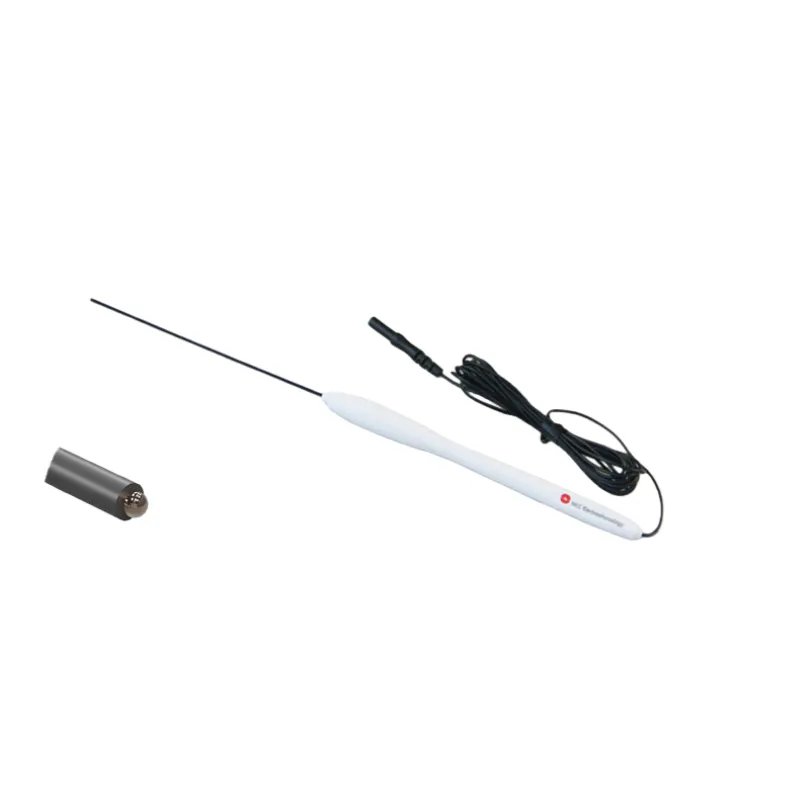
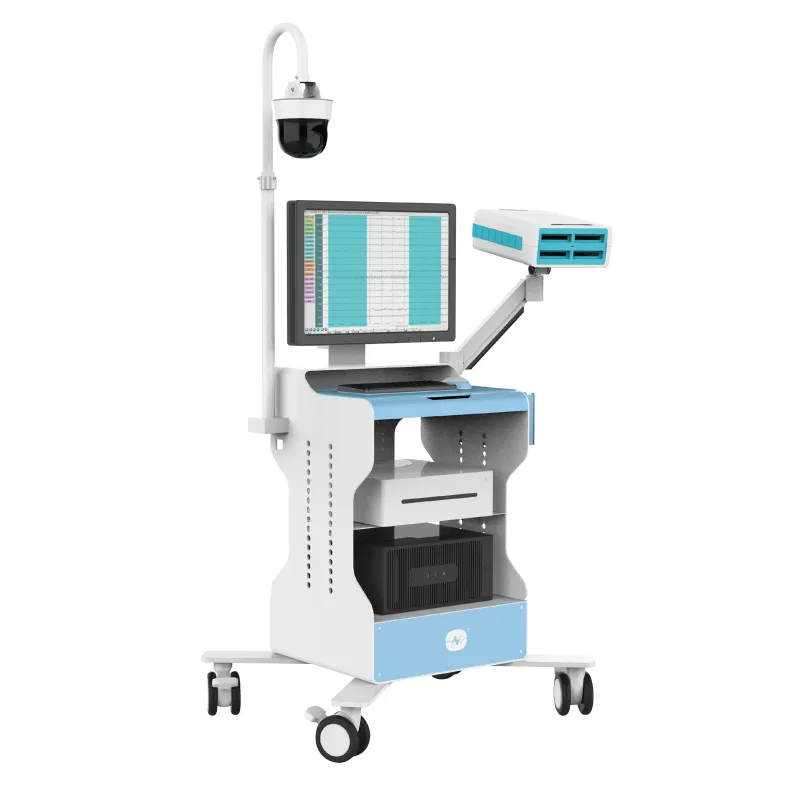
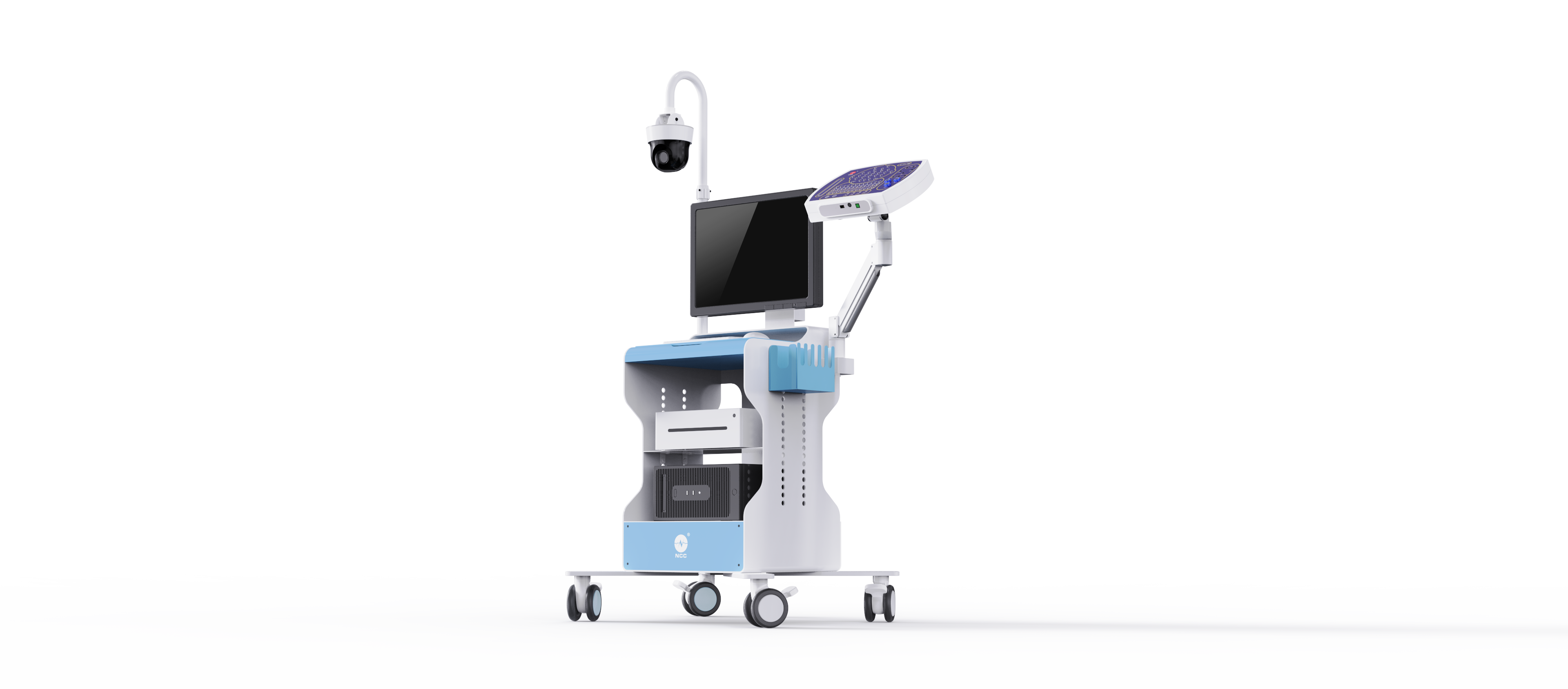
The Laryngeal Nerve Monitor is an advanced intraoperative neuromonitoring device designed to protect the recurrent laryngeal nerve and vagus nerve during thyroid, parathyroid, and ENT surgical procedures. By continuously detecting electromyographic responses from laryngeal muscles, a Laryngeal Nerve Monitor enables surgeons to identify nerve structures, assess functional integrity, and avoid nerve injury throughout the surgical process. Modern Laryngeal Nerve Monitor systems integrate multiple neurophysiological monitoring modalities, including EMG, SEP, MEP, EEG, and AEP, forming a comprehensive intraoperative neuromonitoring platform. The system supports both spontaneous EMG (sEMG) monitoring and triggered EMG (tEMG) stimulation, allowing surgeons to detect neural irritation instantly or actively stimulate nerves to confirm their location and functionality.
Get A Quote

Laryngeal Nerve Monitor System for Real-Time Intraoperative Nerve Protection in Thyroid and ENT Surgery

The Laryngeal Nerve Monitor is an advanced intraoperative neuromonitoring device designed to protect the recurrent laryngeal nerve and vagus nerve during thyroid, parathyroid, and ENT surgical procedures. By continuously detecting electromyographic responses from laryngeal muscles, a Laryngeal Nerve Monitor enables surgeons to identify nerve structures, assess functional integrity, and avoid nerve injury throughout the surgical process. Modern Laryngeal Nerve Monitor systems integrate multiple neurophysiological monitoring modalities, including EMG, SEP, MEP, EEG, and AEP, forming a comprehensive intraoperative neuromonitoring platform. The system supports both spontaneous EMG (sEMG) monitoring and triggered EMG (tEMG) stimulation, allowing surgeons to detect neural irritation instantly or actively stimulate nerves to confirm their location and functionality.

Comprehensive Multi-Modal Neurophysiology Monitoring Enhances Surgical Precision

A modern Laryngeal Nerve Monitor integrates several neurophysiological monitoring modalities, including EMG, SEP, MEP, EEG, and AEP, allowing clinicians to assess neural pathways from multiple perspectives during surgery. This multi-modal monitoring capability provides a more comprehensive evaluation of nerve function compared with single-mode monitoring systems. Through simultaneous waveform acquisition and synchronized signal analysis, the Laryngeal Nerve Monitor can track changes in nerve conduction, muscle response, and cortical activity throughout the surgical procedure. Surgeons can detect subtle changes in neural signals and take corrective action before permanent nerve damage occurs. This capability significantly improves surgical safety and reduces the likelihood of postoperative complications.

Real-Time Nerve Identification and Continuous Monitoring Reduce Injury Risk

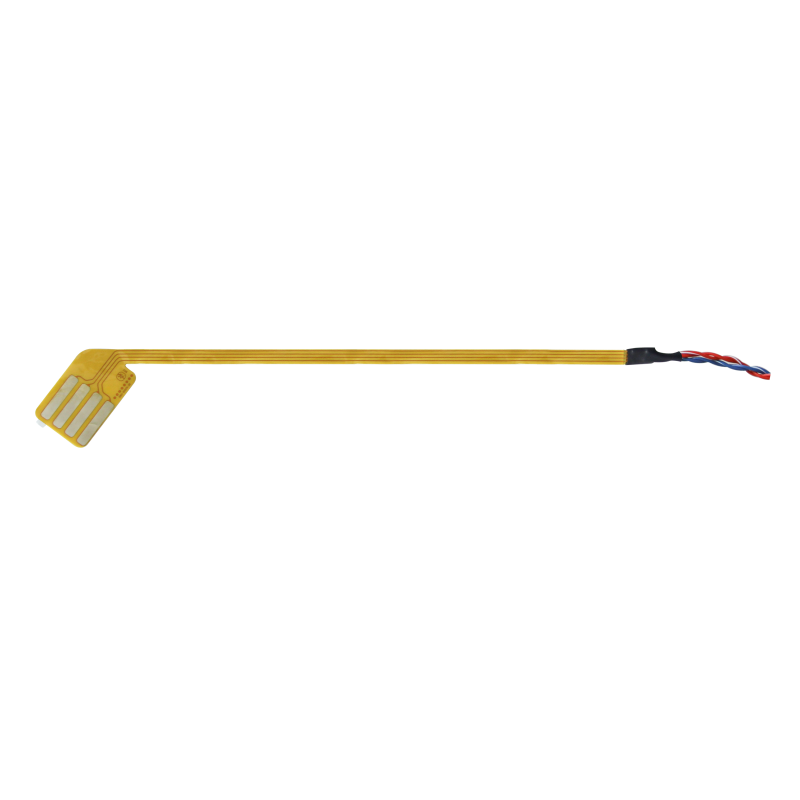
The Laryngeal Nerve Monitor provides both spontaneous EMG monitoring and triggered EMG stimulation to identify and protect the recurrent laryngeal nerve. Spontaneous EMG monitoring detects electrical activity generated when surgical instruments contact or irritate nerve tissue, providing immediate warning signals. Triggered EMG monitoring allows surgeons to actively stimulate suspected nerve structures using a controlled electrical stimulus. The Laryngeal Nerve Monitor records the resulting muscle responses and confirms whether the structure is a functioning nerve. Continuous vagus nerve monitoring through APS electrodes further enhances surgical safety by detecting nerve conduction changes in real time.

High-Precision Signal Acquisition Ensures Accurate Neurophysiological Data

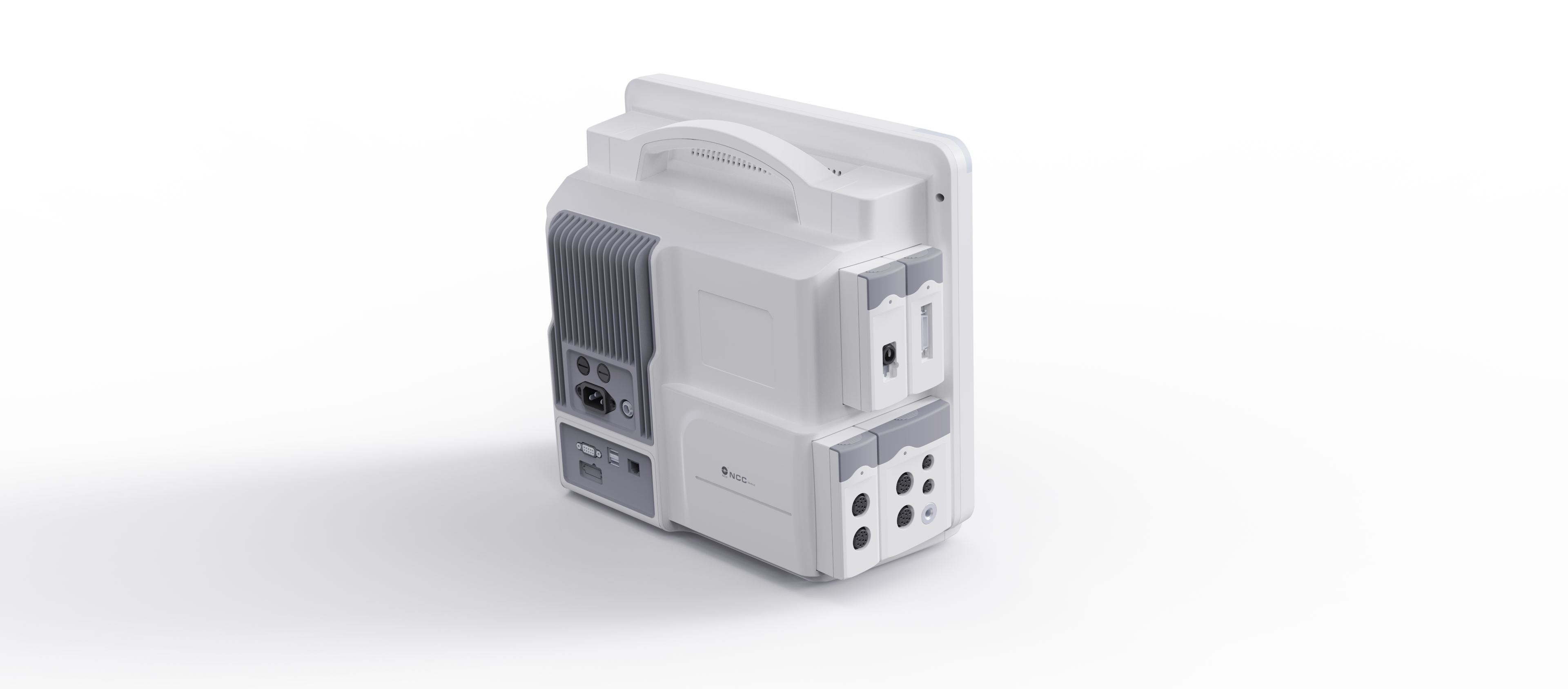
Advanced Laryngeal Nerve Monitor systems feature high-channel signal acquisition, independent amplifier architecture, and ultra-low noise electronics. With common-mode rejection ratios exceeding 110 dB and noise levels below 1.0 μV peak-to-peak, the Laryngeal Nerve Monitor can reliably capture extremely small neural signals even in the electrically noisy environment of an operating room. Integrated anti-electrosurgical interference technology automatically detects electrocautery activity and suppresses artifacts that could otherwise distort monitoring data. This ensures stable signal quality throughout the surgical procedure and allows clinicians to rely on accurate neurophysiological information for decision-making.

Related Products

The Laryngeal Nerve Monitor is a specialized intraoperative neuromonitoring system designed to protect the recurrent laryngeal nerve during thyroid, parathyroid, and ENT surgeries. Using high-sensitivity EMG electrodes and precision electrical stimulation technology, the Laryngeal Nerve Monitor continuously records neuromuscular activity associated with laryngeal muscle responses. A high-channel amplifier architecture allows the Laryngeal Nerve Monitor to perform multi-site signal acquisition simultaneously. Independent amplifiers for each channel ensure stable signal recording and minimal cross-interference between monitoring pathways. Ultra-low noise circuitry enables the detection of subtle neural signals that may indicate nerve irritation or early injury.The Laryngeal Nerve Monitor supports multiple monitoring modes including spontaneous EMG, triggered EMG stimulation, SEP, MEP, and EEG analysis.

About NCC Medical Group

NCC Medical Group is a globally recognized manufacturer and developer of advanced neurophysiology monitoring technologies. As a nationally designated SRDI “Little Giant” enterprise, NCC represents a new generation of specialized medical device companies that focus on innovation, precision engineering, and high-value medical technologies.

Founded in 1997, NCC has accumulated more than two decades of expertise in neurophysiology research, product development, and medical device manufacturing. The company’s primary research and manufacturing headquarters are located in Shanghai, China, a major international center for medical technology innovation. At this facility, multidisciplinary teams of biomedical engineers, neurophysiology specialists, and manufacturing experts collaborate to develop advanced solutions for neurological diagnostics and intraoperative monitoring.

To ensure global regulatory compliance and international quality management, NCC also operates a dedicated quality and compliance center in Singapore. This center oversees international product certification, regulatory strategy, and quality assurance processes for global markets.

NCC specializes in the development of comprehensive neurophysiology technologies, including intraoperative neuromonitoring (IONM) systems, electroencephalography (EEG) systems, polysomnography (PSG) systems, electromyography (EMG) devices, and a wide range of specialized neurophysiology consumables. These products are widely used by hospitals and surgical centers to improve diagnostic accuracy and enhance patient safety during complex medical procedures.

The company’s operational framework is built on three strategic pillars that support global growth and technological innovation.

The first pillar focuses on research and manufacturing excellence. NCC invests heavily in neurophysiology research and advanced production technologies, ensuring that each monitoring system meets the highest standards of performance and reliability.

The second pillar emphasizes global sales and distribution development. Through strategic partnerships with international distributors and healthcare institutions, NCC has expanded its market presence across Southeast Asia, Australia, Europe, the Americas, and Africa.

The third pillar centers on clinical service and professional education. Through platforms such as the NeuGuard Service Platform and the NCC Innovation Academy, NCC provides clinical training, technical support, and continuing education programs for healthcare professionals.

Today, NCC’s neurophysiology monitoring solutions are used in more than 50 countries and installed in over 5,000 hospitals across China. These technologies help surgeons perform safer procedures and enable clinicians to obtain accurate neurophysiological data for diagnosis and treatment.

To further support healthcare institutions, NCC operates 31 training and technical support centers across China. These centers provide hands-on training for clinicians, biomedical engineers, and technical staff, ensuring that hospitals can effectively implement advanced neurophysiology monitoring technologies.

Guided by its mission of “Safeguarding Life and Health,” NCC continues to innovate in the fields of neuromonitoring, neurodiagnostics, and surgical safety technologies, delivering reliable solutions that support better clinical outcomes worldwide.

FAQ

What is a laryngeal nerve monitor used for in surgery?

A Laryngeal Nerve Monitor is used during surgical procedures to identify and protect the recurrent laryngeal nerve and vagus nerve. These nerves control vocal cord movement, and accidental damage during thyroid or neck surgery can lead to voice changes or breathing difficulties. During surgery, the Laryngeal Nerve Monitor records electromyographic signals from the laryngeal muscles using specialized electrodes. When the surgeon stimulates a nerve or manipulates surrounding tissues, the system detects muscle responses and displays real-time waveforms. This information allows the surgeon to confirm nerve location and evaluate nerve function throughout the operation. By providing continuous feedback, the Laryngeal Nerve Monitor significantly reduces the risk of nerve injury and helps ensure better postoperative outcomes.
The Laryngeal Nerve Monitor is commonly used in thyroidectomy, parathyroid surgery, skull base surgery, and various ENT procedures. It is particularly important in thyroid surgery where the recurrent laryngeal nerve runs close to the thyroid gland. In addition, the Laryngeal Nerve Monitor is widely used in surgeries involving the vagus nerve, cervical spine procedures, and complex head and neck tumor resections. Continuous nerve monitoring provides surgeons with critical information about nerve integrity and functional status during these operations.
The Laryngeal Nerve Monitor improves surgical outcomes by enabling real-time identification and monitoring of critical nerve structures. By detecting changes in neural conduction during surgery, the system alerts surgeons to potential nerve stress or injury before permanent damage occurs. Continuous monitoring helps surgeons adjust their technique, avoid excessive traction, and confirm nerve integrity at the end of the procedure. As a result, the Laryngeal Nerve Monitor reduces the risk of postoperative vocal cord paralysis and improves patient recovery after thyroid and ENT surgeries.

More Posts

Technical Standards and OEM Customization Services of Intraoperative Nerve Stimulators for Surgical Precision

05

Mar

Technical Standards and OEM Customization Services of Intraoperative Nerve Stimulators for Surgical Precision

In modern surgery, precision is no longer defined solely by the surgeon’s hand. It is increasingly defined by the reliability of the technologies guiding that hand. The nerve stimulator intraoperative has evolved from an auxiliary device into a...
View More
Technical Specifications and Procurement Guide for Probe Surgical Instruments

04

Mar

Technical Specifications and Procurement Guide for Probe Surgical Instruments

In the global surgical instrument supply chain, few products are as frequently underestimated as the probe. On paper, it appears simple: a slender metallic instrument, usually with blunt ends, described in a quotation sheet as “304 stainless st...
View More
Compliance and Technical Advantages of Portable EEG Machines: Empowering Efficient Clinical Neuro Monitoring in Healthcare Institutions

05

Mar

Compliance and Technical Advantages of Portable EEG Machines: Empowering Efficient Clinical Neuro Monitoring in Healthcare Institutions

The true value of an eeg machine portable solution is not measured by how small it is, but by how reliably it performs when removed from the controlled environment of a neurophysiology laboratory and placed into the complexity of real clinical care. ...
View More
Procurement Guide for EEG System: Compliance, Technical Advantages, and Clinical Value

05

Mar

Procurement Guide for EEG System: Compliance, Technical Advantages, and Clinical Value

Acquiring an EEG system is one of the most critical decisions a hospital can make for its neurology department. The device you select will influence patient care, research capabilities, and staff efficiency for years to come. At NCC MEDICAL Co., Ltd,...
View More

Customer Reviews

Dr. Michael Thompson

“The Laryngeal Nerve Monitor system has significantly improved our ability to protect the recurrent laryngeal nerve during thyroid surgeries. The signal clarity and reliable EMG monitoring provide our surgical team with confidence throughout the procedure.”

Laura Jensen

“As a distributor of neuromonitoring equipment, we value the reliability and compatibility of this Laryngeal Nerve Monitor. The system integrates well with various surgical electrodes and provides stable performance in demanding operating room environments.”

Dr. Daniel Rodriguez

“Our hospital implemented the Laryngeal Nerve Monitor last year, and it has become an essential tool in our ENT department. The continuous monitoring capability helps our surgeons identify nerve structures quickly and reduce complication risks.”

Get a Free Quote

Our representative will contact you soon.
Email
Name
Mobile
Your Role
Company Name
Message
0/1000
Continuous Vagus and Recurrent Laryngeal Nerve Monitoring

Continuous Vagus and Recurrent Laryngeal Nerve Monitoring

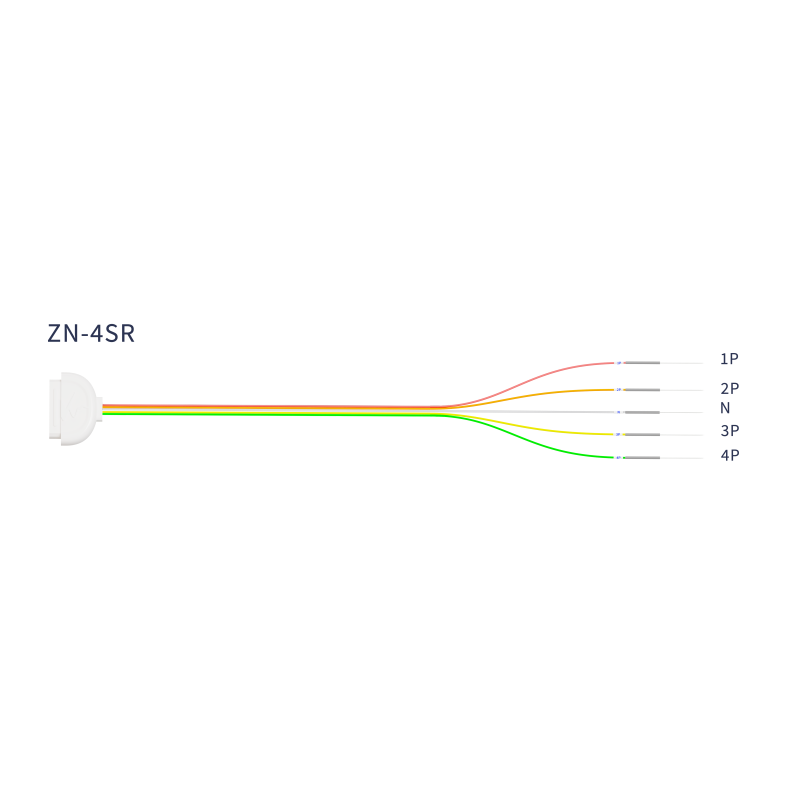
The Laryngeal Nerve Monitor enables continuous monitoring of both the vagus nerve and recurrent laryngeal nerve using APS electrodes and EMG endotracheal tube electrodes. This functionality allows surgeons to detect changes in nerve conduction instantly during surgery.
High-Channel Neurophysiology Platform with Advanced Signal Processing

High-Channel Neurophysiology Platform with Advanced Signal Processing

A multi-channel amplifier architecture and ultra-low noise circuitry enable the Laryngeal Nerve Monitor to capture extremely weak neural signals with high accuracy while suppressing interference from electrosurgical equipment.
Integrated Software for Intelligent Surgical Monitoring

Integrated Software for Intelligent Surgical Monitoring

The Laryngeal Nerve Monitor includes advanced monitoring software that provides real-time waveform visualization, automated event detection, quantitative analysis tools, and comprehensive surgical reporting capabilities.

Copyright © NCC Medical Co., Ltd.  -  Privacy policy