Neuromonitoring Devices for Intraoperative Neuro Monitoring

All Categories

Neuromonitoring Devices for Intraoperative Neurophysiology Monitoring and Surgical Nerve Protection

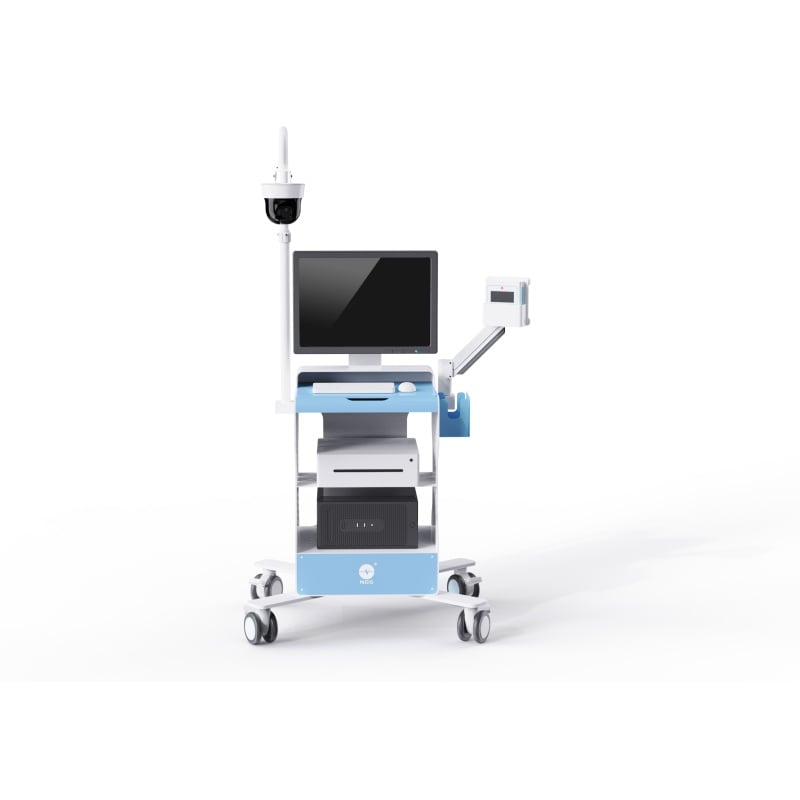
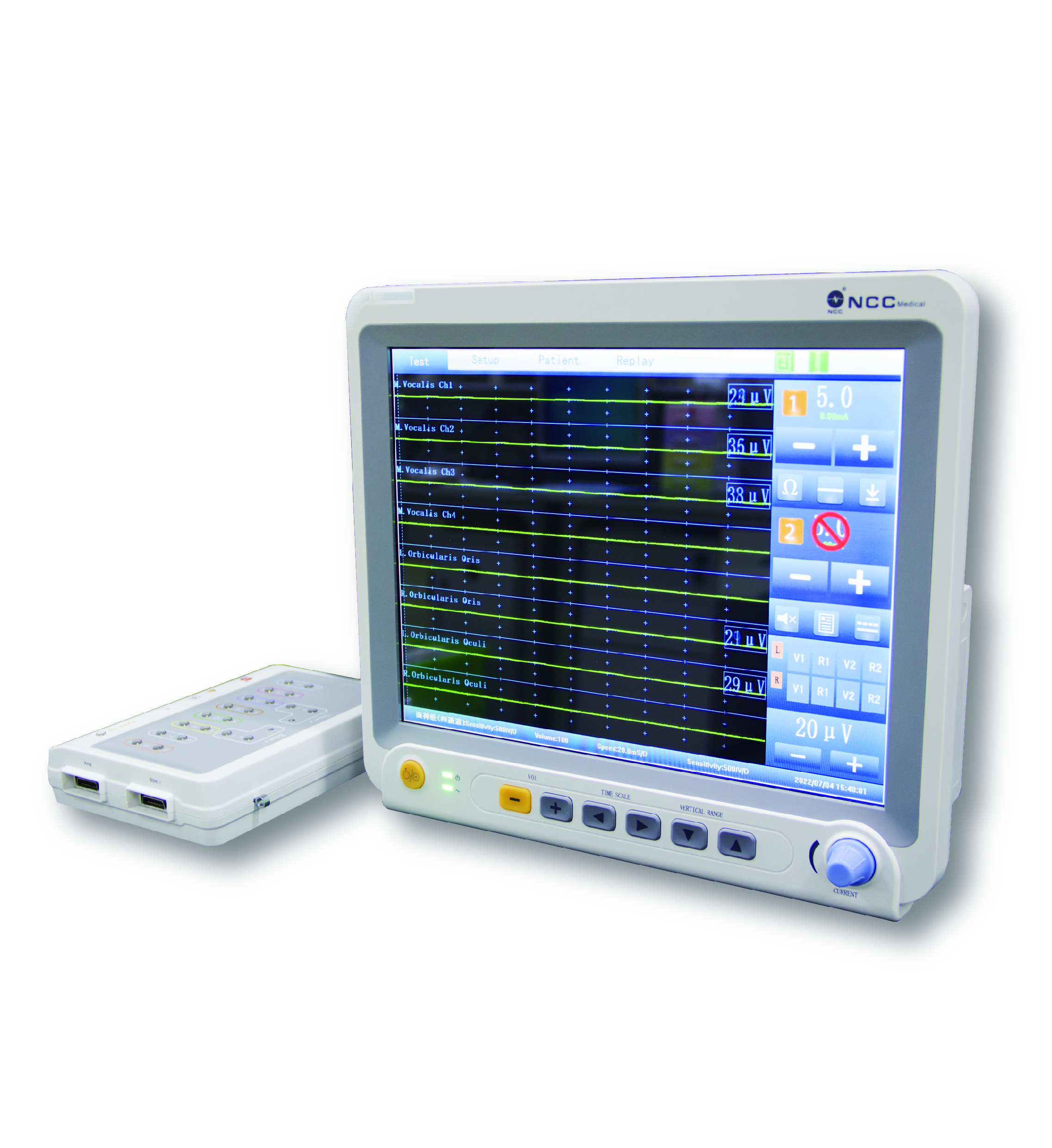
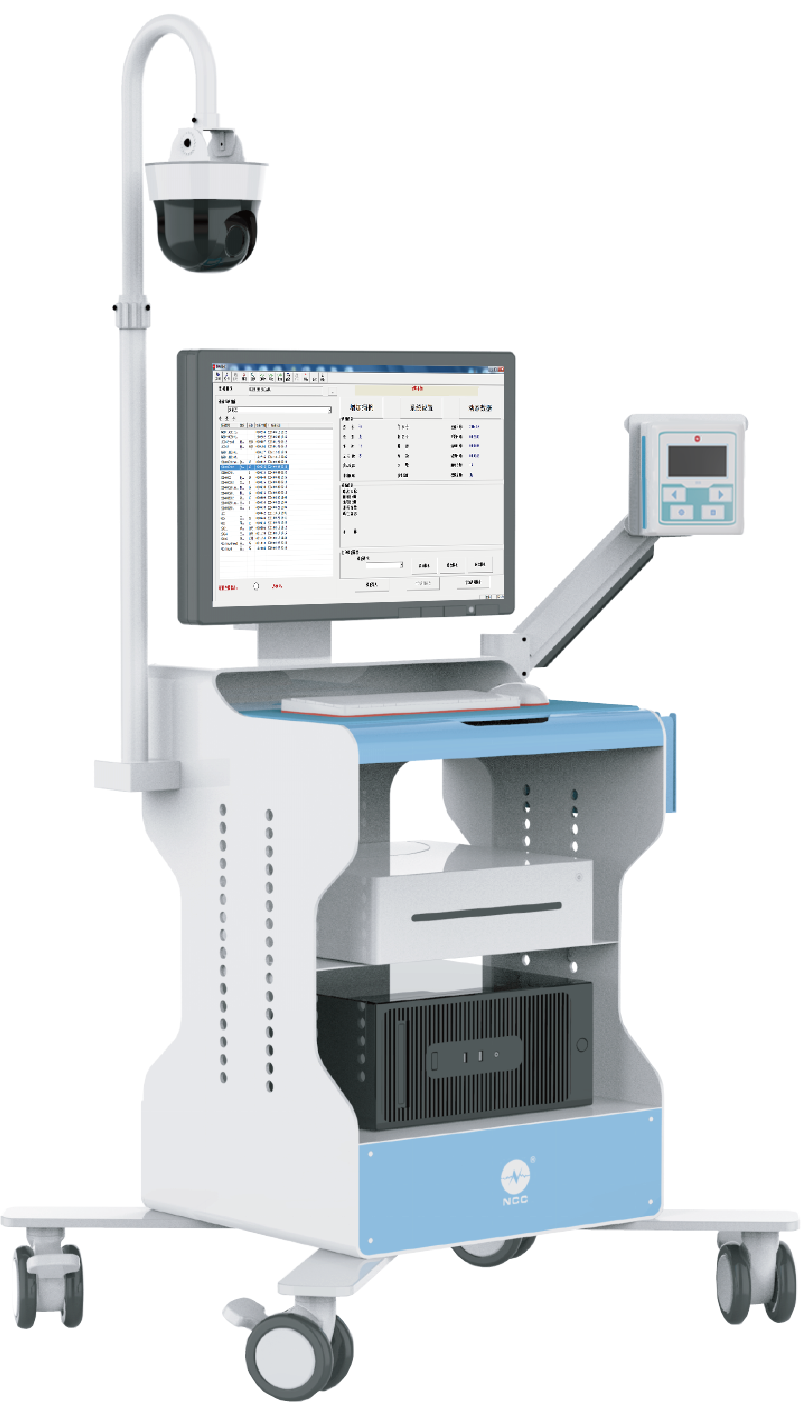
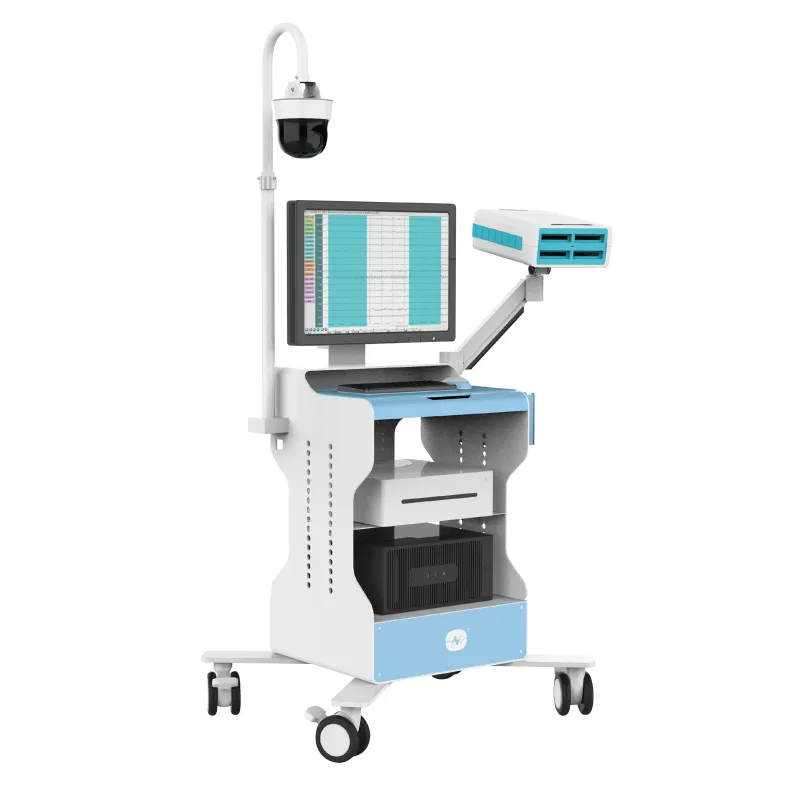
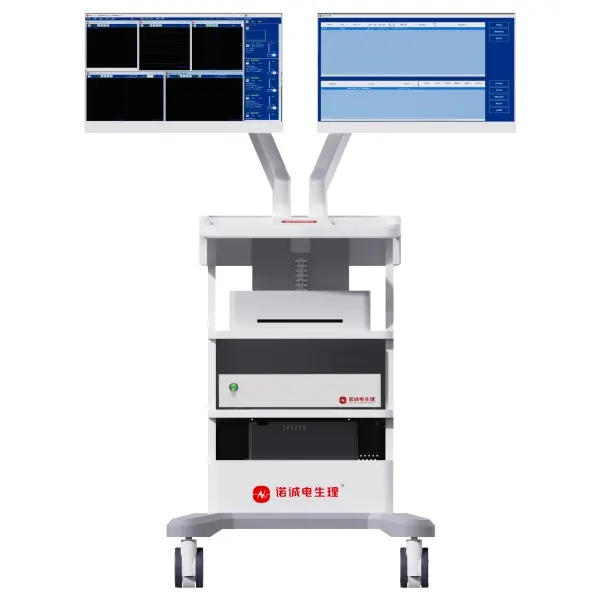
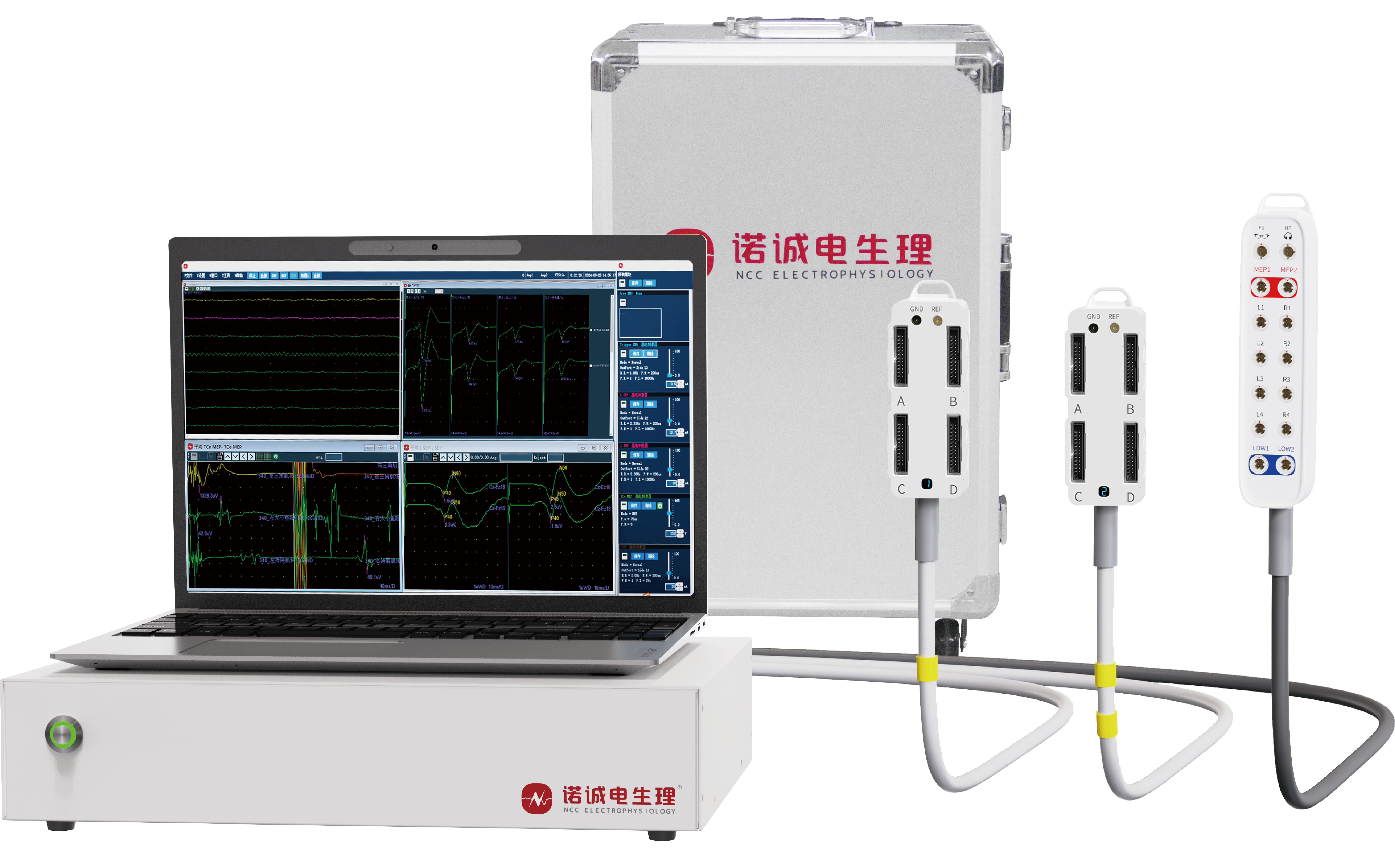
Neuromonitoring Devices are advanced medical systems designed to monitor neural function in real time during surgical procedures. These systems integrate multiple neurophysiological monitoring techniques, allowing surgeons to evaluate nerve integrity, spinal cord function, and brain activity throughout the operation. Modern Neuromonitoring Devices combine stimulation technology, multi-channel signal acquisition, and intelligent analysis software to deliver precise neurological data in the operating room. In high-risk procedures such as neurosurgery, spinal surgery, ENT surgery, and thyroid surgery, Neuromonitoring Devices play a critical role in protecting neural structures. Through monitoring modalities such as SEP, MEP, EMG, EEG, and AEP, these systems provide continuous feedback on neural pathway activity. Surgeons can observe waveform changes, latency shifts, and amplitude variations, enabling early detection of potential nerve injury.
Get A Quote

Neuromonitoring Devices

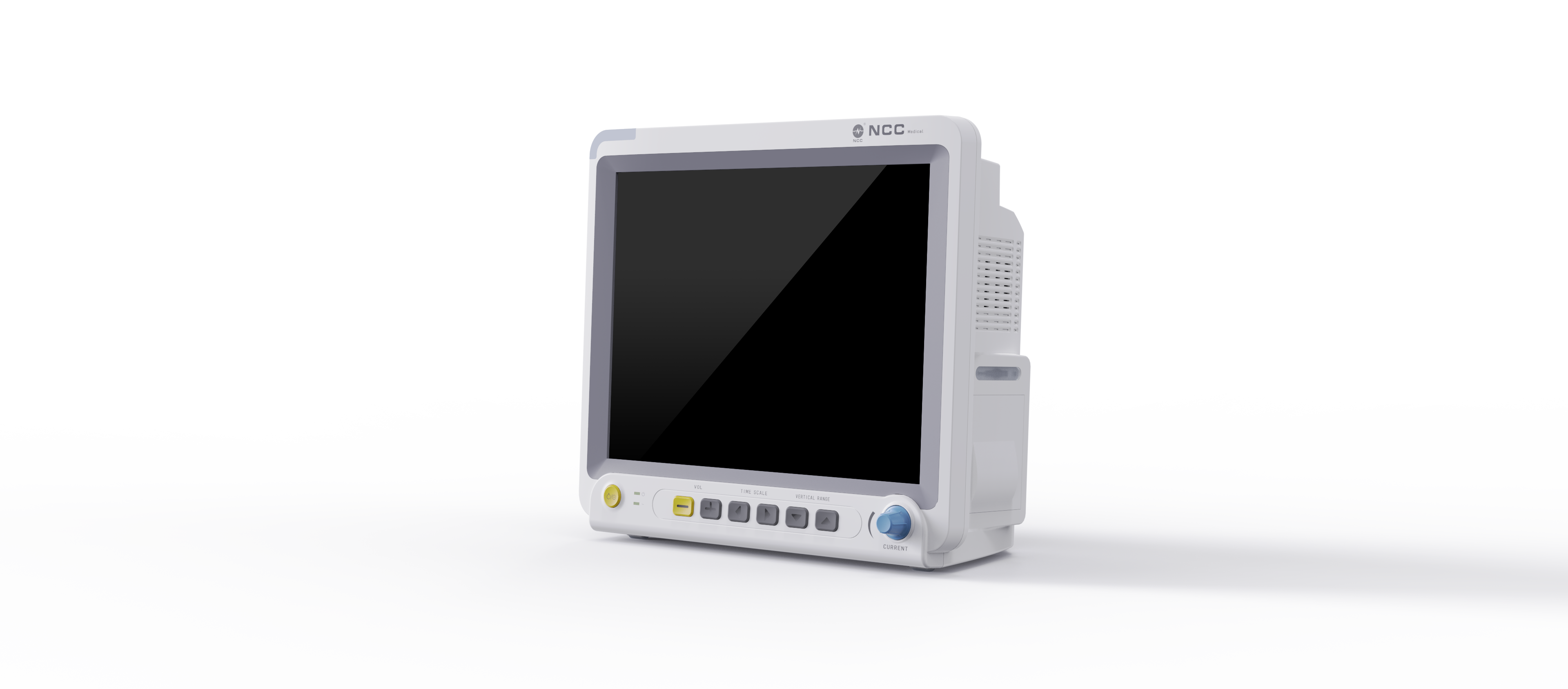
For healthcare institutions and surgical centers performing complex procedures, the performance of Neuromonitoring Devices directly affects surgical safety and patient outcomes. Modern Neuromonitoring Devices integrate multi-modal monitoring technologies, high-precision stimulation systems, and advanced data analysis platforms to provide comprehensive intraoperative neural monitoring. Through continuous monitoring and targeted stimulation, Neuromonitoring Devices allow surgeons to track neural pathway function in real time. Changes in waveform amplitude, latency, and signal patterns can indicate neural irritation or potential injury, enabling immediate surgical adjustments. For distributors and hospitals, advanced Neuromonitoring Devices provide reliable signal acquisition, compatibility with specialized electrodes, and seamless integration with hospital monitoring systems. These capabilities ensure consistent clinical performance and support a wide range of surgical specialties.

Integrated Multi-Modal Monitoring Improves Surgical Precision

Modern Neuromonitoring Devices integrate multiple neurophysiological monitoring modalities including SEP, MEP, EMG, EEG, and AEP within a single platform. This multi-modal approach enables comprehensive evaluation of both sensory and motor pathways during surgery. Surgeons can simultaneously monitor spinal cord signals, brain activity, and muscle responses, providing a full picture of neural function throughout the procedure. By combining these monitoring techniques, Neuromonitoring Devices significantly enhance surgical accuracy and reduce the risk of damaging critical neural structures.

High-Channel Signal Acquisition Ensures Stable Neurophysiological Data

Advanced Neuromonitoring Devices are equipped with multi-channel amplifiers and high-precision signal acquisition systems. Independent amplifier channels maintain signal stability and prevent interference during simultaneous monitoring. With common-mode rejection ratios above 110 dB and ultra-low noise levels below 1 µV, these Neuromonitoring Devices can capture extremely small neural signals. This high-quality signal acquisition is essential for accurate interpretation of electrophysiological responses during surgery.

Real-Time Neural Monitoring Enhances Patient Safety

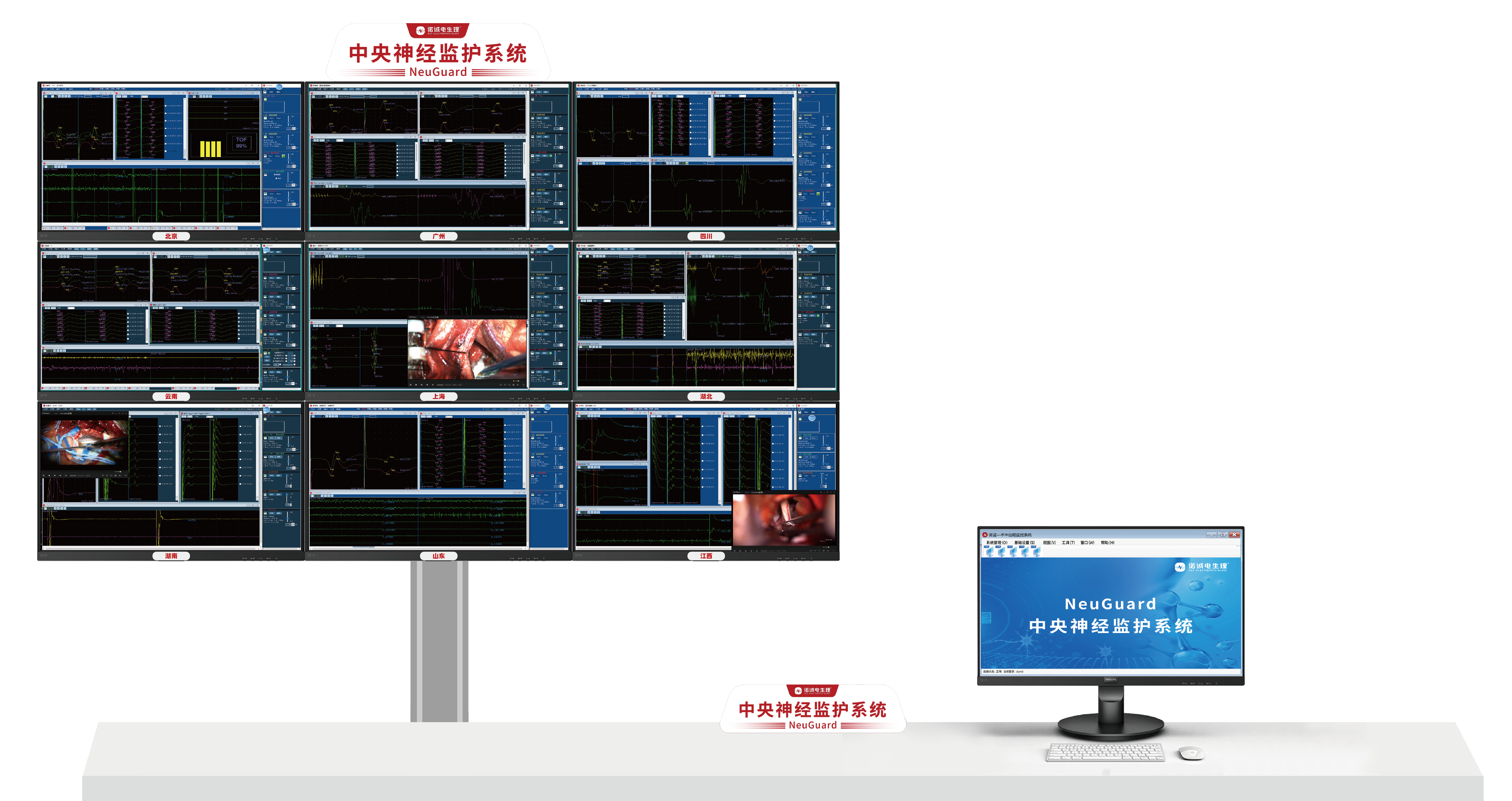
Continuous monitoring is one of the most important capabilities of modern Neuromonitoring Devices. The system tracks waveform trends, amplitude variations, and latency changes throughout the surgical procedure. If abnormal signals occur, clinicians can immediately identify potential neural damage and modify surgical techniques. As a result, Neuromonitoring Devices help reduce neurological complications and significantly improve postoperative outcomes for patients undergoing complex surgical procedures.

Related Products

Neuromonitoring Devices are specialized medical systems designed to monitor neural function during surgical procedures. By combining electrical stimulation technology with high-precision signal acquisition, these Neuromonitoring Devices provide real-time information about neural pathway activity, helping surgeons protect critical nerves and spinal cord structures. The system supports multiple monitoring modes including SEP, MEP, EMG, EEG, and AEP, allowing clinicians to evaluate both sensory and motor pathways simultaneously. High-channel amplifiers ensure stable signal acquisition, while ultra-low noise electronics capture extremely small neural signals with high accuracy. Integrated stimulation modules provide constant-current output, enabling precise nerve localization and functional verification.

About NCC Medical Group

NCC Medical Group is a globally recognized manufacturer specializing in advanced neurodiagnostic and neuromonitoring technologies. As a nationally recognized SRDI “Little Giant” enterprise, NCC represents one of the leading innovators in the neurophysiology medical device industry. The SRDI designation—Specialized, Refined, Differential, and Innovational—is awarded to companies that demonstrate strong technological capabilities and core patented innovations.

Founded in 1997, NCC has accumulated more than two decades of experience in the development of neurodiagnostic systems and intraoperative neuromonitoring equipment. The company’s primary research and manufacturing center is located in Shanghai, China, a major global hub for high-technology medical device development. From this center, NCC conducts advanced research in neurophysiology monitoring technologies while maintaining strict manufacturing standards.

To ensure international product quality and regulatory compliance, NCC operates a dedicated quality management and compliance center in Singapore. This facility supports global regulatory alignment, product certification, and international distribution management. Through this dual-center structure, NCC ensures that all products meet the requirements of healthcare institutions worldwide.

NCC specializes in multiple areas of neurophysiology technology, including intraoperative neuromonitoring (IONM), electroencephalography (EEG), polysomnography (PSG), electromyography (EMG), and neurophysiology medical consumables. These technologies are widely used in hospitals for neurological diagnostics, surgical monitoring, and advanced patient care.

The company’s operational strategy is built around three key pillars. The first pillar is research and manufacturing, where engineering teams focus on innovation in neurophysiology monitoring technologies and precision device production. The second pillar is global sales and export operations, which support international expansion through partnerships with distributors and healthcare institutions worldwide. The third pillar is clinical service and innovation, which provides professional training, technical support, and continuing education for healthcare providers.

Today, NCC’s clinical solutions are deployed in more than 50 countries and installed in over 5,000 hospitals across China. Hospitals rely on NCC technologies for accurate neurodiagnostic testing and reliable intraoperative monitoring. From major university hospitals to regional surgical centers, NCC systems support medical professionals in delivering safer surgeries and better patient outcomes.

To further support clinical users, NCC has established 31 training and technical support centers across China, providing hands-on education for clinicians and biomedical engineers. Through the NCC Innovation Academy, healthcare professionals receive continuous professional education on neurophysiology technologies such as EEG, EMG, and intraoperative neuromonitoring.

NCC is also actively expanding its global distributor network. By collaborating with international medical device partners, the company aims to make advanced neuromonitoring technologies more accessible to hospitals around the world.

Guided by its mission of “Safeguarding Life and Health,” NCC remains committed to advancing safer surgical procedures, improving diagnostic accuracy, and supporting high-quality patient care through innovative neurophysiology technologies.

FAQ

What are neuromonitoring devices used for during surgery?

Neuromonitoring Devices are used during surgical procedures to monitor neural function and protect critical nerves and spinal cord structures. By recording electrophysiological signals from the brain, spinal cord, and muscles, these devices provide real-time information about neural pathway activity. Surgeons can detect changes in neural signals that may indicate nerve irritation or injury and adjust their surgical approach accordingly. This technology is widely used in neurosurgery, spinal surgery, ENT surgery, and thyroid surgery.
Modern Neuromonitoring Devices integrate multiple monitoring modalities such as somatosensory evoked potentials (SEP), motor evoked potentials (MEP), electromyography (EMG), electroencephalography (EEG), and auditory evoked potentials (AEP). By combining these techniques, the system can evaluate both sensory and motor neural pathways simultaneously, providing a comprehensive view of neurological function during surgery.
Neuromonitoring Devices improve surgical safety by continuously monitoring neural signals during the operation. If waveform changes indicate possible nerve damage, the surgical team can immediately modify the procedure to avoid permanent injury. This real-time monitoring significantly reduces the risk of neurological complications and improves overall surgical outcomes.

More Posts

Compliance and Cost-Effectiveness of Monopolar Needle in Medical Procedures

04

Mar

Compliance and Cost-Effectiveness of Monopolar Needle in Medical Procedures

Monopolar needles occupy a unique position in the spectrum of medical devices. Structurally simple enough to be considered consumables, their functional and regulatory demands are anything but simple. In clinical practice, these needles serve as both...
View More
Clinical Advantages and Supply Chain Assurance of Wireless EEG Devices

05

Mar

Clinical Advantages and Supply Chain Assurance of Wireless EEG Devices

Wireless EEG device technology is redefining the operational boundaries of neurodiagnostics. What was once confined to fixed electroencephalography laboratories is now extending into intensive care units, emergency departments, ambulatory environment...
View More
Compliance and Technical Advantages of Portable EEG Machines: Empowering Efficient Clinical Neuro Monitoring in Healthcare Institutions

05

Mar

Compliance and Technical Advantages of Portable EEG Machines: Empowering Efficient Clinical Neuro Monitoring in Healthcare Institutions

The true value of an eeg machine portable solution is not measured by how small it is, but by how reliably it performs when removed from the controlled environment of a neurophysiology laboratory and placed into the complexity of real clinical care. ...
View More
Technological Innovations and Application Potential of Portable EEG System in Healthcare Institutions

05

Mar

Technological Innovations and Application Potential of Portable EEG System in Healthcare Institutions

Electroencephalography is no longer confined to the neurophysiology laboratory. Over the past decade, the evolution of the portable EEG system has redefined how and where brain function can be monitored. What was once a scheduled, room-boun...
View More

Customer Reviews

Dr. Michael Thompson

“Our hospital adopted these Neuromonitoring Devices for spinal surgery monitoring, and the results have been excellent. The signal clarity and multi-modal monitoring capabilities allow our neurophysiology team to detect even small neural changes during surgery.”

Laura Bennett

“As a medical equipment distributor, we look for reliable and technically advanced products. These Neuromonitoring Devices provide stable monitoring signals and excellent compatibility with different electrode systems.”

Dr. Alejandro Ruiz

“The Neuromonitoring Devices have significantly improved our intraoperative monitoring workflow. The real-time waveform display and automated analysis tools help our team make faster clinical decisions during complex procedures.”

Get a Free Quote

Our representative will contact you soon.
Email
Name
Mobile
Your Role
Company Name
Message
0/1000
Comprehensive Multi-Modal Neurophysiology Monitoring Platform

Comprehensive Multi-Modal Neurophysiology Monitoring Platform

Modern Neuromonitoring Devices integrate SEP, MEP, EMG, EEG, and AEP monitoring technologies into one platform, allowing clinicians to evaluate neural pathways comprehensively during surgery.
High-Precision Signal Acquisition with Ultra-Low Noise Amplifiers

High-Precision Signal Acquisition with Ultra-Low Noise Amplifiers

Advanced amplifiers and high common-mode rejection technology allow Neuromonitoring Devices to capture extremely weak neural signals with high accuracy and stability.
Intelligent Data Analysis and Real-Time Surgical Monitoring

Intelligent Data Analysis and Real-Time Surgical Monitoring

Integrated software in Neuromonitoring Devices provides waveform analysis, trend monitoring, and automated reporting tools that help clinicians interpret neurophysiological data efficiently during surgery.

Copyright © NCC Medical Co., Ltd.  -  Privacy policy