Remote Neuromonitoring Systems for Surgical Safety & Efficiency

All Categories

Remote Neuromonitoring Systems for Hospitals and Surgical Centers Enabling Real-Time Intraoperative Neurophysiology

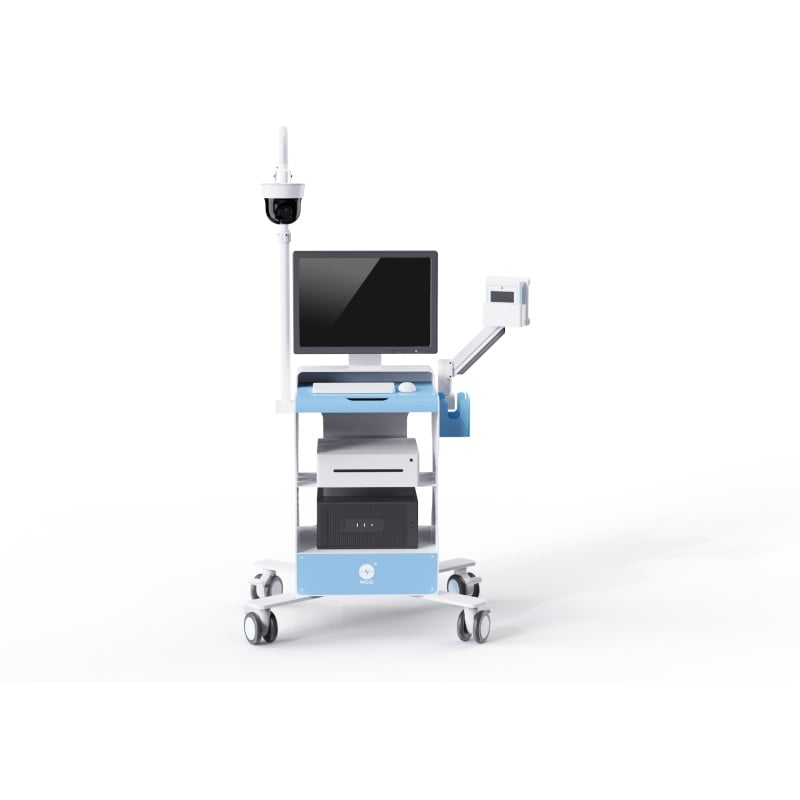
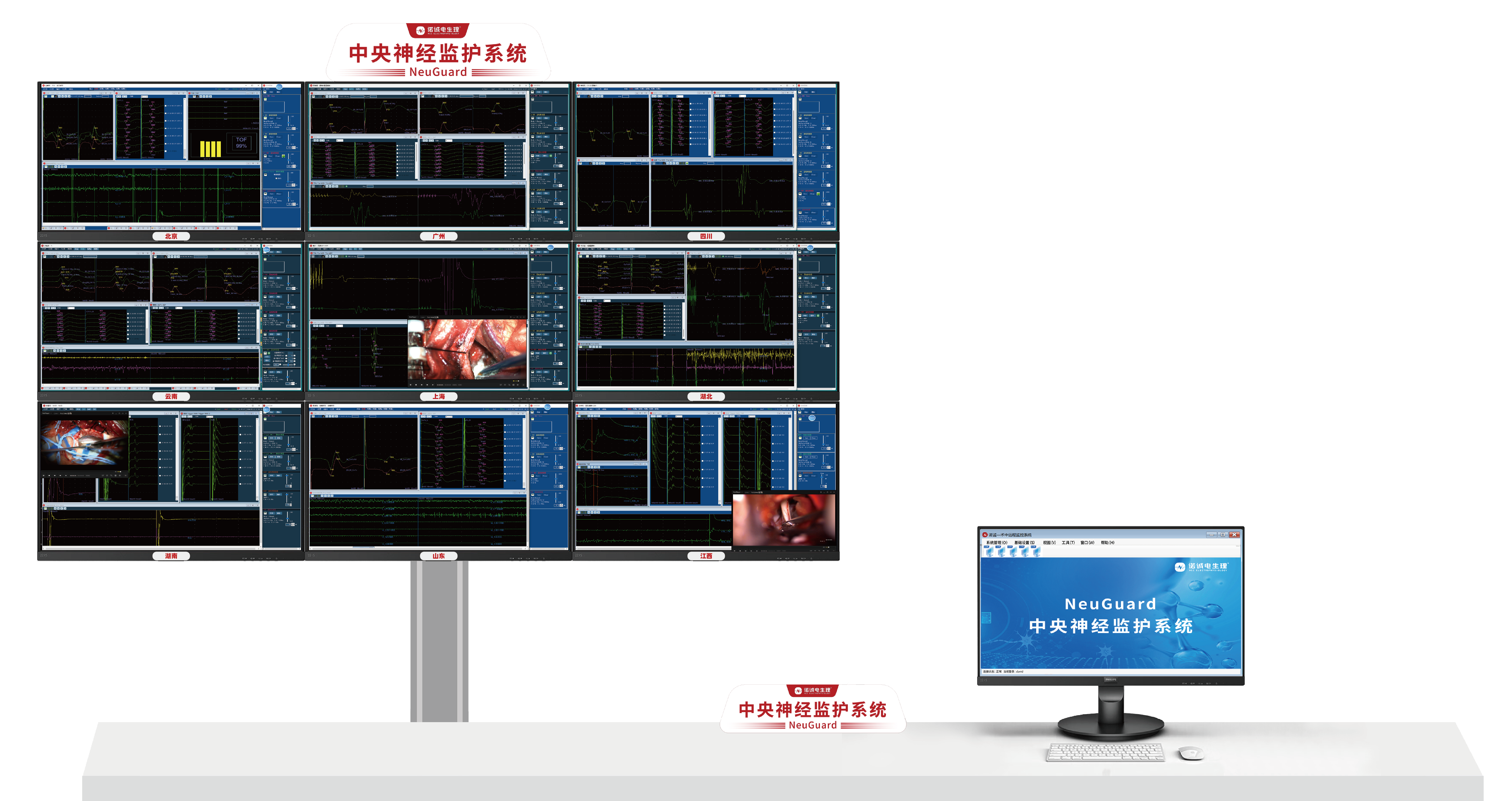
Remote Neuromonitoring has become a key technology in modern surgical environments, enabling neurophysiological specialists to monitor neural function from remote monitoring centers while surgeons perform procedures in the operating room. Through secure data transmission, Remote Neuromonitoring platforms provide continuous access to intraoperative neurophysiological signals such as SEP, MEP, EMG, EEG, and AEP, allowing experts to evaluate neural pathways in real time and assist surgical teams in preventing nerve damage. Advanced Remote Neuromonitoring systems combine high-channel amplifiers, intelligent signal processing, cloud connectivity, and synchronized video transmission. This integrated infrastructure allows neurophysiologists located outside the operating room—or even in another city—to analyze neural activity during complex surgeries such as spinal correction, neurosurgery, thyroid surgery, vascular surgery, and ENT procedures.
Get A Quote

Remote Neuromonitoring

In modern operating rooms, the ability to combine advanced neurophysiological monitoring with remote clinical expertise is becoming increasingly important. Remote Neuromonitoring solutions provide hospitals with reliable neural pathway assessment while enabling experienced neurophysiologists to supervise multiple surgeries from centralized monitoring stations. By integrating high-precision hardware, multi-modal monitoring capabilities, and secure data communication technologies, Remote Neuromonitoring systems deliver significant benefits in surgical safety, operational efficiency, and clinical collaboration.

Centralized Expert Supervision Through Remote Neuromonitoring Platforms

Remote Neuromonitoring allows experienced neurophysiologists to supervise intraoperative neurophysiological monitoring from centralized monitoring stations. Through secure network connectivity, specialists can observe real-time waveforms, latency changes, and amplitude trends during surgery. This approach ensures that hospitals without full-time neurophysiology experts can still access professional monitoring services. Remote Neuromonitoring improves collaboration between surgical teams and monitoring specialists while maintaining consistent monitoring quality across multiple operating rooms or hospital locations.

Multi-Modal Remote Neuromonitoring Ensures Comprehensive Neural Pathway Assessment

Modern Remote Neuromonitoring systems integrate multiple monitoring modalities including SEP, MEP, EMG, EEG, and AEP. This multi-modal architecture allows neurophysiologists to evaluate sensory pathways, motor pathways, cortical activity, and peripheral nerve function simultaneously. Through remote visualization platforms, specialists can interpret complex neurophysiological data while surgeons continue the procedure. Remote Neuromonitoring therefore provides a comprehensive assessment of neural integrity throughout surgery, reducing the risk of postoperative neurological deficits.

Real-Time Alerts and Data Analytics Improve Surgical Safety

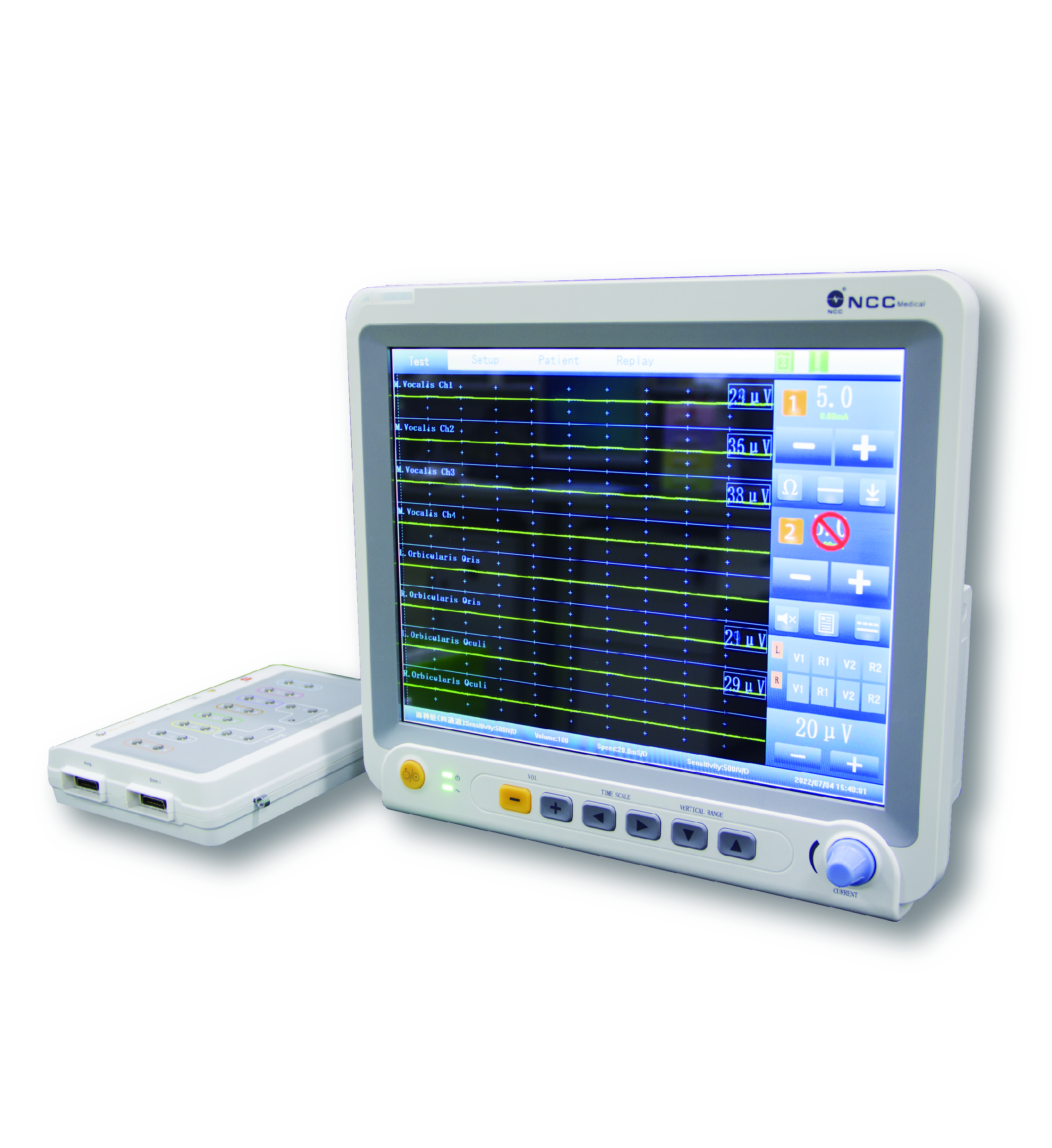
Remote Neuromonitoring platforms include intelligent signal analysis, automated alerts, and continuous waveform trending. When neural signal changes exceed predefined thresholds, the system immediately notifies the surgical team and remote neurophysiology specialists. By identifying neural pathway stress early, Remote Neuromonitoring allows surgeons to adjust surgical maneuvers before permanent nerve damage occurs. Advanced artifact filtering, impedance monitoring, and noise suppression ensure accurate signal interpretation even in electrically complex operating room environments.

Related Products

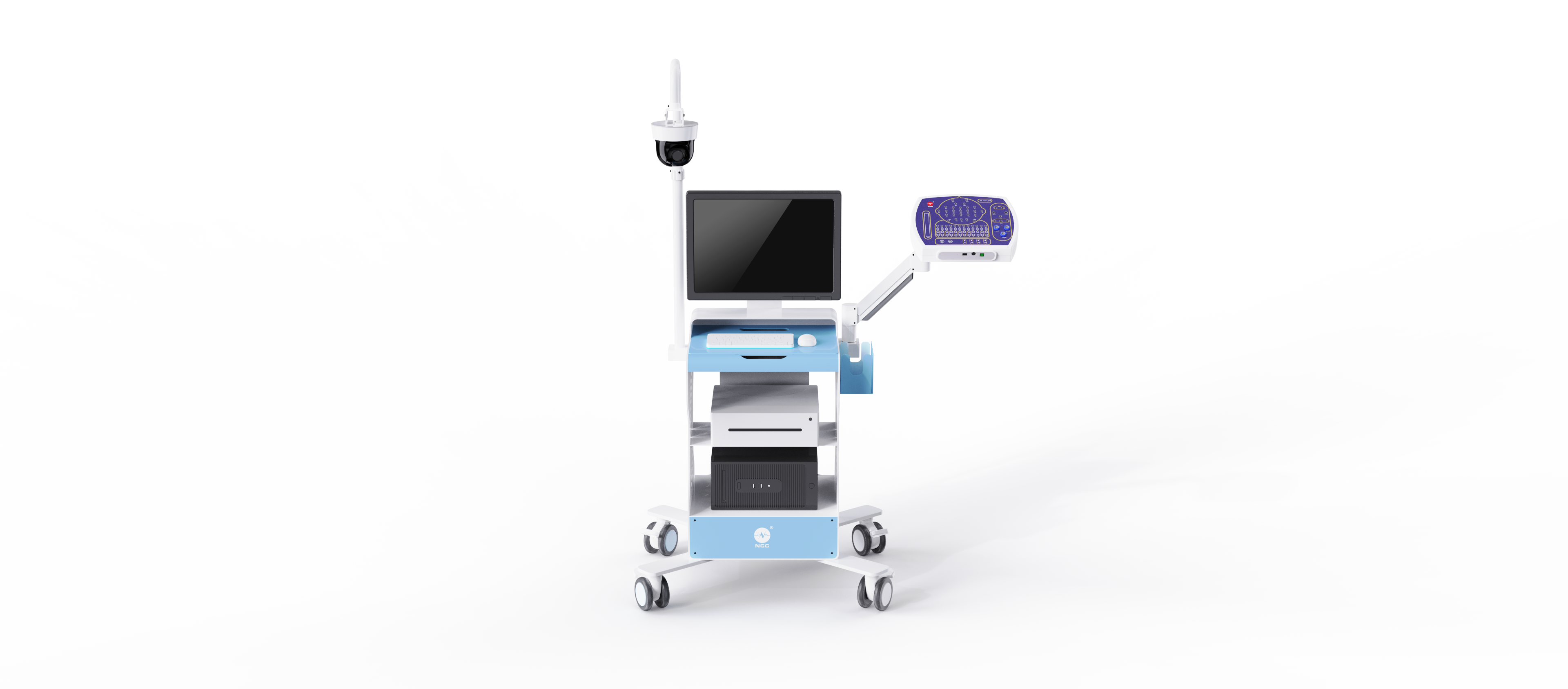
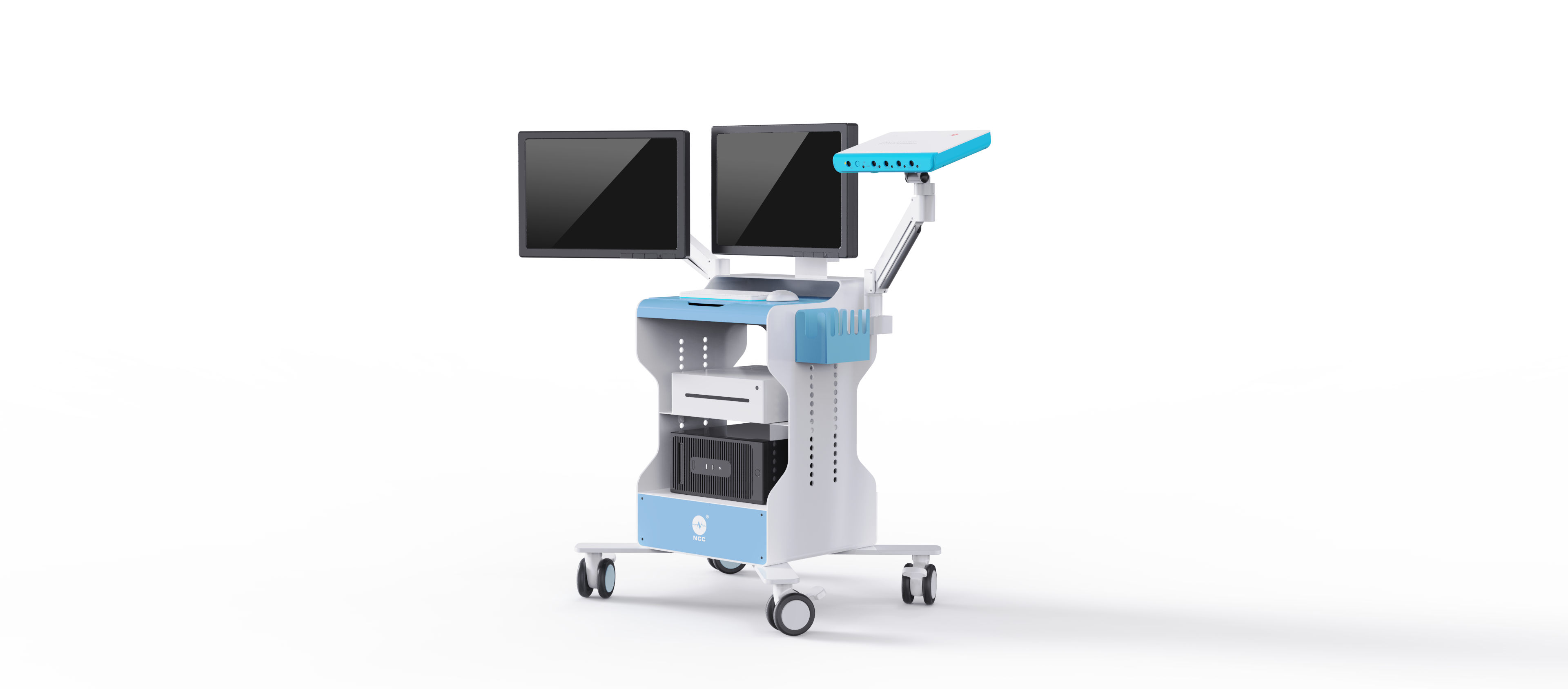
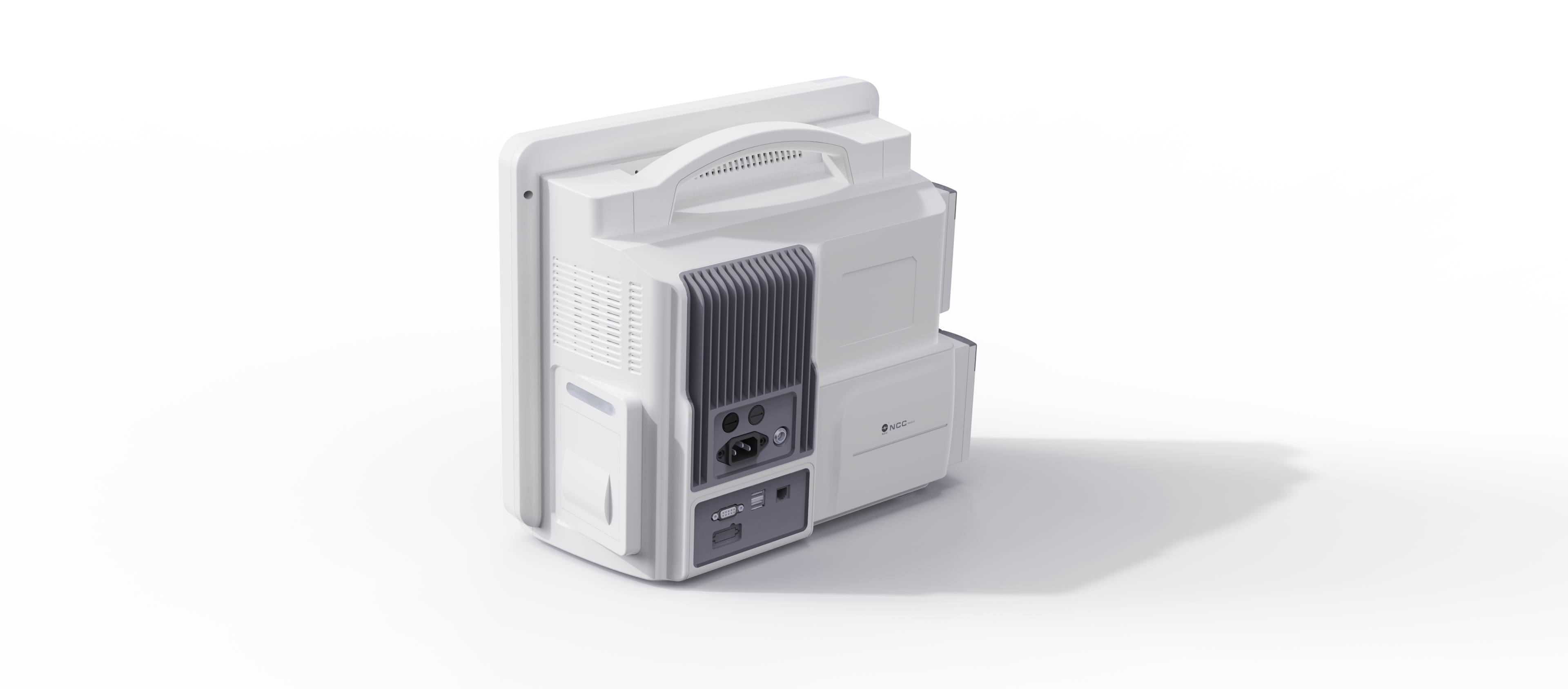
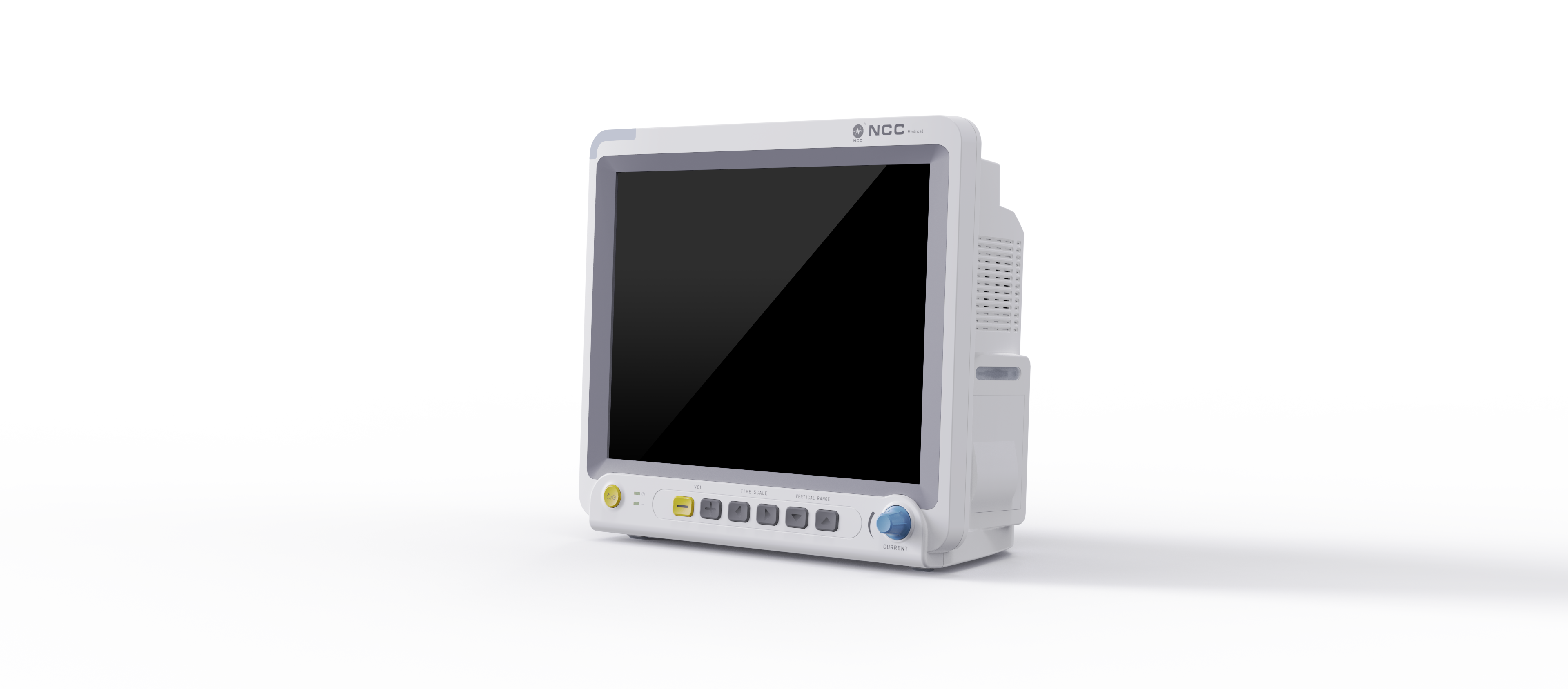
The Remote Neuromonitoring system is a comprehensive intraoperative neurophysiology solution designed for hospitals, surgical centers, and neurophysiology service providers. It combines high-precision monitoring hardware with secure remote connectivity, enabling specialists to monitor neural function from centralized monitoring facilities while surgeries are performed in the operating room. The system supports multiple neurophysiological monitoring modes including SEP, MEP, EMG, EEG, and AEP. These modalities allow physicians to evaluate both sensory and motor neural pathways in real time. Continuous waveform monitoring enables specialists to analyze amplitude changes, latency variations, and waveform morphology throughout the surgical procedure.

About NCC Medical Group

NCC Medical Group is a globally recognized manufacturer specializing in neurodiagnostic and intraoperative neuromonitoring technologies. Established in 1997, the company has grown into a leading developer of advanced neurophysiology solutions including EEG systems, EMG equipment, sleep diagnostic devices, intraoperative neuromonitoring platforms, and specialized medical consumables.

As a National “Little Giant” enterprise recognized under the SRDI program—Specialized, Refined, Differential, and Innovational—NCC is acknowledged for its technological expertise and patented innovations in neurophysiology equipment. This prestigious designation is awarded by the government to companies that demonstrate exceptional capabilities in specialized manufacturing and advanced research.

NCC’s global operational structure combines research excellence, manufacturing efficiency, and international quality management. The company’s primary research and manufacturing center is located in Shanghai, China, where engineering teams focus on developing high-precision neurophysiology technologies and producing reliable medical devices for global healthcare markets.

To ensure international regulatory compliance and quality assurance, NCC maintains a global quality and compliance hub in Singapore. This facility oversees international certifications, regulatory coordination, and quality management systems to ensure that all products meet global medical device standards.

The company’s product portfolio includes intraoperative neuromonitoring systems, EEG and PSG diagnostic platforms, EMG equipment, and a wide range of medical electrodes and consumables. Among these technologies, Remote Neuromonitoring solutions represent an important innovation, enabling hospitals to implement centralized neurophysiology monitoring networks and remote clinical collaboration.

NCC’s global footprint continues to expand. The company’s technologies are currently deployed in more than 50 countries and over 5,000 hospitals across China. International distribution partners support the delivery of NCC products to healthcare providers throughout Southeast Asia, Australia, Europe, the Americas, and Africa.

To support clinical implementation, NCC operates 31 training and technical support centers throughout China. These centers provide professional training programs for clinicians, biomedical engineers, and neurophysiology technicians. Through the NCC Innovation Academy and the NeuGuard Service Platform, the company delivers continuous professional education, remote technical support, and clinical collaboration opportunities.

NCC’s mission is to safeguard life and health by advancing surgical safety, accurate neurodiagnostics, and high-quality patient care. By combining advanced engineering, global distribution networks, and comprehensive training programs, NCC Medical Group continues to support healthcare providers worldwide with reliable neurophysiology technologies and innovative Remote Neuromonitoring solutions.

FAQ

What is remote neuromonitoring and how does it work during surgery?

Remote Neuromonitoring is a technology that allows neurophysiologists to monitor neural function during surgery from a remote location. Using secure network communication, intraoperative monitoring data—including SEP, MEP, EMG, EEG, and AEP signals—is transmitted from the operating room to a remote monitoring center. Specialists can analyze neural signals in real time and communicate directly with the surgical team when abnormalities are detected. This approach ensures expert supervision during surgery even when a neurophysiologist is not physically present in the operating room.
Remote Neuromonitoring is widely used in surgeries where neural structures are at risk. These include spinal deformity correction, neurosurgery, brain tumor surgery, thyroid procedures involving the recurrent laryngeal nerve, ENT operations, vascular surgery, and orthopedic procedures. By continuously monitoring neural pathways during these operations, Remote Neuromonitoring systems help surgeons detect potential nerve damage early and prevent permanent neurological deficits.
Hospitals benefit from Remote Neuromonitoring by gaining access to experienced neurophysiologists without requiring them to be present in every operating room. This centralized monitoring model improves clinical efficiency and reduces staffing challenges. Remote Neuromonitoring also enables collaboration between surgeons and monitoring specialists across multiple locations, improving surgical safety while optimizing hospital resources.

More Posts

Technical Advantages and Clinical Application Value of Intraoperative Monitors

04

Mar

Technical Advantages and Clinical Application Value of Intraoperative Monitors

A Technical and Procurement Perspective from NCC MEDICAL Co., Ltd In contemporary operating rooms, surgical outcomes are no longer determined solely by procedural proficiency. Increasingly, they depend on the continuity, accuracy, and clinical interp...
View More
Clinical Value and Risk Management in Medical Institution Procurement of Bluetooth EEG Headsets

05

Mar

Clinical Value and Risk Management in Medical Institution Procurement of Bluetooth EEG Headsets

In recent years, the bluetooth EEG headset has transitioned from a consumer-focused neurotechnology accessory to a clinically relevant medical device category. The growing demand for sleep diagnostics, cognitive disorder screening, pediatric neurolog...
View More
Technical Advantages and Stable Supply Analysis of Professional EMG Stimulators in Clinical Diagnostics

04

Mar

Technical Advantages and Stable Supply Analysis of Professional EMG Stimulators in Clinical Diagnostics

In clinical neurophysiology, the emg stimulator is often underestimated. It appears, at first glance, to be a controlled current source—an accessory to the electromyography system. In reality, it is the metrological reference upon which n...
View More
Technical Features and Compliance Procurement Strategies for Concentric EMG Needles

05

Mar

Technical Features and Compliance Procurement Strategies for Concentric EMG Needles

Concentric EMG needle electrodes are among the most frequently used consumables in clinical neurophysiology, yet they are often underestimated in technical complexity. In routine electromyography, the difference between a clean motor unit potential a...
View More

Customer Reviews

Dr. Michael Thompson – Neurosurgeon

“Our hospital implemented a Remote Neuromonitoring system two years ago, and the improvement in surgical safety has been remarkable. Neurophysiology experts can monitor our complex spinal surgeries remotely while we operate. The system’s real-time alerts and multi-modal monitoring capabilities provide confidence that neural pathways are continuously protected.”

Laura Martinez – Biomedical Engineering Manager

“As a biomedical engineering manager responsible for equipment procurement, I was impressed by the stability and connectivity of the Remote Neuromonitoring platform. It integrates seamlessly with hospital networks and provides reliable signal transmission. The system allows our neurophysiology specialists to supervise several operating rooms from one monitoring center.”

Dr. David Chen – Spine Surgeon

“The Remote Neuromonitoring system has significantly improved our surgical workflow. Neurophysiologists can analyze signals in real time and provide immediate feedback if neural function changes. This collaboration between surgeons and remote monitoring specialists helps ensure patient safety during complex spinal procedures.”

Get a Free Quote

Our representative will contact you soon.
Email
Name
Mobile
Your Role
Company Name
Message
0/1000
Advanced Remote Neuromonitoring Network Architecture

Advanced Remote Neuromonitoring Network Architecture

The system enables secure transmission of intraoperative neurophysiological signals and surgical video streams to centralized monitoring centers, allowing specialists to supervise surgeries remotely and provide real-time clinical guidance.
Comprehensive Multi-Modal Remote Neuromonitoring

Comprehensive Multi-Modal Remote Neuromonitoring

The platform integrates SEP, MEP, EMG, EEG, and AEP monitoring technologies, providing complete evaluation of neural pathways and ensuring accurate neurological assessment throughout surgical procedures.
Cloud-Enabled Data Management and Remote Collaboration

Cloud-Enabled Data Management and Remote Collaboration

Remote Neuromonitoring platforms support cloud data storage, remote consultation, and multi-center collaboration, enabling hospitals to build scalable neurophysiology networks and improve surgical monitoring efficiency.

Copyright © NCC Medical Co., Ltd.  -  Privacy policy