Professional 10 20 EEG Electrode Systems for Accurate Neurophysiology Monitoring and Clinical Brain Signal Acquisition

All Categories

Professional 10 20 EEG Electrode Systems for Accurate Neurophysiology Monitoring and Clinical Brain Signal Acquisition

The 10 20 EEG system remains the global standard for electrode placement in electroencephalography, enabling consistent and reproducible brain signal acquisition across clinical, research, and surgical environments. Designed for hospitals, neurophysiology laboratories, sleep centers, and neurology departments, modern 10 20 EEG electrode solutions integrate advanced materials, ergonomic headcap structures, and intelligent signal acquisition technologies to ensure high-quality data collection. In contemporary neurodiagnostic workflows, a reliable 10 20 EEG configuration plays a crucial role in neurological disorder evaluation, epilepsy monitoring, cognitive research, sleep analysis, and intraoperative neurophysiological monitoring. By using standardized electrode spacing based on anatomical landmarks, the 10 20 EEG method ensures repeatability across different patients, devices, and clinical facilities worldwide.
Get A Quote

10 20 EEG

For neurophysiology laboratories and medical equipment distributors, the 10 20 EEG system offers a proven framework for consistent brain signal monitoring. The value of the 10 20 EEG configuration extends far beyond simple electrode placement. Modern 10 20 EEG electrode systems integrate advanced materials engineering, ergonomic structural design, and intelligent signal acquisition technologies. These improvements enhance signal stability, reduce impedance fluctuations, and simplify electrode application procedures. High-quality 10 20 EEG solutions also reduce setup time for clinicians and technicians, improve patient comfort during long recordings, and increase diagnostic accuracy in complex neurological assessments. From epilepsy diagnostics to sleep monitoring and brain-computer interface research, the 10 20 EEG standard continues to provide the backbone for reliable EEG signal collection worldwide.

Standardized Electrode Placement for Reliable Clinical Diagnostics

The 10 20 EEG system provides a globally accepted electrode placement framework that ensures consistent brain signal acquisition across hospitals and research laboratories. By defining electrode locations based on precise proportional distances between anatomical landmarks on the scalp, the 10 20 EEG methodology ensures repeatability and comparability of EEG recordings. This standardized structure allows clinicians to accurately identify abnormal brain activity, localize epileptic foci, and monitor neurological disorders with confidence. In addition, the 10 20 EEG format simplifies staff training, improves workflow efficiency, and allows seamless compatibility with most EEG amplifiers and neurodiagnostic software platforms used worldwide.

Low Impedance and High Signal Stability with Advanced Electrode Materials

Modern 10 20 EEG electrode systems utilize high-purity sintered silver/silver-chloride materials and optimized conductive structures to maintain extremely stable impedance levels. This low-impedance interface between the scalp and electrode reduces noise, minimizes baseline drift, and improves signal-to-noise ratio. As a result, the 10 20 EEG recording process can capture subtle neural signals critical for diagnosing neurological disorders such as epilepsy, sleep disorders, and cognitive impairment. High-quality materials also reduce electrode polarization and improve long-term signal stability, making the 10 20 EEG system particularly suitable for extended monitoring sessions in sleep laboratories or intensive care units.

Flexible Clinical Adaptation for Multiple Neurodiagnostic Applications

Another major strength of the 10 20 EEG system lies in its versatility. The 10 20 EEG configuration supports a wide range of clinical applications, including routine EEG testing, long-term epilepsy monitoring, polysomnography, intraoperative neuromonitoring, and neuroscience research. Modern 10 20 EEG electrode systems can integrate dry electrodes, pre-gelled electrodes, flexible headcaps, and active electrode technologies to adapt to different clinical environments. This adaptability enables hospitals and research institutions to standardize their neurodiagnostic workflows while maintaining flexibility for different patient populations, including adults, children, and neonates.

Related Products

The 10 20 EEG electrode system is designed to deliver reliable neurophysiological signal acquisition based on the internationally recognized electrode placement standard. A high-quality 10 20 EEG solution typically integrates sintered silver/silver-chloride electrodes, medical-grade conductive materials, and ergonomically designed headcap systems to ensure stable electrode-scalp contact during recording. Advanced manufacturing processes ensure that each 10 20 EEG electrode maintains low impedance, minimal polarization, and excellent corrosion resistance. These characteristics significantly improve signal fidelity during EEG monitoring sessions. Flexible electrode bases made from medical polymers such as silicone or polyimide allow the 10 20 EEG electrodes to conform naturally to the shape of the patient’s scalp, reducing movement artifacts and improving patient comfort during long monitoring procedures.

NCC MEDICAL GROUP is an internationally recognized manufacturer specializing in neurodiagnostic and neuro-monitoring technologies. Founded in 1997, the company has built a strong reputation for delivering advanced medical solutions used in neurology departments, operating rooms, sleep laboratories, and research institutions around the world.

As a government-recognized National “Little Giant” SRDI Enterprise, NCC represents a new generation of high-technology manufacturers focused on specialized, refined, differentiated, and innovative product development. This designation reflects the company’s commitment to technological innovation and its leadership in developing proprietary neurophysiology technologies.

The company’s research and manufacturing headquarters are located in Shanghai, China, a global hub for medical technology innovation. Here, NCC operates advanced R&D laboratories, precision manufacturing facilities, and comprehensive quality management systems. The Shanghai center focuses on product development, materials engineering, and large-scale production of neurodiagnostic equipment and medical consumables.

To ensure international compliance and global market access, NCC maintains a quality and regulatory management center in Singapore. This strategic hub supports global certification, regulatory compliance, and international distribution operations, ensuring that NCC products meet strict global standards.

NCC specializes in a wide range of neurodiagnostic solutions, including:

• Intraoperative Neuromonitoring Systems (IONM)
• Electroencephalography Systems (EEG / PSG)
• Electromyography Systems (EMG)
• Neurodiagnostic Electrodes and Medical Consumables

These technologies support neurologists, neurosurgeons, and clinical technicians in diagnosing neurological disorders, protecting neural function during surgery, and advancing neuroscience research.

To support healthcare professionals, NCC has developed a comprehensive service and education ecosystem. The company operates more than 31 clinical training and technical support centers across China, providing hands-on training for clinicians, biomedical engineers, and technicians. Through the NCC Innovation Academy, medical professionals receive continuous education in neurophysiology technologies, signal analysis, and clinical workflow optimization.

Another important component of NCC’s global strategy is the NeuGuard Service Platform, which integrates technical support, product training, and remote service capabilities. This platform ensures that hospitals and distributors receive timely technical assistance, helping them maintain reliable neurodiagnostic operations.

NCC’s products are currently used in over 50 countries and more than 5,000 hospitals in China. From large academic teaching hospitals to regional healthcare centers, NCC solutions help clinicians deliver accurate neurological diagnostics and safer surgical procedures.

The company continues to expand its global distributor network, working with medical equipment partners in Southeast Asia, Europe, Australia, Africa, and the Americas. Through these partnerships, NCC aims to make advanced neurodiagnostic technologies accessible to healthcare providers worldwide.

NCC’s mission is clear: Safeguarding Life and Health. By combining technological innovation, global collaboration, and professional training, NCC strives to improve patient outcomes and advance the field of neurophysiology.

FAQ

What is the purpose of the 10 20 EEG electrode placement system?

The 10 20 EEG electrode placement system is a globally recognized standard used for positioning EEG electrodes on the scalp in a consistent and reproducible manner. The term “10 20” refers to the proportional distances between electrodes, measured as 10% or 20% of the total distance between specific anatomical landmarks on the head. These landmarks typically include the nasion, inion, and preauricular points. By using the 10 20 EEG method, clinicians can ensure that EEG recordings from different patients, hospitals, or research laboratories can be reliably compared. The standardized placement also helps neurologists identify abnormal electrical activity patterns associated with neurological disorders such as epilepsy, sleep disorders, encephalopathy, and brain injuries.
Silver/silver-chloride electrodes are widely considered the gold standard material for 10 20 EEG systems because they provide stable electrochemical performance and low noise characteristics. The sintered Ag/AgCl structure allows reversible redox reactions to occur at the electrode-electrolyte interface, which minimizes polarization and baseline drift. This ensures that the 10 20 EEG system can accurately detect very small electrical signals generated by neural activity. Additionally, Ag/AgCl electrodes offer excellent corrosion resistance and long service life, making them suitable for repeated clinical use and extended monitoring sessions.
Yes, modern 10 20 EEG systems are specifically designed to support long-term monitoring applications such as epilepsy monitoring, sleep studies, and ICU brain monitoring. Advanced electrode designs use flexible materials, breathable adhesives, and low-impedance conductive structures to maintain stable electrode contact for many hours or even days. Some 10 20 EEG systems also integrate dry electrode technology or pre-gelled electrodes to simplify electrode preparation and improve patient comfort. These innovations make the 10 20 EEG system suitable for extended neurophysiological recordings in both clinical and research environments.

More Posts

Clinical Value and Compliance Assurance of Intraoperative Neuromonitoring Equipment

05

Mar

Clinical Value and Compliance Assurance of Intraoperative Neuromonitoring Equipment

Intraoperative neuromonitoring equipment is not merely an accessory in modern surgery; it is a real-time decision-support system positioned at the intersection of neurophysiology, surgical precision, and medico-legal accountability. In the operating ...
View More
Compliance and Technical Advantages of Portable EEG Machines: Empowering Efficient Clinical Neuro Monitoring in Healthcare Institutions

05

Mar

Compliance and Technical Advantages of Portable EEG Machines: Empowering Efficient Clinical Neuro Monitoring in Healthcare Institutions

The true value of an eeg machine portable solution is not measured by how small it is, but by how reliably it performs when removed from the controlled environment of a neurophysiology laboratory and placed into the complexity of real clinical care. ...
View More
Technological Innovations and Application Potential of Portable EEG System in Healthcare Institutions

05

Mar

Technological Innovations and Application Potential of Portable EEG System in Healthcare Institutions

Electroencephalography is no longer confined to the neurophysiology laboratory. Over the past decade, the evolution of the portable EEG system has redefined how and where brain function can be monitored. What was once a scheduled, room-boun...
View More
Supply Chain Management and Procurement Strategies for Ambulatory EEG Device

05

Mar

Supply Chain Management and Procurement Strategies for Ambulatory EEG Device

Purchasing an ambulatory EEG device is unlike acquiring most other medical equipment. You are not simply buying a standalone machine; you are investing in a system that must function seamlessly over years, supported by consumables, software, accessor...
View More

Customer Reviews

Review – Dr. Michael Thompson

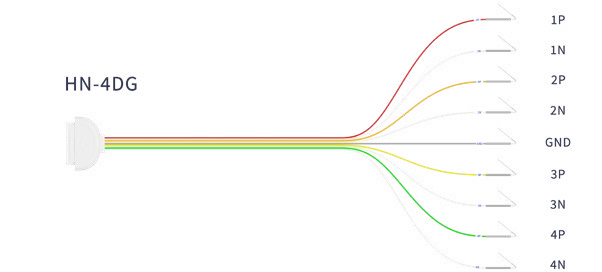
“Our neurology department has been using NCC’s 10 20 EEG electrode systems for routine EEG diagnostics and long-term epilepsy monitoring. The electrode quality is excellent, with very stable impedance and minimal noise. The color-coded electrode connectors and standardized headcap system make electrode placement extremely efficient for our technicians. Compared with other suppliers we previously used, the NCC 10 20 EEG solution significantly improved workflow efficiency while maintaining excellent signal quality.”

Review – Sarah Mitchell, Biomedical Engineer

“As a biomedical engineer responsible for maintaining EEG systems in our hospital network, I appreciate the build quality of NCC’s 10 20 EEG electrodes. The materials are durable and resistant to repeated disinfection procedures. Even after extensive use, the electrodes maintain stable signal performance. Our clinicians particularly like the ergonomic design of the 10 20 EEG headcaps, which makes long monitoring sessions more comfortable for patients.”

Review – Prof. David Carter

“In our neuroscience research laboratory, signal quality is critical. The 10 20 EEG electrode solutions from NCC have consistently delivered reliable and high-fidelity recordings. The electrodes maintain low impedance even during long experimental sessions, and the standardized 10 20 EEG configuration ensures reproducible results across multiple research studies. Their technical support team has also been very responsive and helpful.”

Get a Free Quote

Our representative will contact you soon.
Email
Name
Mobile
Your Role
Company Name
Message
0/1000
Advanced Electrode Materials for Superior Signal Quality

Advanced Electrode Materials for Superior Signal Quality

Modern 10 20 EEG electrode systems utilize high-purity sintered Ag/AgCl materials combined with optimized conductive structures. These advanced materials minimize electrode polarization and maintain stable impedance during EEG recordings. As a result, the 10 20 EEG system can capture high-resolution brain signals with minimal interference, enabling more accurate neurological diagnostics.
Flexible and Comfortable Headcap Designs for Long-Term Monitoring

Flexible and Comfortable Headcap Designs for Long-Term Monitoring

The latest 10 20 EEG headcap systems use elastic textile materials and flexible electrode bases that conform naturally to the patient’s scalp. This design significantly improves comfort during extended monitoring sessions. By maintaining stable electrode contact even during patient movement, the 10 20 EEG system reduces motion artifacts and ensures reliable signal acquisition.
Intelligent Integration for Modern Neurodiagnostic Systems

Intelligent Integration for Modern Neurodiagnostic Systems

Next-generation 10 20 EEG solutions incorporate intelligent technologies such as real-time impedance monitoring, digital signal transmission, and compatibility with advanced EEG amplifiers. These features enhance diagnostic accuracy while simplifying clinical workflows. For hospitals and distributors, the 10 20 EEG system provides a scalable platform that can integrate seamlessly with modern neurodiagnostic equipment.

Copyright © NCC Medical Co., Ltd.  -  Privacy policy