In complex neurosurgical procedures, it is natural to begin planning with the modalities available to the team. Yet a strong monitoring strategy does not begin with a device, a channel, or a predefined checklist. It begins with a clinical question.
The central issue is not simply which signals can be recorded. It is how real-time information will support the surgical team in protecting function, recognizing meaningful change, and making better-informed decisions throughout the procedure.
This is the foundation of a Question-First approach.
Before selecting monitoring modalities, the team should define what it needs to understand during each stage of surgery:
Only after these questions have been clarified does the selection of modalities become meaningful.
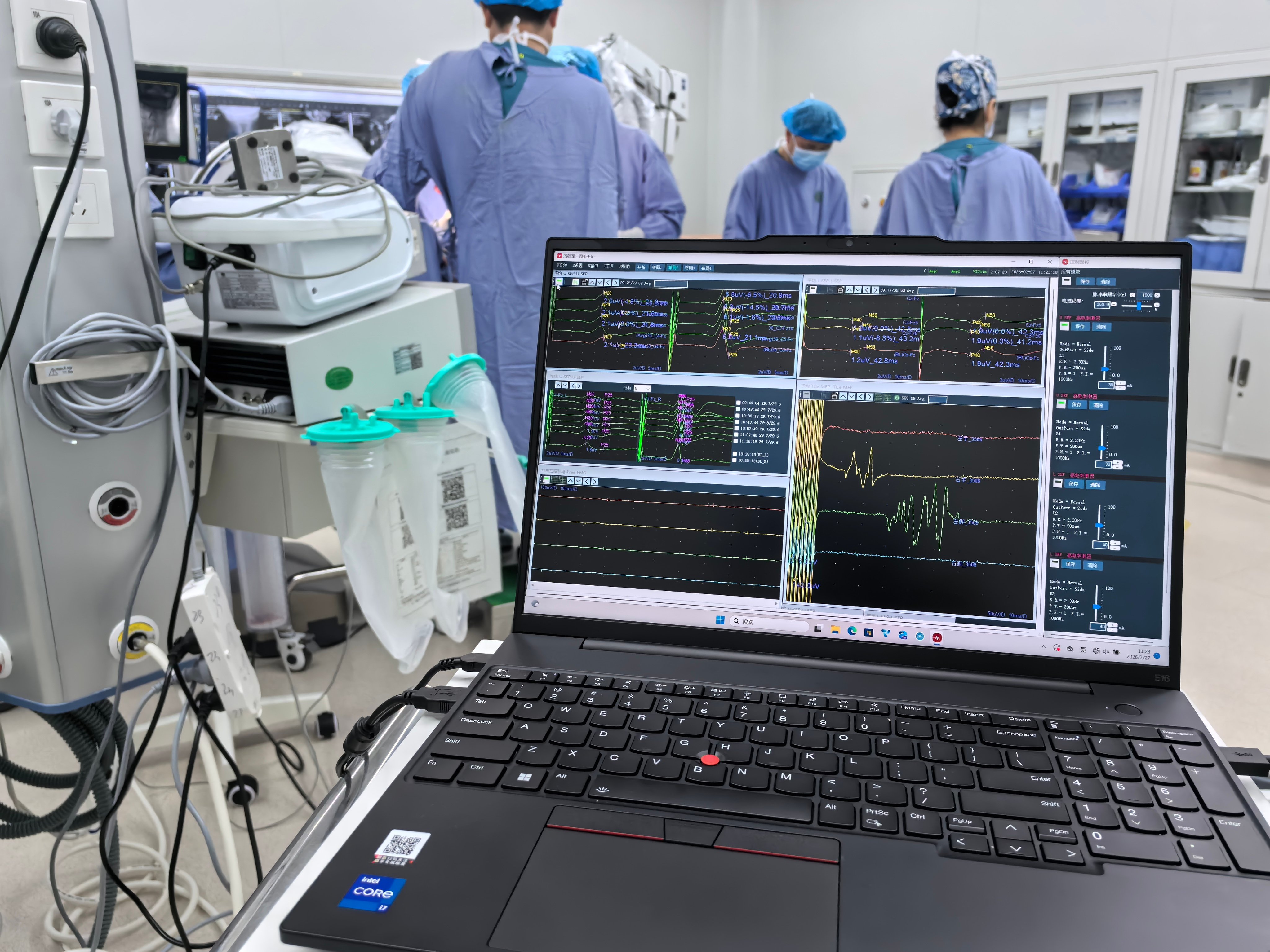
Technology gives clinicians access to an expanding range of physiological information. But more information does not automatically lead to better decision-making. Without a clear purpose, additional signals can increase complexity without improving clinical clarity.
A modality should therefore be selected because it addresses a defined functional concern—not simply because it is available or familiar. The relevant question is not, “What can we monitor?” but rather, “What do we need to know, and which information can help us know it?”
This distinction is particularly important in procedures where anatomy, surgical objectives, and functional risk may evolve during the operation. A monitoring plan that is appropriate at one stage may not answer the most important question at the next. The plan must remain connected to the operative context.
A useful monitoring strategy considers the procedure as a sequence of changing clinical questions rather than a single uninterrupted event.
At the beginning, the priority may be establishing a reliable baseline and confirming that the data are interpretable. As the operation progresses, attention may shift toward the structures exposed to manipulation, retraction, stimulation, dissection, or other procedural risks. During a critical surgical step, the team may need timely information about whether functional integrity is being maintained. After that step, the focus may turn to whether monitored responses have returned to an expected state and whether the data remain consistent with the clinical picture.
This stage-based perspective encourages the team to ask:
The value of monitoring is not limited to signal acquisition. It also depends on interpretation, communication, and the ability to connect a change in data with an appropriate clinical response.
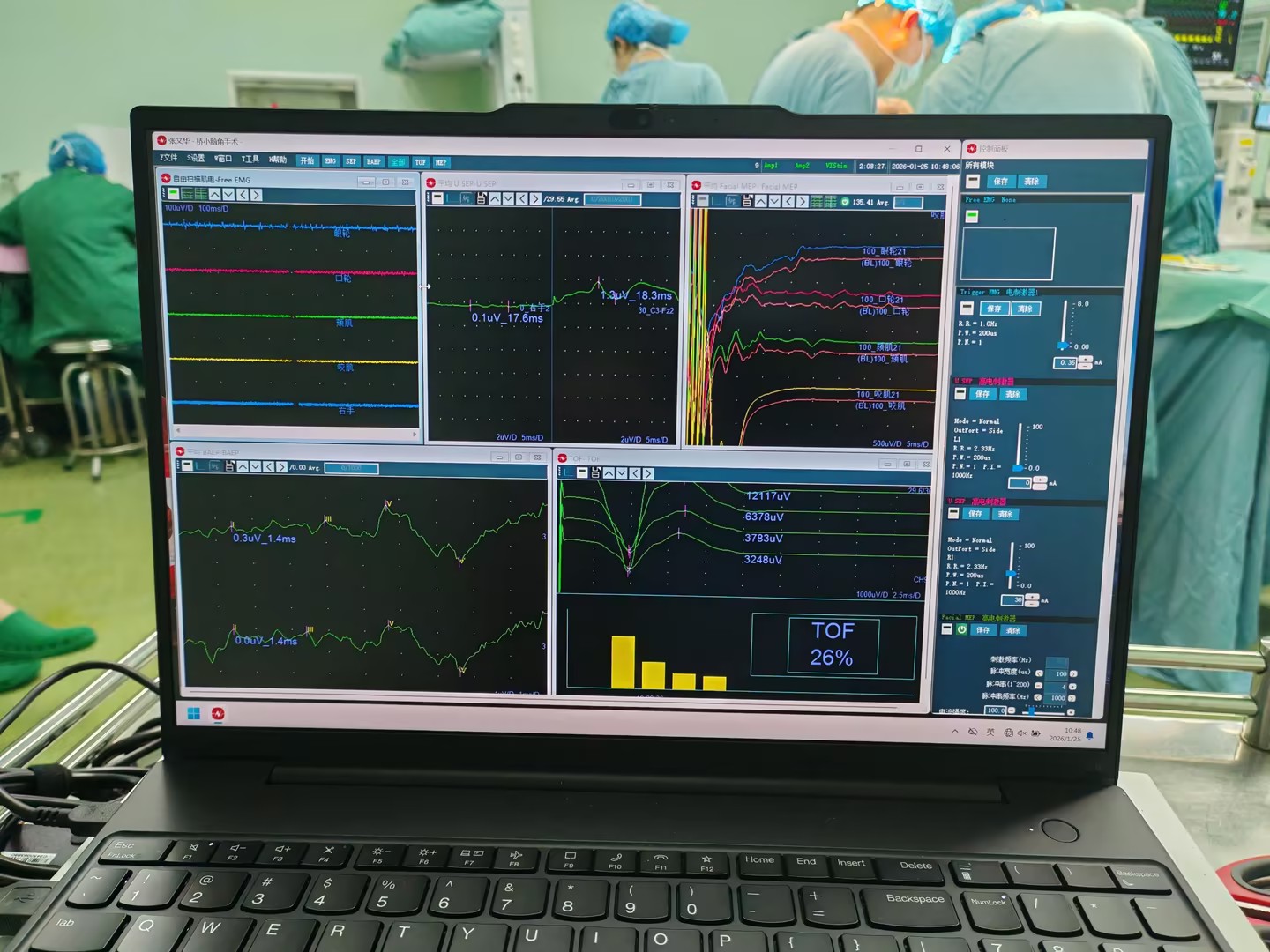
Multimodal monitoring is sometimes described as the use of several monitoring techniques at the same time. That description is technically accurate, but clinically incomplete.
The real value of a multimodal strategy lies in synthesis. Different sources of information may illuminate different aspects of functional status. Considered together, they can help the team form a more complete picture than any single signal could provide in isolation.
However, synthesis requires more than collecting parallel streams of data. It requires a shared understanding of:
A multimodal plan should reduce uncertainty, not merely increase the volume of information. Its success should be judged by whether it helps the team recognize relevant change and act with greater confidence and precision.
A question-first strategy becomes practical when each monitoring objective is linked to a decision point. For every major procedural stage, the team can define the information it needs and the possible actions that may follow.
For example, a planning discussion may distinguish among three levels of information:
What data are needed to establish a usable baseline and confirm that the monitoring setup is functioning as intended?
What change could indicate that a vulnerable structure or pathway requires closer attention? How should that change be communicated to the operating team?
If the data change in a clinically relevant way, what procedural adjustment, technical check, or multidisciplinary review should be considered?
This structure helps move monitoring from passive observation to active clinical support. It also makes preoperative communication more precise, because the team can discuss not only what will be monitored, but why it matters and how it will inform decisions.
No monitoring result should be interpreted in isolation from the circumstances in which it occurs. A change in data may have multiple possible explanations, including technical conditions, physiological variation, anesthetic considerations, positioning, or a genuine change in neural function.
For this reason, meaningful interpretation depends on context and communication. The monitoring team, surgeons, anesthesiologists, and other relevant specialists should share a common framework for reviewing unexpected findings. The goal is not to attach immediate certainty to every change, but to identify when a finding deserves verification, discussion, or action.
This is another reason to define the clinical question in advance. When the question is clear, the team is better positioned to distinguish information that is relevant to the current risk from information that is merely interesting.
The Question-First approach can be summarized in a simple planning sequence:
This sequence does not replace clinical judgment or local protocols. Instead, it provides a disciplined framework for making that judgment more explicit, more collaborative, and more closely connected to patient safety.
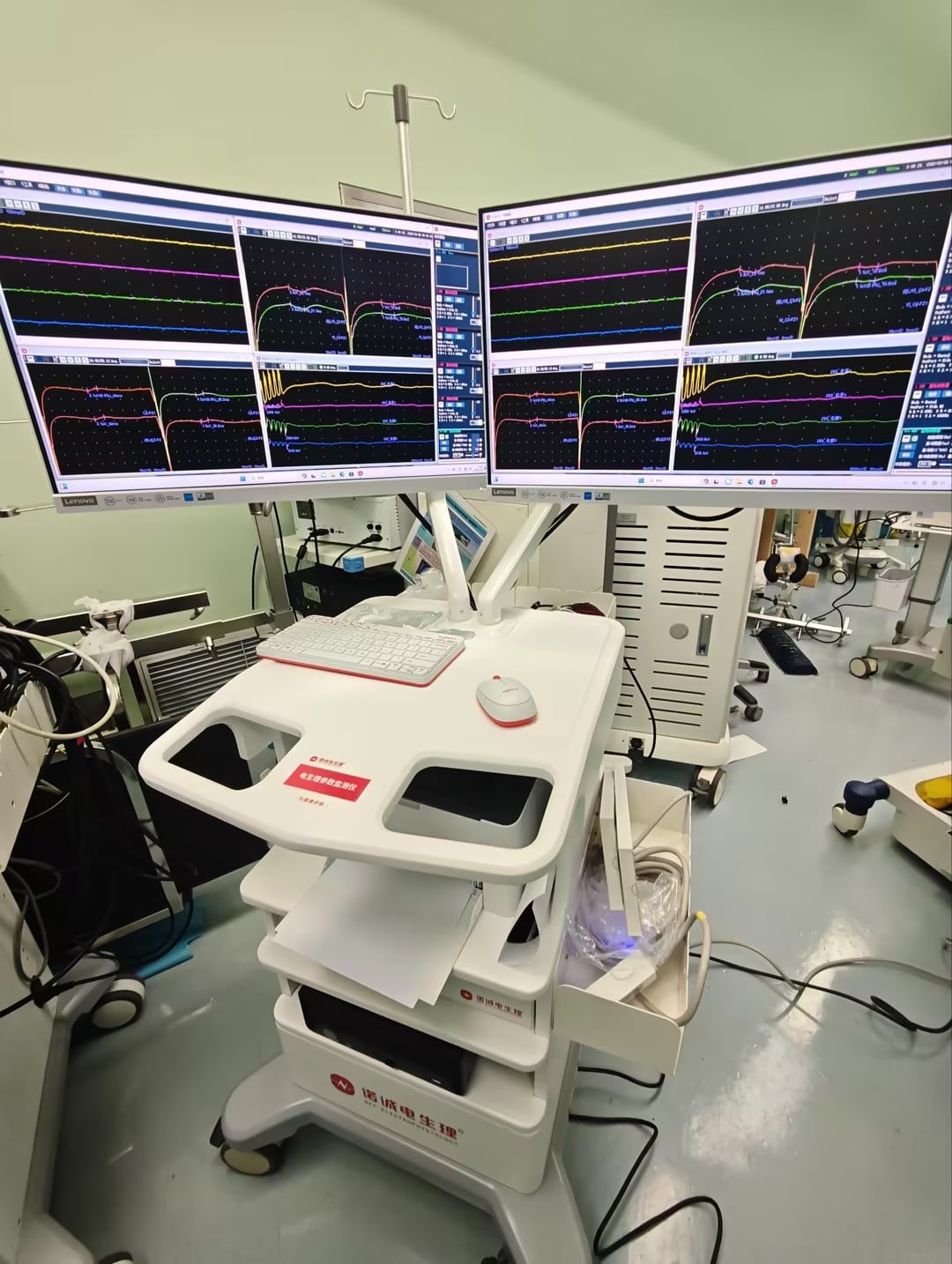
The purpose of monitoring is not to produce more data. It is to support the protection of patient function during a procedure in which conditions can change quickly and decisions may need to be made with incomplete information.
When a monitoring plan is anchored to a well-defined clinical question, every modality has a clearer role. The team can focus on the information that matters, communicate more effectively, and interpret findings within the context of the surgical objective.
That is the deeper value of a Question-First approach: it keeps technology connected to purpose.
Monitoring begins not with the modality, but with the question. And the most important question remains constant throughout the procedure:
How can the information available to us best support patient safety and functional integrity?
Copyright © NCC Medical Co., Ltd. - Privacy policy
 EN
EN