Neurophysiologic Monitoring Systems for Surgical Safety [32+ Channels]

All Categories

Neurophysiologic Monitoring Systems for Hospitals, Surgical Centers, and Medical Device Distributors

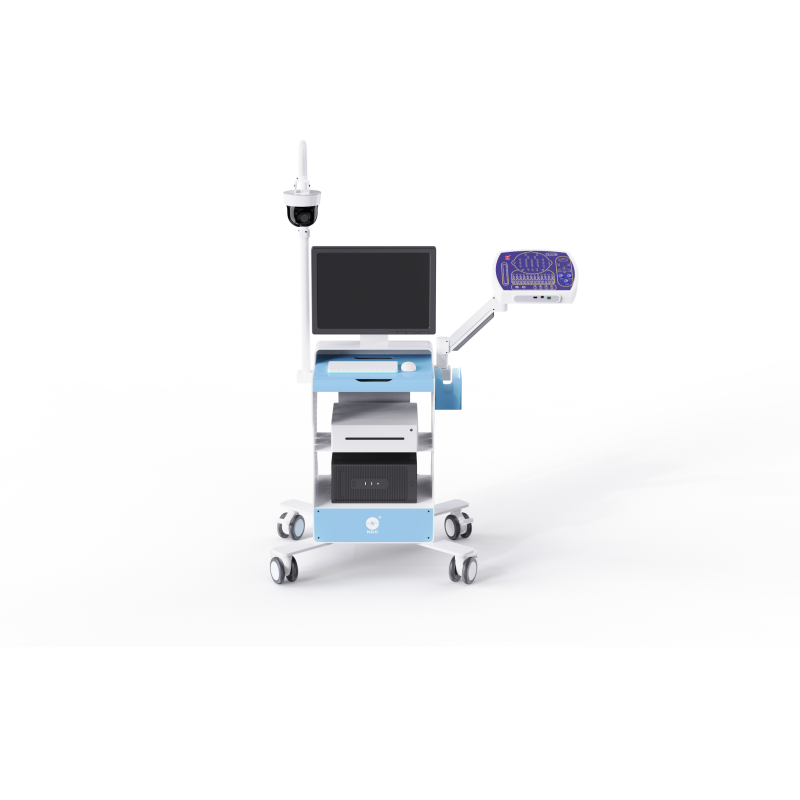
Neurophysiologic Monitoring is a critical technology used during complex surgical procedures to continuously assess the functional integrity of neural pathways. Hospitals, neurosurgical centers, and spine surgery teams rely on advanced Neurophysiologic Monitoring systems to detect potential nerve damage in real time and improve patient safety during surgery. Modern Neurophysiologic Monitoring platforms integrate multiple diagnostic modalities including somatosensory evoked potentials (SSEP), motor evoked potentials (MEP), electromyography (EMG), electroencephalography (EEG), and auditory evoked potentials (AEP). By combining these modalities in a single Neurophysiologic Monitoring system, clinicians can observe both sensory and motor neural pathways throughout surgical procedures.
Get A Quote

Neurophysiologic Monitoring

Modern Neurophysiologic Monitoring systems provide hospitals and surgical centers with reliable tools for protecting neural function during high-risk operations. By integrating advanced signal acquisition technology, intelligent monitoring software, and high-precision stimulation systems, Neurophysiologic Monitoring platforms deliver accurate real-time neurological feedback throughout surgical procedures. Unlike conventional monitoring tools, a professional Neurophysiologic Monitoring system supports multi-modal recording, automated artifact rejection, and continuous neural signal analysis. These capabilities allow clinicians to monitor the spinal cord, peripheral nerves, and brain pathways simultaneously.

Multi-Modal Neurophysiologic Monitoring for Comprehensive Neural Function Assessment

A modern Neurophysiologic Monitoring system integrates multiple monitoring modalities including SEP, MEP, EMG, EEG, and AEP. This multi-modal approach allows clinicians to evaluate sensory pathways, motor pathways, and cortical brain activity simultaneously. By combining these techniques within a single Neurophysiologic Monitoring platform, surgeons receive a complete picture of the patient’s neurological status during surgery. Continuous waveform monitoring helps identify early changes in neural conduction before permanent injury occurs. For hospitals and surgical teams, multi-modal Neurophysiologic Monitoring greatly enhances surgical safety and decision-making.

High-Precision Signal Acquisition with Low Noise and Strong Anti-Interference Performance

High-quality Neurophysiologic Monitoring equipment uses advanced amplifiers with extremely low noise levels and high common-mode rejection ratios. This ensures accurate capture of weak neural signals even in the electrically complex environment of an operating room. Modern Neurophysiologic Monitoring systems also incorporate anti-electrosurgical interference technology. When surgical cautery devices are activated, the monitoring system automatically suppresses noise and prevents signal distortion. This allows continuous monitoring without interruptions, ensuring stable and reliable Neurophysiologic Monitoring throughout the entire surgical procedure.

Real-Time Surgical Guidance and Neural Structure Localization

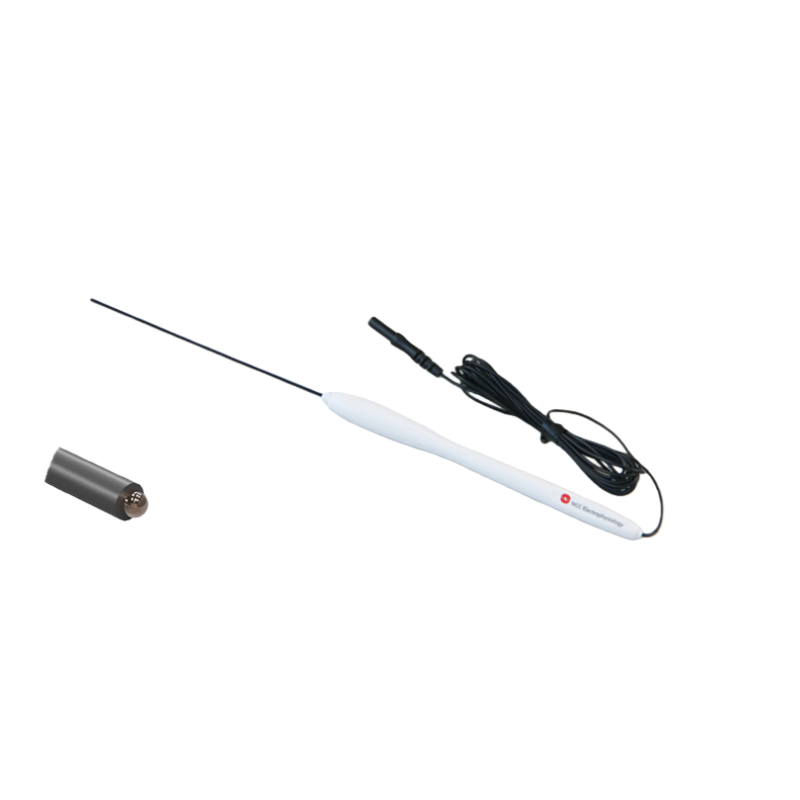
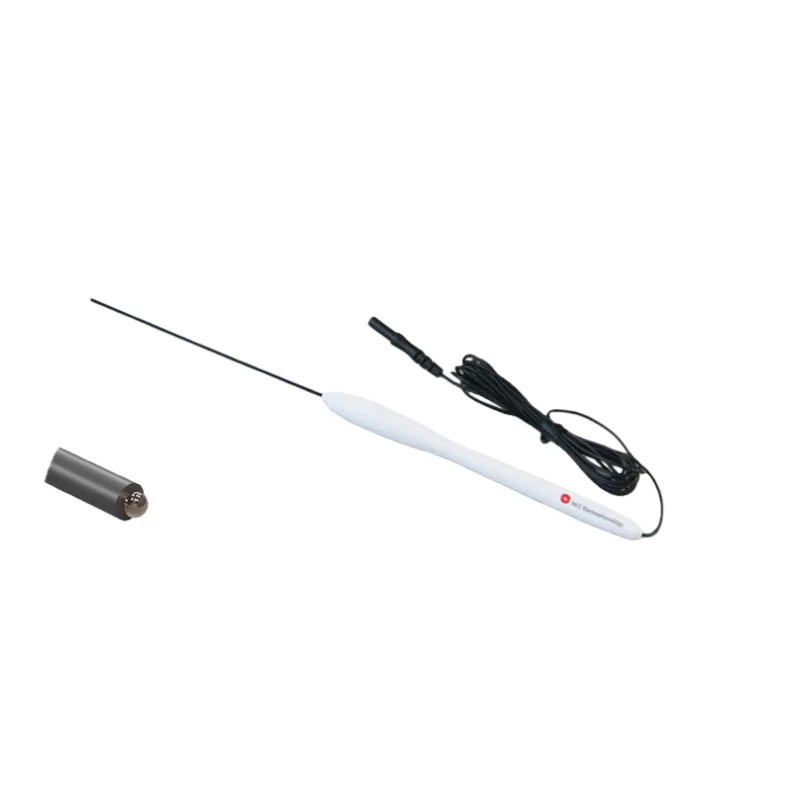
Another important advantage of Neurophysiologic Monitoring is its ability to assist surgeons in identifying and protecting critical neural structures. Through targeted stimulation and EMG recording, Neurophysiologic Monitoring systems help locate nerves that may not be visible during surgery. For example, during thyroid surgery or spine procedures, Neurophysiologic Monitoring can detect nerve irritation or compression immediately. Surgeons can then adjust their surgical technique to prevent permanent nerve damage. This real-time feedback makes Neurophysiologic Monitoring an essential tool for improving surgical precision and patient outcomes.

Related Products

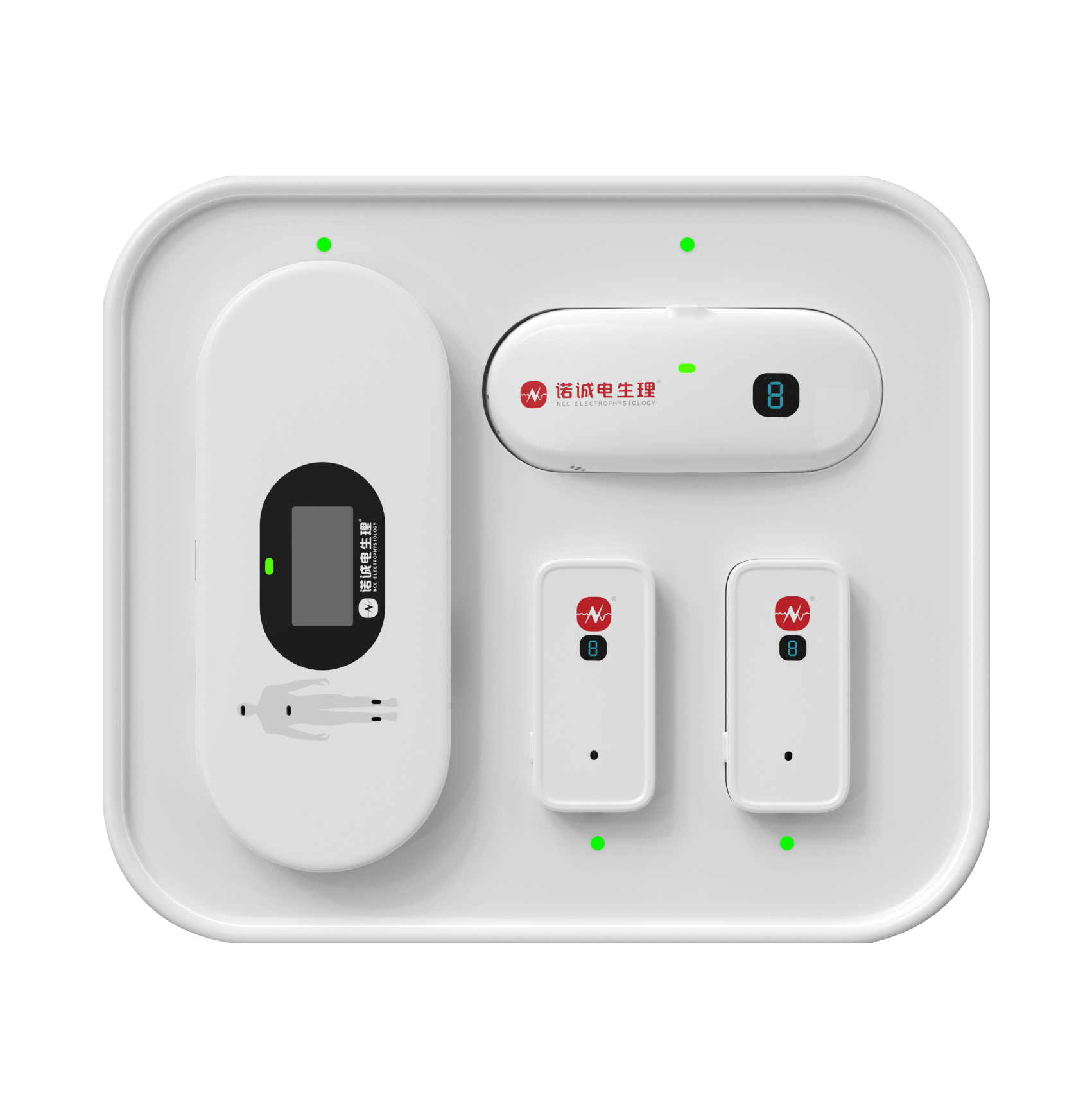
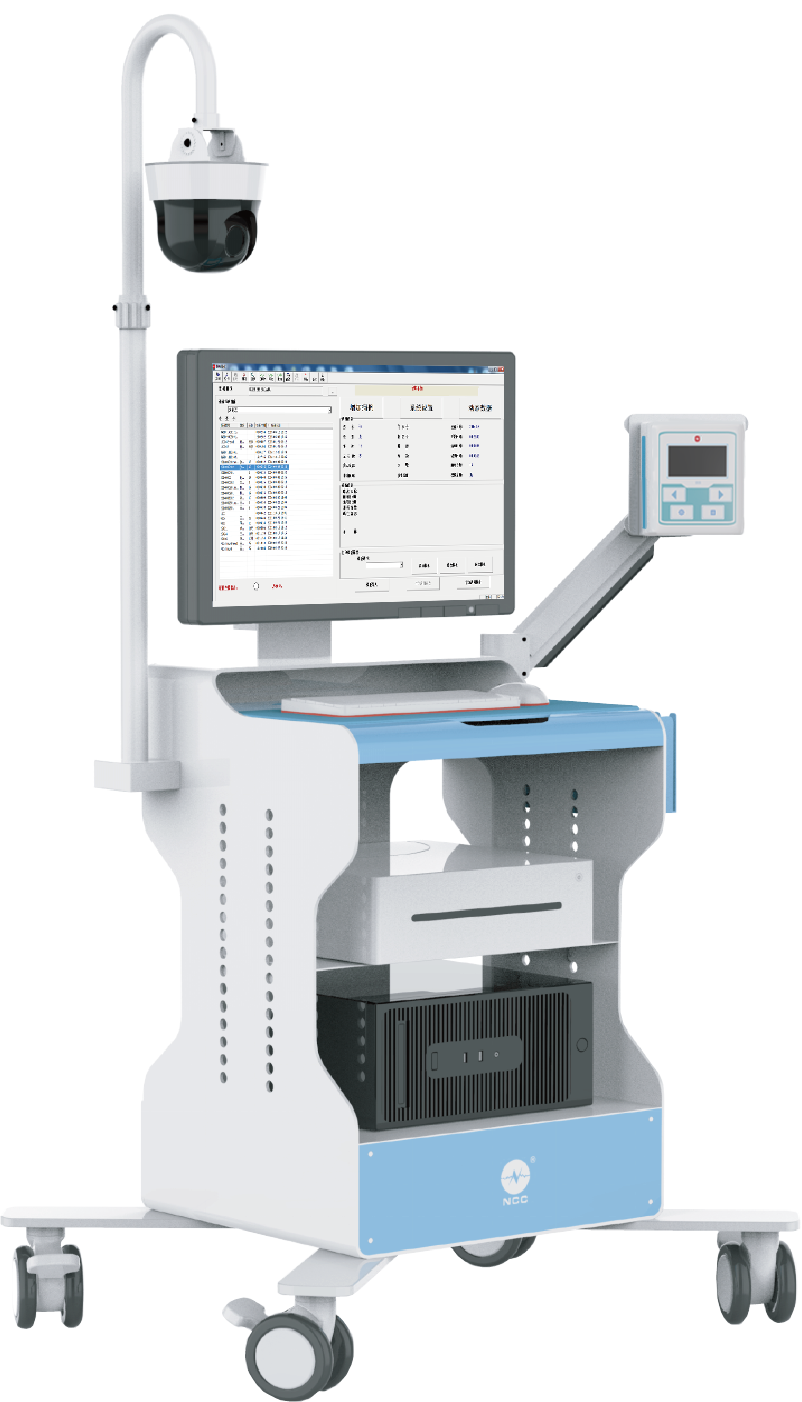
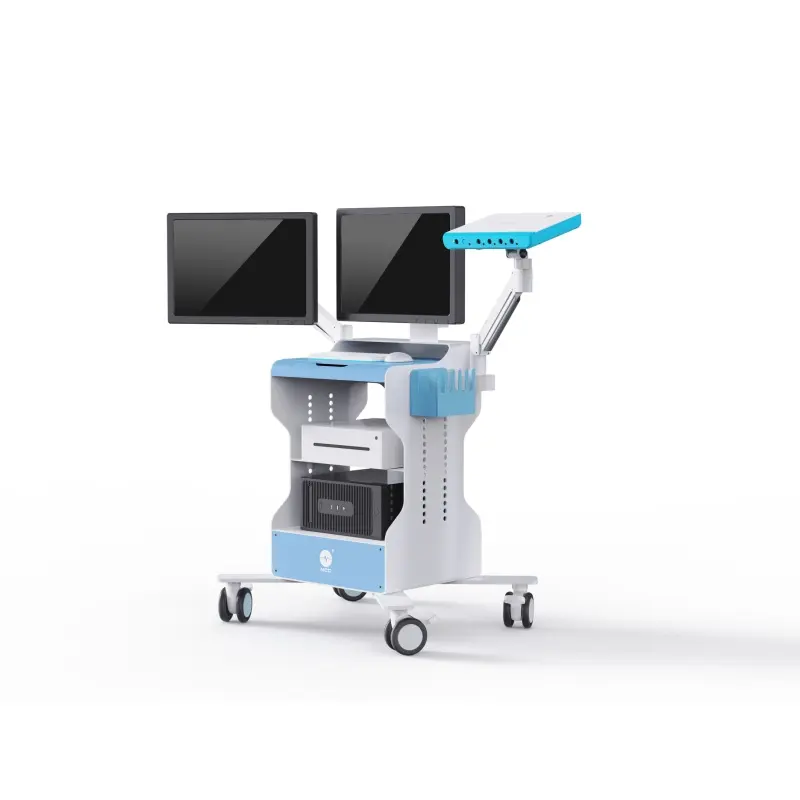
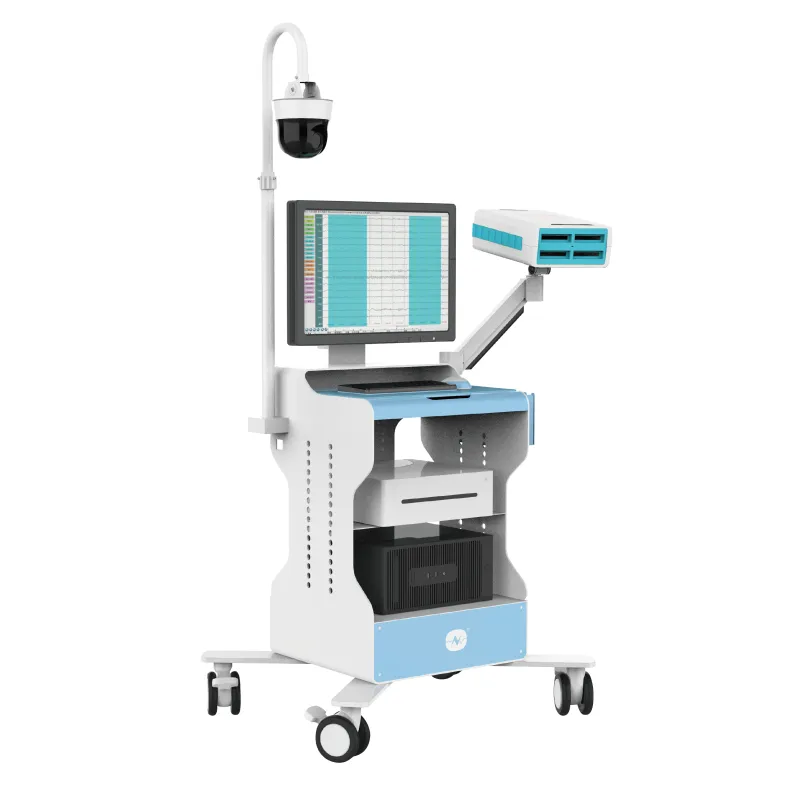
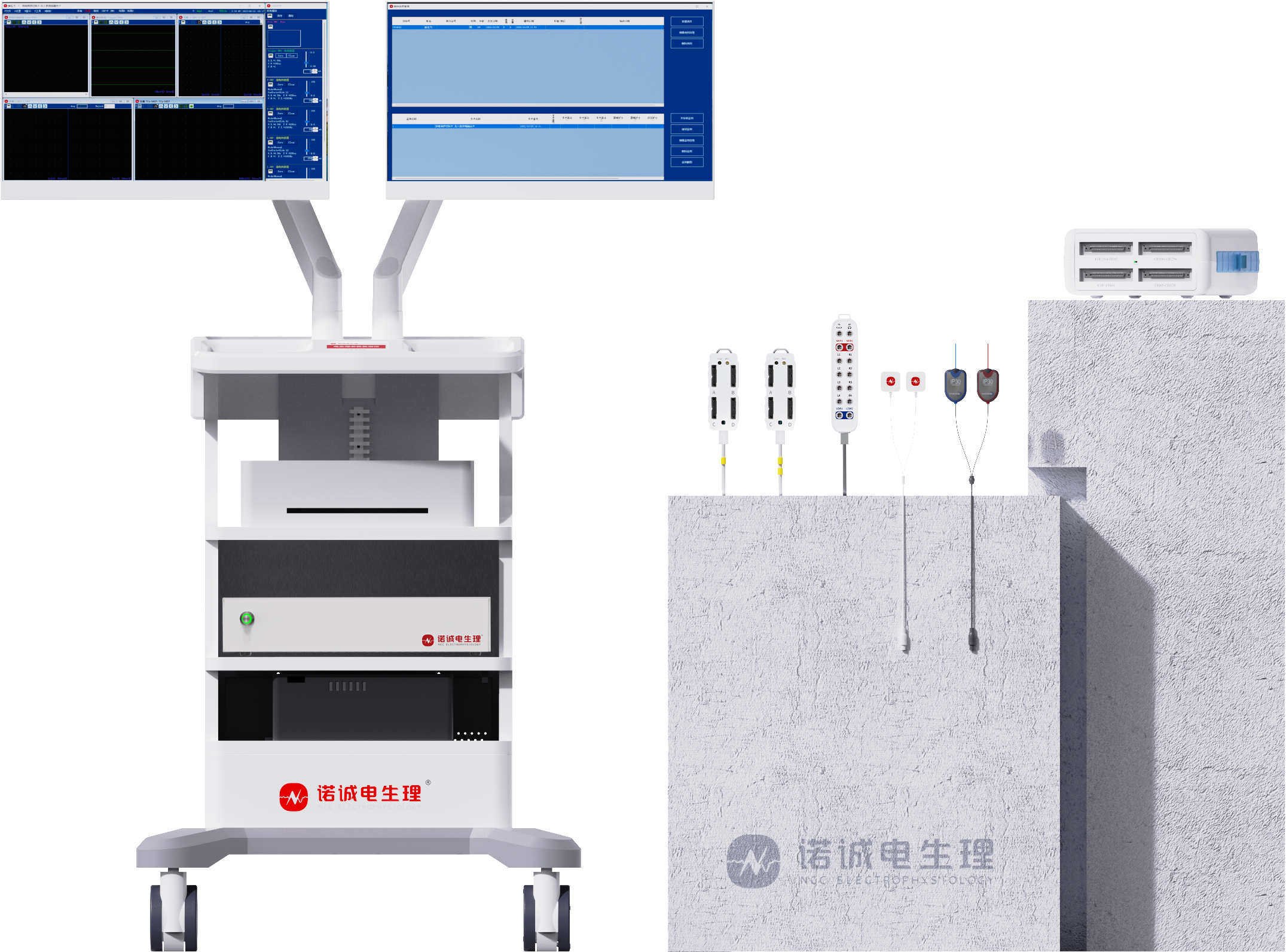
A professional Neurophysiologic Monitoring system is designed to provide continuous real-time assessment of neural pathway integrity during surgical procedures. The system combines advanced electrophysiological recording technology, intelligent signal analysis software, and high-precision electrical stimulation modules. The core of the Neurophysiologic Monitoring platform is a high-performance multi-channel amplifier capable of recording neural signals from multiple anatomical sites simultaneously. Most systems support more than 32 recording channels, allowing surgeons and neurophysiologists to monitor complex neural networks during spine surgery, neurosurgery, ENT procedures, and vascular operations.

About NCC Medical Group

NCC Medical Group is a globally recognized manufacturer specializing in neurophysiologic diagnostic and neurophysiologic monitoring technologies. Established in 1997, NCC has built a strong reputation as an innovative provider of advanced neurophysiology equipment, serving hospitals, research institutions, and medical distributors worldwide.

As a National SRDI “Little Giant” Enterprise, NCC represents one of the most technologically advanced manufacturers in the neuro-diagnostic industry. The SRDI designation — Specialized, Refined, Differential, and Innovational — is awarded by the government to companies that demonstrate outstanding innovation capabilities and proprietary core technologies.

NCC’s core research and manufacturing operations are located in Shanghai, China, one of the world’s most dynamic medical technology development centers. The Shanghai facility focuses on advanced electrophysiology research, product engineering, and precision manufacturing of Neurophysiologic Monitoring, EEG, EMG, and sleep diagnostic equipment.

To support global quality standards and international operations, NCC also maintains a quality and compliance center in Singapore. This global hub ensures that NCC products meet international medical regulations and maintain consistent product quality for global markets.

The company’s product portfolio includes Intraoperative Neurophysiologic Monitoring (IONM) systems, EEG and PSG diagnostic platforms, EMG diagnostic equipment, and a full range of medical neurophysiology consumables. These solutions are designed to support neurosurgery, spine surgery, neurology, ENT surgery, and sleep medicine.

NCC Medical Group has established a strong international presence. Today, NCC’s clinical technologies are used in more than 50 countries and over 5,000 hospitals across China. From leading university hospitals to regional surgical centers, NCC solutions support clinicians in delivering safer surgeries and more accurate neurological diagnostics.

To support global customers, NCC operates 31 clinical training and technical service centers across China. These centers provide hands-on training for physicians, biomedical engineers, and neurophysiology technicians. Through these programs, NCC ensures that hospitals can fully utilize advanced Neurophysiologic Monitoring and neurodiagnostic technologies.

The company is also expanding its global distribution network, collaborating with international medical device distributors and healthcare solution providers. Through strategic partnerships, NCC aims to make advanced neurophysiology technology accessible to healthcare providers worldwide.

In addition to product innovation, NCC is committed to professional education through the NCC Innovation Academy. The academy provides continuing education programs, technical workshops, and clinical collaboration initiatives for healthcare professionals working in neurophysiology.

With a mission of “Safeguarding Life and Health,” NCC continues to invest in research, product development, and global collaboration. By combining cutting-edge technology with strong clinical expertise, NCC Medical Group remains dedicated to improving surgical safety, advancing neurological diagnostics, and supporting high-quality patient care worldwide.

FAQ

What is Neurophysiologic Monitoring used for in surgery?

Neurophysiologic Monitoring is used during surgical procedures to continuously evaluate the functional integrity of neural pathways. The goal of Neurophysiologic Monitoring is to detect early signs of nerve irritation, compression, or injury so surgeons can respond immediately. During procedures such as spine surgery, neurosurgery, thyroid surgery, or ENT operations, important nerves may be located near the surgical field. A Neurophysiologic Monitoring system records electrical signals from the nervous system and displays them in real time. If changes occur in signal amplitude or latency, clinicians are alerted instantly. This real-time feedback helps surgeons modify their surgical approach to prevent permanent neurological damage. As a result, Neurophysiologic Monitoring has become a standard safety tool in modern high-risk surgical procedures.
A comprehensive Neurophysiologic Monitoring system typically integrates several monitoring modalities. These include somatosensory evoked potentials (SSEP), motor evoked potentials (MEP), electromyography (EMG), electroencephalography (EEG), and auditory evoked potentials (AEP). Each modality provides information about different parts of the nervous system. For example, SSEP evaluates sensory pathways, MEP monitors motor pathways, and EMG records muscle activity related to nerve function. By combining these techniques within a single Neurophysiologic Monitoring system, clinicians can obtain a complete picture of neural function during surgery. This multi-modal approach significantly improves monitoring accuracy and surgical safety.
The importance of Neurophysiologic Monitoring lies in its ability to provide real-time neural feedback during surgery. Without Neurophysiologic Monitoring, nerve injuries may only be discovered after the surgery is completed. With continuous monitoring, surgeons can detect neural stress immediately and take corrective action. This reduces the risk of complications such as paralysis, sensory loss, or vocal cord damage. As surgical techniques become more complex, Neurophysiologic Monitoring has become an essential technology for improving surgical precision, protecting neural function, and ensuring better patient outcomes.

More Posts

Technical Specifications and Procurement Guide for Probe Surgical Instruments

04

Mar

Technical Specifications and Procurement Guide for Probe Surgical Instruments

In the global surgical instrument supply chain, few products are as frequently underestimated as the probe. On paper, it appears simple: a slender metallic instrument, usually with blunt ends, described in a quotation sheet as “304 stainless st...
View More
Clinical Advantages and Supply Chain Assurance of Wireless EEG Devices

05

Mar

Clinical Advantages and Supply Chain Assurance of Wireless EEG Devices

Wireless EEG device technology is redefining the operational boundaries of neurodiagnostics. What was once confined to fixed electroencephalography laboratories is now extending into intensive care units, emergency departments, ambulatory environment...
View More
Technical Features and Compliance Procurement Strategies for Concentric EMG Needles

05

Mar

Technical Features and Compliance Procurement Strategies for Concentric EMG Needles

Concentric EMG needle electrodes are among the most frequently used consumables in clinical neurophysiology, yet they are often underestimated in technical complexity. In routine electromyography, the difference between a clean motor unit potential a...
View More
Compliance and Technical Advantages of Portable EEG Machines: Empowering Efficient Clinical Neuro Monitoring in Healthcare Institutions

05

Mar

Compliance and Technical Advantages of Portable EEG Machines: Empowering Efficient Clinical Neuro Monitoring in Healthcare Institutions

The true value of an eeg machine portable solution is not measured by how small it is, but by how reliably it performs when removed from the controlled environment of a neurophysiology laboratory and placed into the complexity of real clinical care. ...
View More

Customer Reviews

Dr. Michael Carter – Neurosurgeon

“Our hospital introduced the Neurophysiologic Monitoring system two years ago, and it has significantly improved surgical safety. The signal quality is extremely stable, even during complex spine surgeries. The multi-modal monitoring capabilities allow us to observe both motor and sensory pathways throughout the procedure. This level of real-time feedback gives surgeons greater confidence and helps prevent nerve injuries.”

Sarah Thompson – Medical Device Distributor

“As a distributor of neurophysiology equipment, we are very impressed with the performance of this Neurophysiologic Monitoring system. The device is reliable, easy to integrate with hospital infrastructure, and highly valued by neurosurgeons and spine specialists. Our clients appreciate the advanced monitoring features and strong technical support.”

Dr. Daniel Rodriguez – Spine Surgeon

“The Neurophysiologic Monitoring system has become an essential part of our spinal deformity surgeries. The real-time EMG and MEP monitoring allow us to detect neural irritation immediately. Since implementing this technology, we have improved surgical outcomes and reduced postoperative neurological complications.”

Get a Free Quote

Our representative will contact you soon.
Email
Name
Mobile
Your Role
Company Name
Message
0/1000
Advanced Multi-Modal Neurophysiologic Monitoring Platform

Advanced Multi-Modal Neurophysiologic Monitoring Platform

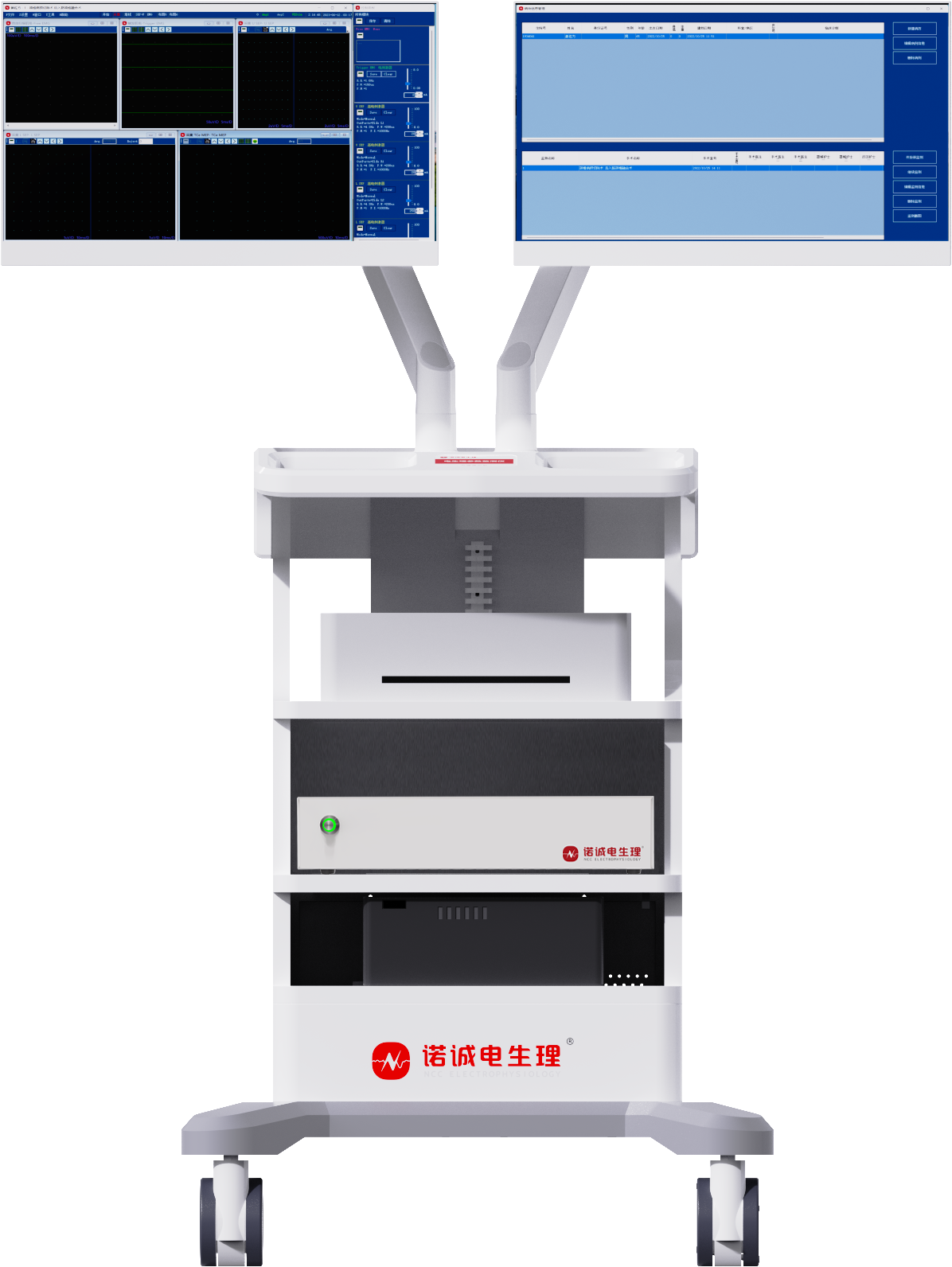
The Neurophysiologic Monitoring system integrates SEP, MEP, EMG, EEG, and AEP monitoring within a single platform, providing comprehensive real-time evaluation of neural pathways during complex surgical procedures.
High-Precision Signal Acquisition with Low Noise Amplifier Technology

High-Precision Signal Acquisition with Low Noise Amplifier Technology

Equipped with advanced amplifiers and high common-mode rejection ratios, the Neurophysiologic Monitoring system captures extremely weak neural signals with exceptional clarity, even in the challenging environment of an operating room.
Flexible Integration with Surgical Equipment and Clinical Workflows

Flexible Integration with Surgical Equipment and Clinical Workflows

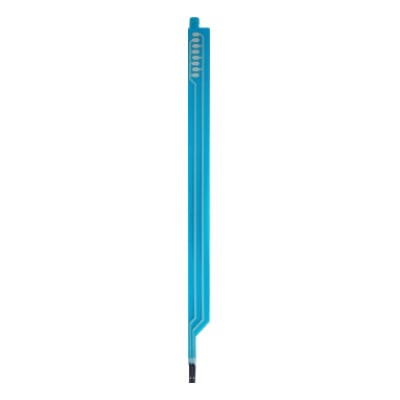
The Neurophysiologic Monitoring platform supports a wide range of electrodes, stimulation probes, and surgical tools, enabling seamless integration into neurosurgery, spine surgery, ENT surgery, and other complex procedures.

Copyright © NCC Medical Co., Ltd.  -  Privacy policy