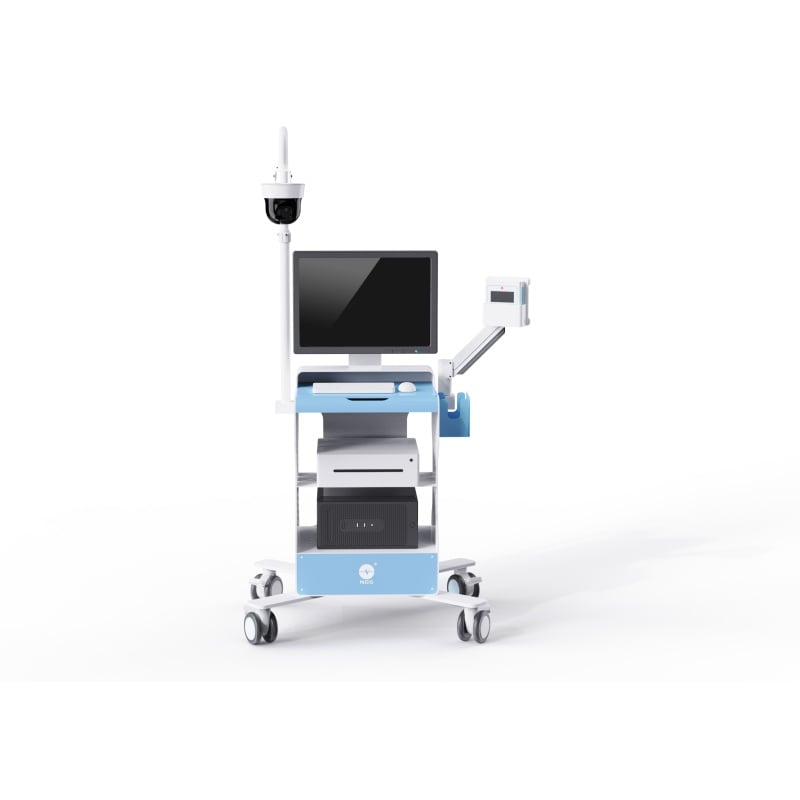
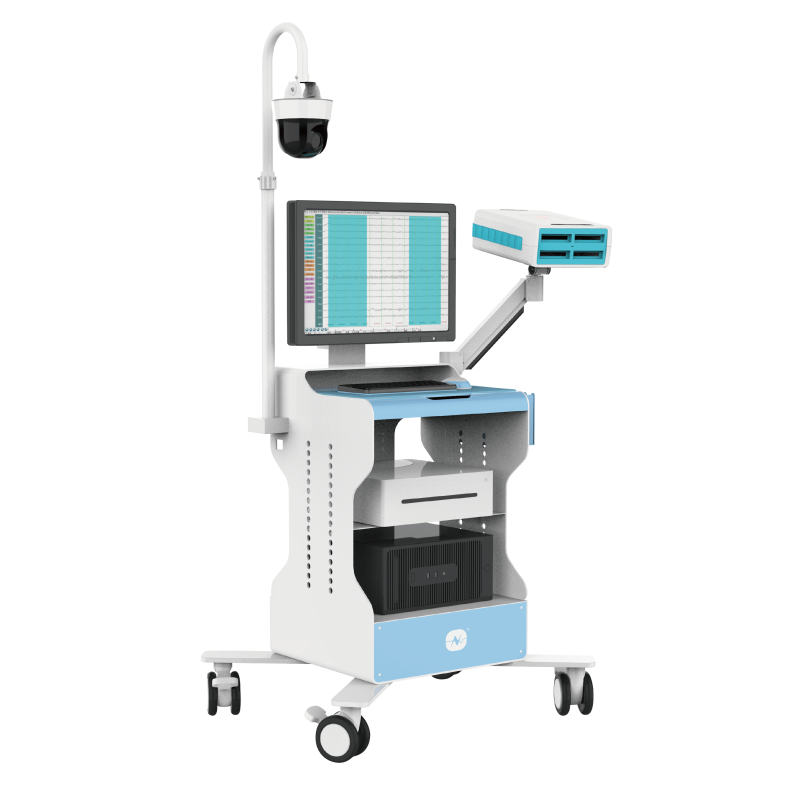
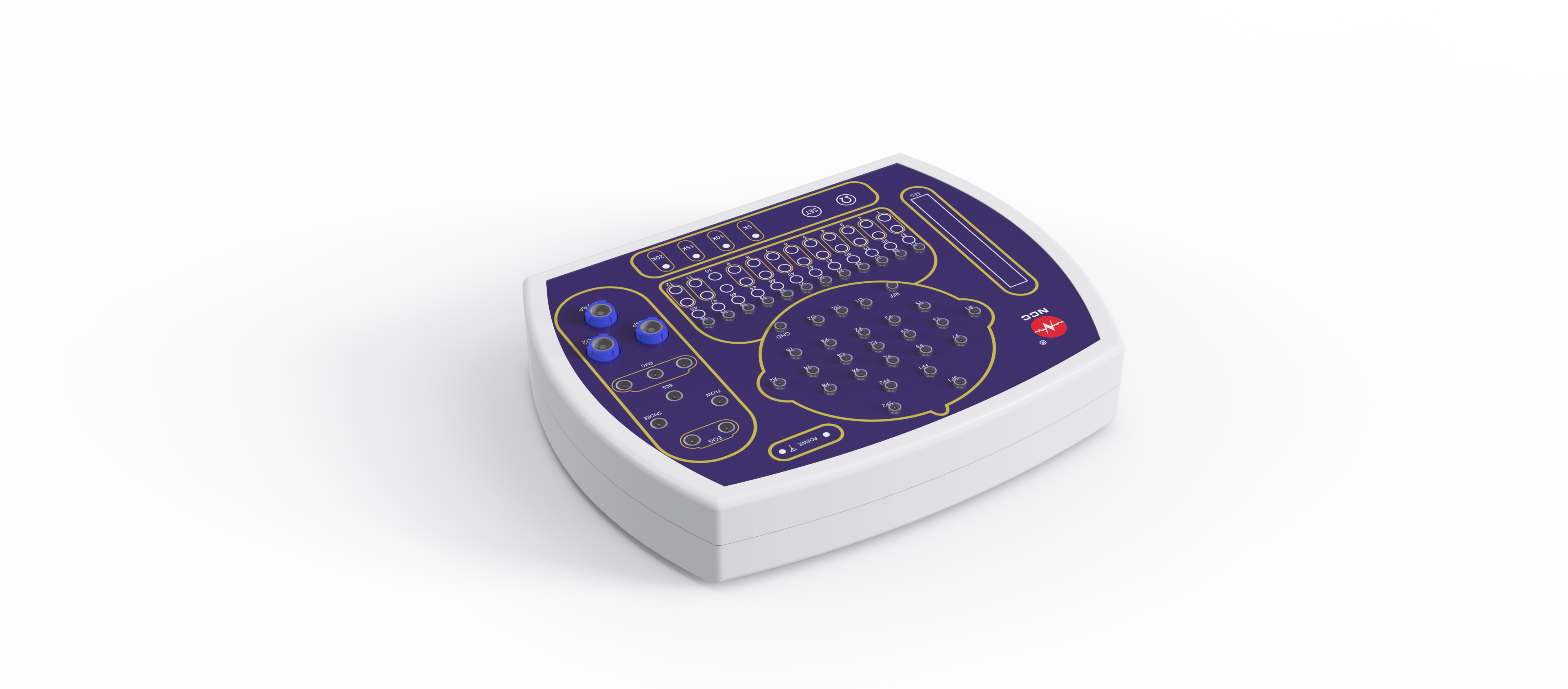
Ambulatory EEG Device: Portable, 24-Hour Neuro Monitoring

All Categories

High-Performance Ambulatory EEG Device for Long-Term Neurological Monitoring and Clinical Brain Activity Analysis

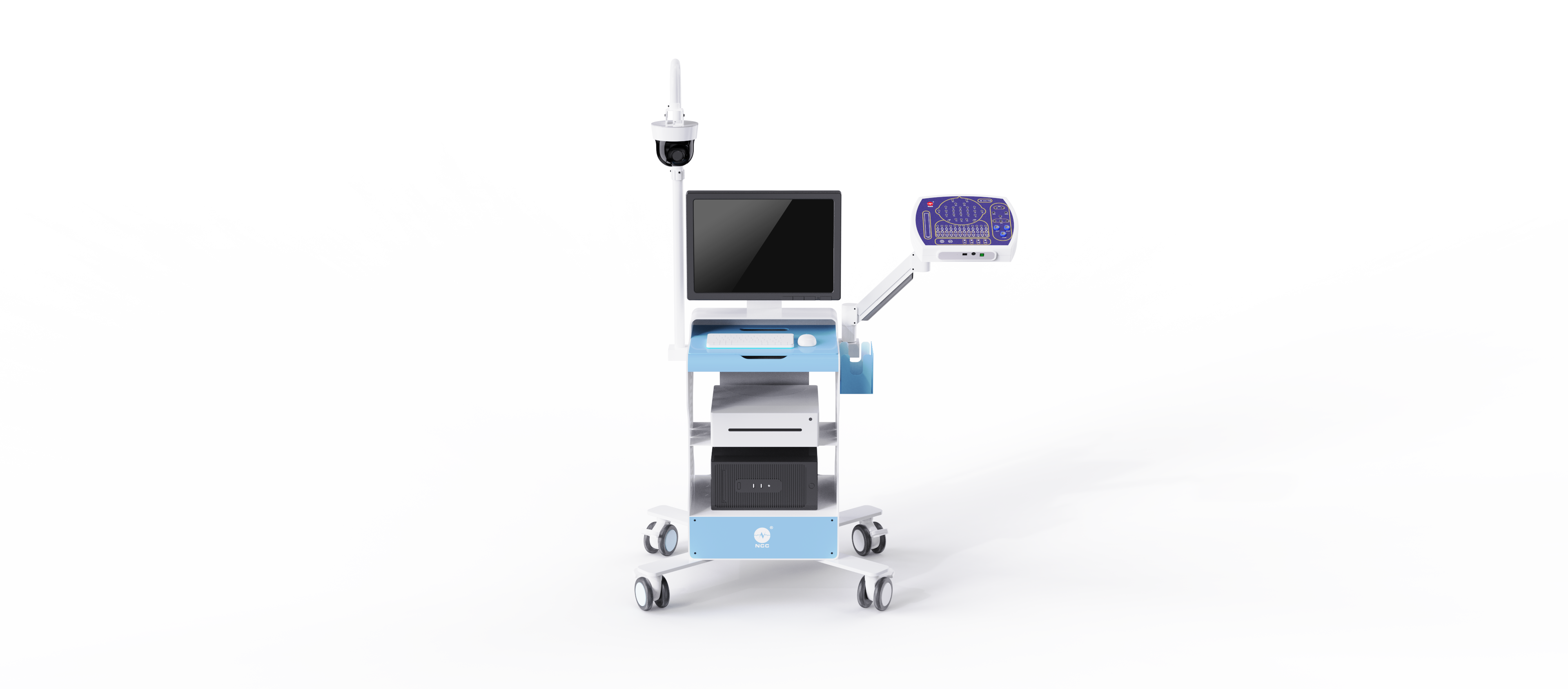
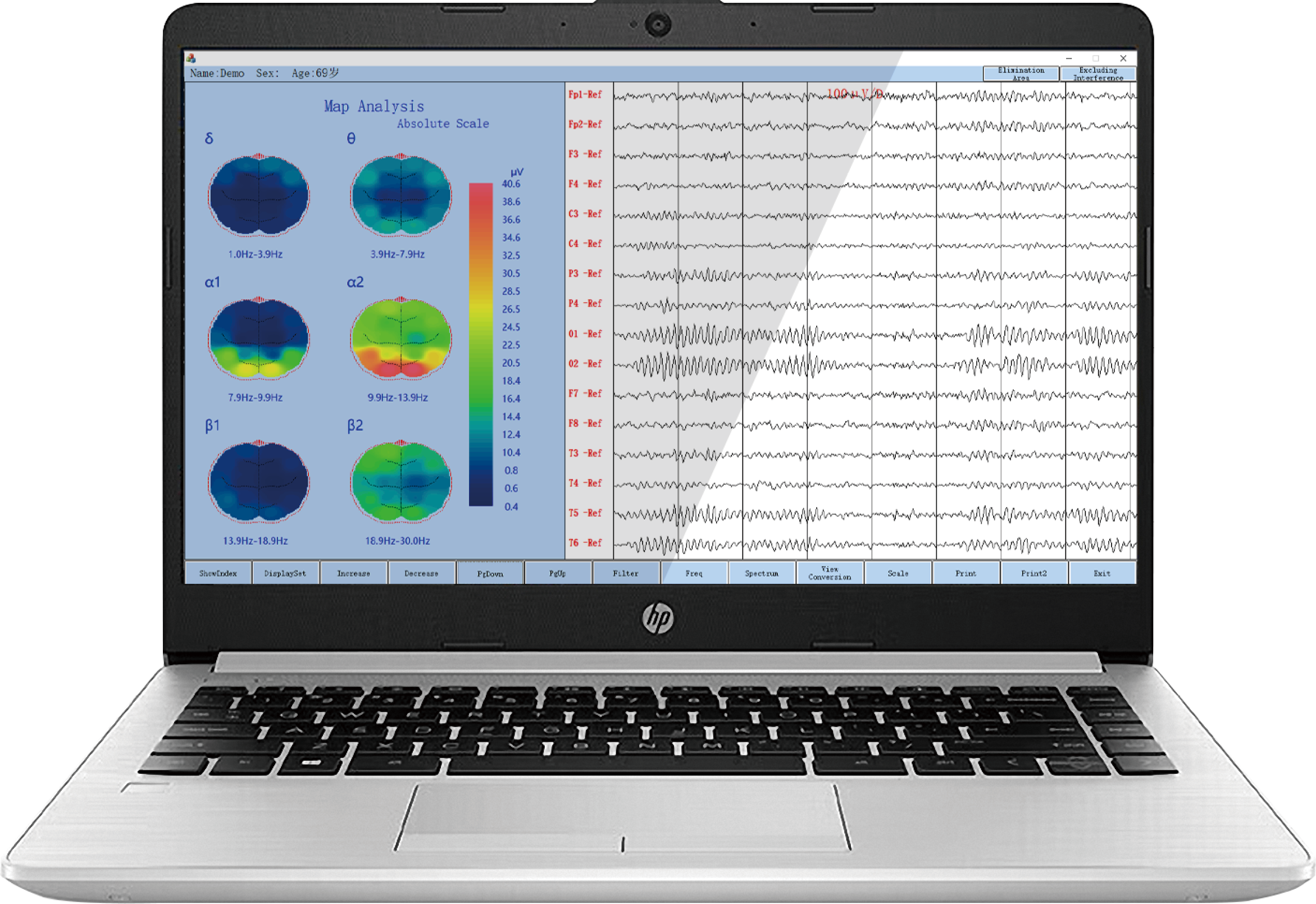
An Ambulatory EEG Device is designed to enable continuous neurological monitoring outside traditional laboratory environments. Modern clinical practice increasingly requires portable solutions that can capture brain activity during daily life, sleep cycles, and long-term neurological observation. A high-performance Ambulatory EEG Device integrates advanced signal acquisition technology, multi-channel recording capability, wireless data transmission, and intelligent signal processing to provide reliable electroencephalography data for clinicians and researchers. For hospitals, sleep laboratories, epilepsy centers, and neurophysiology research institutes, an Ambulatory EEG Device offers a flexible and scalable solution for capturing high-quality brain signals over extended periods. With integrated high-resolution ADC architecture, low-noise amplifiers, and intelligent artifact suppression, the Ambulatory EEG Device maintains signal stability even in mobile environments.
Get A Quote

Related Products

In modern neurodiagnostic workflows, hospitals and neurophysiology laboratories require solutions that combine portability, signal integrity, and intelligent data processing. A professional Ambulatory EEG Device addresses these needs by integrating high-precision acquisition electronics, advanced artifact reduction technology, and flexible data transmission architecture. These features enable clinicians to capture reliable neurological signals outside traditional laboratories, supporting long-term monitoring and real-world neurological observation. Compared with conventional stationary EEG systems, an Ambulatory EEG Device significantly improves patient comfort, expands monitoring duration, and increases the likelihood of capturing rare neurological events such as epileptic seizures or sleep disturbances.

Portable Neurological Monitoring with Stable Signal Quality

A high-quality Ambulatory EEG Device is engineered with low-noise amplifiers, high input impedance, and high-resolution analog-to-digital converters to ensure stable signal acquisition even when patients are mobile. These design elements allow the Ambulatory EEG Device to capture accurate brain activity during daily routines, sleep cycles, and extended monitoring periods. Unlike traditional stationary systems, the Ambulatory EEG Device allows patients to move freely, increasing the probability of detecting intermittent neurological events such as epileptic discharges. Advanced shielding and artifact suppression technology further ensure that the Ambulatory EEG Device maintains high signal fidelity despite environmental interference or patient motion. For clinicians and researchers, this capability enables more realistic neurological assessments because the Ambulatory EEG Device records brain activity in natural environments rather than controlled laboratory settings.

Extended Recording Capability for Long-Term Neurological Observation

One of the most valuable capabilities of an Ambulatory EEG Device is its ability to perform continuous long-term monitoring. With built-in storage and high-capacity batteries, a professional Ambulatory EEG Device can record brain activity for 24 hours or longer without interruption. This extended monitoring capability is particularly important for diagnosing epilepsy, sleep disorders, and transient neurological abnormalities that may not appear during short clinical examinations. The Ambulatory EEG Device records neurological data throughout normal daily routines, providing clinicians with a more comprehensive neurological profile. By capturing neurological activity over extended periods, the Ambulatory EEG Device significantly improves diagnostic accuracy and reduces the need for repeated hospital visits.

Integrated Multi-Modal Physiological Monitoring

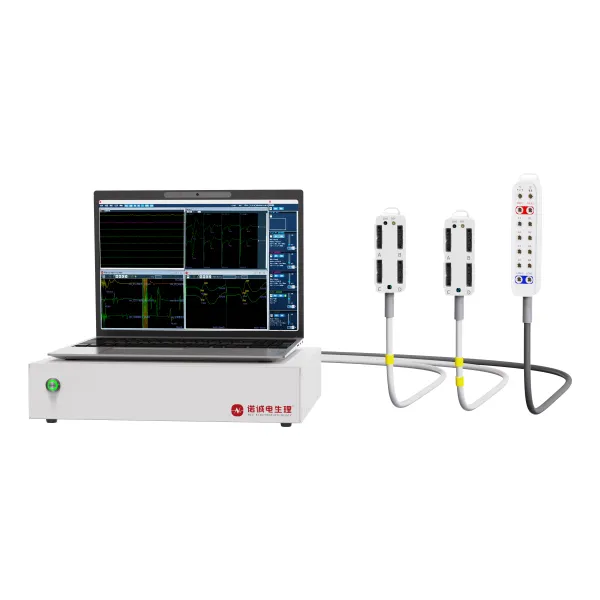
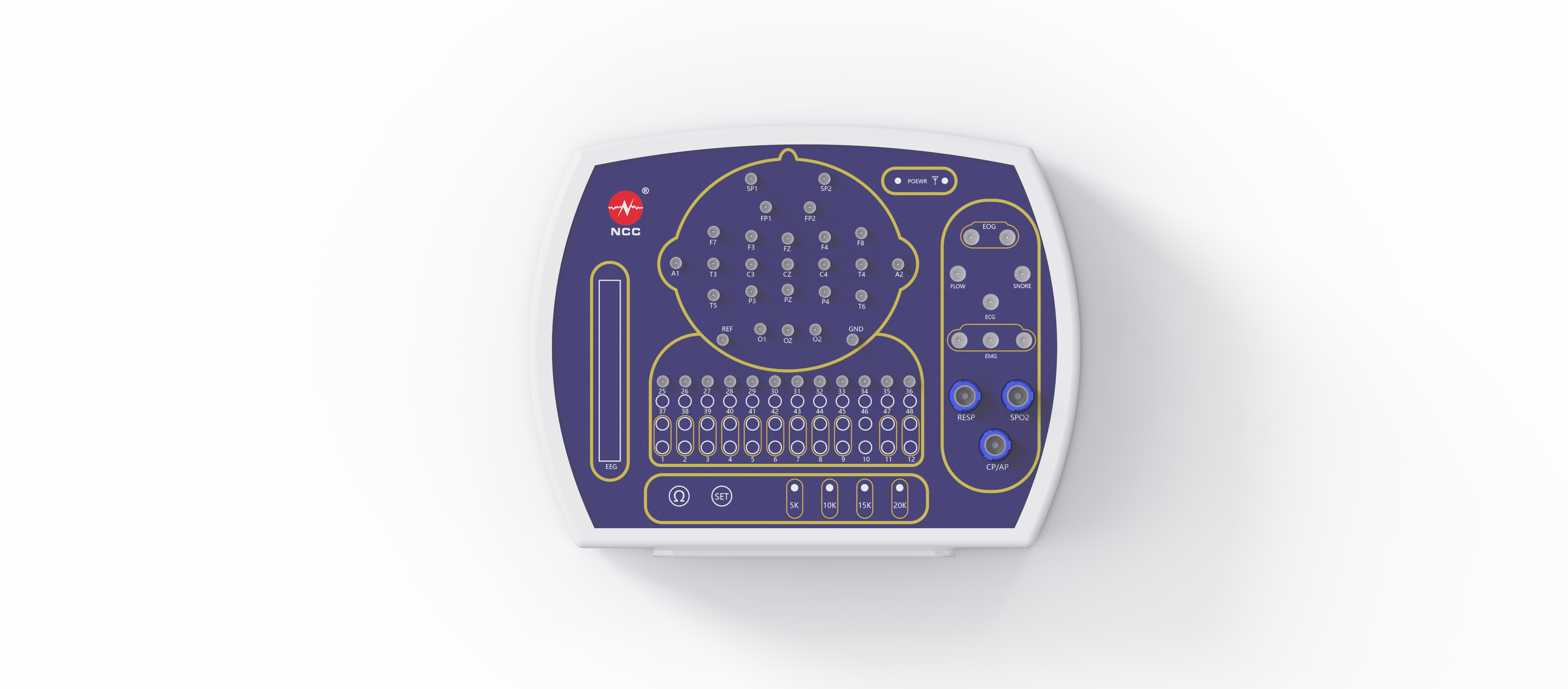
A modern Ambulatory EEG Device is designed to support synchronized recording of multiple physiological signals. In addition to EEG channels, the Ambulatory EEG Device can integrate ECG, EMG, respiration, and oxygen saturation monitoring. This multi-modal capability enables clinicians to analyze correlations between brain activity and physiological responses. For example, sleep laboratories can use an Ambulatory EEG Device to analyze relationships between brain waves, breathing patterns, and muscle activity during sleep studies. For neurophysiology research institutions and clinical diagnostic centers, the Ambulatory EEG Device offers a comprehensive monitoring platform that supports advanced neurological analysis and multi-parameter physiological evaluation.

Related Products

The Ambulatory EEG Device is engineered to deliver reliable neurological monitoring in both clinical and home environments. Designed with advanced neurophysiology acquisition technology, the Ambulatory EEG Device provides high-precision EEG recording while maintaining portability and patient comfort. At the hardware level, the Ambulatory EEG Device incorporates high-resolution 24-bit analog-to-digital converters, low-noise amplifiers, and high input impedance circuitry to capture micro-volt level brain signals with exceptional clarity. This ensures that the Ambulatory EEG Device can detect subtle neurological events such as epileptic spikes, slow-wave activity, and sleep stage transitions.

NCC Medical Group is an internationally recognized manufacturer specializing in advanced neurodiagnostic and neuromonitoring technologies. With over two decades of experience in neurophysiology innovation, NCC has become a trusted partner for hospitals, research institutes, and medical distributors worldwide.

Founded in 1997, NCC has developed a strong technological foundation in electrophysiology equipment including EEG systems, intraoperative neuromonitoring platforms, polysomnography devices, electromyography systems, and a wide range of medical consumables. Through continuous research and development, NCC delivers solutions that meet the evolving needs of modern neurological diagnostics and clinical monitoring.

NCC is honored as a national “Little Giant” SRDI Enterprise, a prestigious designation recognizing companies that demonstrate excellence in specialized technologies, innovation capability, and industry leadership. This recognition reflects NCC’s commitment to developing core patented technologies and high-precision medical equipment for neurodiagnostic applications.

The company operates an integrated global structure designed to support innovation, manufacturing efficiency, and international market expansion.

Research, Development and Manufacturing

NCC’s primary research and production facilities are located in Shanghai, China, one of the world’s most dynamic technology and manufacturing hubs. Here, multidisciplinary teams of engineers, neuroscientists, and medical specialists collaborate to develop cutting-edge neurophysiology solutions.

The manufacturing facilities employ advanced precision production technologies and rigorous quality control procedures to ensure that every device meets international medical standards. From circuit design and component testing to final system calibration, every step of production is carefully controlled to guarantee performance reliability.

Quality and Compliance

To support global regulatory compliance, NCC maintains quality management operations in Singapore. This global hub ensures that NCC products meet international medical device standards and regulatory requirements across multiple markets.

Through strict quality management systems and continuous compliance monitoring, NCC guarantees that its neurodiagnostic solutions meet the highest standards of safety, accuracy, and reliability.

Global Market Presence

NCC’s neurophysiology systems are currently used in more than 50 countries worldwide and are deployed in over 5,000 hospitals across China. From large teaching hospitals to specialized neurology centers, NCC technologies support clinicians in diagnosing neurological disorders and improving patient outcomes.

The company’s international distribution network spans Southeast Asia, Australia, Europe, the Americas, and Africa. Through close partnerships with distributors and clinical institutions, NCC continues to expand its global presence while providing localized technical support.

Training and Professional Support

NCC operates 31 training and technical support centers throughout China and is actively developing an international training ecosystem. Through the NCC Innovation Academy, clinicians and biomedical engineers receive professional training in EEG, EMG, and intraoperative neuromonitoring technologies.

This education platform supports continuous professional development and encourages multidisciplinary collaboration among neurologists, neurosurgeons, anesthesiologists, and biomedical engineers.

Mission and Vision

NCC’s mission is to safeguard life and health by delivering innovative neurodiagnostic technologies that enable safer surgeries, more accurate neurological diagnosis, and improved patient care.

By combining technological innovation, global collaboration, and professional training programs, NCC continues to advance the field of neurophysiology and contribute to the development of modern neurological healthcare systems.

FAQ

What is an Ambulatory EEG Device and how does it differ from traditional EEG systems?

An Ambulatory EEG Device is a portable electroencephalography system designed to record brain activity while the patient continues normal daily activities. Unlike conventional EEG systems that require patients to remain in a clinical laboratory, an Ambulatory EEG Device allows long-term monitoring in real-world environments. This extended monitoring capability is especially important for detecting intermittent neurological events such as epileptic seizures, sleep disorders, or transient brain activity abnormalities. Because the Ambulatory EEG Device records continuously over many hours or days, clinicians have a greater chance of capturing abnormal brain activity. Modern Ambulatory EEG Device solutions also integrate wireless data transmission, onboard storage, and advanced signal processing algorithms, ensuring high-quality neurological data collection even outside the hospital environment.
An Ambulatory EEG Device is widely used in several neurological and sleep medicine applications. One of the most common uses is epilepsy monitoring, where the Ambulatory EEG Device helps clinicians detect seizure events that may occur unpredictably. Sleep laboratories also rely on Ambulatory EEG Device systems for long-term sleep monitoring and evaluation of disorders such as sleep apnea, insomnia, and parasomnias. By recording brain activity during normal sleep at home, the Ambulatory EEG Device provides more realistic data compared with laboratory sleep studies. In addition, the Ambulatory EEG Device is valuable for neurological research, cognitive studies, and long-term brain activity monitoring in patients recovering from neurological injuries.
When selecting an Ambulatory EEG Device, hospitals and neurophysiology laboratories should evaluate several key factors including signal quality, channel capacity, data storage capability, and ease of use. High input impedance amplifiers and low-noise electronics are essential for ensuring accurate brain signal acquisition. Long battery life and reliable onboard storage allow the Ambulatory EEG Device to record continuously during extended monitoring sessions. Hospitals should also consider whether the Ambulatory EEG Device supports multi-modal physiological monitoring, wireless data transfer, and advanced analysis software. These features help clinicians interpret neurological data efficiently and improve overall diagnostic workflow.

More Posts

Clinical Value and Risk Management in Medical Institution Procurement of Bluetooth EEG Headsets

05

Mar

Clinical Value and Risk Management in Medical Institution Procurement of Bluetooth EEG Headsets

In recent years, the bluetooth EEG headset has transitioned from a consumer-focused neurotechnology accessory to a clinically relevant medical device category. The growing demand for sleep diagnostics, cognitive disorder screening, pediatric neurolog...
View More
Compliance Requirements and Supply Chain Stability of Portable EEG Monitors in Neurology

04

Mar

Compliance Requirements and Supply Chain Stability of Portable EEG Monitors in Neurology

In neurology procurement, few devices are as clinically sensitive—and strategically complex—as the portable EEG monitor. Whether deployed in intensive care units for continuous seizure surveillance, in emergency departments for rapid neur...
View More
Clinical Value and Compliance Assurance of Intraoperative Neuromonitoring Equipment

05

Mar

Clinical Value and Compliance Assurance of Intraoperative Neuromonitoring Equipment

Intraoperative neuromonitoring equipment is not merely an accessory in modern surgery; it is a real-time decision-support system positioned at the intersection of neurophysiology, surgical precision, and medico-legal accountability. In the operating ...
View More
Compliance Audit and Procurement Considerations for Ambulatory EEG Equipment in Tender Agency

05

Mar

Compliance Audit and Procurement Considerations for Ambulatory EEG Equipment in Tender Agency

Public tender projects for ambulatory EEG equipment are rarely decided by marketing narratives or clinical demonstrations. They are decided by line-by-line technical verification. In most public hospital tenders, evaluation panels are composed primar...
View More

Customer Reviews

Dr. Michael Peterson – Neurology Department Director

The Ambulatory EEG Device we implemented has significantly improved our epilepsy monitoring workflow. Previously, many patients needed repeated hospital visits to capture seizure activity. With the Ambulatory EEG Device, patients can undergo continuous monitoring at home, allowing us to obtain more comprehensive neurological data. The signal quality remains stable even during daily activities, and the system’s analysis tools make reviewing long recordings much more efficient. This Ambulatory EEG Device has become an essential diagnostic tool in our neurology department.

Sarah Thompson – Clinical Neurophysiology Technologist

From a technician’s perspective, the Ambulatory EEG Device is extremely practical. The device is lightweight, easy to configure, and comfortable for patients to wear for long periods. Setup time is significantly shorter compared with traditional EEG systems. The Ambulatory EEG Device also provides reliable data storage and stable wireless connectivity, which simplifies our workflow. For sleep monitoring and epilepsy observation, this Ambulatory EEG Device has proven to be a reliable and efficient solution.

Dr. Daniel Alvarez – Sleep Medicine Specialist

Our sleep clinic recently adopted this Ambulatory EEG Device for long-term sleep studies. The results have been excellent. The device allows patients to sleep naturally at home while still capturing high-quality EEG signals. The extended recording capability of the Ambulatory EEG Device helps us identify sleep stage transitions and abnormal neurological patterns more accurately. For clinics seeking flexible and reliable neurological monitoring technology, this Ambulatory EEG Device is an outstanding choice.

Get a Free Quote

Our representative will contact you soon.
Email
Name
Mobile
Your Role
Company Name
Message
0/1000
Advanced Portable Brain Monitoring Technology

Advanced Portable Brain Monitoring Technology

The Ambulatory EEG Device integrates high-precision signal acquisition electronics with lightweight portable design, allowing clinicians to perform reliable neurological monitoring outside traditional laboratory environments while maintaining excellent signal accuracy.
Long-Duration Neurological Data Recording

Long-Duration Neurological Data Recording

With high-capacity storage and optimized power management, the Ambulatory EEG Device supports extended continuous recording sessions, enabling clinicians to capture rare neurological events that may not appear during short examinations.
Integrated Multi-Signal Physiological Monitoring Platform

Integrated Multi-Signal Physiological Monitoring Platform

The Ambulatory EEG Device supports synchronized recording of multiple physiological parameters such as EEG, ECG, EMG, respiration, and oxygen saturation, providing clinicians with a comprehensive view of neurological and physiological interactions.

Copyright © NCC Medical Co., Ltd.  -  Privacy policy