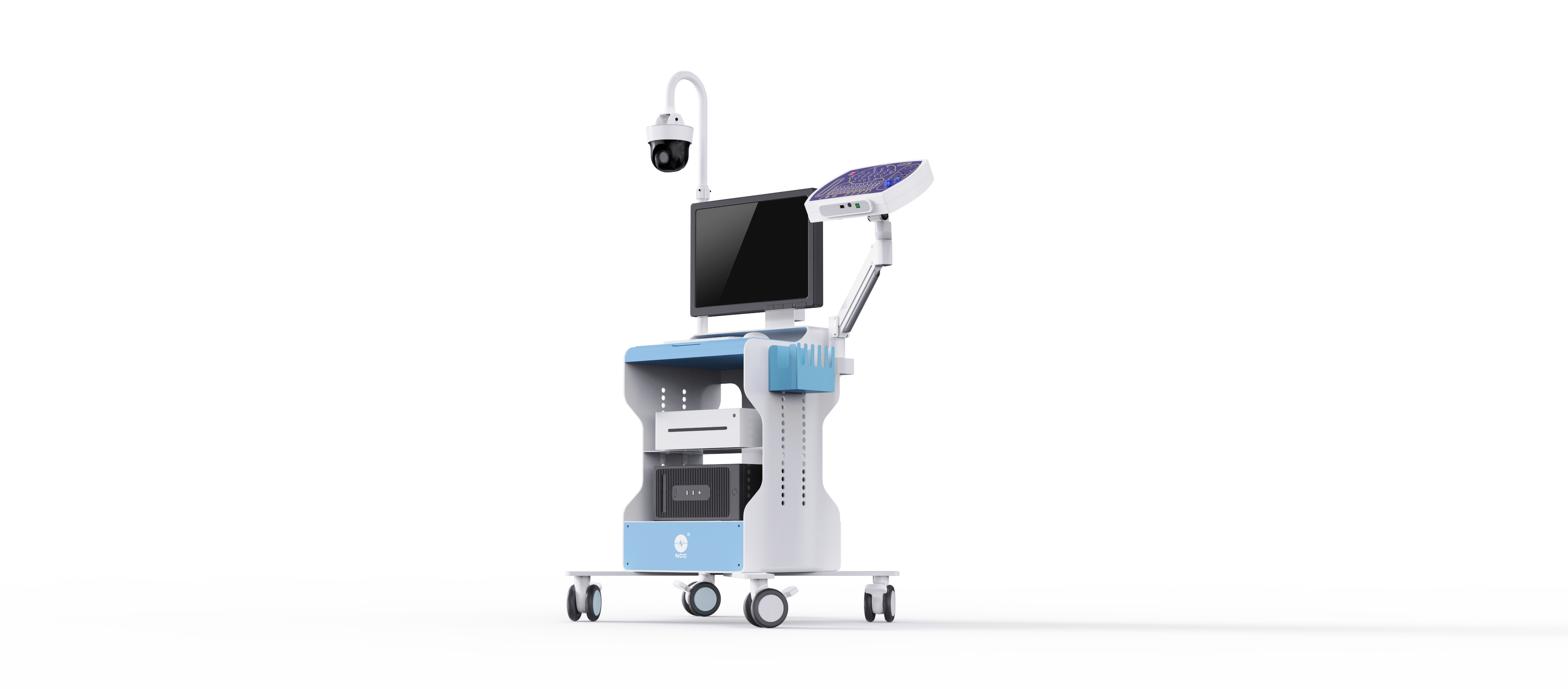
EEG Device: High-Density Brain Wave Instrument for Clinical & Research Use

All Categories

Advanced Instrument To Measure Brain Waves For Clinical Neurodiagnostics And Brain Research Applications

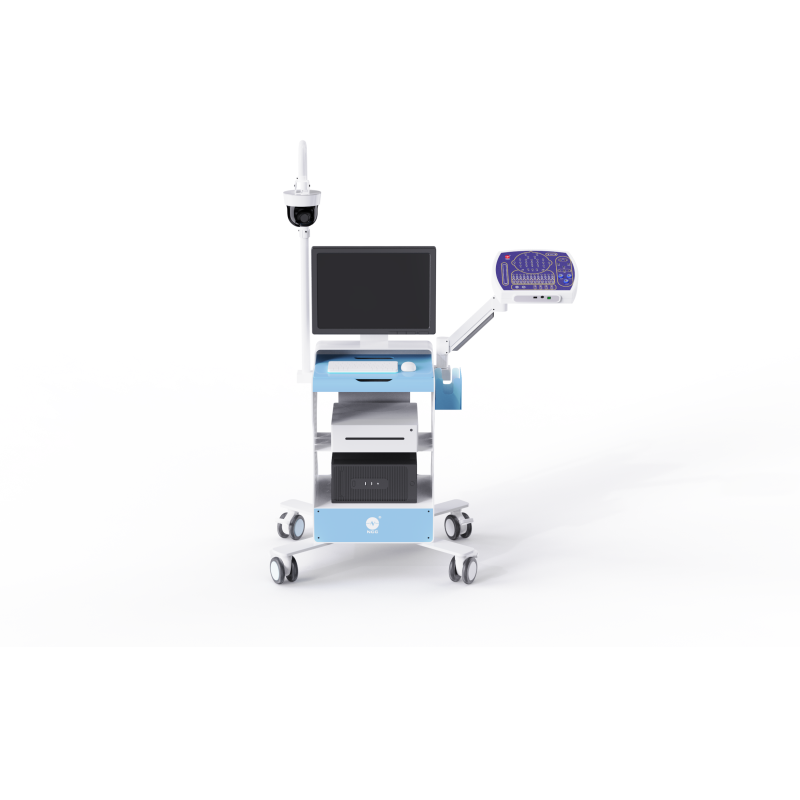
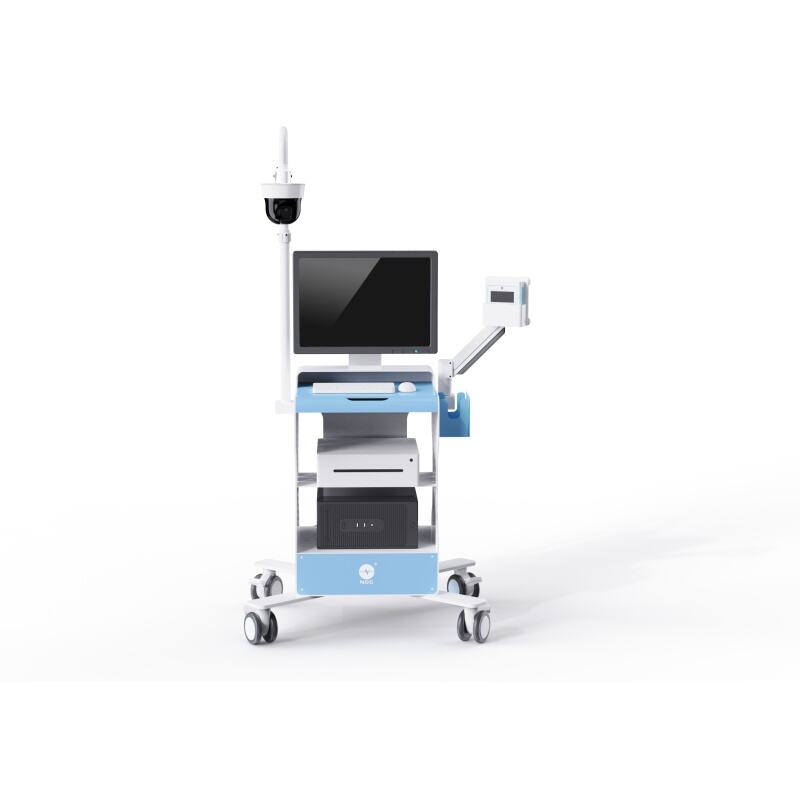
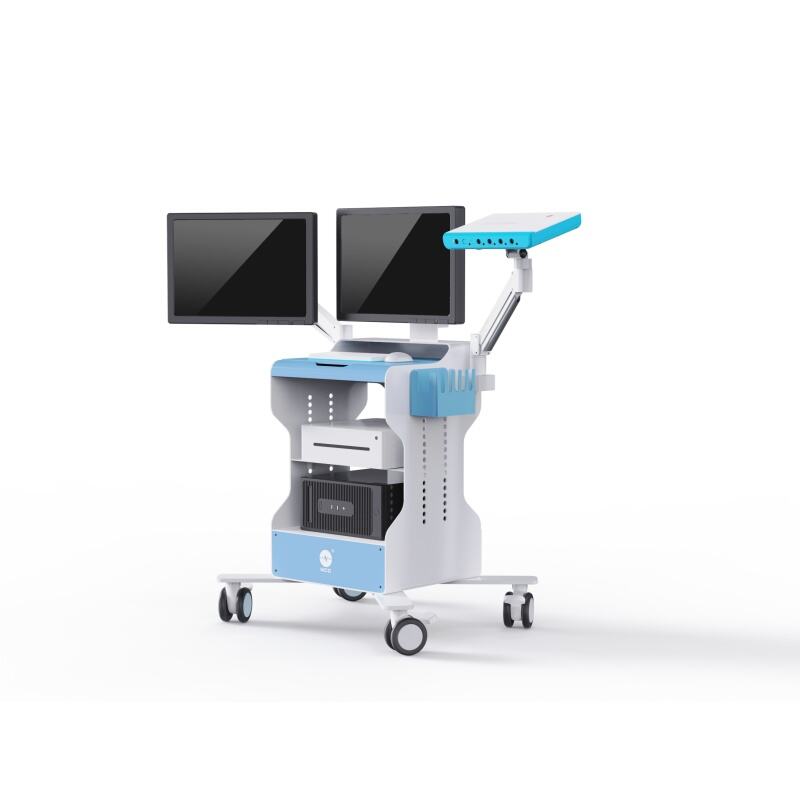
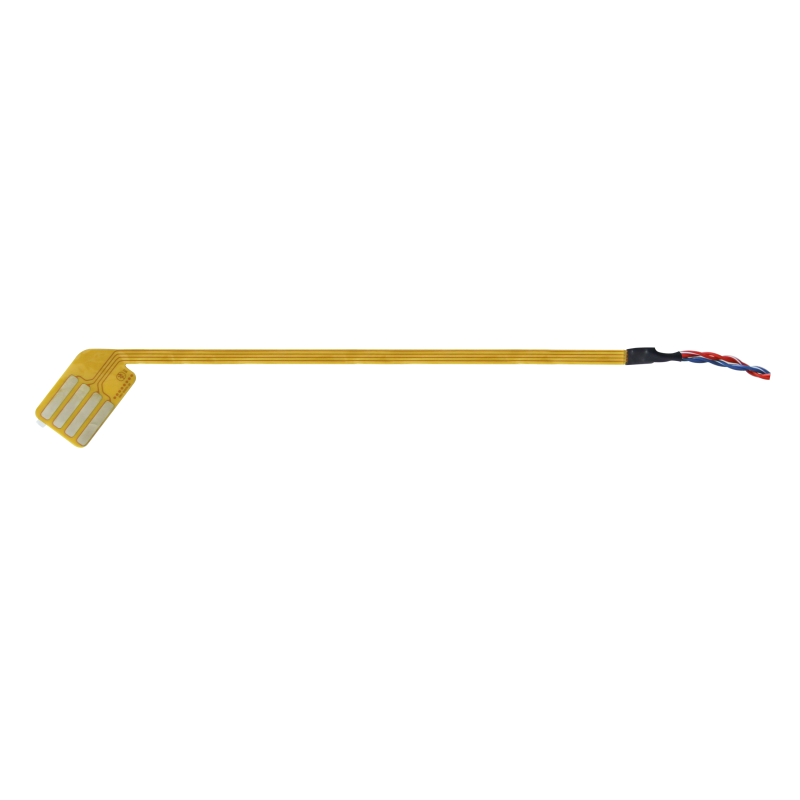
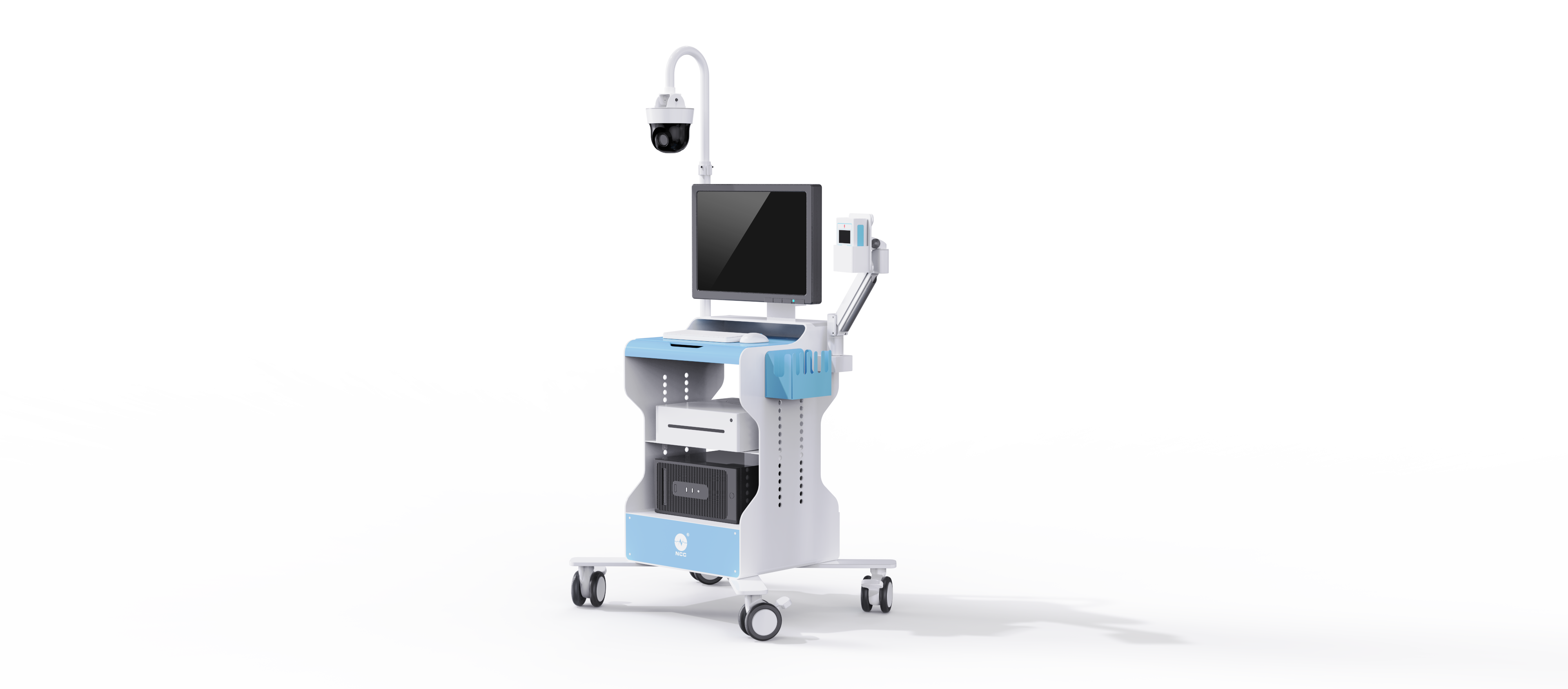
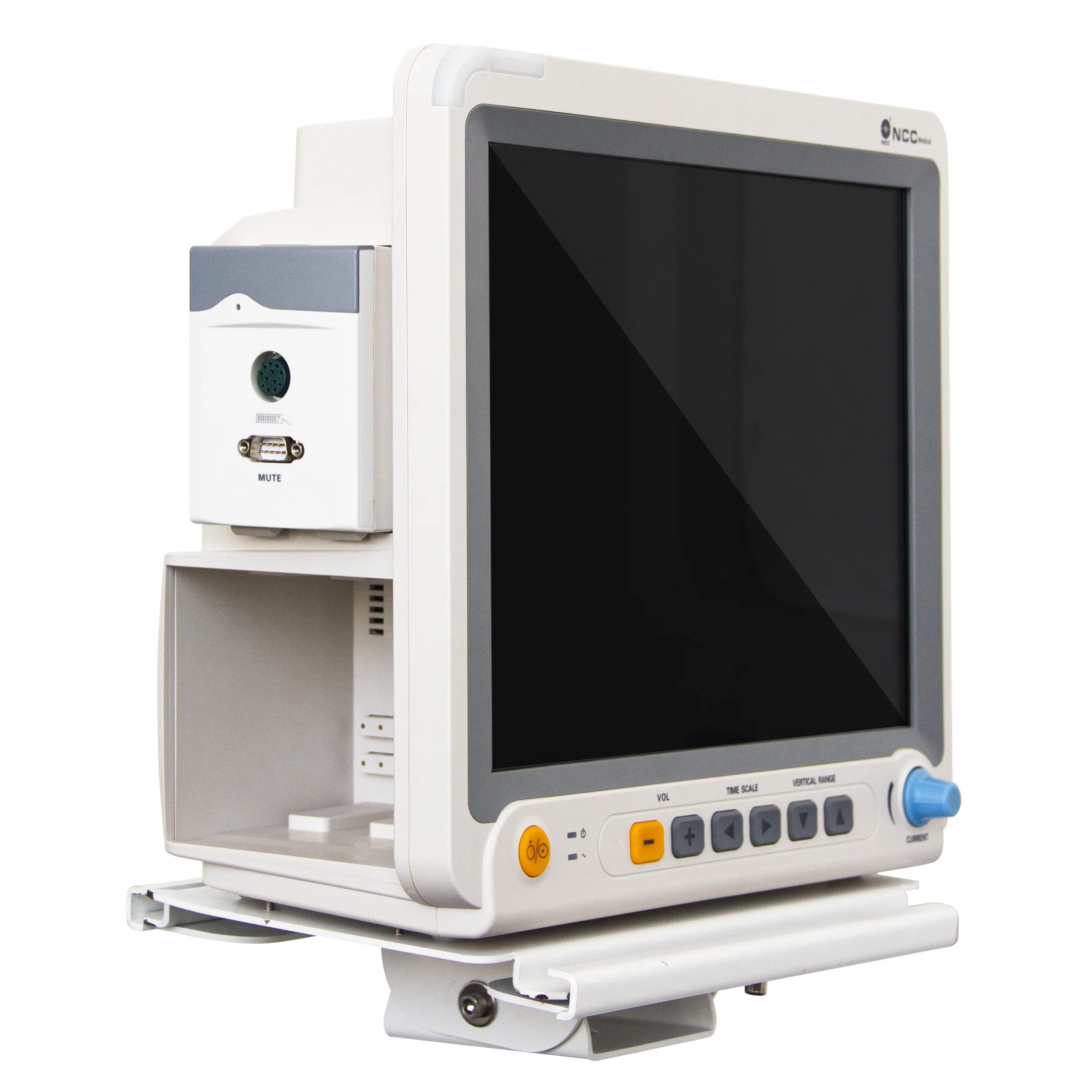
An instrument to measure brain waves is an essential neurodiagnostic tool used in hospitals, neuroscience laboratories, and research institutions to monitor electrical activity generated by the brain. Modern instruments to measure brain waves are built on advanced electroencephalography technology and are capable of capturing extremely subtle neural signals with high precision. A professional instrument to measure brain waves typically supports high channel counts, high sampling rates, and wide bandwidth recording capabilities. These technical features allow clinicians and researchers to analyze brain function across multiple frequency ranges, from slow cortical potentials to fast neural oscillations such as gamma activity and high-frequency oscillations. With advanced amplifiers and high-resolution analog-to-digital converters, the instrument to measure brain waves ensures accurate signal acquisition while minimizing electrical noise and interference.
Get A Quote

Instrument To Measure Brain Waves

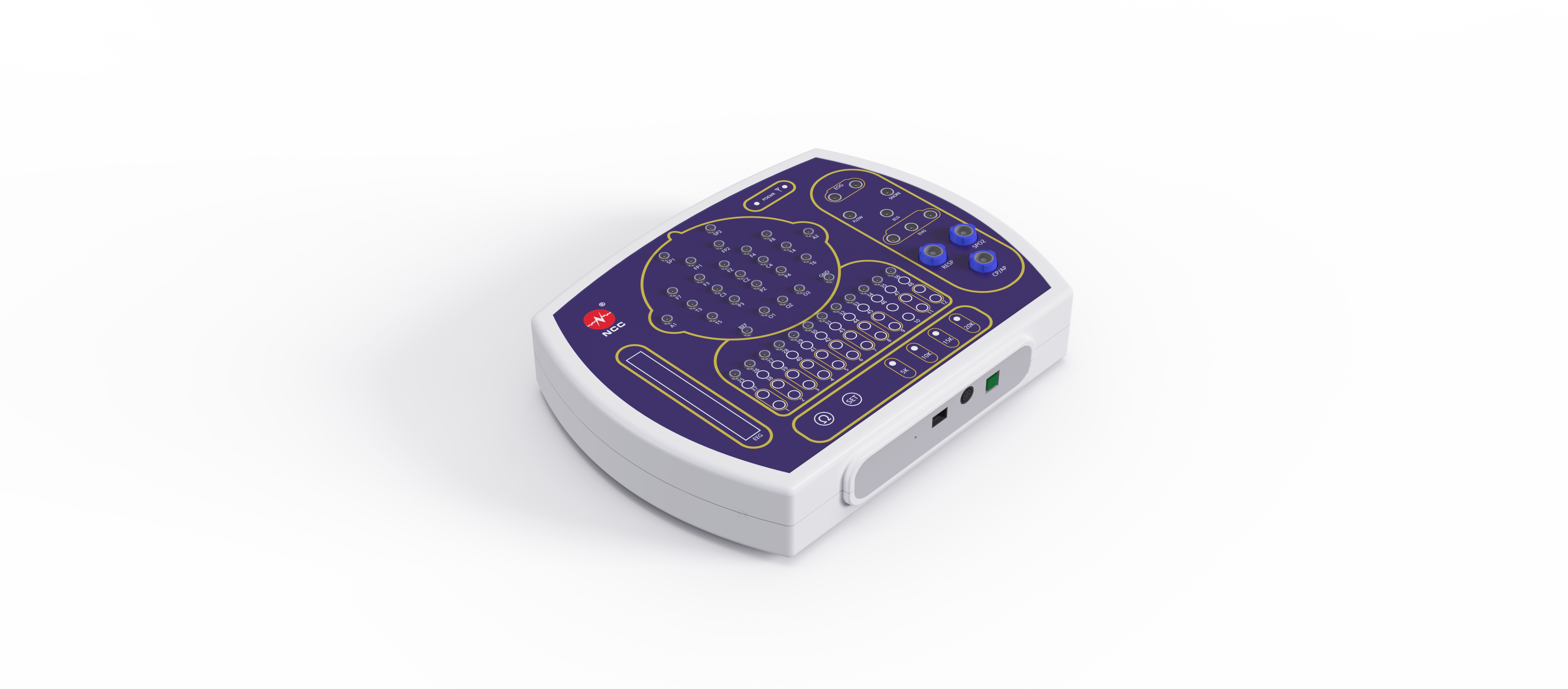
A modern instrument to measure brain waves combines high-precision signal acquisition hardware with intelligent data processing technologies to deliver reliable neurological monitoring. Designed for hospitals, research laboratories, and neuroscience centers, a professional instrument to measure brain waves enables accurate recording of brain electrical activity while maintaining excellent signal quality in complex clinical environments. Advanced system architecture supports flexible channel configurations, high sampling rates, and multimodal physiological integration. These capabilities allow clinicians to analyze brain activity in greater detail and improve diagnostic confidence. In addition, intelligent software tools reduce manual data processing workload by automatically detecting artifacts, identifying abnormal waveforms, and generating quantitative brain function metrics.

High-Density Brain Signal Acquisition Improves Spatial Resolution

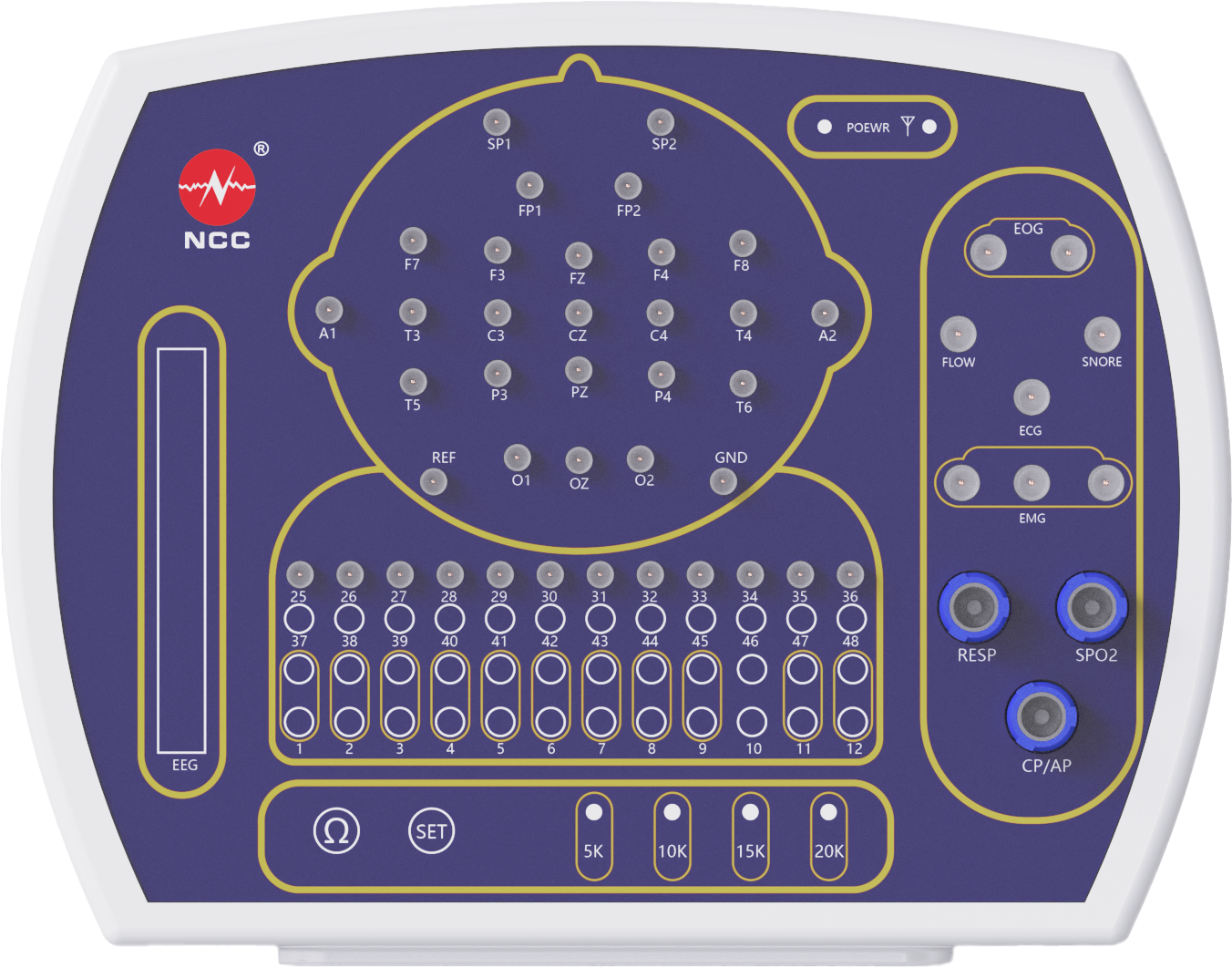
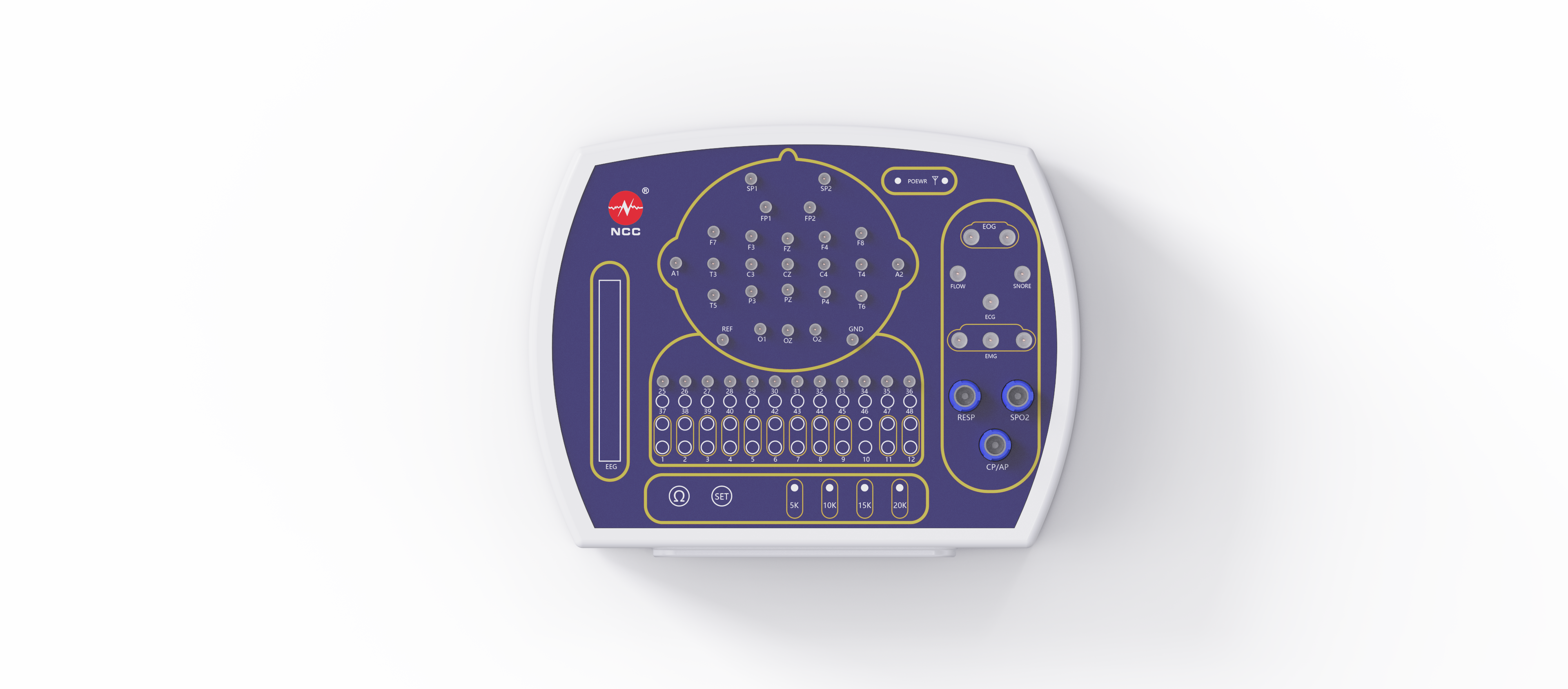
A high-performance instrument to measure brain waves supports multi-channel electrode configurations that enable detailed mapping of neural activity across the entire scalp. Modern systems can support from 32 channels to more than 256 channels, providing dense spatial coverage for clinical and research applications. High-density channel recording significantly improves the ability to detect subtle abnormalities in brain activity, especially in epilepsy diagnostics where precise localization of seizure origins is required. By collecting signals from a large number of electrodes simultaneously, the instrument to measure brain waves allows neurologists to analyze neural networks rather than isolated brain regions. This comprehensive signal acquisition improves the accuracy of brain function analysis and supports advanced neuroscience research such as connectivity analysis, cognitive experiments, and brain-computer interface studies.

Ultra-High Sampling Rate Ensures Accurate Detection Of Rapid Neural Activity

An advanced instrument to measure brain waves is capable of extremely high sampling rates that allow the capture of fast neural oscillations and transient electrophysiological events. High sampling frequencies are essential for detecting gamma-band activity and high-frequency oscillations that are often associated with epilepsy or complex cognitive processes. When combined with wide bandwidth recording technology, the instrument to measure brain waves can monitor both slow cortical potentials and high-frequency neural activity simultaneously. This capability is particularly valuable for neurological research and clinical monitoring. High-resolution analog-to-digital conversion further improves signal fidelity, enabling the system to capture microvolt-level brain signals with exceptional accuracy while minimizing signal distortion and data loss.

Intelligent Signal Processing Enhances Clinical Efficiency

Modern systems integrate intelligent software that enhances the performance of an instrument to measure brain waves. Advanced algorithms automatically identify and remove artifacts caused by eye movements, muscle contractions, and environmental interference. These automated processes greatly improve the signal-to-noise ratio and reduce the need for manual correction by technicians. In addition, the instrument to measure brain waves may include automatic seizure detection, real-time brain activity visualization, and quantitative EEG analysis. These features enable clinicians to quickly interpret complex brain wave patterns and identify abnormal neurological activity. By combining powerful hardware with intelligent analysis tools, the instrument to measure brain waves helps healthcare professionals make faster and more reliable clinical decisions.

Related Products

An instrument to measure brain waves is a sophisticated medical device designed to detect and analyze electrical activity generated by the brain. Using advanced electroencephalography technology, the system records neural signals through multiple electrodes placed on the scalp. These signals are amplified, digitized, and analyzed to provide detailed information about brain function. A modern instrument to measure brain waves features high-precision amplifiers, low-noise signal processing circuits, and high-resolution analog-to-digital converters that allow accurate recording of microvolt-level brain signals. High channel counts and wide bandwidth recording ensure comprehensive monitoring of neural activity across different brain regions.

NCC Medical Group is an internationally recognized manufacturer specializing in advanced neurodiagnostic and neuro-monitoring technologies. Since its establishment in 1997, the company has focused on developing high-precision medical equipment designed to support neurological diagnosis, brain monitoring, and intraoperative neurophysiology.

Recognized as a National SRDI “Little Giant” enterprise, NCC represents a group of innovative technology leaders that possess core intellectual property and strong research capabilities. The SRDI designation—Specialized, Refined, Differential, and Innovational—is awarded by government authorities to companies that demonstrate exceptional technological expertise and industry leadership.

NCC’s primary research and manufacturing base is located in Shanghai, China. This facility serves as the technological powerhouse of the company, integrating advanced biomedical engineering research, product design, and precision manufacturing. Through strict quality control systems and modern production processes, NCC ensures that every neurodiagnostic system meets the highest performance and reliability standards.

To support international market expansion, NCC operates a global quality and compliance center in Singapore. This strategic hub oversees international regulatory management, product certification, and global distribution coordination. By combining research and production capabilities in China with international compliance management in Singapore, NCC has established an efficient operational structure that supports global healthcare markets.

The company’s product portfolio includes intraoperative neuro-monitoring systems, EEG and PSG diagnostic equipment, electromyography systems, and a wide range of related medical consumables. These technologies are widely used in neurology departments, sleep laboratories, research institutions, and surgical operating rooms.

NCC organizes its operations around three strategic pillars. The first pillar focuses on research and manufacturing, driving innovation in neurophysiology technology and ensuring stable large-scale production. The second pillar supports global sales and export activities, building a strong international distribution network and establishing long-term partnerships with medical institutions worldwide. The third pillar emphasizes service innovation through platforms such as the NeuGuard Service Platform and the NCC Innovation Academy.

Through continuous development and international collaboration, NCC has expanded its presence to more than fifty countries and regions. Thousands of hospitals and medical centers rely on NCC technology for neurological monitoring and diagnostic procedures. From leading teaching hospitals to regional healthcare institutions, NCC solutions are widely trusted for their reliability and performance.

In addition to product development, NCC is committed to professional education and clinical collaboration. The company operates more than thirty training and technical support centers across China, providing comprehensive training programs for clinicians, biomedical engineers, and technicians. These programs support the effective use of neurodiagnostic equipment and promote the advancement of neurophysiology practice.

Guided by the mission of safeguarding life and health, NCC continues to develop innovative technologies that support safer surgical procedures, more accurate neurological diagnosis, and improved patient care worldwide.

FAQ

What is an instrument to measure brain waves used for in clinical practice?

An instrument to measure brain waves is primarily used to monitor and analyze electrical activity generated by neurons in the brain. In clinical environments, this technology plays a crucial role in diagnosing neurological disorders such as epilepsy, sleep disorders, brain injuries, and certain psychiatric conditions. By recording brain wave patterns, clinicians can identify abnormal electrical activity that may indicate neurological dysfunction. In addition to diagnostic applications, the instrument to measure brain waves is also widely used for monitoring patients during surgery or intensive care. Continuous brain activity monitoring helps physicians detect early signs of neurological deterioration or abnormal brain function. Furthermore, researchers use the instrument to measure brain waves to study cognitive processes, memory, attention, and emotional responses. The technology provides valuable insights into how the human brain processes information and responds to stimuli.
An instrument to measure brain waves records electrical signals produced by neural activity using electrodes placed on the scalp. These electrodes detect tiny voltage changes generated by groups of neurons firing within the brain. The electrical signals are extremely small, often measured in microvolts, so they must be amplified and processed before analysis. Inside the instrument to measure brain waves, sensitive amplifiers increase the strength of these signals while filtering out unwanted noise. The signals are then converted into digital data using high-resolution analog-to-digital converters. This digital information is displayed as waveforms representing different brain activity patterns. Advanced systems also incorporate signal processing algorithms to remove artifacts caused by eye movements, muscle activity, or external electrical interference. This ensures that the recorded brain wave signals accurately reflect neural activity.
When selecting an instrument to measure brain waves, several technical features should be considered to ensure reliable performance. One important factor is channel capacity. Systems with higher channel counts allow more detailed brain activity mapping and are often preferred for research and epilepsy monitoring. Sampling rate and signal resolution are also critical. Higher sampling rates enable the instrument to detect fast neural oscillations and transient brain events. In addition, high-resolution analog-to-digital converters improve signal accuracy by capturing subtle voltage changes. Another important consideration is signal noise level. A high-quality instrument to measure brain waves should maintain extremely low noise levels to ensure clean recordings. Advanced systems also provide automated artifact removal and intelligent signal analysis tools that simplify data interpretation.

More Posts

Compliance Requirements and Supply Chain Stability of Portable EEG Monitors in Neurology

04

Mar

Compliance Requirements and Supply Chain Stability of Portable EEG Monitors in Neurology

In neurology procurement, few devices are as clinically sensitive—and strategically complex—as the portable EEG monitor. Whether deployed in intensive care units for continuous seizure surveillance, in emergency departments for rapid neur...
View More
Technical Advantages, Compliance Requirements, and Procurement Strategies for Subdermal Needle

05

Mar

Technical Advantages, Compliance Requirements, and Procurement Strategies for Subdermal Needle

In the hierarchy of medical devices, the subdermal needle is often perceived as a simple commodity. In reality, it is one of the most clinically sensitive invasive consumables used across neurophysiology, pain management, and rehabilitation medicine....
View More
Key Points in Procurement and Technical Applications of Spinal Monitoring Equipment

05

Mar

Key Points in Procurement and Technical Applications of Spinal Monitoring Equipment

In spinal surgery, neurological injury is rarely dramatic in the moment it occurs. More often, it is silent, progressive, and irreversible by the time it becomes clinically apparent. This is precisely why spinal monitoring has become a standard of ca...
View More
Compliance Audit and Procurement Considerations for Ambulatory EEG Equipment in Tender Agency

05

Mar

Compliance Audit and Procurement Considerations for Ambulatory EEG Equipment in Tender Agency

Public tender projects for ambulatory EEG equipment are rarely decided by marketing narratives or clinical demonstrations. They are decided by line-by-line technical verification. In most public hospital tenders, evaluation panels are composed primar...
View More

Customer Reviews

Dr. Laura Bennett

Our neurology department recently implemented a new instrument to measure brain waves, and it has significantly improved our diagnostic capabilities. The system provides clear and stable EEG recordings with minimal signal noise. Its high-density electrode configuration allows us to analyze brain activity with much greater detail than our previous equipment. The automated artifact removal tools also reduce the time required for data cleaning, which has greatly improved our workflow efficiency.

Prof. Daniel Park

As a neuroscience researcher, having a reliable instrument to measure brain waves is essential for our experiments. The system we selected offers excellent signal quality and supports advanced data analysis tools that help us study neural connectivity and cognitive processing. The modular design allows us to expand the system as our research needs grow. Overall, the instrument to measure brain waves has become a critical part of our laboratory infrastructure.

Dr. Maria Gonzalez

We use an instrument to measure brain waves for epilepsy monitoring and sleep studies in our hospital. The system provides accurate and stable recordings even during long-term monitoring sessions. The software interface is intuitive and includes automated seizure detection features that assist clinicians in identifying abnormal events quickly. The reliability and performance of this instrument have exceeded our expectations.

Get a Free Quote

Our representative will contact you soon.
Email
Name
Mobile
Your Role
Company Name
Message
0/1000
High-Density Brain Monitoring Technology

High-Density Brain Monitoring Technology

A modern instrument to measure brain waves supports multi-channel EEG acquisition systems capable of recording detailed neural activity across the entire scalp. High channel counts provide improved spatial resolution and allow clinicians to analyze complex neural networks rather than isolated signals. This capability greatly enhances epilepsy diagnosis, cognitive research, and neurological monitoring.
AI-Driven Brain Signal Processing

AI-Driven Brain Signal Processing

Advanced software integrated within the instrument to measure brain waves automatically identifies and removes artifacts, detects abnormal waveforms, and generates quantitative EEG metrics. These intelligent analysis tools reduce manual processing workload and help clinicians interpret complex brain wave patterns more efficiently.
Flexible Integration With Multimodal Physiological Monitoring

Flexible Integration With Multimodal Physiological Monitoring

An advanced instrument to measure brain waves can synchronize EEG data with other physiological signals such as ECG, EMG, respiration, and blood oxygen levels. This multimodal monitoring capability enables clinicians and researchers to analyze relationships between brain activity and other physiological processes, supporting comprehensive neurological assessment.

Copyright © NCC Medical Co., Ltd.  -  Privacy policy