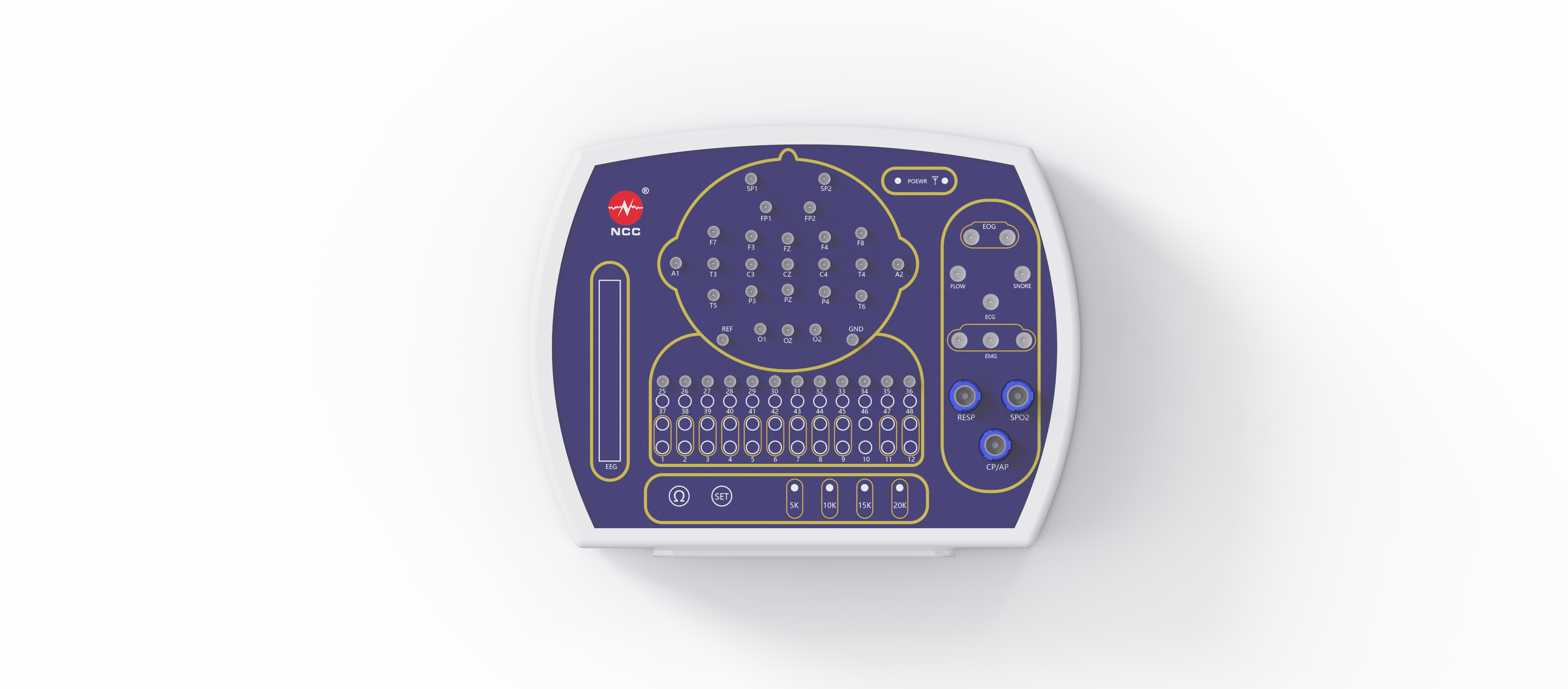
Portable EEG Device: 288-Channel Wireless Brain Monitoring

All Categories

Optimizing Clinical Efficiency: Portable EEG Device Solutions for Modern Healthcare Providers

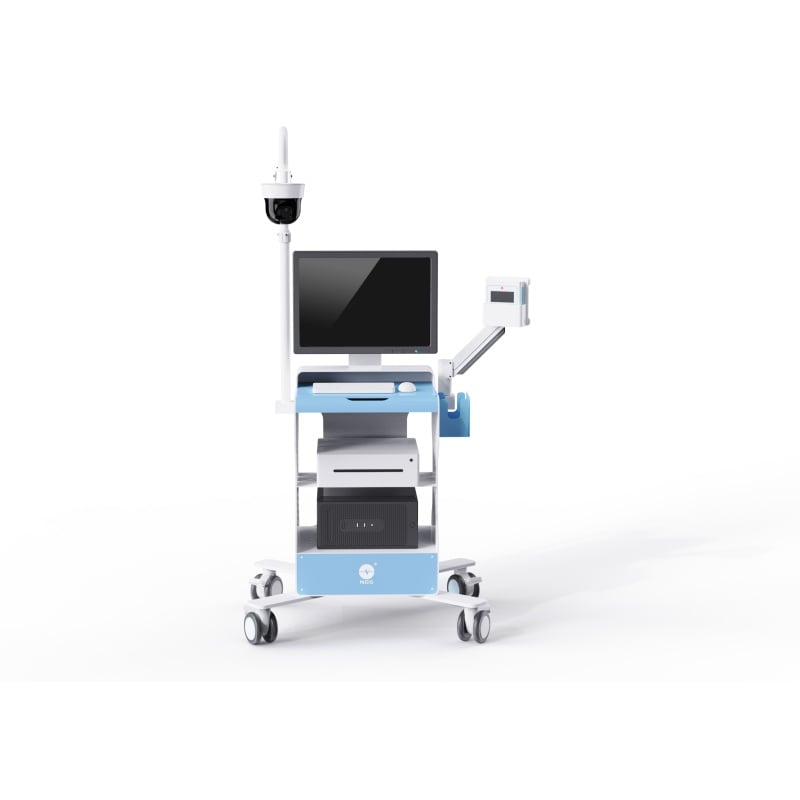
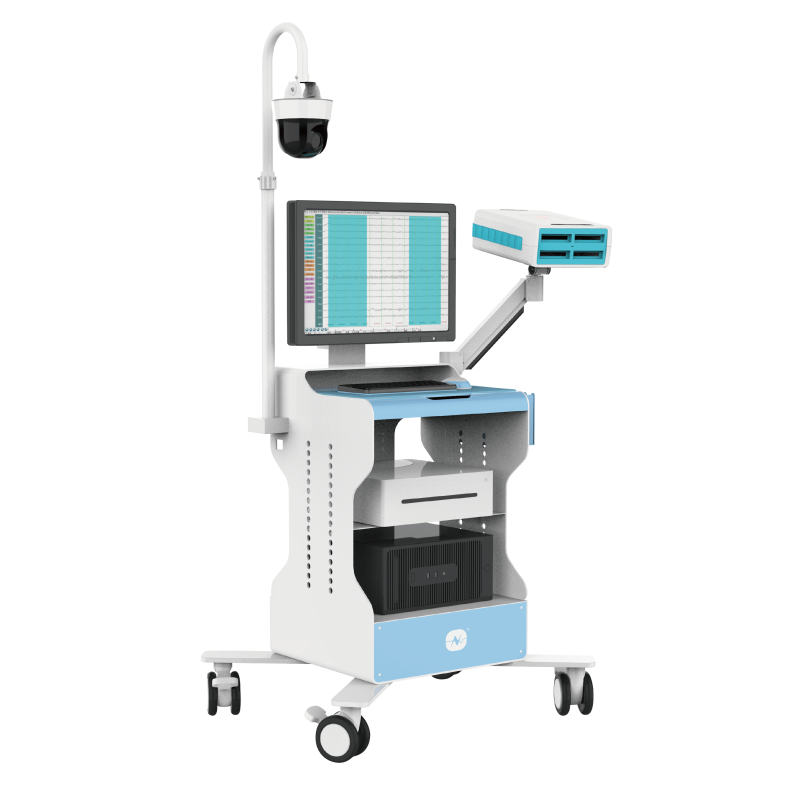
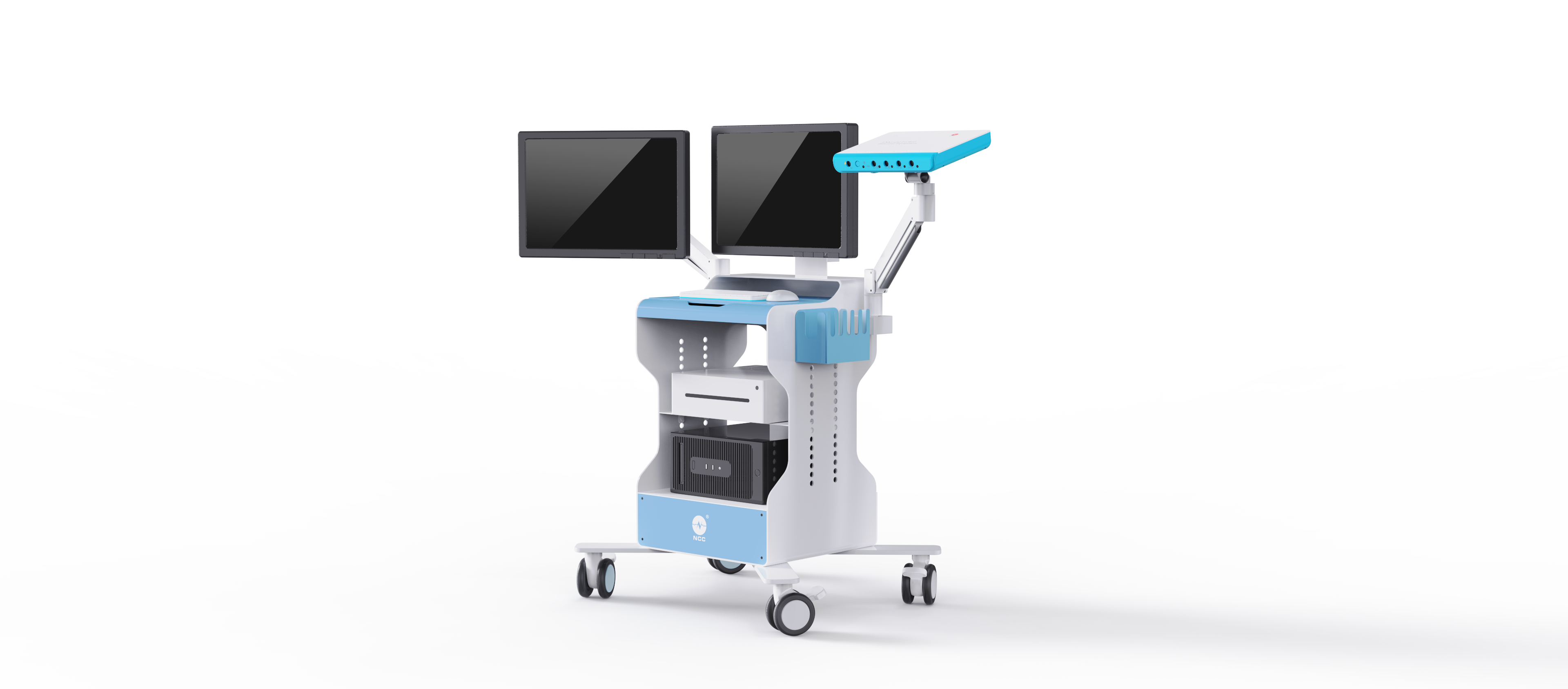
The Portable EEG Device represents a transformative advancement in neurodiagnostic technology, offering high-density brain monitoring without the constraints of traditional wired systems. Designed for clinical, research, and mobile healthcare applications, these devices combine ultra-high channel counts, wide frequency bandwidth, and wireless connectivity to deliver precise, reliable EEG data. Portable EEG devices enable flexible deployment in ICUs, outpatient clinics, home monitoring, and research environments. With integrated AI analysis, multi-modal signal compatibility, and intuitive user interfaces, healthcare providers can improve patient care, reduce setup time, and expand neurophysiological monitoring to previously inaccessible scenarios. These features make Portable EEG Devices essential tools for hospitals, research institutions, and mobile healthcare solutions.
Get A Quote

Portable EEG Device

Portable EEG devices provide clinical and research teams with unmatched flexibility, high-resolution brain monitoring, and seamless integration into complex healthcare environments. They reduce setup time, enhance data reliability, and support advanced neuroanalytics, offering a comprehensive solution for B2B clients who demand both precision and operational efficiency.

High-Density Channel Architecture for Precise Brain Mapping

Portable EEG devices support up to 256–288 channels, capturing comprehensive brain activity across cortical regions. This ensures accurate localization of epileptogenic foci and facilitates advanced cognitive and neurological research.

Real-Time AI-Assisted Signal Analysis for Efficient Clinical Decisions

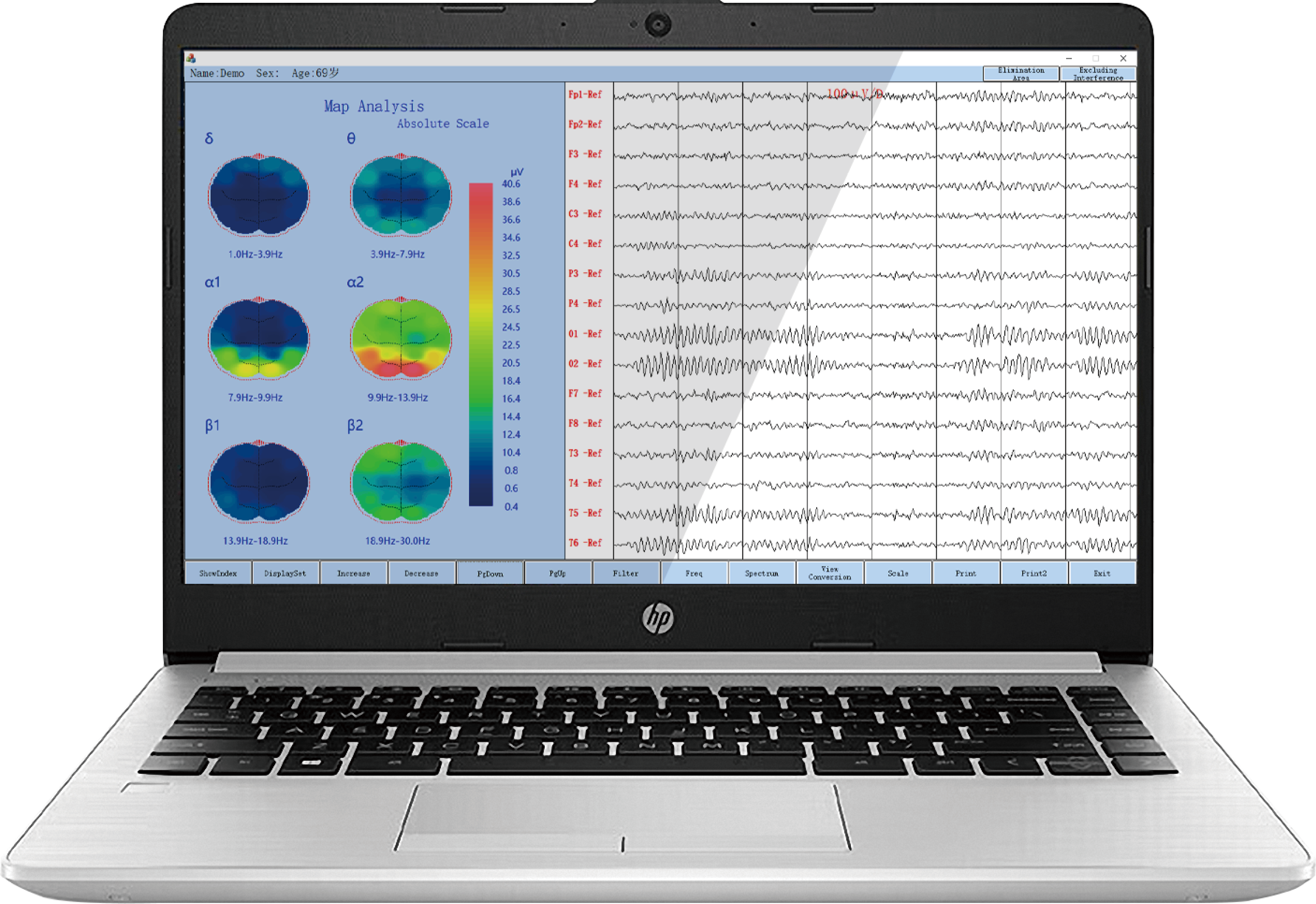
Integrated AI modules enable immediate processing of brain signals, including epileptic spike detection and sleep stage classification. Clinicians can receive actionable insights at the bedside, improving diagnosis speed and patient outcomes.

Wireless, Modular, and User-Friendly Design for Flexible Deployment

Lightweight, battery-powered devices with modular configurations allow deployment in ICUs, outpatient clinics, or home monitoring. The system’s wireless data transmission, easy electrode application, and intuitive software reduce training needs and setup times.

Related Products

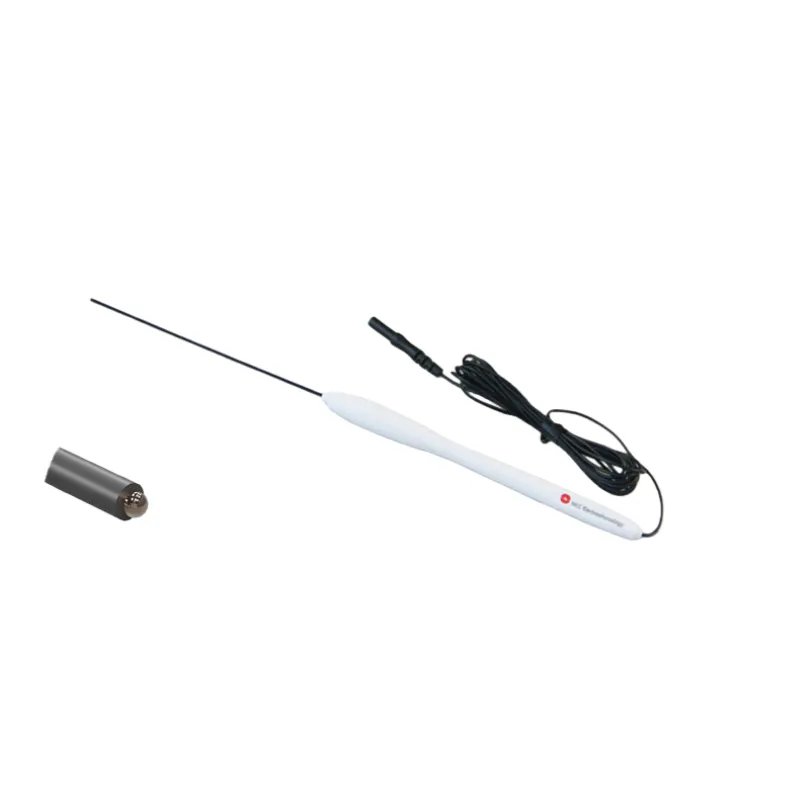
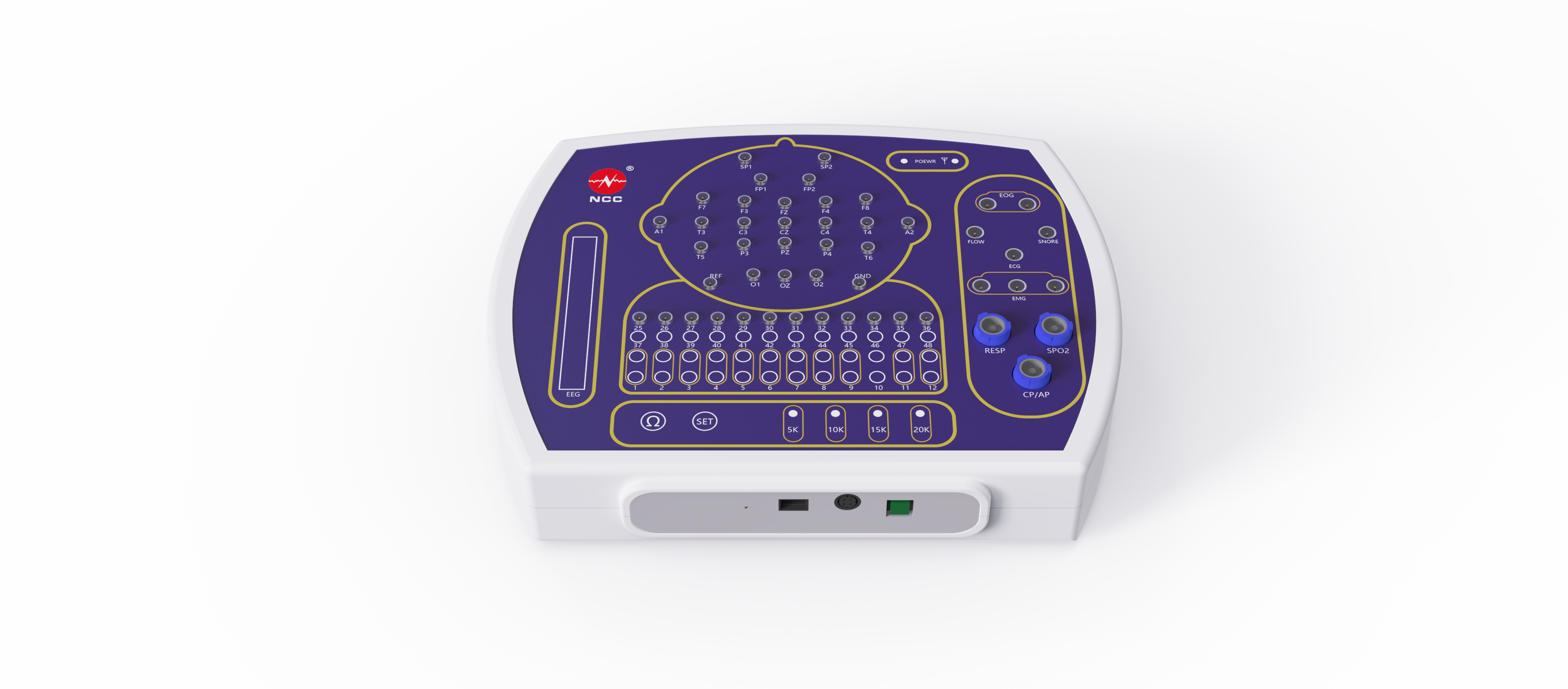
The Portable EEG Device is engineered to combine high-end neurophysiological capabilities with mobility and ease of use. Constructed using precision high-impedance amplifiers and 24-bit high-resolution ADCs, it ensures ultra-low noise and accurate signal capture. The device supports DC-coupled, wide-bandwidth recording from <0.1 Hz to >1 kHz and is compatible with dry, saline, and Ag/AgCl electrodes. Optical fiber or Bluetooth transmission enables interference-free signal collection in challenging clinical environments. Modular electrode caps, hot-swappable batteries, and built-in impedance monitoring facilitate rapid deployment and uninterrupted long-term recordings. Multi-modal integrations for ECG, EMG, SpO₂, and respiration allow comprehensive physiological assessment. Its rugged, IP54-rated enclosure ensures durability for portable and home-based monitoring.

About NCC MEDICAL GROUP
Founded in 1997, NCC MEDICAL GROUP is a globally recognized leader in neurodiagnostic and neuro-monitoring solutions, holding the prestigious designation of National ‘Little Giant’ (SRDI) Enterprise. NCC specializes in IONM, EEG/PSG, EMG, and medical consumables, leveraging patented technologies to deliver innovative solutions that safeguard patient health and optimize clinical workflows.

R&D and Manufacturing
Our research and development powerhouse is located in Shanghai, China, where cutting-edge neurophysiology research meets precision manufacturing. Advanced automated production lines, strict quality controls, and continuous innovation ensure all devices meet the highest international standards. NCC emphasizes modular, scalable design, allowing hospitals and research centers to customize devices according to clinical needs.

Global Quality and Compliance
Our global compliance hub in Singapore oversees certifications, regulatory adherence, and continuous quality auditing. Every device adheres to ISO, CE, and FDA standards, and our patented technologies reflect years of focused neurodiagnostic expertise.

Corporate Structure and Global Footprint
NCC operates through three strategic pillars: R&D & Manufacturing, Global Sales & Export, and Service & Innovation. Our solutions are deployed in over 5,000 hospitals across 50+ countries, including top-tier teaching hospitals and regional medical centers in Southeast Asia, Australia, Europe, the Americas, and Africa.

Service and Training
The NeuGuard Service Platform and NCC Innovation Academy provide comprehensive training and technical support to clinicians worldwide. NCC maintains 31 training centers across China and a rapidly expanding global distributor network, offering on-site assistance, multidisciplinary collaboration, and continuous professional education.

Mission and Vision
NCC’s mission is safeguarding life and health by advancing safer surgeries, precise diagnostics, and high-quality patient care. Our vision is to make advanced neurodiagnostic solutions universally accessible, ensuring every healthcare provider has the tools to deliver optimal patient outcomes.

Innovation and Research
Through active investment in R&D, NCC continues to pioneer AI-assisted EEG analysis, portable monitoring solutions, and integrated neurophysiology platforms. Our devices support cloud-based analytics, real-time remote monitoring, and compatibility with leading software frameworks, fostering a connected and data-driven healthcare ecosystem.

Customer-Centric Approach
NCC’s client-centric model emphasizes flexibility, reliability, and continuous improvement. From global distribution logistics to localized technical support, we ensure that every partner receives devices that are not only technologically advanced but also backed by unparalleled service and education.

FAQ

How can a Portable EEG Device improve patient monitoring in mobile or home care environments?

Portable EEG devices enable high-fidelity neurodiagnostic monitoring outside conventional clinical settings. With wireless transmission, battery-powered operation, and lightweight electrode caps, patients can wear devices comfortably during daily activities, sleep, or rehabilitation. Clinicians can remotely access real-time data, ensuring continuous observation and timely interventions. These features significantly expand the reach of EEG monitoring, reduce hospital visits, and support long-term data collection for conditions like epilepsy, sleep disorders, or cognitive impairment. The combination of AI-assisted artifact removal and high-density recordings ensures clinically reliable results even in less controlled environments.
Portable EEG devices incorporate high-input impedance amplifiers (>1 GΩ), 24-bit high-resolution ADCs, wide-bandwidth DC-coupled recording, and high CMRR (>100 dB) to ensure signal integrity. Multi-modal recording channels allow simultaneous ECG, EMG, and respiration capture. Fiber-optic or Bluetooth transmission mitigates electromagnetic interference, while real-time electrode impedance monitoring and active-shield electrode lines minimize artifacts from motion and environmental noise. Together, these technologies provide precise, low-noise recordings suitable for clinical diagnostics and research-grade applications.
Modern Portable EEG devices support HL7, FHIR, and LSL protocols for seamless integration with hospital HIS/PACS and research software. Optical fiber or wireless transmission ensures compatibility with MRI, TMS, and NIRS systems. Devices can export data in EDF, BDF, GDF, or MFF formats, easily connecting to analysis platforms like EEGLAB, Brainstorm, and FieldTrip. Open SDKs in Python, MATLAB, and C++ allow developers to build custom analytics pipelines or BCI applications, while cloud-based platforms facilitate multi-center data aggregation and remote collaboration. This interoperability positions the device as a versatile tool in both clinical and research environments.

More Posts

Technical Specifications and OEM Service Advantages of 37mm EMG Needles

04

Mar

Technical Specifications and OEM Service Advantages of 37mm EMG Needles

Introduction: The 37mm EMG Needle as a High-Threshold OEM Product In the global neurodiagnostic and rehabilitation device market, the 37mm EMG needle is far more than a disposable electrode—it serves as a key indicator of a supplier’s tec...
View More
Technical Standards and OEM Customization Services of Intraoperative Nerve Stimulators for Surgical Precision

05

Mar

Technical Standards and OEM Customization Services of Intraoperative Nerve Stimulators for Surgical Precision

In modern surgery, precision is no longer defined solely by the surgeon’s hand. It is increasingly defined by the reliability of the technologies guiding that hand. The nerve stimulator intraoperative has evolved from an auxiliary device into a...
View More
Technical Specifications and Procurement Guide for Probe Surgical Instruments

04

Mar

Technical Specifications and Procurement Guide for Probe Surgical Instruments

In the global surgical instrument supply chain, few products are as frequently underestimated as the probe. On paper, it appears simple: a slender metallic instrument, usually with blunt ends, described in a quotation sheet as “304 stainless st...
View More
Compliance Audit and Procurement Considerations for Ambulatory EEG Equipment in Tender Agency

05

Mar

Compliance Audit and Procurement Considerations for Ambulatory EEG Equipment in Tender Agency

Public tender projects for ambulatory EEG equipment are rarely decided by marketing narratives or clinical demonstrations. They are decided by line-by-line technical verification. In most public hospital tenders, evaluation panels are composed primar...
View More

Customer Reviews

Dr. Emily Harrison

Modern Portable EEG devices support HL7, FHIR, and LSL protocols for seamless integration with hospital HIS/PACS and research software. Optical fiber or wireless transmission ensures compatibility with MRI, TMS, and NIRS systems. Devices can export data in EDF, BDF, GDF, or MFF formats, easily connecting to analysis platforms like EEGLAB, Brainstorm, and FieldTrip. Open SDKs in Python, MATLAB, and C++ allow developers to build custom analytics pipelines or BCI applications, while cloud-based platforms facilitate multi-center data aggregation and remote collaboration. This interoperability positions the device as a versatile tool in both clinical and research environments.

Mr. Samuel Lee

"We deployed NCC's Portable EEG Device for home-based epilepsy monitoring. Patients found the wearable caps comfortable, and the system's multi-modal signal capture provided comprehensive physiological data. Remote access enabled clinicians to review trends in real time, improving treatment responsiveness. This device sets a new standard for mobile neurodiagnostics."

Prof. Maria Gonzalez

"NCC’s Portable EEG Device impressed us with its modular expansion and cloud integration. We can scale from 32 to 256 channels depending on research needs, and the data synchronization with MRI and TMS experiments is flawless. The build quality, low-noise amplification, and real-time analytics make it indispensable for our neuroscience lab."

Get a Free Quote

Our representative will contact you soon.
Email
Name
Mobile
Your Role
Company Name
Message
0/1000
Ultra-High Density Brain Monitoring for Accurate Diagnosis

Ultra-High Density Brain Monitoring for Accurate Diagnosis

Portable EEG Devices support up to 288 channels, enabling precise localization of neural activity and reliable data for epilepsy and cognitive research.
Wireless and Modular Design for Flexible Clinical Deployment

Wireless and Modular Design for Flexible Clinical Deployment

Lightweight, battery-powered, and modular, these devices are ideal for ICU, home monitoring, and research applications, reducing setup time and enhancing patient comfort.
Integrated AI and Real-Time Analysis for Enhanced Clinical Insights

Integrated AI and Real-Time Analysis for Enhanced Clinical Insights

AI-powered algorithms provide real-time spike detection, artifact removal, and sleep staging, allowing clinicians to make faster, more accurate decisions without additional computational resources.

Copyright © NCC Medical Co., Ltd.  -  Privacy policy