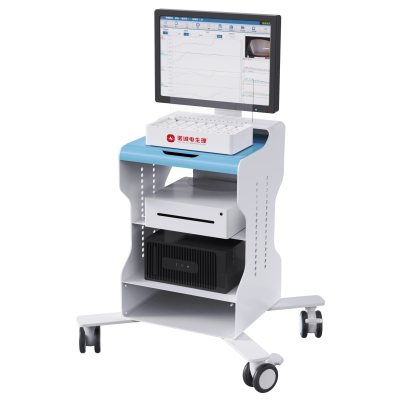
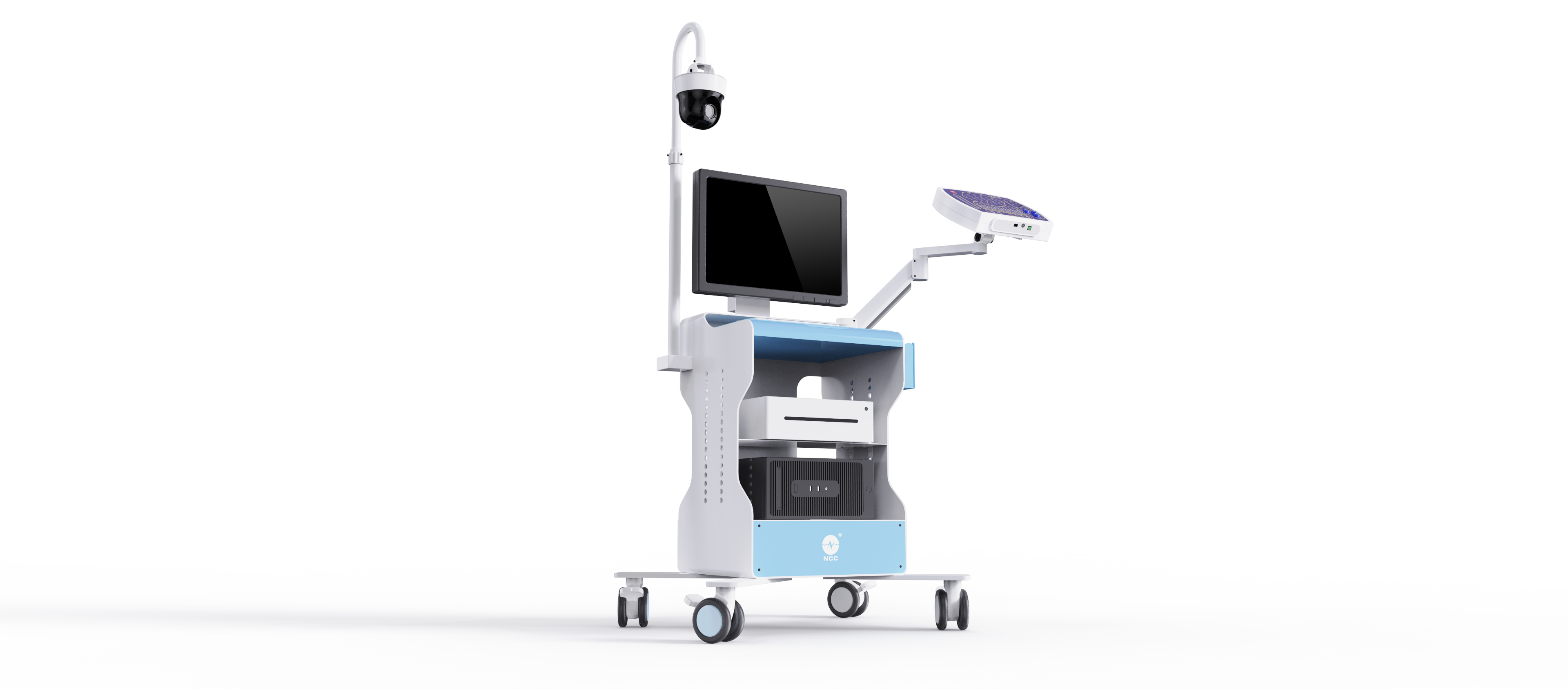
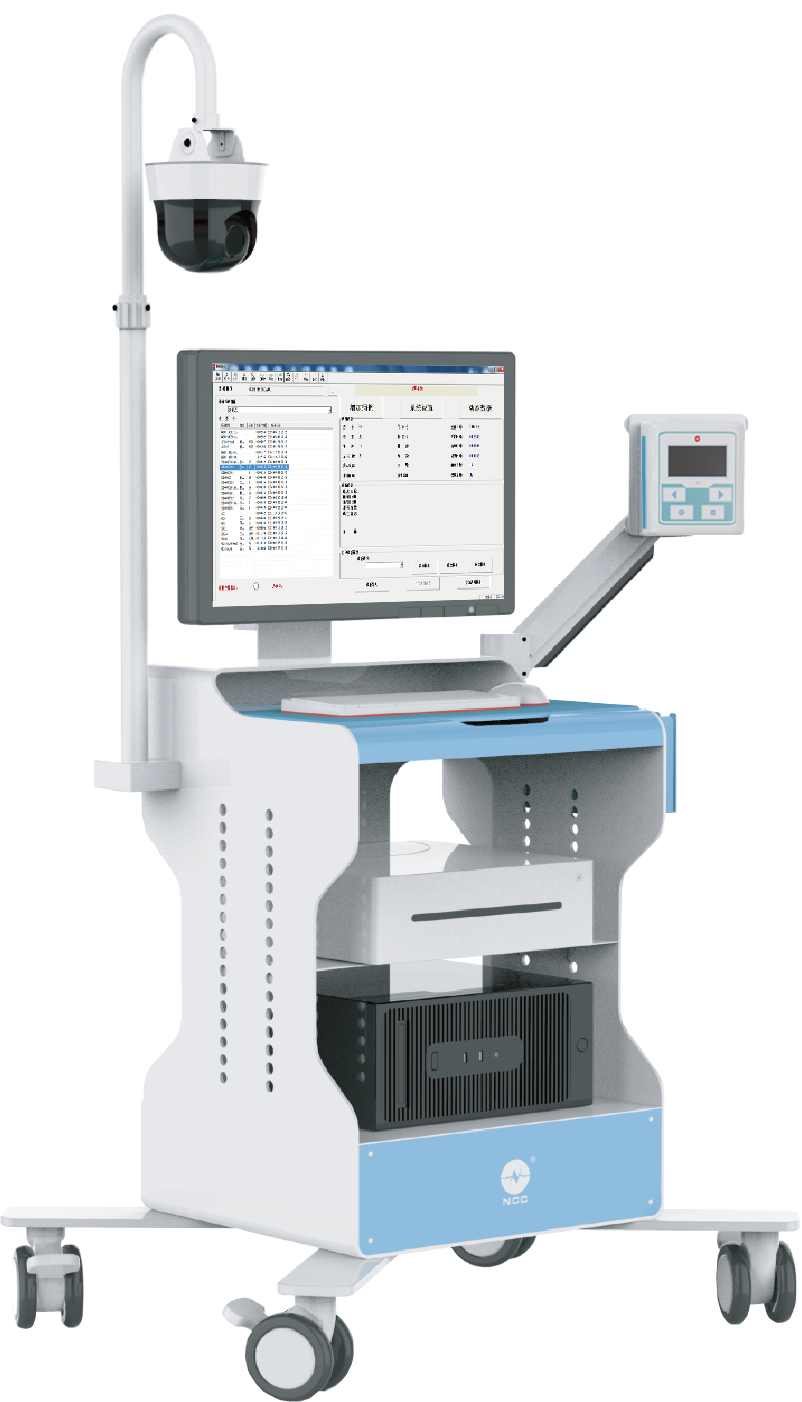
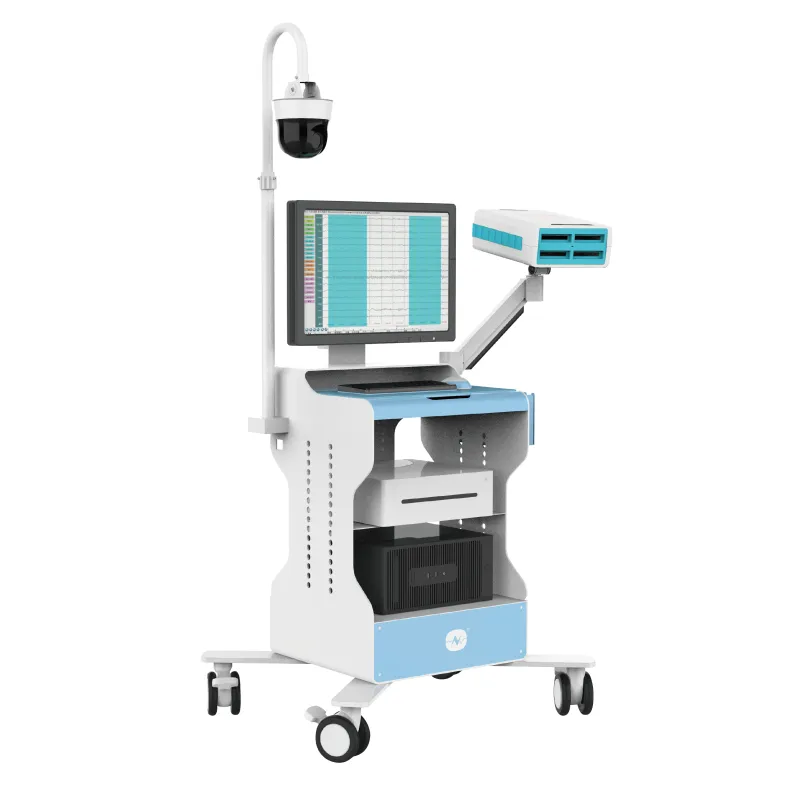
Mobile EEG Monitoring Systems: 288-Channel HD Brain Signal Acquisition

All Categories

Mobile EEG Monitoring Systems for Hospitals and Research Centers: High-Density Brain Signal Acquisition and Intelligent

Mobile EEG Monitoring has become a crucial technology in modern neurodiagnostics, enabling clinicians and researchers to capture high-resolution brain activity data outside traditional laboratory environments. With the increasing demand for long-term neurological observation, epilepsy diagnosis, sleep research, and cognitive neuroscience studies, Mobile EEG Monitoring systems are evolving rapidly to provide higher channel counts, superior signal fidelity, and flexible deployment in clinical and real-world environments. Advanced Mobile EEG Monitoring platforms now support ultra-high channel configurations ranging from 128 to 288 channels, allowing dense cortical coverage and precise detection of neural network dynamics. This capability significantly improves the localization accuracy of epileptic foci and enhances brain connectivity research.
Get A Quote

Mobile EEG Monitoring

In the neurodiagnostic equipment market, Mobile EEG Monitoring stands out as a transformative solution that bridges traditional laboratory EEG systems and real-world neurological observation. For hospitals, research institutes, and clinical monitoring centers, Mobile EEG Monitoring offers a strategic advantage by enabling continuous brain signal acquisition while maintaining high signal fidelity and patient comfort. The value of Mobile EEG Monitoring lies not only in its portability but also in its advanced signal processing capabilities, intelligent analysis functions, and seamless integration with hospital information systems. These capabilities allow clinicians to collect more representative neurological data while simplifying clinical workflows and improving diagnostic efficiency. Below are three key advantages that make Mobile EEG Monitoring an essential technology in modern neurophysiology.

High-Density Neural Signal Acquisition for Advanced Brain Research

Mobile EEG Monitoring systems equipped with high-channel configurations allow clinicians and neuroscientists to capture detailed neural activity across the entire cortex. Traditional EEG systems typically support 32 or 64 channels, but modern Mobile EEG Monitoring platforms can scale to 128, 256, or even 288 channels. This expanded spatial resolution significantly improves the ability to detect distributed neural network patterns and identify abnormal cortical regions associated with epilepsy, cognitive disorders, or neurodegenerative diseases. High-density Mobile EEG Monitoring also reduces reliance on spatial interpolation algorithms, enabling more accurate source localization and functional connectivity analysis. For research laboratories investigating brain networks or neuroplasticity, Mobile EEG Monitoring provides the data density required for sophisticated modeling techniques such as source reconstruction and brain network mapping.

Ultra-High Signal Fidelity with Advanced Amplification and Noise Reduction

Signal quality is the cornerstone of any EEG system, and Mobile EEG Monitoring devices are designed to deliver exceptional signal fidelity even in challenging clinical environments. Modern Mobile EEG Monitoring amplifiers typically incorporate 24-bit analog-to-digital converters, extremely low baseline noise levels, and high common-mode rejection ratios exceeding 100 dB. These technical specifications ensure that Mobile EEG Monitoring systems can accurately capture microvolt-level brain signals without distortion or saturation. The high dynamic range allows researchers to observe subtle neural oscillations and event-related potentials that may be missed by lower-resolution systems. Moreover, Mobile EEG Monitoring platforms often integrate intelligent artifact removal technologies powered by machine learning algorithms. These algorithms can detect and suppress interference caused by eye movements, muscle activity, or external electrical noise while preserving genuine neural signals.

Flexible Deployment and Long-Term Monitoring in Real-World Environments

One of the defining advantages of Mobile EEG Monitoring is its ability to extend neurological observation beyond the confines of traditional clinical laboratories. Portable amplifier units, wireless data transmission, and integrated battery systems allow Mobile EEG Monitoring devices to operate continuously in hospital wards, patient homes, rehabilitation centers, and research facilities. This flexibility enables clinicians to capture brain activity during everyday activities such as walking, sleeping, or interacting with the environment. Such real-world data provides valuable insights into neurological conditions that may not manifest during short laboratory recordings. Additionally, Mobile EEG Monitoring systems often support internal data storage and Holter-style recording modes, allowing patients to wear the device for extended periods without needing a constant connection to a computer.

Related Products

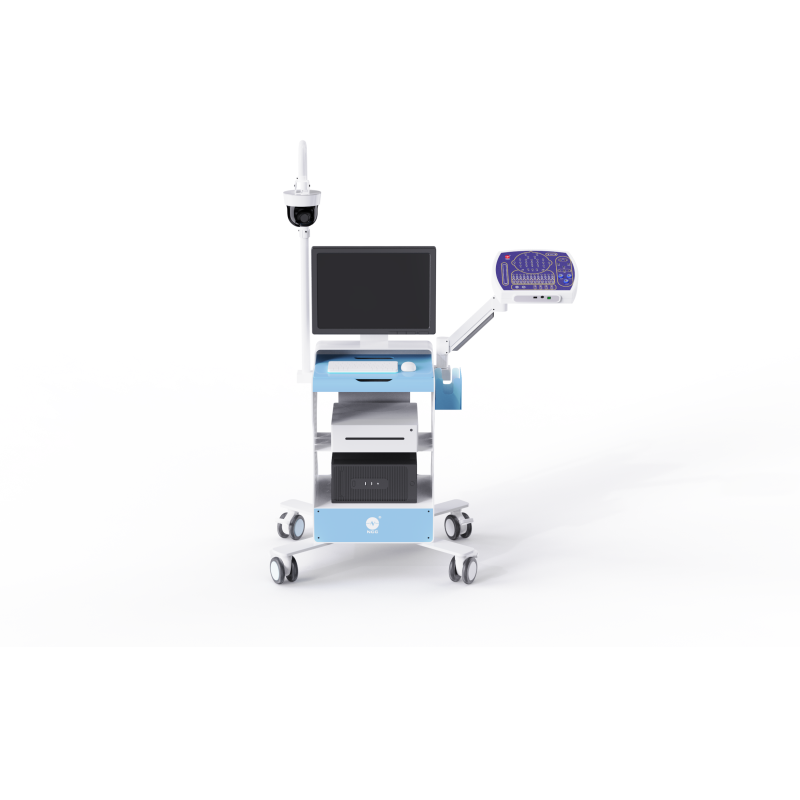
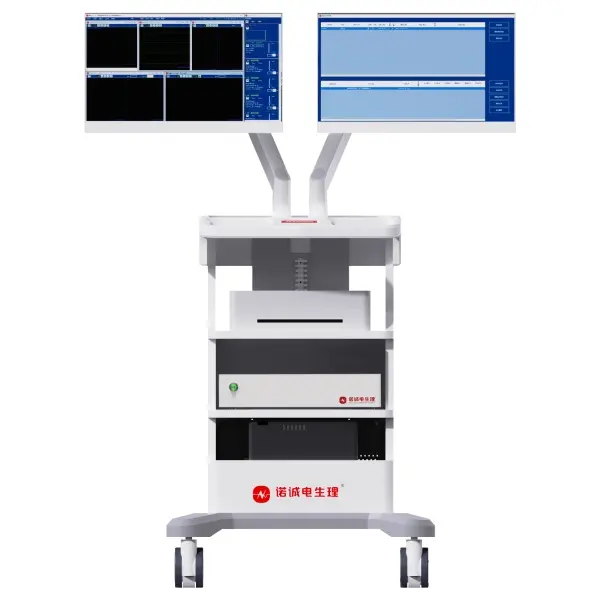
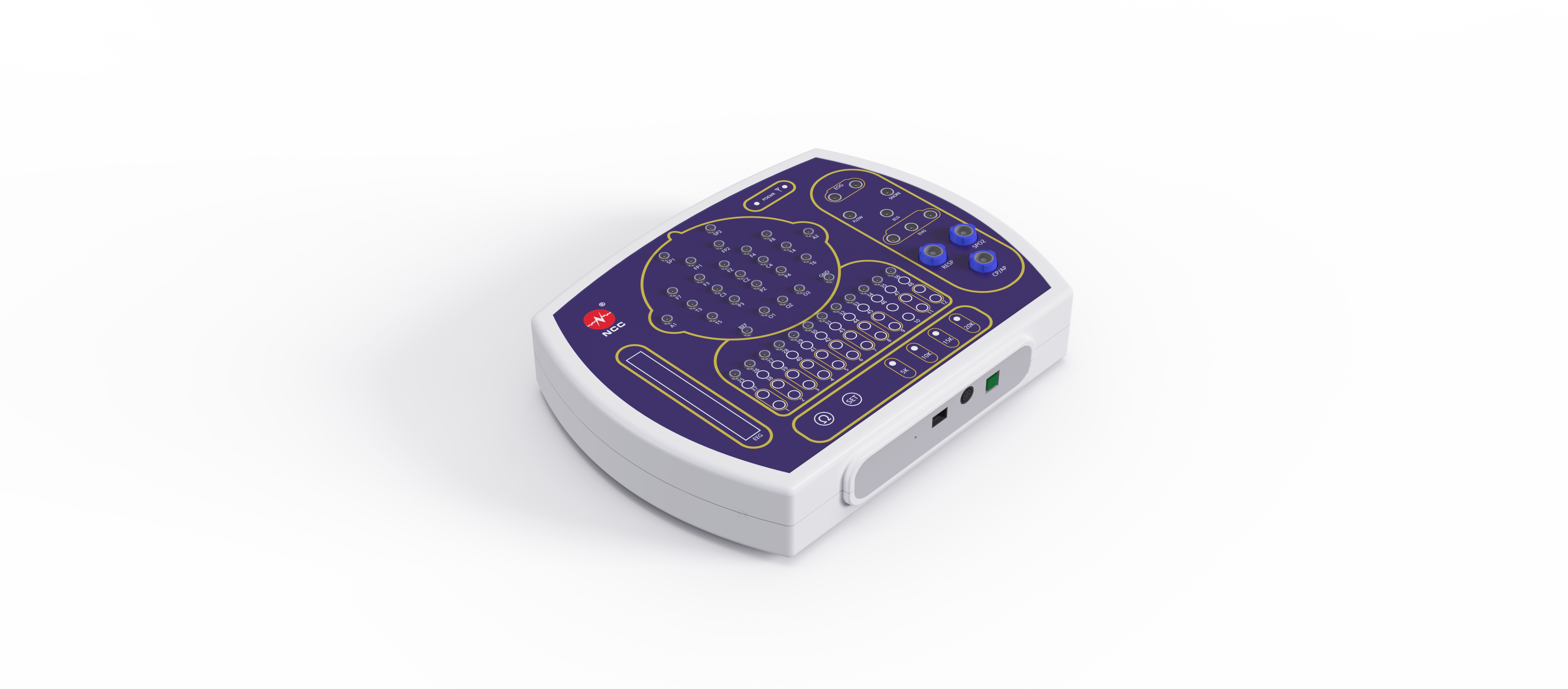
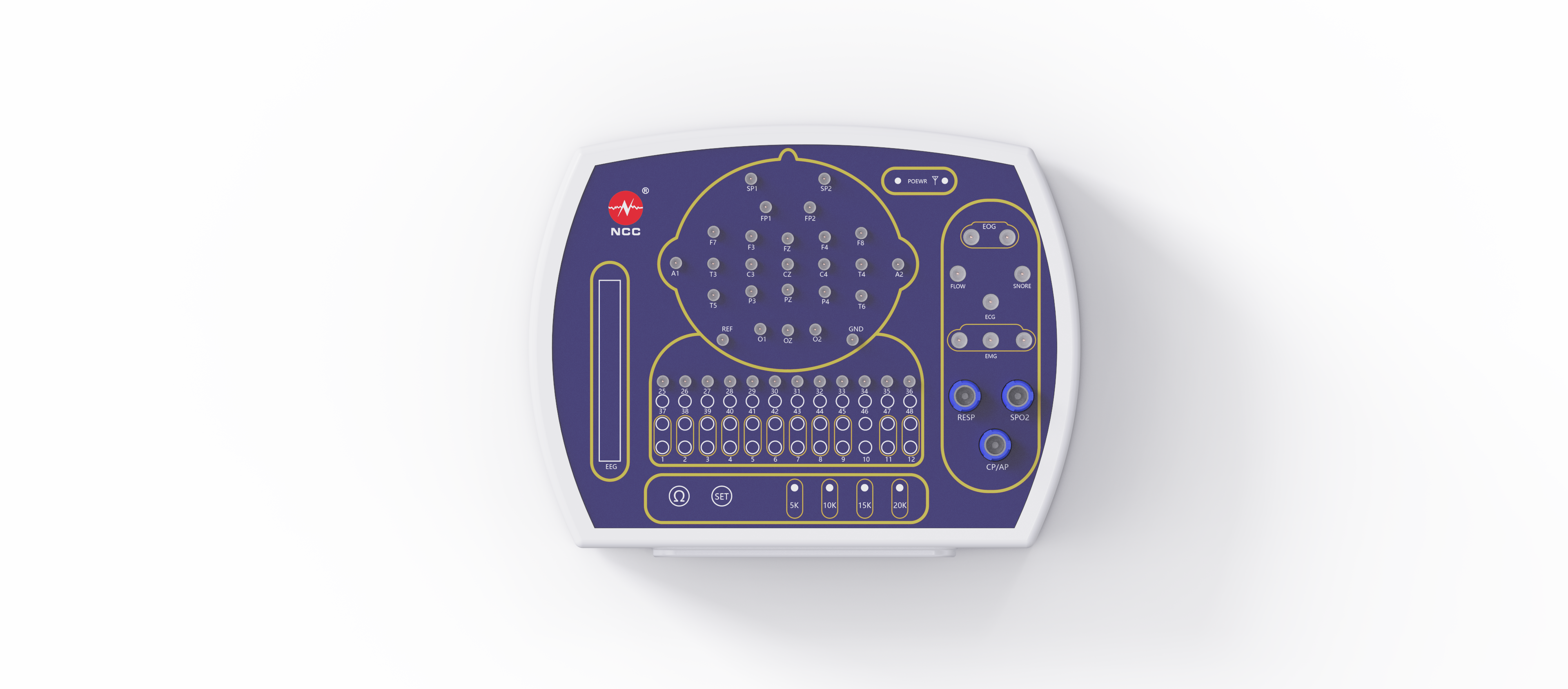
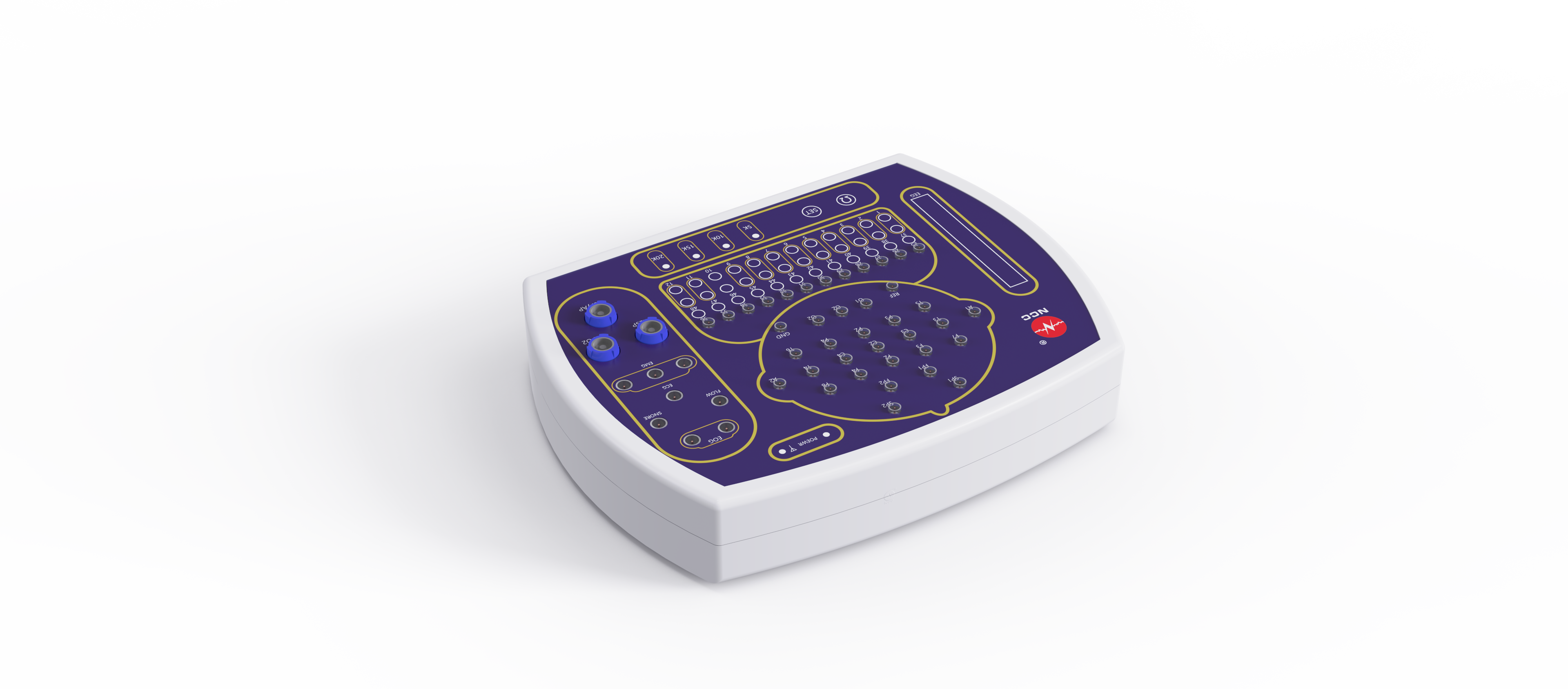
Mobile EEG Monitoring systems represent a new generation of neurodiagnostic technology designed to combine high-precision brain signal acquisition with maximum portability and operational flexibility. Unlike conventional laboratory EEG equipment, Mobile EEG Monitoring devices are engineered for continuous neurological observation in both clinical and real-world environments. At the core of a Mobile EEG Monitoring system is a high-performance signal acquisition amplifier featuring ultra-low noise electronics, high input impedance exceeding 1 GΩ, and high-resolution 24-bit analog-to-digital conversion. These hardware specifications ensure that even extremely weak neural signals can be captured with exceptional clarity and accuracy.

About NCC MEDICAL GROUP

NCC MEDICAL GROUP is a globally recognized developer and manufacturer of advanced neurodiagnostic and neuro-monitoring technologies. As a National Specialized, Refined, Differential, and Innovational (SRDI) “Little Giant” Enterprise, NCC represents one of the most innovative technology leaders in the neurophysiology industry. The SRDI designation is awarded by government authorities to companies that demonstrate strong research capabilities, patented technologies, and outstanding contributions to strategic high-tech industries.

Founded in 1997, NCC has more than two decades of experience in developing sophisticated solutions for neurological diagnostics and intraoperative monitoring. The company operates a dual-hub structure designed to ensure both technological innovation and international compliance. Its primary research and manufacturing center is located in Shanghai, China, where multidisciplinary engineering teams focus on neurophysiology hardware design, signal processing algorithms, and precision manufacturing. Meanwhile, NCC’s global quality and regulatory hub in Singapore oversees international compliance, certification processes, and global supply chain coordination.

NCC specializes in a comprehensive portfolio of neurophysiology solutions, including Intraoperative Neuromonitoring (IONM) systems, EEG and PSG diagnostic platforms, EMG diagnostic equipment, and high-precision medical consumables such as electrodes and sensors. These technologies play a vital role in neurosurgery, orthopedic surgery, sleep medicine, rehabilitation, and neurological research.

One of NCC’s key strengths lies in its vertically integrated development approach. The company combines hardware engineering, embedded software design, signal processing algorithms, and clinical workflow optimization into a unified development framework. This approach ensures that NCC systems deliver both technical excellence and practical usability in real clinical environments.

NCC’s clinical technologies are currently deployed in more than 50 countries worldwide, supporting neurological diagnostics and monitoring in hospitals, surgical centers, and research laboratories. Within China alone, over 5,000 hospitals rely on NCC equipment for daily neurodiagnostic procedures. Internationally, NCC solutions are widely used across Southeast Asia, Australia, Europe, North America, South America, and Africa.

To support healthcare professionals worldwide, NCC operates 31 training and technical support centers across China. These centers provide structured training programs for neurologists, neurophysiology technicians, and biomedical engineers. Through hands-on workshops, simulation training, and continuing education courses, NCC ensures that medical professionals can fully utilize advanced neurodiagnostic technologies.

In addition to its domestic training network, NCC is actively expanding its global distributor ecosystem, building partnerships with regional distributors and clinical technology providers. This strategy enables faster technical support, localized service capabilities, and improved accessibility to NCC solutions in international markets.

The company also promotes interdisciplinary collaboration through its NeuGuard Service Platform and the NCC Innovation Academy. These initiatives connect clinicians, researchers, and engineers to accelerate the development of safer surgical monitoring techniques, more precise neurological diagnostics, and next-generation neurotechnology.

Guided by its mission of “Safeguarding Life and Health,” NCC continues to push the boundaries of neurophysiology innovation. By combining advanced technology, clinical expertise, and global collaboration, NCC MEDICAL GROUP is committed to improving patient outcomes and advancing neurological healthcare worldwide.

FAQ

What are the main clinical applications of Mobile EEG Monitoring?

Mobile EEG Monitoring is widely used in epilepsy diagnosis, sleep disorder studies, neurological research, and long-term brain monitoring. The technology allows clinicians to record brain activity continuously while patients perform normal daily activities. For epilepsy patients, Mobile EEG Monitoring is especially valuable because seizures often occur unpredictably. Continuous monitoring increases the likelihood of capturing seizure events and provides doctors with more accurate diagnostic data. Mobile EEG Monitoring is also used in sleep research to analyze brain activity during different sleep stages. Because the equipment is portable, sleep monitoring can be conducted in a more natural environment rather than a specialized laboratory. In addition, researchers use Mobile EEG Monitoring in neuroscience experiments that involve movement or real-world interaction, providing insights that traditional laboratory EEG systems cannot easily capture.
Mobile EEG Monitoring systems incorporate several technologies to maintain signal quality when patients are moving. High-input-impedance amplifiers reduce sensitivity to electrode contact variations, ensuring stable signal acquisition even when slight movement occurs. Advanced shielding cables and high common-mode rejection ratios also help suppress electrical interference from surrounding equipment. These features allow Mobile EEG Monitoring devices to operate reliably in hospital environments where electromagnetic noise may be present. Many systems also include software algorithms that automatically detect and remove motion artifacts such as eye blinks or muscle activity. By combining hardware and software solutions, Mobile EEG Monitoring ensures consistent signal quality during ambulatory monitoring.
Hospitals evaluating Mobile EEG Monitoring systems should consider several technical and operational factors. Channel capacity is important because higher channel counts allow more detailed brain mapping and improved diagnostic accuracy. Signal quality specifications such as sampling rate, analog-to-digital resolution, and baseline noise should also be evaluated carefully. These parameters determine how accurately the system can capture neural signals. Portability and patient comfort are equally important. Lightweight amplifiers, wireless connectivity, and long battery life improve patient compliance during long-term monitoring. Finally, hospitals should evaluate vendor support, training programs, and after-sales services. Reliable technical support ensures successful system implementation and long-term clinical use.

More Posts

Technical Advantages and Procurement Strategies of Portable EMG in Neuromuscular Diagnostics

05

Mar

Technical Advantages and Procurement Strategies of Portable EMG in Neuromuscular Diagnostics

Introduction: From Research Instrument to Clinical Infrastructure The global demand for neuromuscular diagnostics is expanding rapidly. Aging populations, rising incidence of peripheral neuropathies, increasing rehabilitation needs, and the growth of...
View More
Clinical Advantages and Supply Chain Assurance of Wireless EEG Devices

05

Mar

Clinical Advantages and Supply Chain Assurance of Wireless EEG Devices

Wireless EEG device technology is redefining the operational boundaries of neurodiagnostics. What was once confined to fixed electroencephalography laboratories is now extending into intensive care units, emergency departments, ambulatory environment...
View More
Compliance and Technical Advantages of Portable EEG Machines: Empowering Efficient Clinical Neuro Monitoring in Healthcare Institutions

05

Mar

Compliance and Technical Advantages of Portable EEG Machines: Empowering Efficient Clinical Neuro Monitoring in Healthcare Institutions

The true value of an eeg machine portable solution is not measured by how small it is, but by how reliably it performs when removed from the controlled environment of a neurophysiology laboratory and placed into the complexity of real clinical care. ...
View More
Technological Innovations and Application Potential of Portable EEG System in Healthcare Institutions

05

Mar

Technological Innovations and Application Potential of Portable EEG System in Healthcare Institutions

Electroencephalography is no longer confined to the neurophysiology laboratory. Over the past decade, the evolution of the portable EEG system has redefined how and where brain function can be monitored. What was once a scheduled, room-boun...
View More

Customer Reviews

Reviewer: Dr. Michael Brown

“Our neurology department introduced a Mobile EEG Monitoring system last year, and it has greatly improved our epilepsy monitoring workflow. The portability allows patients to move freely during monitoring, which increases the chance of capturing seizure activity. The signal quality is excellent, and the automated analysis tools help our technicians review data more efficiently.”

Reviewer: Prof. Elena Garcia

“As a neuroscience researcher, Mobile EEG Monitoring has expanded the scope of our experiments. We can now collect brain activity data while participants perform real-world tasks instead of remaining seated in a laboratory environment. The system provides reliable signal quality and flexible configuration options.”

Reviewer: David Clark

“Our biomedical engineering team evaluated several portable EEG systems before selecting a Mobile EEG Monitoring solution. The system’s low noise level, high channel capacity, and wireless transmission capabilities make it ideal for long-term monitoring and clinical research applications.”

Get a Free Quote

Our representative will contact you soon.
Email
Name
Mobile
Your Role
Company Name
Message
0/1000
High-Channel Mobile EEG Monitoring for Detailed Brain Network Analysis

High-Channel Mobile EEG Monitoring for Detailed Brain Network Analysis

Mobile EEG Monitoring systems support high channel configurations that provide detailed coverage of brain activity. This capability allows clinicians to analyze neural networks with higher spatial resolution and improve the accuracy of neurological diagnostics.
AI-Assisted Mobile EEG Monitoring for Intelligent Brain Signal Analysis

AI-Assisted Mobile EEG Monitoring for Intelligent Brain Signal Analysis

Modern Mobile EEG Monitoring platforms integrate artificial intelligence algorithms that assist in detecting abnormal brain activity patterns. These technologies help clinicians interpret EEG data more efficiently and support faster clinical decisions.
Portable Mobile EEG Monitoring Designed for Continuous Ambulatory Use

Portable Mobile EEG Monitoring Designed for Continuous Ambulatory Use

Lightweight hardware and wireless connectivity allow Mobile EEG Monitoring devices to operate in hospitals, homes, and research environments. This portability enables continuous neurological monitoring and improves the likelihood of capturing clinically relevant brain activity.

Copyright © NCC Medical Co., Ltd.  -  Privacy policy