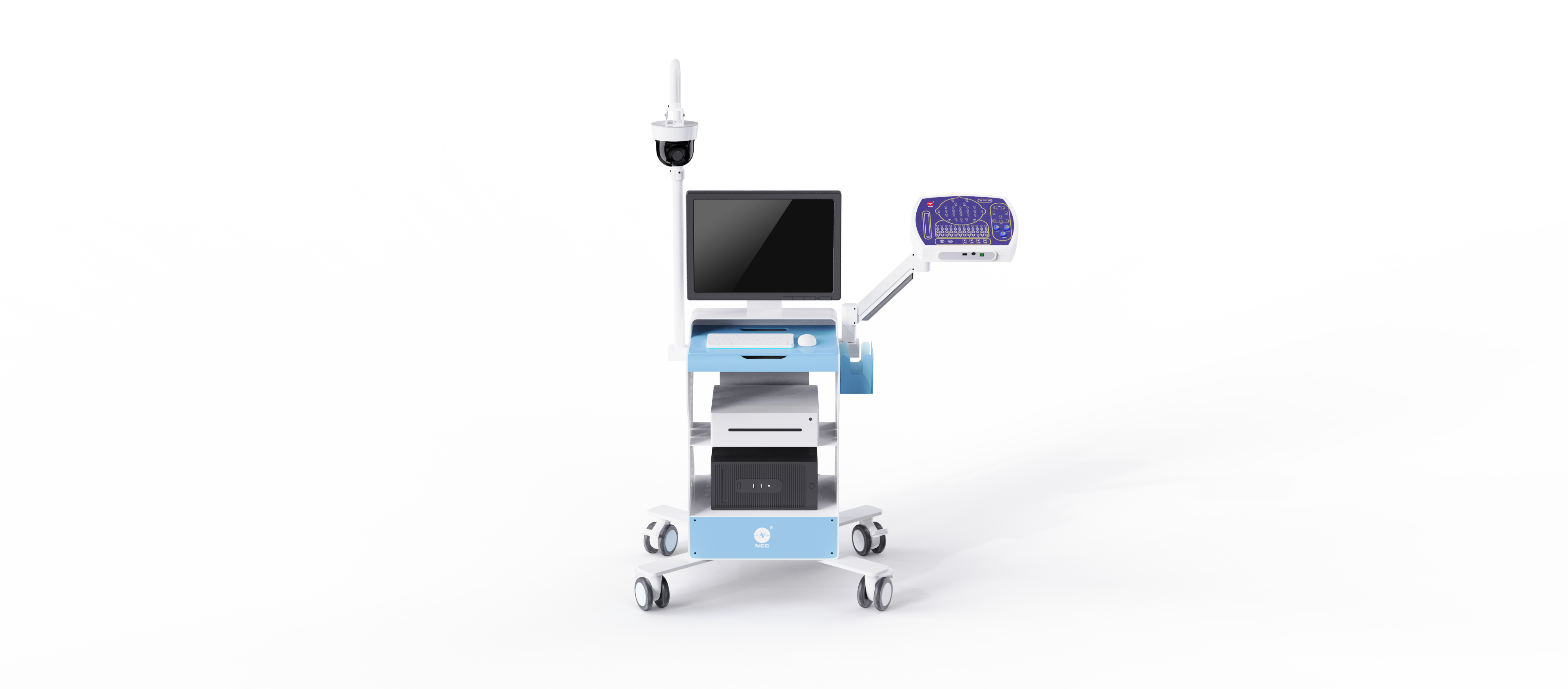
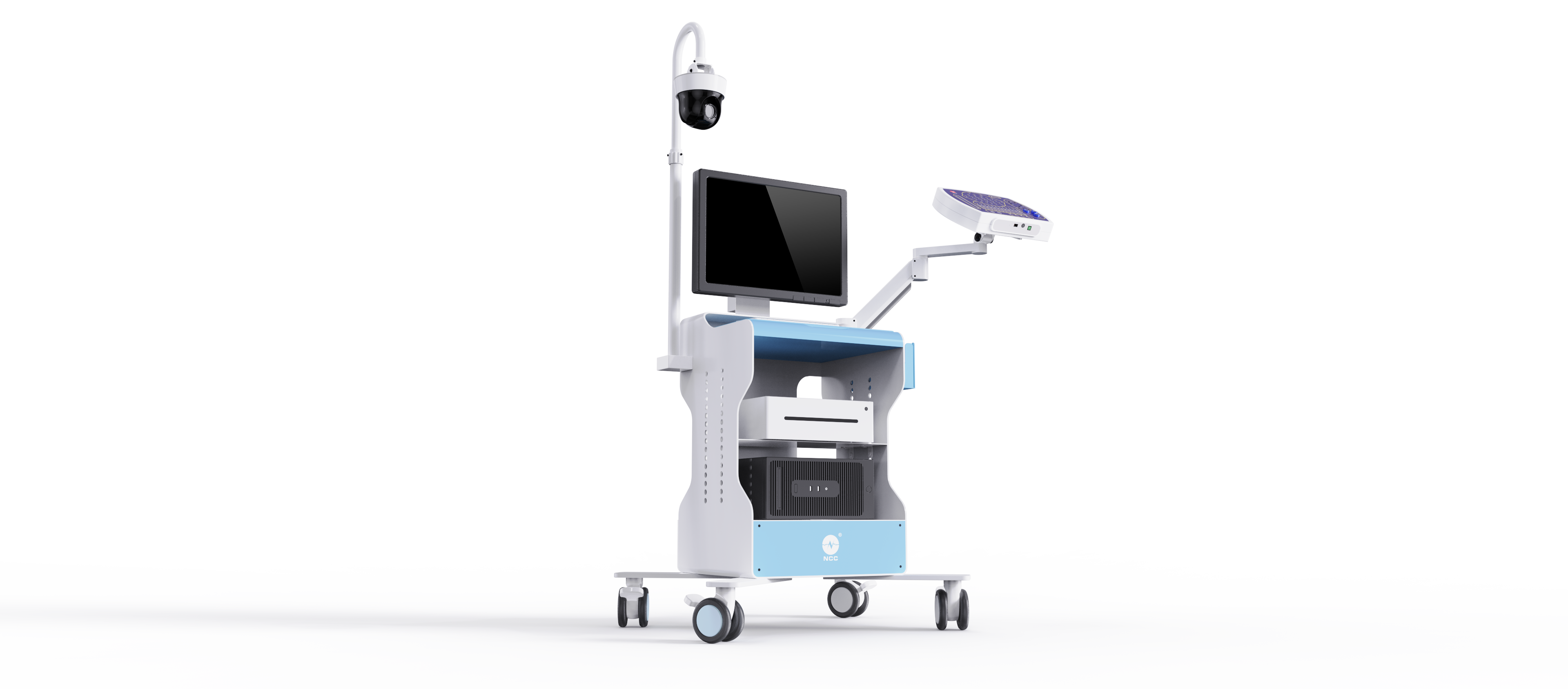
Bluetooth EEG Headset: Wireless High-Density Brain Monitoring

All Categories

Bluetooth EEG Headset for Clinical Brain Monitoring, Research Labs and Mobile Neurotechnology Applications

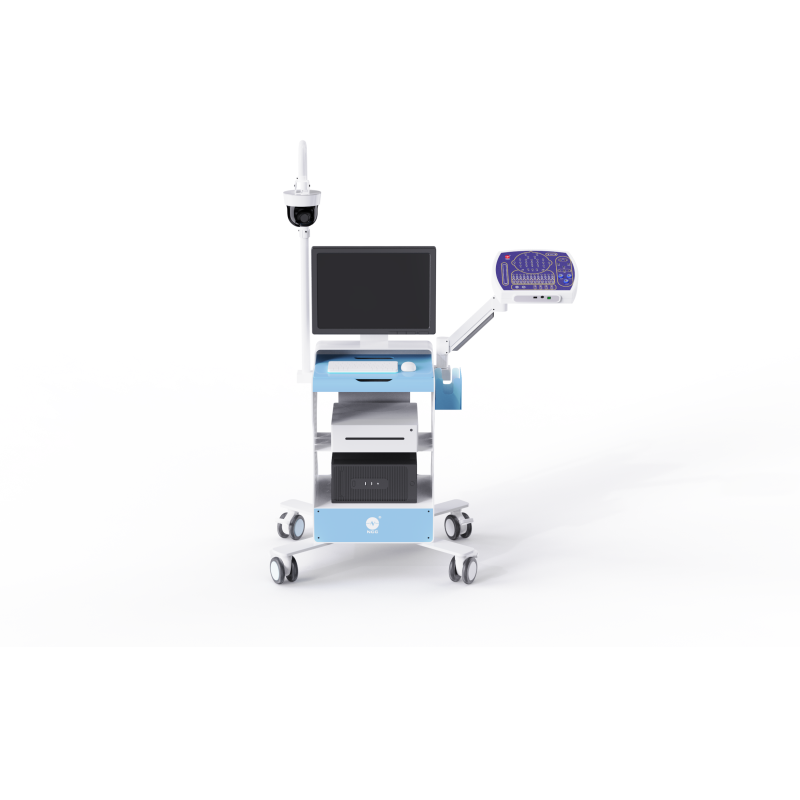
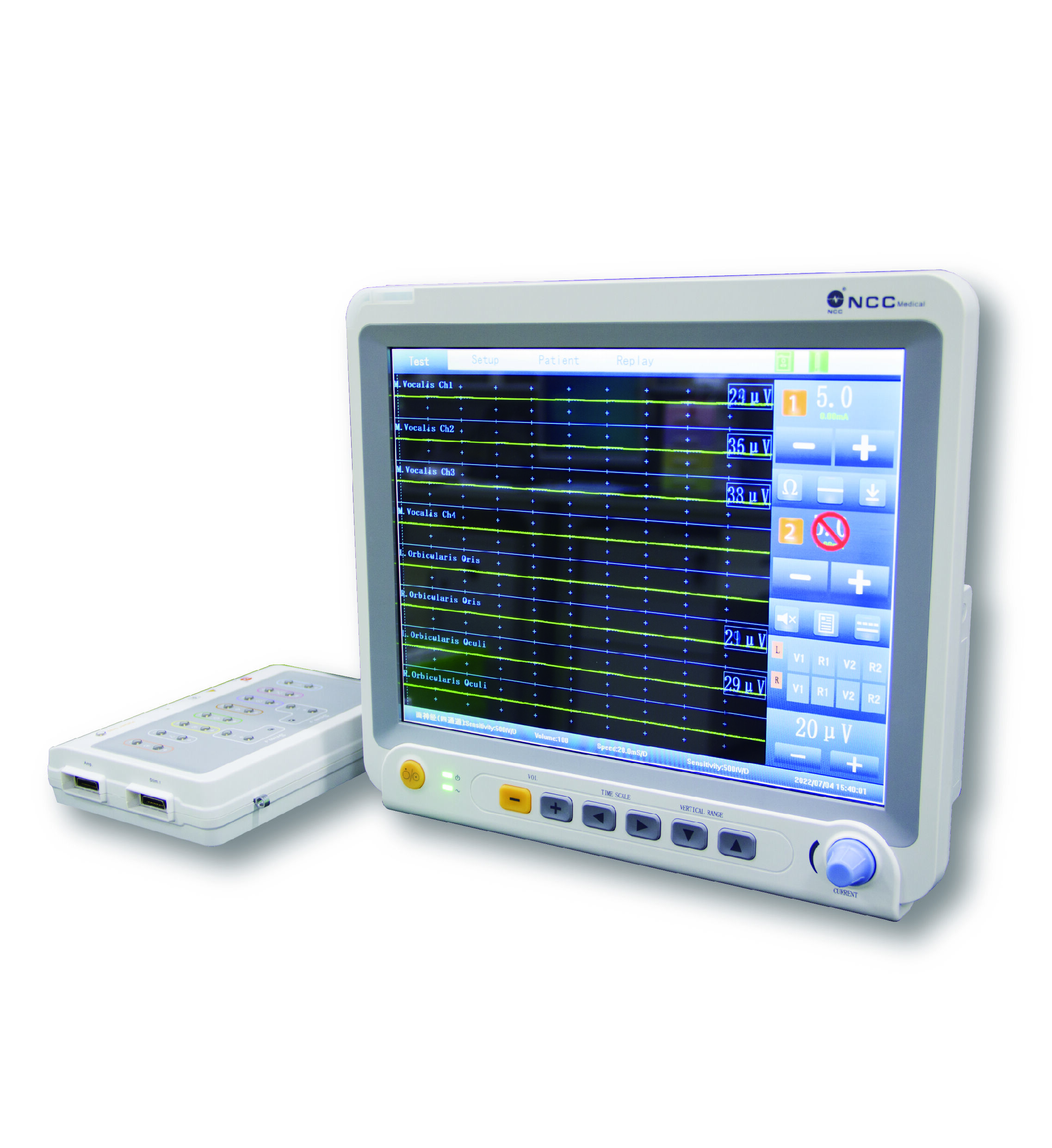
The Bluetooth EEG Headset represents a new generation of wireless neurophysiology monitoring equipment designed for hospitals, neuroscience laboratories, rehabilitation centers, and brain-computer interface development teams. By integrating advanced wireless communication, high-precision EEG amplification, and intelligent signal processing, a Bluetooth EEG Headset enables real-time brain activity acquisition without the limitations of traditional wired systems. Modern neurodiagnostic workflows increasingly demand mobility, flexibility, and fast deployment. A professional Bluetooth EEG Headset supports high-density EEG channels, ultra-low-noise amplifiers, and wide bandwidth recording while maintaining a lightweight wearable design. With Bluetooth-based wireless data transmission, clinicians and researchers can collect neural signals while subjects move naturally in clinical wards, research environments, or home-monitoring settings.
Get A Quote

Bluetooth EEG Headset

A professional Bluetooth EEG Headset integrates cutting-edge neurotechnology innovations including ultra-high channel EEG acquisition, wireless transmission architecture, intelligent artifact removal, and multimodal physiological monitoring. These technologies allow clinicians and researchers to collect accurate brain signals in complex real-world environments while maintaining high patient comfort and operational efficiency. The following advantages highlight why modern Bluetooth EEG Headset solutions are becoming essential tools in neurology, neuroscience research, and brain-computer interface development.

High-Density EEG Acquisition Enables Precise Brain Network Monitoring

High-end Bluetooth EEG Headset systems support high-density channel configurations ranging from 32 channels to 128, 256, or even higher channel counts. This high-resolution spatial sampling enables accurate recording of cortical electrical activity across the entire scalp, which is essential for epilepsy source localization, cognitive neuroscience experiments, and functional brain mapping. With dense electrode coverage, researchers can capture subtle neural oscillations and network connectivity patterns that would otherwise be missed by low-channel systems. Additionally, high-density recording reduces interpolation errors and improves source localization algorithms used in advanced EEG analysis software.

Wireless Bluetooth Transmission Enables Fully Mobile Brain Monitoring

Traditional EEG systems rely on heavy wired connections that restrict patient movement and complicate experimental setups. A Bluetooth EEG Headset eliminates these limitations by providing stable wireless data transmission using modern Bluetooth protocols. This allows subjects to walk, perform cognitive tasks, participate in rehabilitation training, or even sleep naturally while their brain signals are continuously recorded. Wireless operation also improves patient comfort and reduces setup complexity in clinical wards. For research institutions, Bluetooth-enabled EEG acquisition opens the door to ecological neuroscience studies where brain activity is recorded during real-world interactions and natural behavior.

Ultra-Low Noise Amplification Ensures High-Fidelity Neural Signal Capture

A professional Bluetooth EEG Headset incorporates advanced amplifier technology with extremely low intrinsic noise levels, often below 2 µV peak-to-peak. High input impedance and high common-mode rejection ratio (CMRR) help suppress environmental electromagnetic interference, ensuring that the recorded signals represent true neural activity rather than electrical artifacts. This high signal quality is critical for detecting weak brain signals such as event-related potentials (ERPs), gamma oscillations, and high-frequency epileptiform discharges. As a result, clinicians can rely on the data for accurate diagnosis, while researchers obtain reliable datasets for complex computational neuroscience studies.

Related Products

The Bluetooth EEG Headset is a professional wireless brain signal acquisition system engineered for modern neurodiagnostic and neurotechnology applications. Built with high-precision medical-grade electronics, the system combines advanced EEG amplification, intelligent signal processing, and wireless communication in a compact wearable device. At the hardware level, the Bluetooth EEG Headset integrates high-resolution analog-to-digital converters with up to 24-bit precision, ensuring accurate capture of microvolt-level neural signals. The amplifier design provides ultra-low noise performance and high input impedance, allowing stable signal acquisition even when using dry electrodes or saline-based electrode systems. The headset structure is ergonomically designed to support rapid electrode placement following international 10-20 or 10-10 electrode positioning standards.

About NCC MEDICAL GROUP

NCC MEDICAL GROUP is an internationally recognized developer and manufacturer of advanced neurodiagnostic and neuro-monitoring technologies. With more than two decades of experience in neurophysiology engineering, NCC has become a trusted partner for hospitals, research institutes, and medical device distributors worldwide.

Founded in 1997, NCC has continuously focused on innovation in the fields of EEG, EMG, polysomnography (PSG), and intraoperative neurophysiological monitoring (IONM). The company is officially recognized as a National SRDI “Little Giant” Enterprise, a prestigious title granted to organizations that demonstrate excellence in specialized technologies, advanced manufacturing, and proprietary intellectual property.

NCC’s operational structure is strategically designed to support global healthcare markets. Research and manufacturing activities are primarily conducted in Shanghai, China, where the company operates advanced production facilities and neurotechnology laboratories. These facilities are responsible for hardware design, embedded software development, signal processing algorithms, and precision assembly of neurophysiology equipment.

Quality assurance and international compliance operations are coordinated through the company’s Singapore hub. This global center ensures that NCC products meet strict regulatory and quality standards required in international markets, including clinical safety certifications and medical device quality management systems.

The company’s product portfolio covers a comprehensive range of neurodiagnostic solutions including EEG systems, EMG equipment, sleep monitoring systems, intraoperative neuro-monitoring platforms, and a full line of medical consumables. These technologies support clinicians in performing accurate neurological diagnostics, surgeons in protecting neural structures during complex procedures, and researchers in advancing the understanding of brain function.

Today, NCC’s technologies are used in more than 50 countries and over 5,000 hospitals across China. From leading academic medical centers to regional hospitals and private clinics, healthcare professionals rely on NCC equipment to deliver accurate neurological assessments and patient monitoring.

To support clinical adoption and technical excellence, NCC operates 31 training and support centers throughout China and continues expanding its international service network. Through the NCC Innovation Academy, clinicians and biomedical engineers receive professional training, continuing education programs, and hands-on technical support.

NCC’s mission is centered on safeguarding human health by advancing safer surgical procedures, improving diagnostic precision, and enabling more effective neurological care. By combining engineering innovation, clinical collaboration, and global partnerships, NCC MEDICAL GROUP continues to drive the future of neurodiagnostic technology.

FAQ

What are the main advantages of using a Bluetooth EEG Headset compared to traditional wired EEG systems?

A Bluetooth EEG Headset offers significant advantages over traditional wired EEG systems, particularly in terms of mobility, user comfort, and deployment flexibility. Conventional EEG devices rely on long cables connecting the electrodes to the amplifier and acquisition computer. These cables restrict patient movement and may introduce motion artifacts when the subject moves. In contrast, a Bluetooth EEG Headset transmits EEG data wirelessly, allowing patients or research participants to move naturally during recording sessions. This wireless capability is particularly valuable in long-term monitoring applications such as sleep studies, epilepsy monitoring, rehabilitation training, and behavioral neuroscience research. It enables researchers to observe brain activity during real-world activities instead of artificial laboratory conditions.Additionally, Bluetooth EEG systems often feature lightweight wearable designs that significantly improve patient comfort during extended recordings.
Yes, modern Bluetooth EEG Headset systems are designed to meet the high technical standards required for clinical diagnostics and scientific research. These systems use advanced amplifier architectures with high input impedance, ultra-low noise electronics, and high-resolution analog-to-digital converters. Such technologies allow the device to capture extremely small brain signals with excellent signal fidelity. Many professional wireless EEG headsets support high sampling rates, wide bandwidth recording, and high-density electrode arrays, making them suitable for sophisticated neuroscience experiments and clinical EEG analysis. When properly designed and calibrated, a Bluetooth EEG Headset can achieve signal quality comparable to traditional laboratory EEG equipment.
A Bluetooth EEG Headset can be used in a wide variety of clinical, research, and neurotechnology applications. In healthcare settings, it is commonly used for epilepsy monitoring, sleep disorder diagnostics, neurological assessments, and cognitive function evaluation. Wireless EEG monitoring is particularly useful for long-term observation in hospital wards or home-based monitoring programs. In research environments, the device is widely used in cognitive neuroscience, psychology experiments, neurofeedback training, and brain-computer interface development. Because the Bluetooth EEG Headset allows subjects to move freely, researchers can study neural activity during natural behavior, social interaction, and physical activity.

Related Products

Technical Standards and OEM Customization Services of Intraoperative Nerve Stimulators for Surgical Precision

05

Mar

Technical Standards and OEM Customization Services of Intraoperative Nerve Stimulators for Surgical Precision

In modern surgery, precision is no longer defined solely by the surgeon’s hand. It is increasingly defined by the reliability of the technologies guiding that hand. The nerve stimulator intraoperative has evolved from an auxiliary device into a...
View More
Technical Specifications and Procurement Guide for Probe Surgical Instruments

04

Mar

Technical Specifications and Procurement Guide for Probe Surgical Instruments

In the global surgical instrument supply chain, few products are as frequently underestimated as the probe. On paper, it appears simple: a slender metallic instrument, usually with blunt ends, described in a quotation sheet as “304 stainless st...
View More
Compliance and Technical Advantages of Portable EEG Machines: Empowering Efficient Clinical Neuro Monitoring in Healthcare Institutions

05

Mar

Compliance and Technical Advantages of Portable EEG Machines: Empowering Efficient Clinical Neuro Monitoring in Healthcare Institutions

The true value of an eeg machine portable solution is not measured by how small it is, but by how reliably it performs when removed from the controlled environment of a neurophysiology laboratory and placed into the complexity of real clinical care. ...
View More
Technological Innovations and Application Potential of Portable EEG System in Healthcare Institutions

05

Mar

Technological Innovations and Application Potential of Portable EEG System in Healthcare Institutions

Electroencephalography is no longer confined to the neurophysiology laboratory. Over the past decade, the evolution of the portable EEG system has redefined how and where brain function can be monitored. What was once a scheduled, room-boun...
View More

Customer Reviews

Dr. Michael Anderson – Neurology Researcher

Our laboratory adopted the Bluetooth EEG Headset for mobile neuroscience studies, and it has dramatically improved our research workflow. The wireless data transmission allows participants to move freely during cognitive tasks, which provides much more realistic brain activity data compared with traditional wired systems. Signal quality is impressive, and the setup time is significantly shorter than conventional EEG systems.

Prof. Elena Garcia – Clinical Neurophysiology Department

The Bluetooth EEG Headset has proven to be a highly reliable tool for both research and clinical evaluation. We use it for sleep studies and epilepsy monitoring, and the portability of the system makes it very convenient for bedside recordings. The device provides stable signal quality and integrates well with our existing neurophysiology analysis software.

Dr. David Chen – Brain-Computer Interface Developer

For brain-computer interface research, the Bluetooth EEG Headset provides an excellent balance between portability and signal quality. The wireless design simplifies experimental setups and allows rapid deployment in different research environments. Our team has successfully used the system for real-time neural decoding and neurofeedback experiments.

Get a Free Quote

Our representative will contact you soon.
Email
Name
Mobile
Your Role
Company Name
Message
0/1000
High-Density Wireless Brain Monitoring Architecture

High-Density Wireless Brain Monitoring Architecture

The Bluetooth EEG Headset integrates high-density EEG acquisition with wireless data transmission, allowing researchers and clinicians to monitor complex brain network activity without the restrictions of wired equipment.
Advanced Low-Noise Signal Amplification Technology

Advanced Low-Noise Signal Amplification Technology

Equipped with high-performance amplifiers and precision analog-to-digital conversion, the Bluetooth EEG Headset captures extremely weak neural signals with exceptional accuracy and stability.
Flexible Integration for Clinical and Research Applications

Flexible Integration for Clinical and Research Applications

The Bluetooth EEG Headset supports integration with neurophysiology software, cloud data platforms, and brain-computer interface frameworks, making it suitable for hospitals, research laboratories, and emerging neurotechnology applications.

Copyright © NCC Medical Co., Ltd.  -  Privacy policy