EEG Instrument: High-Density 256-Channel Neurodiagnostic System

All Categories

Professional EEG Instrument for Advanced Brain Signal Acquisition and Clinical Neurodiagnostic Applications

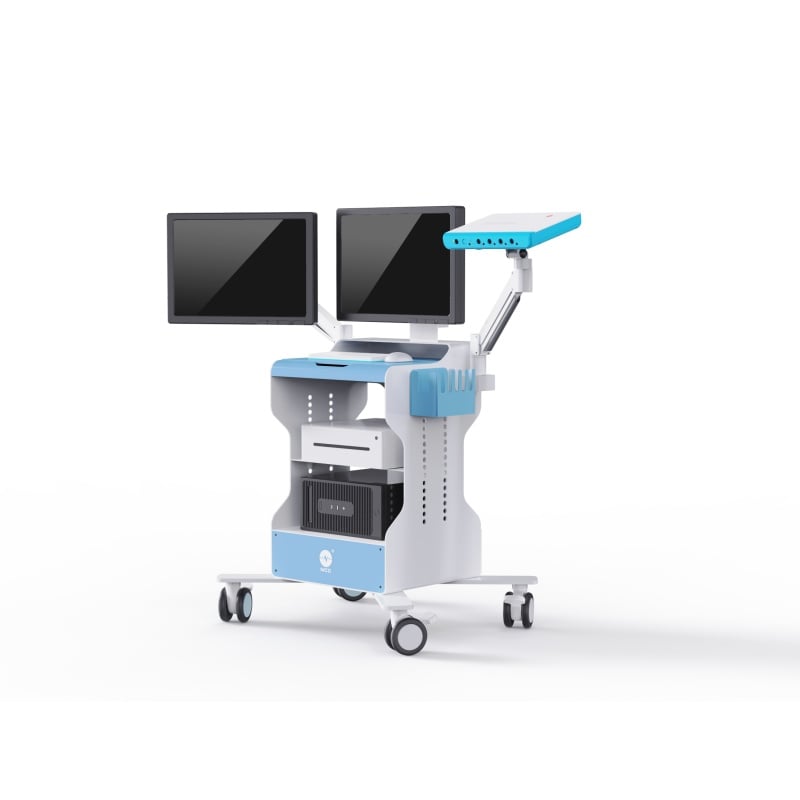
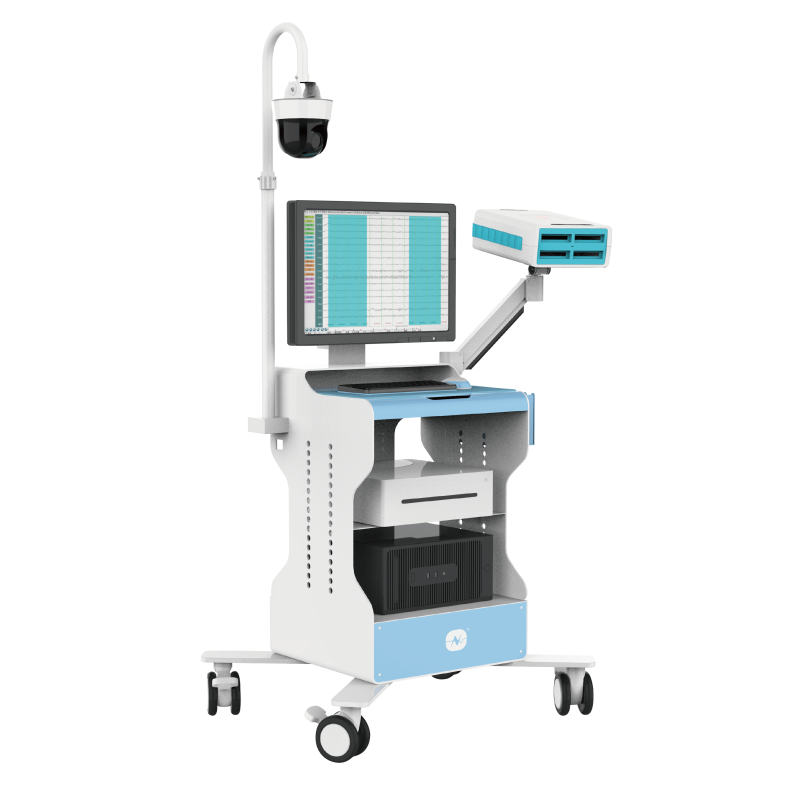
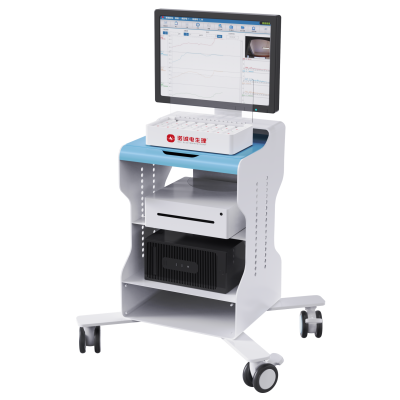
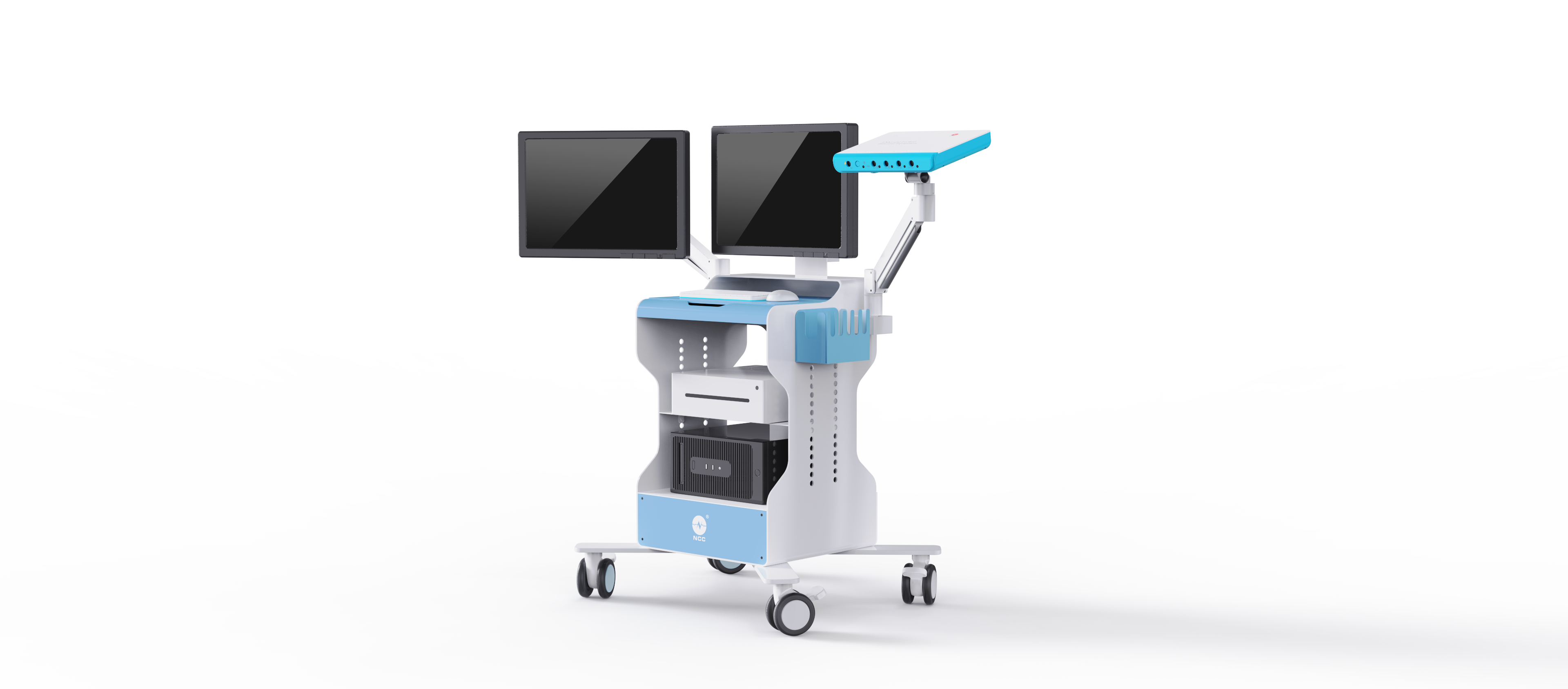
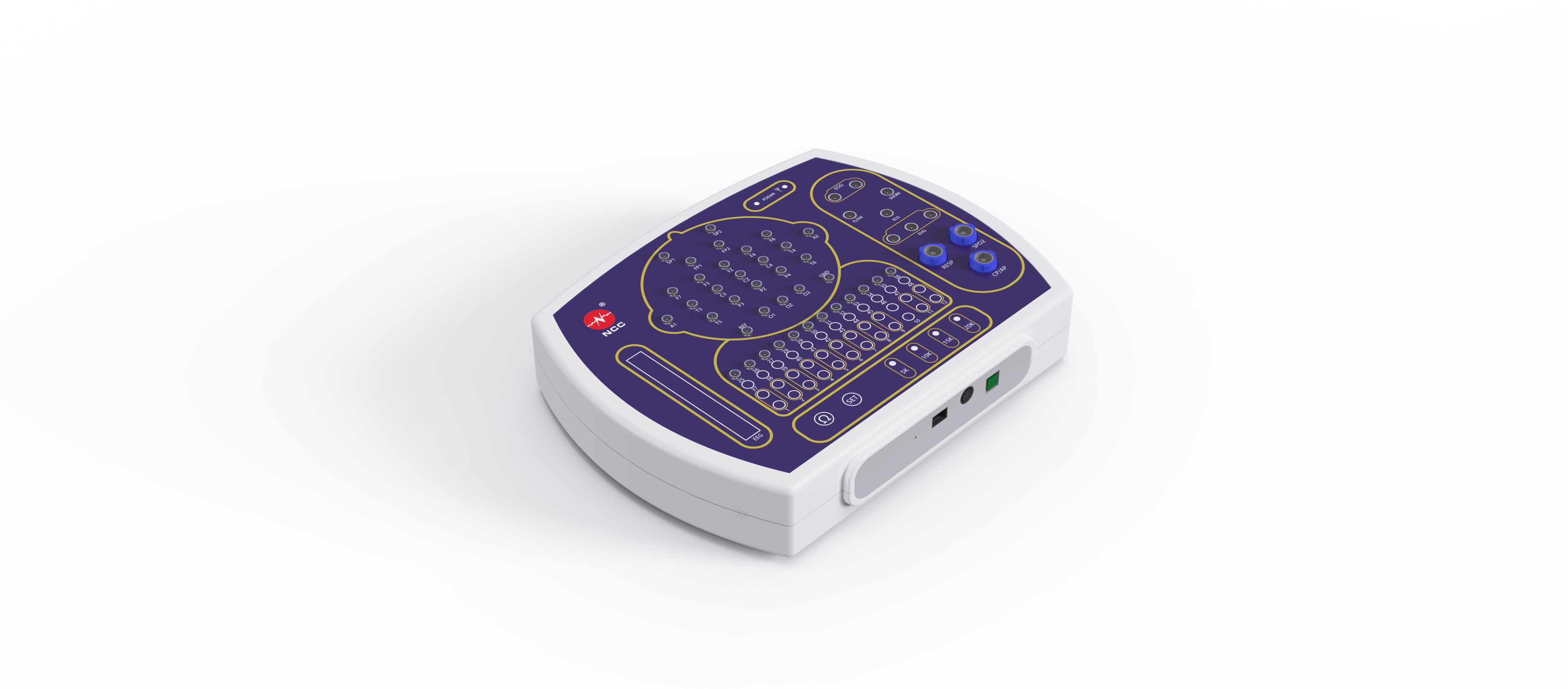
The EEG Instrument is a critical medical device used for recording electrical activity of the brain and supporting neurological diagnosis, research, and monitoring. A modern EEG Instrument integrates high-precision amplifiers, advanced signal acquisition technology, and intelligent analysis software to provide accurate and stable brain signal recording in clinical and research environments. Hospitals, neurological centers, and research laboratories rely on a high-performance EEG Instrument to detect epilepsy, sleep disorders, brain injuries, and other neurological conditions. Compared with earlier generations of equipment, a modern EEG Instrument supports high-density channels, high sampling rates, and wide bandwidth recording, enabling clinicians to capture complex brain activity with improved spatial and temporal resolution.
Get A Quote

EEG Instrument

A modern EEG Instrument provides powerful capabilities for neurological diagnostics and brain research. Hospitals and research institutions require an EEG Instrument that delivers high signal accuracy, stable long-term monitoring, and flexible integration with other medical technologies. The latest generation EEG Instrument combines high-density signal acquisition, intelligent analysis software, and robust hardware design to ensure reliable neurological data collection. In clinical environments, an advanced EEG Instrument enables physicians to monitor brain activity with exceptional precision. Features such as high input impedance, low noise amplifiers, and high-resolution analog-to-digital conversion ensure the accuracy of captured brain signals. These characteristics are particularly important for detecting subtle neurological abnormalities such as epileptic spikes or high-frequency oscillations.

High-Density Multi-Channel Brain Signal Acquisition

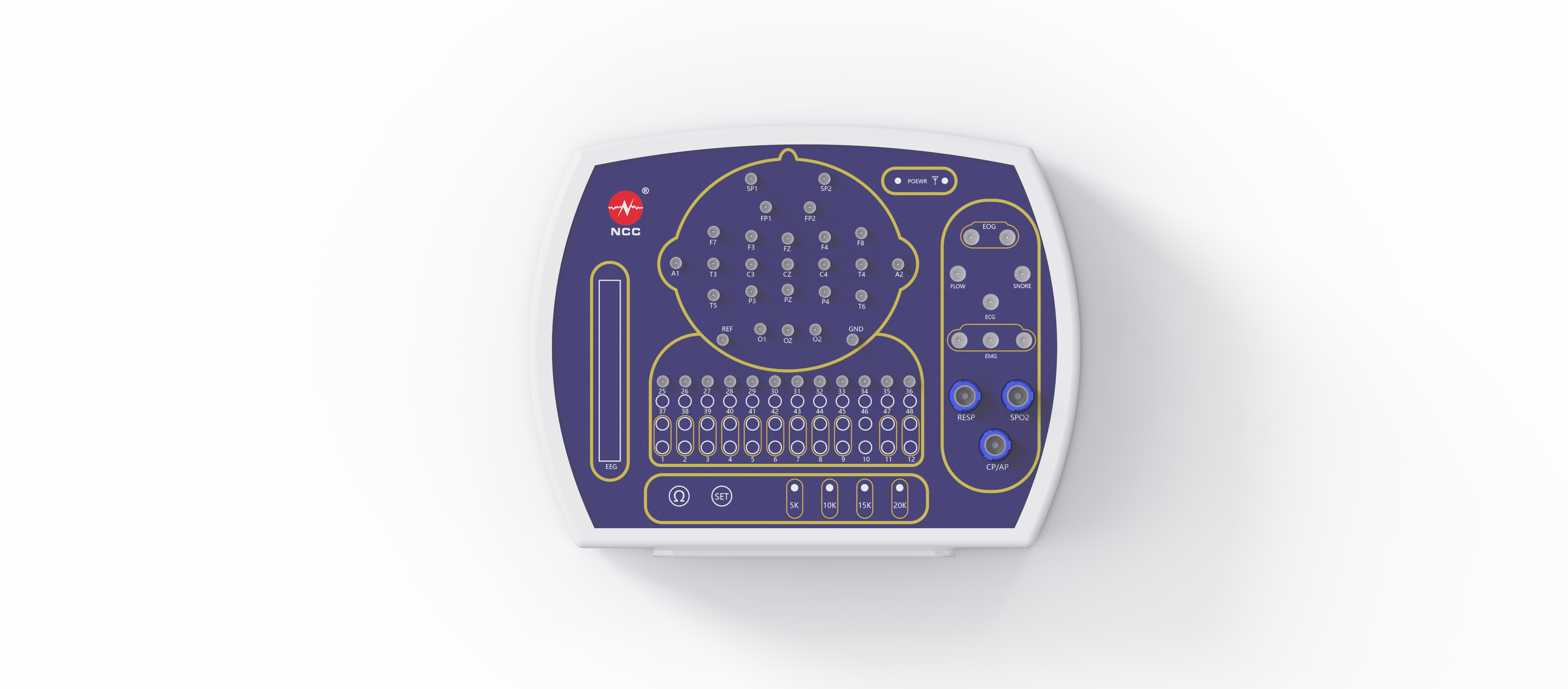
A modern EEG Instrument supports high-density channel configurations that significantly improve spatial resolution during brain signal recording. Traditional EEG systems often relied on 32 channels, but advanced EEG Instrument platforms can support 128, 256, or even more channels for full-brain coverage. This high-density design allows clinicians to detect localized brain activity patterns with greater accuracy. In epilepsy monitoring, a high-channel EEG Instrument can help identify seizure onset zones and abnormal neural networks more precisely. The ability to capture detailed cortical activity also benefits neuroscience research and cognitive studies. By providing comprehensive brain signal coverage, the EEG Instrument enhances diagnostic accuracy and expands research capabilities.

Ultra-High Sampling Rate for Precise Neural Signal Detection

The EEG Instrument features ultra-high sampling rates that allow accurate capture of fast neural oscillations and transient brain events. High sampling capability ensures that the EEG Instrument can detect subtle electrophysiological signals that may be missed by lower-performance systems. High-frequency neural oscillations, such as gamma waves and high-frequency oscillations, play an important role in epilepsy research and cognitive neuroscience. A high-performance EEG Instrument ensures that these signals are captured with precise temporal resolution. This capability enables clinicians and researchers to analyze complex brain dynamics and improves the reliability of neurological diagnosis and research outcomes.

Intelligent Signal Processing and Automated Event Detection

Modern EEG Instrument platforms incorporate advanced signal processing software capable of automatically detecting neurological events and removing artifacts. Intelligent algorithms analyze continuous EEG recordings and identify abnormal waveforms such as epileptic spikes, seizures, and sleep stage transitions. Automated analysis significantly reduces manual review time and improves diagnostic efficiency. In clinical practice, the EEG Instrument can generate alerts when abnormal patterns are detected, enabling physicians to respond quickly. With advanced data processing capabilities, the EEG Instrument transforms large volumes of raw EEG data into meaningful clinical insights.

Related Products

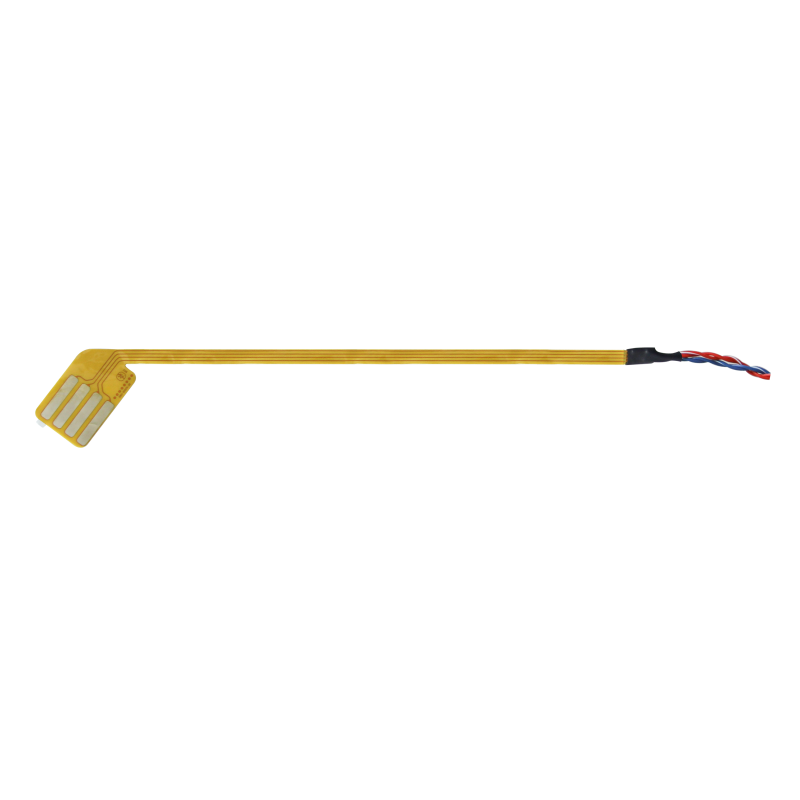
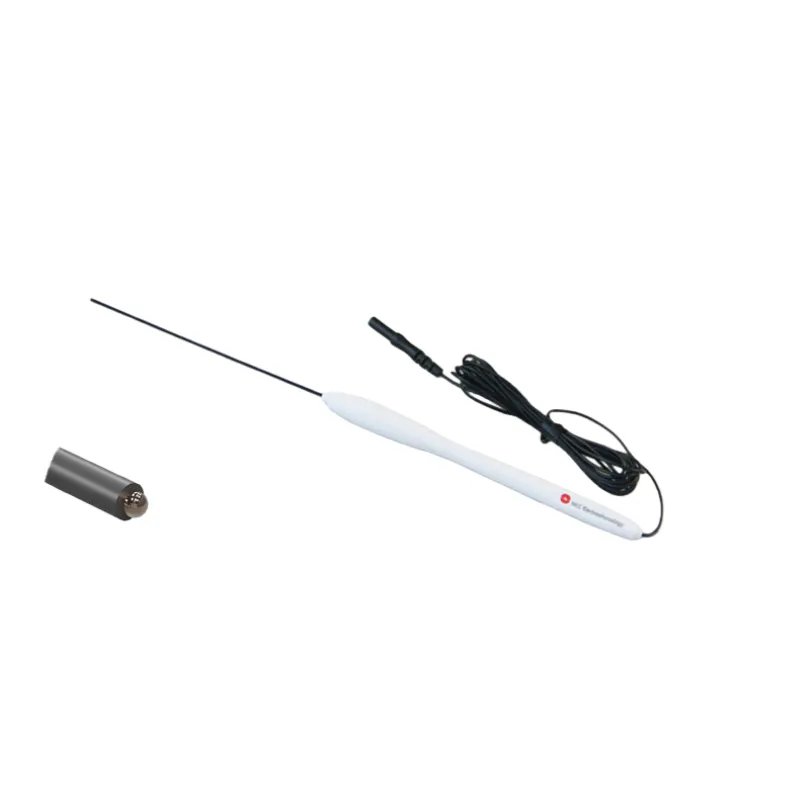
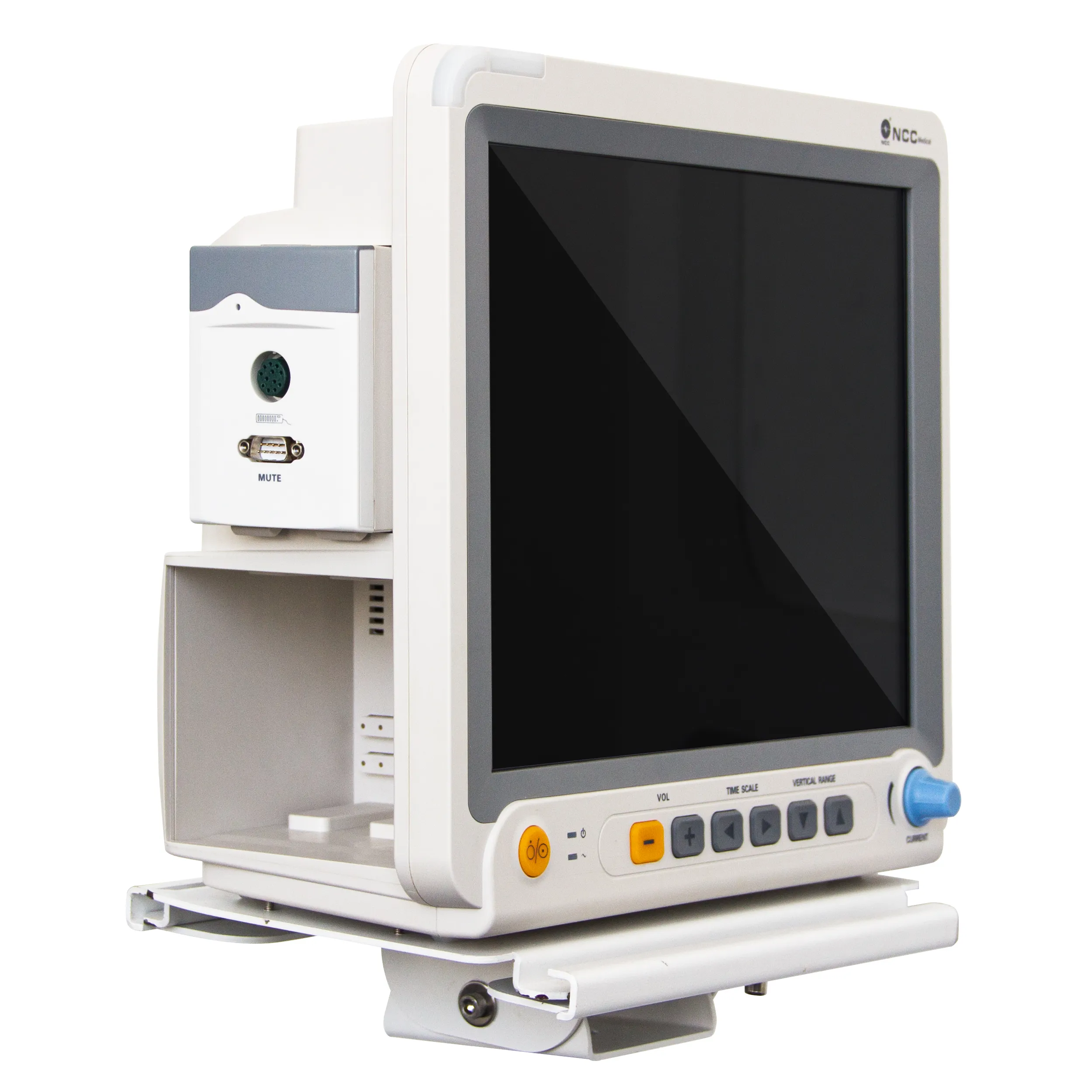
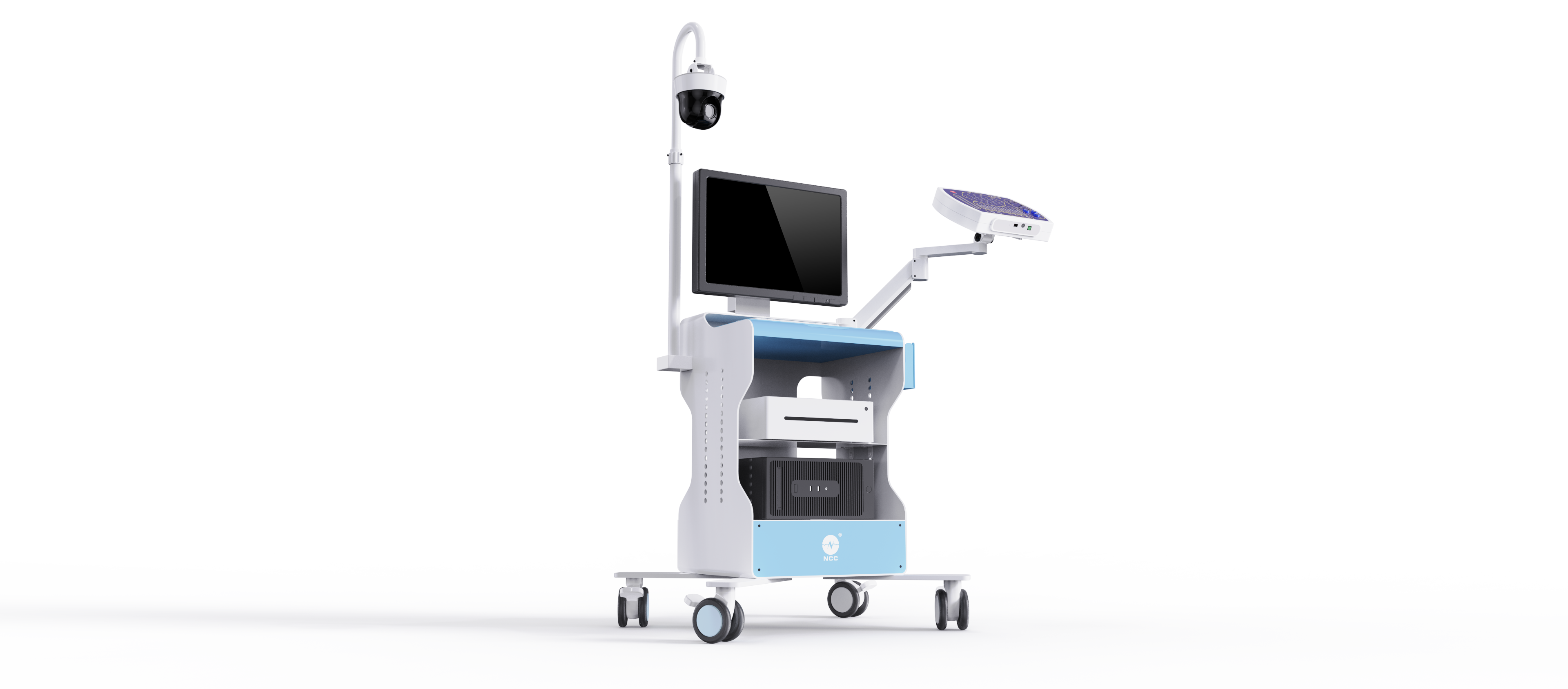
The EEG Instrument is a sophisticated neurodiagnostic system designed to capture and analyze electrical activity generated by the brain. This EEG Instrument is widely used in hospitals, neurological laboratories, sleep centers, and neuroscience research facilities. By recording brain signals through electrodes placed on the scalp, the EEG Instrument provides essential information about brain function and neurological conditions. A high-quality EEG Instrument integrates advanced amplifier technology, high input impedance circuits, and low noise electronics to ensure accurate signal acquisition. The system typically includes multi-channel EEG amplifiers, data acquisition modules, analysis software, and electrode accessories. Together, these components allow the EEG Instrument to capture detailed brain signals with exceptional clarity.

About NCC MEDICAL GROUP

NCC MEDICAL GROUP is an internationally recognized developer and manufacturer of advanced neurodiagnostic and neuro-monitoring technologies. Since its establishment in 1997, NCC has dedicated itself to the research, development, and production of innovative medical equipment designed to improve neurological diagnostics and patient care.

Headquartered in Shanghai, China, NCC operates large-scale research and manufacturing facilities that focus on the development of high-precision neurophysiology systems. These facilities support the production of advanced medical technologies including EEG instruments, intraoperative neurophysiological monitoring systems, electromyography devices, and related medical consumables.

NCC has been officially recognized as a National SRDI “Little Giant” Enterprise, a prestigious designation granted to companies demonstrating excellence in specialized innovation, advanced manufacturing, and proprietary technology development. This recognition reflects NCC’s leadership in neurodiagnostic technology and its commitment to continuous innovation.

The company maintains a global quality and compliance center in Singapore to ensure that all products meet strict international regulatory standards. By combining research capabilities in China with global quality management, NCC ensures that its neurodiagnostic solutions meet the needs of hospitals and research institutions worldwide.

NCC’s product portfolio covers a wide range of neurophysiology applications including EEG, EMG, polysomnography, and intraoperative neurophysiological monitoring. These technologies support clinicians in diagnosing neurological disorders, monitoring brain function during surgery, and conducting advanced neuroscience research.

Today, NCC solutions are used in more than 50 countries and over 5,000 hospitals across China. The company collaborates with leading medical institutions, teaching hospitals, and research centers to deliver reliable diagnostic technologies and professional training programs.

To support clinical users and distributors, NCC has established 31 training and technical support centers across China. Through these centers and the NCC Innovation Academy, healthcare professionals receive continuous education on neurodiagnostic techniques and equipment operation.

NCC is also actively expanding its international distribution network. By partnering with global distributors and healthcare providers, NCC aims to deliver high-quality neurodiagnostic solutions to medical institutions around the world. The company’s mission is to safeguard life and health by providing safer surgical monitoring, accurate neurological diagnostics, and advanced medical technologies.

FAQ

What is an EEG Instrument used for?

An EEG Instrument is used to record electrical activity generated by the brain. Doctors and researchers use the EEG Instrument to diagnose neurological conditions such as epilepsy, sleep disorders, brain injuries, and neurodegenerative diseases. By analyzing brain wave patterns recorded by the EEG Instrument, clinicians can identify abnormal neural activity and determine appropriate treatment strategies.
An EEG Instrument works by placing electrodes on the scalp to detect electrical signals produced by neurons in the brain. These signals are extremely small and require amplification and filtering before analysis. The EEG Instrument captures these signals through high-precision amplifiers and converts them into digital data that can be visualized and analyzed using specialized software.
A high-quality EEG Instrument ensures that brain signals are recorded accurately without distortion or noise interference. This accuracy is essential for identifying subtle neurological abnormalities. Advanced EEG Instrument systems provide high sampling rates, multi-channel acquisition, and automated analysis tools that improve diagnostic reliability and efficiency.

More Posts

Technical Specifications and OEM Service Advantages of 37mm EMG Needles

04

Mar

Technical Specifications and OEM Service Advantages of 37mm EMG Needles

Introduction: The 37mm EMG Needle as a High-Threshold OEM Product In the global neurodiagnostic and rehabilitation device market, the 37mm EMG needle is far more than a disposable electrode—it serves as a key indicator of a supplier’s tec...
View More
Technical Standards and OEM Customization Services of Intraoperative Nerve Stimulators for Surgical Precision

05

Mar

Technical Standards and OEM Customization Services of Intraoperative Nerve Stimulators for Surgical Precision

In modern surgery, precision is no longer defined solely by the surgeon’s hand. It is increasingly defined by the reliability of the technologies guiding that hand. The nerve stimulator intraoperative has evolved from an auxiliary device into a...
View More
Technical Specifications and Procurement Guide for Probe Surgical Instruments

04

Mar

Technical Specifications and Procurement Guide for Probe Surgical Instruments

In the global surgical instrument supply chain, few products are as frequently underestimated as the probe. On paper, it appears simple: a slender metallic instrument, usually with blunt ends, described in a quotation sheet as “304 stainless st...
View More
Key Points in Procurement and Technical Applications of Spinal Monitoring Equipment

05

Mar

Key Points in Procurement and Technical Applications of Spinal Monitoring Equipment

In spinal surgery, neurological injury is rarely dramatic in the moment it occurs. More often, it is silent, progressive, and irreversible by the time it becomes clinically apparent. This is precisely why spinal monitoring has become a standard of ca...
View More

Customer Reviews

Dr. James Carter – Neurologist

Our hospital has been using this EEG Instrument for several years, and the signal stability and data accuracy are outstanding. The system provides clear brain wave recordings that significantly improve our epilepsy diagnosis workflow.

Laura Mitchell – Neurophysiology Technician

This EEG Instrument is very reliable and easy to operate. The software interface simplifies electrode setup and signal monitoring, allowing technicians to focus on patient care and data quality.

Dr. Robert Hayes – Neuroscience Researcher

For research applications, the EEG Instrument delivers excellent performance with high sampling rates and flexible channel configurations. It is a powerful tool for studying brain activity and neural connectivity.

Get a Free Quote

Our representative will contact you soon.
Email
Name
Mobile
Your Role
Company Name
Message
0/1000
High-Precision Brain Signal Acquisition Technology

High-Precision Brain Signal Acquisition Technology

The EEG Instrument integrates advanced amplifier design and high-resolution signal conversion to ensure accurate brain signal recording. These technologies allow clinicians to capture subtle neural activity with exceptional clarity.
Intelligent Neurodiagnostic Analysis Platform

Intelligent Neurodiagnostic Analysis Platform

The EEG Instrument includes advanced software capable of automated EEG analysis, artifact removal, and neurological event detection. These features improve diagnostic efficiency and data interpretation.
Scalable Neurophysiology System for Clinical and Research Use

Scalable Neurophysiology System for Clinical and Research Use

The EEG Instrument supports flexible channel expansion, multimodal physiological monitoring, and compatibility with advanced neuroscience tools, making it suitable for hospitals, laboratories, and neurotechnology research centers.

Copyright © NCC Medical Co., Ltd.  -  Privacy policy