EEG Devices for Brain Activity Recording | High-Density & Multi-Modal

All Categories

Advanced Instruments For Recording Brain Activity For Clinical Neurodiagnostics And Research Laboratories

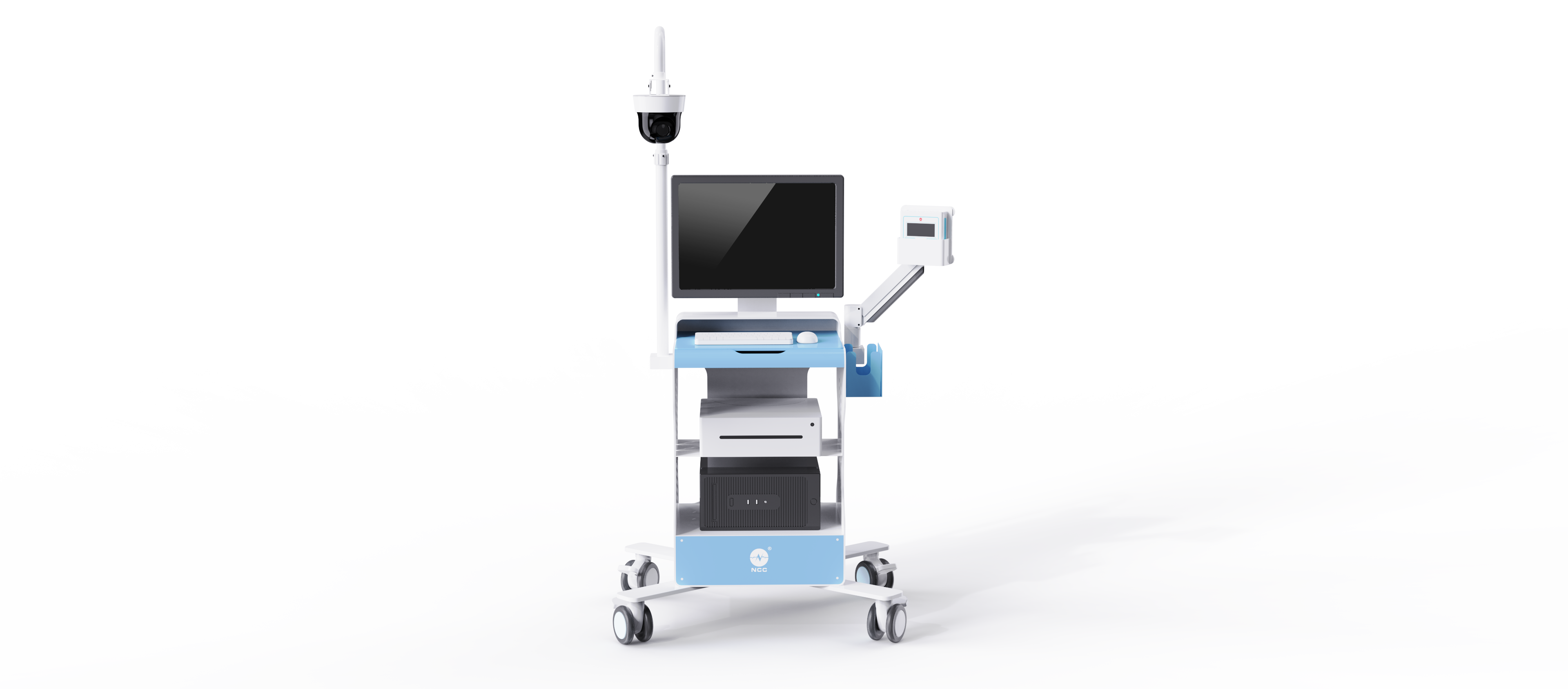
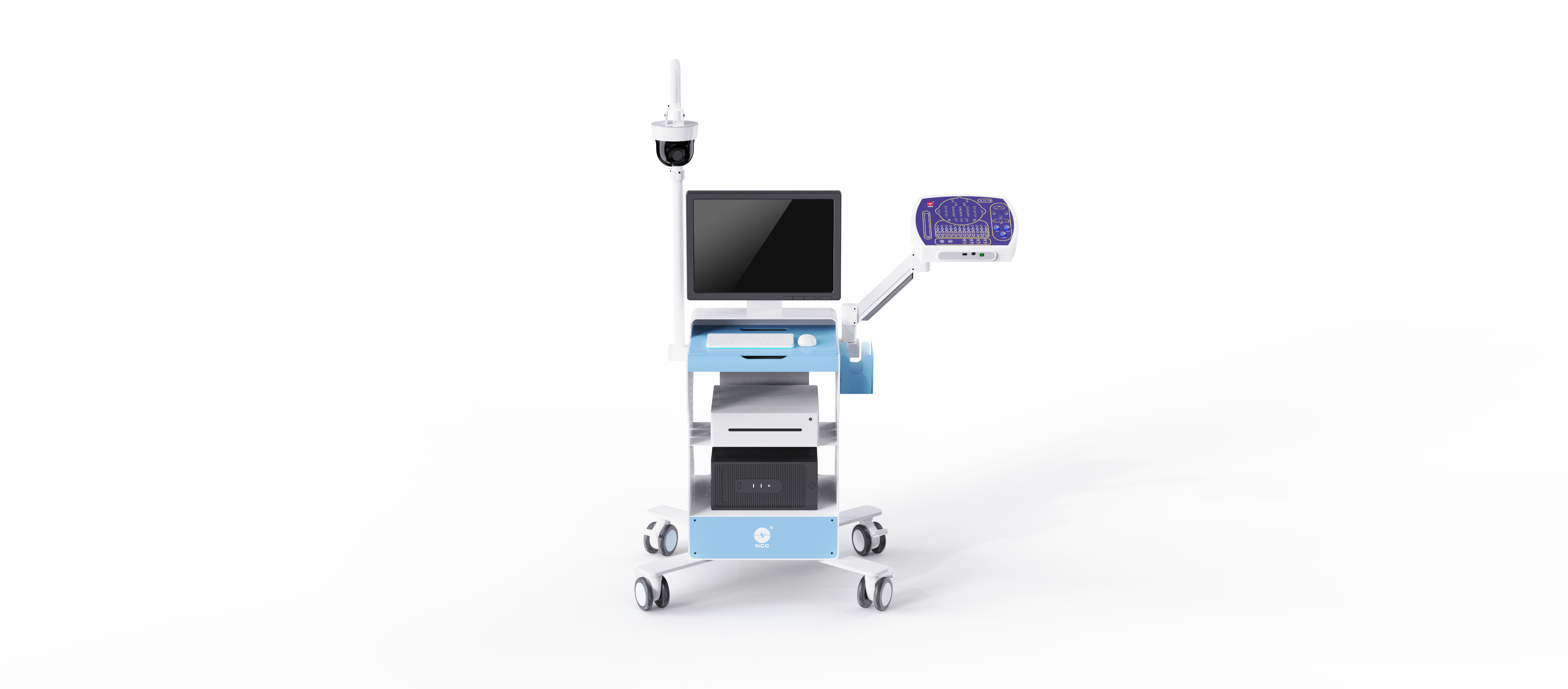
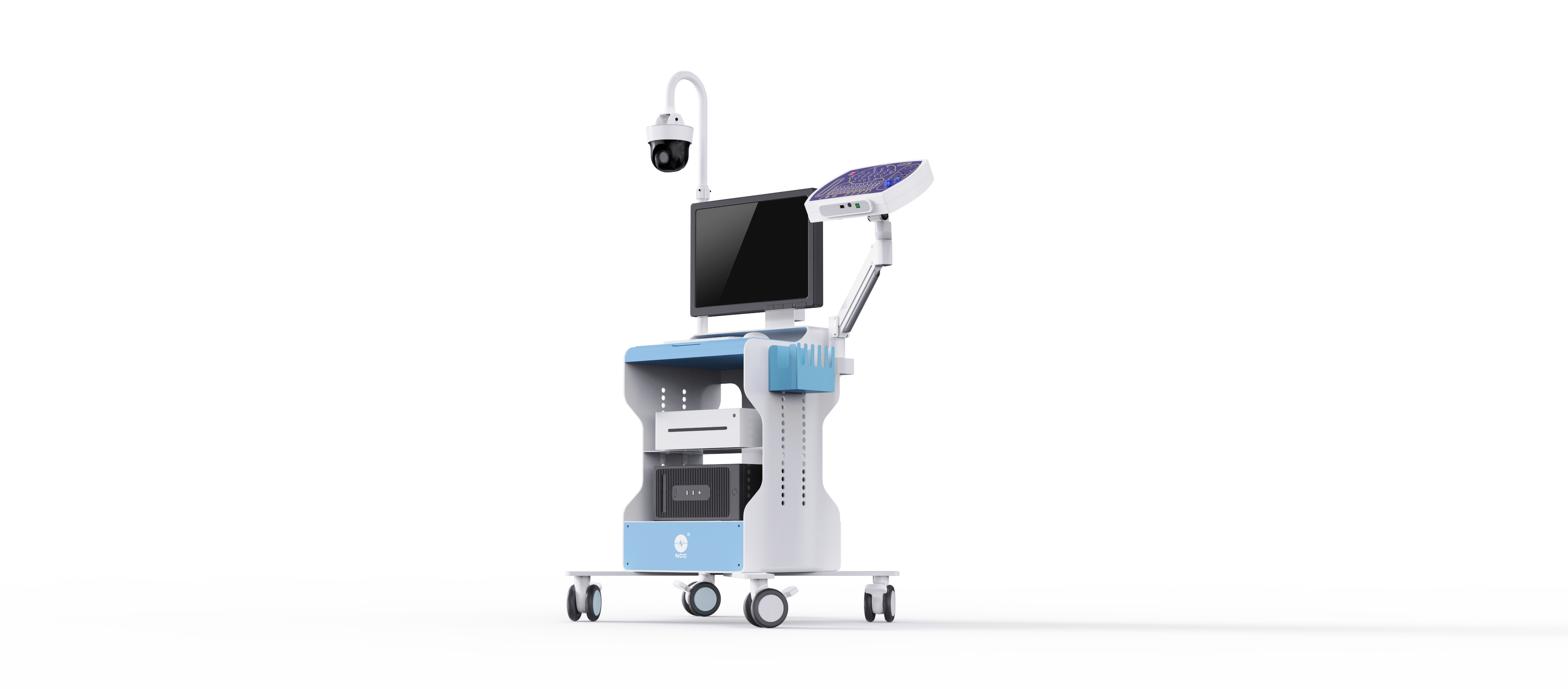
Instruments For Recording Brain Activity play a critical role in modern neuroscience, clinical diagnostics, and neurophysiology research. Hospitals, neurology departments, research institutes, and medical technology companies rely on high-precision instruments for recording brain activity to capture electrical signals generated by neuronal networks. These instruments provide clinicians and researchers with valuable insights into brain function, neurological disorders, cognitive processes, and sleep patterns. Modern instruments for recording brain activity integrate advanced amplifier technology, ultra-high sampling rates, and high-density electrode configurations to achieve precise signal acquisition. Compared with traditional electroencephalography systems, next-generation instruments for recording brain activity support hundreds of recording channels, enabling comprehensive mapping of neural activity across the entire scalp.
Get A Quote

Instruments For Recording Brain Activity

Modern medical institutions increasingly rely on high-performance instruments for recording brain activity to support accurate diagnosis, neurological research, and intraoperative monitoring. High-end neurophysiology systems are designed with advanced amplifier technology, ultra-low noise electronics, and flexible integration capabilities. These instruments for recording brain activity not only improve signal quality but also simplify clinical workflows and research data collection. For hospitals and research laboratories, investing in reliable instruments for recording brain activity ensures consistent diagnostic accuracy, scalable system architecture, and long-term operational efficiency. The following advantages highlight why advanced instruments for recording brain activity are indispensable tools in modern neurodiagnostics and neuroscience research.

High-Density Brain Signal Acquisition Technology

High-density channel configurations allow instruments for recording brain activity to capture neural signals across large areas of the scalp with exceptional spatial resolution. Modern EEG systems support 128, 256, or even higher channel counts, providing comprehensive brain coverage and significantly improving the accuracy of neural signal localization. For epilepsy monitoring and brain mapping studies, high-density instruments for recording brain activity enable clinicians to identify epileptogenic zones more precisely. In research environments, these systems help scientists analyze functional connectivity and network dynamics across different brain regions. High-density instruments for recording brain activity also reduce the need for spatial interpolation during data analysis, improving the reliability of neuroimaging results.

Ultra-High Precision Signal Processing Performance

Modern instruments for recording brain activity are equipped with high-resolution analog-to-digital converters and ultra-low noise amplifier circuits. These technologies allow the system to detect extremely small neural signals that occur at microvolt levels. With sampling rates reaching tens of thousands of samples per second, instruments for recording brain activity can capture fast neural oscillations and high-frequency brain activity patterns that traditional EEG systems often miss. This capability is particularly valuable in epilepsy research, cognitive neuroscience experiments, and brain-computer interface development. Additionally, advanced filtering algorithms and high common-mode rejection ratios help eliminate environmental interference from electrical equipment.

Multi-Modal Neurophysiology Integration Capability

Another key advantage of modern instruments for recording brain activity is their ability to integrate multiple physiological monitoring modalities within a single platform. Advanced systems can simultaneously record EEG, EMG, ECG, respiratory signals, oxygen saturation, and skin conductance. This integrated design eliminates the need for multiple standalone devices and simplifies synchronization between different physiological measurements. Instruments for recording brain activity with multi-modal capability enable clinicians to analyze interactions between brain function and bodily responses in real time. Such features are particularly useful in sleep laboratories, intensive care units, and neurological research environments. By combining multiple biosignal streams into a unified dataset, instruments for recording brain activity provide a more comprehensive understanding of neurological conditions and patient physiology.

Related Products

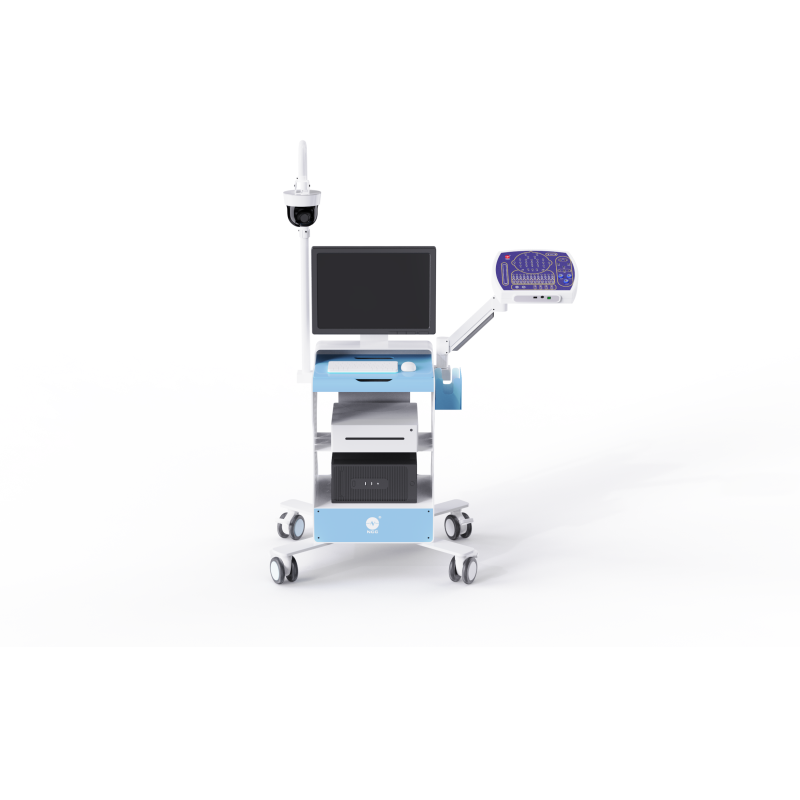
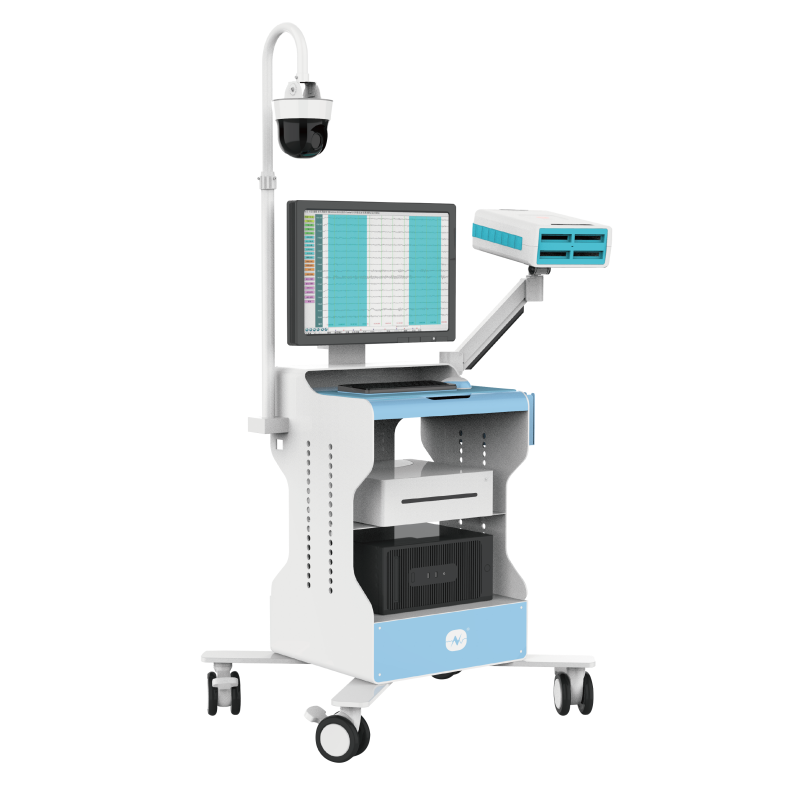
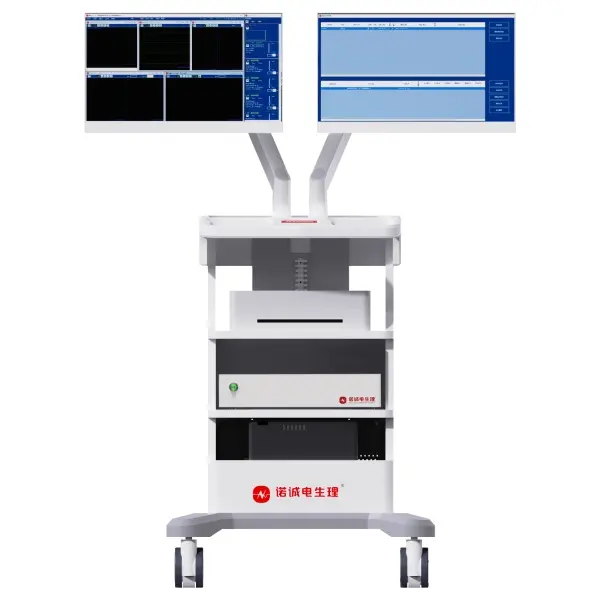
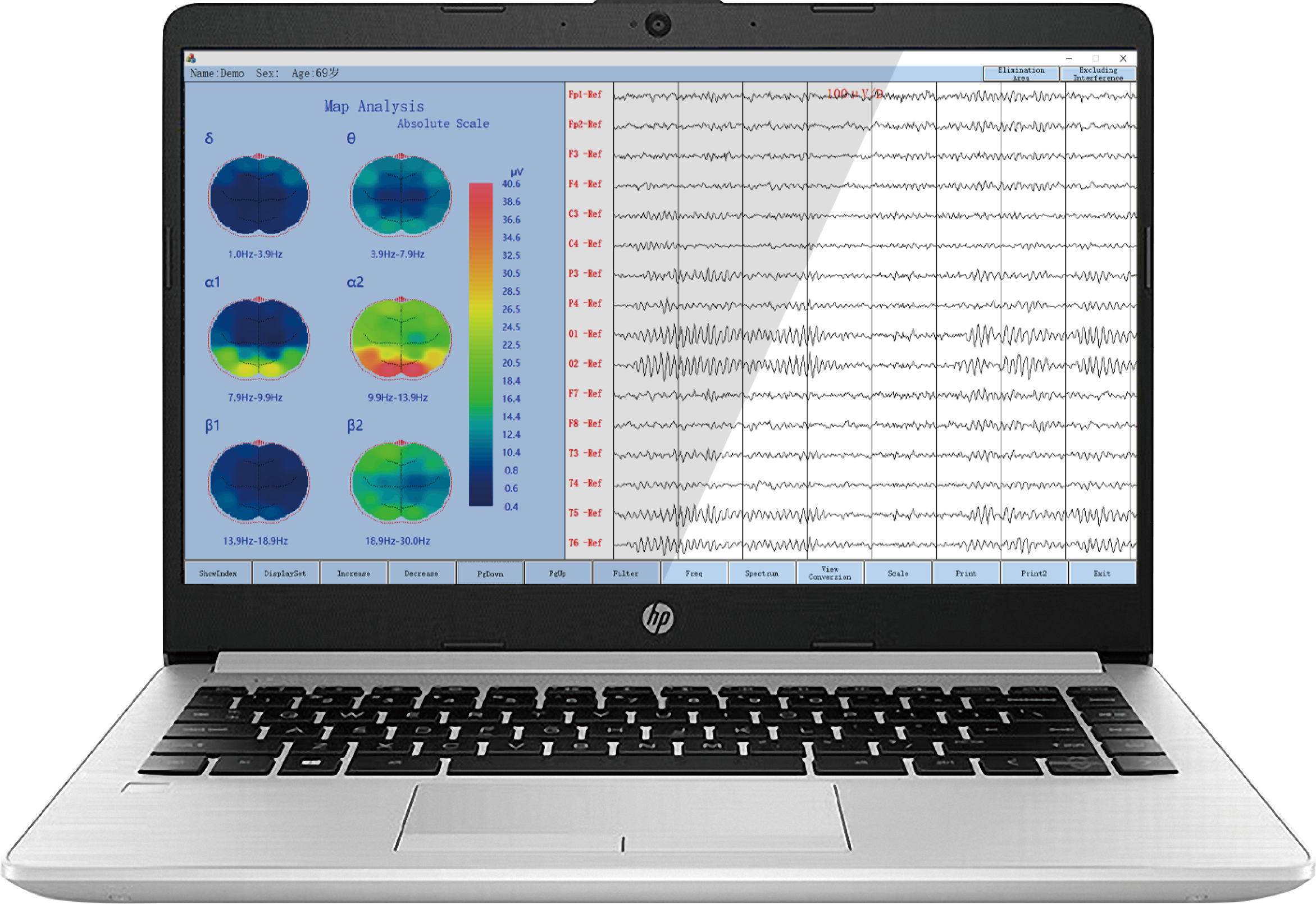
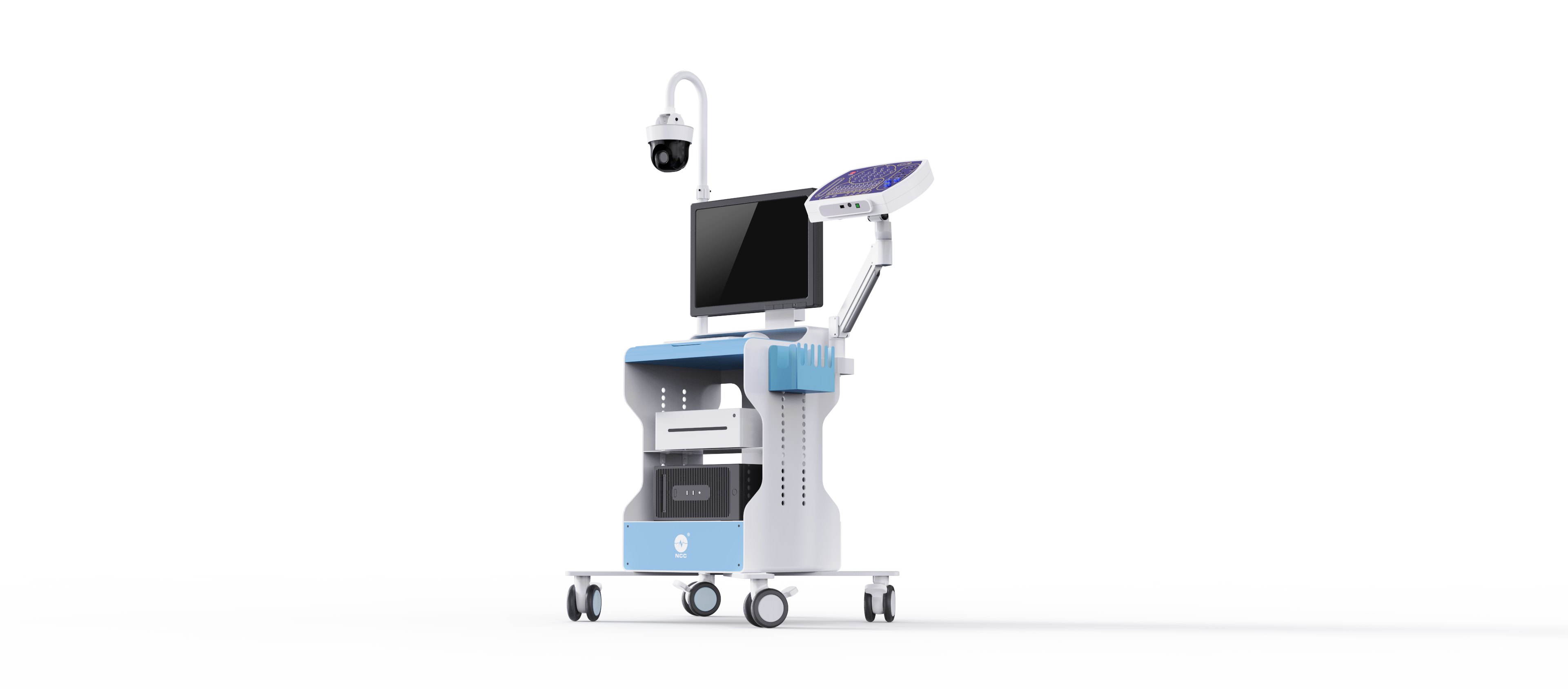
Instruments for recording brain activity are sophisticated neurodiagnostic systems designed to capture and analyze electrical signals generated by the human brain. These systems are widely used in hospitals, neuroscience laboratories, sleep centers, and research institutions to study neural activity and diagnose neurological disorders. High-quality instruments for recording brain activity consist of several core components, including signal amplifiers, electrode interfaces, data acquisition modules, and specialized analysis software. The amplifier module plays a crucial role by enhancing weak brain signals while minimizing environmental noise. Advanced amplifier technology ensures that instruments for recording brain activity can reliably capture microvolt-level neural signals without distortion.

About NCC MEDICAL GROUP

NCC MEDICAL GROUP is a globally recognized manufacturer specializing in advanced neurodiagnostic and neuro-monitoring technologies. As a National “Little Giant” enterprise recognized for its Specialized, Refined, Differential, and Innovational capabilities, NCC has built a strong reputation for developing high-performance instruments for recording brain activity and other neurophysiology solutions.

Founded in 1997, NCC has continuously invested in neuroscience research and medical technology innovation. The company operates an integrated development structure that combines research, engineering, manufacturing, and global service capabilities. Its R&D and manufacturing center is located in Shanghai, China, one of the world’s leading hubs for advanced medical technology development. This facility focuses on designing next-generation instruments for recording brain activity, intraoperative neurophysiology monitoring systems, and neurodiagnostic equipment.

Quality assurance and global compliance operations are managed through NCC’s Singapore headquarters. This strategic location allows the company to maintain strict international quality standards while efficiently serving customers across Asia-Pacific, Europe, and the Americas. Every instrument for recording brain activity manufactured by NCC undergoes rigorous quality control procedures to ensure reliable performance in demanding clinical environments.

NCC’s product portfolio covers a comprehensive range of neurophysiology solutions, including EEG, PSG, EMG, intraoperative neuro-monitoring (IONM), and related medical consumables. These instruments for recording brain activity are widely used in neurology departments, sleep laboratories, neurosurgery centers, and academic research institutions.

To support clinical users and medical distributors, NCC has established an extensive service infrastructure. The company operates 31 training and technical support centers throughout China, providing hands-on training for clinicians, biomedical engineers, and hospital technicians. Through the NCC Innovation Academy, healthcare professionals receive continuous education on the latest neurodiagnostic technologies and clinical applications.

Internationally, NCC has developed a rapidly expanding distribution network covering more than 50 countries. Its instruments for recording brain activity are currently used in over 5,000 hospitals and medical institutions. From large teaching hospitals to regional medical centers, NCC solutions are trusted for their reliability, precision, and clinical performance.

The company’s mission is centered on safeguarding life and health through technological innovation. By developing advanced instruments for recording brain activity and neuro-monitoring solutions, NCC aims to support safer surgeries, more accurate neurological diagnoses, and improved patient outcomes worldwide.

Through ongoing research, strategic partnerships, and global collaboration, NCC MEDICAL GROUP continues to advance the field of neurophysiology and strengthen its position as a trusted partner for healthcare providers around the world.

FAQ

What are instruments for recording brain activity used for in clinical environments?

Instruments for recording brain activity are primarily used in neurology departments and diagnostic laboratories to monitor and analyze electrical signals generated by the brain. These instruments help physicians diagnose neurological disorders such as epilepsy, sleep disorders, brain injuries, and neurodegenerative diseases. Instruments for recording brain activity also play an important role in surgical monitoring, cognitive neuroscience research, and brain-computer interface development.
Modern instruments for recording brain activity use high-precision amplifier circuits, high sampling rates, and advanced noise-reduction technologies to capture clean neural signals. These systems also include high-impedance inputs and high common-mode rejection ratios to minimize environmental interference. Together, these features allow instruments for recording brain activity to deliver highly accurate neurophysiological recordings.
Hospitals should evaluate channel capacity, signal resolution, system scalability, software analysis capabilities, and compatibility with other clinical equipment when selecting instruments for recording brain activity. Reliable manufacturers also provide technical support, training programs, and long-term service guarantees to ensure the equipment performs effectively in clinical practice.

More Posts

Technological Innovations and Long-term Procurement Strategies of Portable EEG Machines in Medical Institutions

04

Mar

Technological Innovations and Long-term Procurement Strategies of Portable EEG Machines in Medical Institutions

Introduction: Balancing Innovation Cycles and Procurement Lifecycles With the rapid rise in neurological disorders, aging populations, and the expansion of healthcare services into primary and community settings, portable EEG devices are no longer su...
View More
Clinical Value and Risk Management in Medical Institution Procurement of Bluetooth EEG Headsets

05

Mar

Clinical Value and Risk Management in Medical Institution Procurement of Bluetooth EEG Headsets

In recent years, the bluetooth EEG headset has transitioned from a consumer-focused neurotechnology accessory to a clinically relevant medical device category. The growing demand for sleep diagnostics, cognitive disorder screening, pediatric neurolog...
View More
Compliance Audit and Procurement Considerations for Ambulatory EEG Equipment in Tender Agency

05

Mar

Compliance Audit and Procurement Considerations for Ambulatory EEG Equipment in Tender Agency

Public tender projects for ambulatory EEG equipment are rarely decided by marketing narratives or clinical demonstrations. They are decided by line-by-line technical verification. In most public hospital tenders, evaluation panels are composed primar...
View More
Technological Innovations and Application Potential of Portable EEG System in Healthcare Institutions

05

Mar

Technological Innovations and Application Potential of Portable EEG System in Healthcare Institutions

Electroencephalography is no longer confined to the neurophysiology laboratory. Over the past decade, the evolution of the portable EEG system has redefined how and where brain function can be monitored. What was once a scheduled, room-boun...
View More

Customer Reviews

Dr. Michael Anderson – Neurologist

“The instruments for recording brain activity provided by this manufacturer have significantly improved our epilepsy monitoring program. The signal quality is excellent, and the system integrates smoothly with our existing clinical workflow.”

Prof. Laura Chen – Neuroscience Researcher

“Our research laboratory relies heavily on high-precision instruments for recording brain activity. The system’s high sampling rate and flexible electrode configurations make it ideal for advanced cognitive neuroscience experiments.”

David Ramirez – Biomedical Engineer

“These instruments for recording brain activity are extremely reliable in hospital environments. Installation was straightforward, and the technical support team provided excellent training for our staff.”

Get a Free Quote

Our representative will contact you soon.
Email
Name
Mobile
Your Role
Company Name
Message
0/1000
High-Performance Neurophysiology Data Acquisition Platform

High-Performance Neurophysiology Data Acquisition Platform

Advanced instruments for recording brain activity provide ultra-precise signal acquisition, enabling clinicians and researchers to capture complex neural patterns with high fidelity.
Intelligent Brain Signal Analysis Technology

Intelligent Brain Signal Analysis Technology

Modern instruments for recording brain activity incorporate AI-based algorithms and advanced analysis tools that help detect abnormal brain patterns and improve diagnostic efficiency.
Scalable Architecture For Clinical And Research Applications

Scalable Architecture For Clinical And Research Applications

Flexible system configurations allow instruments for recording brain activity to support both small clinical setups and large neuroscience research laboratories.

Copyright © NCC Medical Co., Ltd.  -  Privacy policy