Spinal Cord Monitoring System for Safe Spine Surgery

All Categories

Spinal Cord Monitoring Solutions for High-Risk Spine and Spinal Cord Surgery

Spinal Cord Monitoring is a multimodal intraoperative neurophysiological solution that continuously evaluates spinal cord function during complex spine and spinal cord procedures. By combining somatosensory evoked potentials, motor evoked potentials, spinal cord evoked potentials and electromyography, Spinal Cord Monitoring provides real‑time information on sensory and motor pathway integrity while the surgeon performs deformity correction, decompression or tumor resection. This allows early detection of ischemia, traction or compression and enables the surgical team to adjust their strategy before permanent neurological injury occurs. For hospitals and spine centers, Spinal Cord Monitoring establishes a standardized safety layer that reduces complication rates, supports evidence‑based decision making and enhances the institution’s reputation in advanced spinal surgery.
Get A Quote

Spinal Cord Monitoring

Spinal Cord Monitoring gives surgical teams objective, continuous feedback on neural function, transforming high‑risk spine surgery from an experience‑based process into a data‑driven one. With well‑defined alarm criteria, clear display of trends and structured documentation, Spinal Cord Monitoring supports safer resections and corrections while improving communication between surgeons, anesthesiologists and neurophysiology technologists. For providers and distributors, a robust Spinal Cord Monitoring platform becomes a differentiating technology that can be offered as part of a comprehensive surgical safety program.

Multimodal Functional Surveillance with Spinal Cord Monitoring

Spinal Cord Monitoring integrates several complementary techniques in a single platform to assess different aspects of spinal cord function. Somatosensory evoked potentials reflect dorsal column sensory pathways, motor evoked potentials track corticospinal motor tracts, spinal cord evoked potentials help identify early ischemic changes within the cord, and EMG reveals nerve root irritation or mechanical contact. By combining these modalities, Spinal Cord Monitoring minimizes blind spots and allows teams to correlate changes across signals, distinguishing technical artifacts from true neural compromise. This comprehensive approach makes Spinal Cord Monitoring especially valuable in scoliosis correction, cervical and thoracic decompression and intramedullary tumor surgery.

Early Warning and Quantitative Alarm Criteria

A key strength of Spinal Cord Monitoring is the use of quantitative, evidence‑based thresholds to trigger alarms when signals deviate from baseline. Percentage amplitude loss or latency prolongation can be defined for each modality, and the Spinal Cord Monitoring system automatically highlights significant changes through audio‑visual alerts. This early‑warning capability gives the team time to correct blood pressure, adjust instrumentation, release correction forces or modify surgical steps before functional loss becomes irreversible. Over time, the database generated by Spinal Cord Monitoring allows institutions to refine alarm criteria and correlate intraoperative changes with long‑term outcomes, turning each case into a source of learning and quality improvement.

Workflow-Friendly Design and Department-Wide Scalability

Modern Spinal Cord Monitoring systems are designed to integrate smoothly into busy operating rooms and to support multiple surgical specialties from a single platform. Procedure‑specific templates, guided setup and automatic channel assignment reduce configuration complexity, allowing technologists to start Spinal Cord Monitoring quickly without delaying incision time. The same system can be configured for pediatric or adult deformity cases, cervical or lumbar procedures and intradural tumor resections through flexible protocol libraries. For hospitals, this workflow‑friendly and scalable design means Spinal Cord Monitoring can be deployed across neurosurgery, orthopedics and vascular surgery, maximizing equipment utilization and simplifying training and maintenance.

Related Products

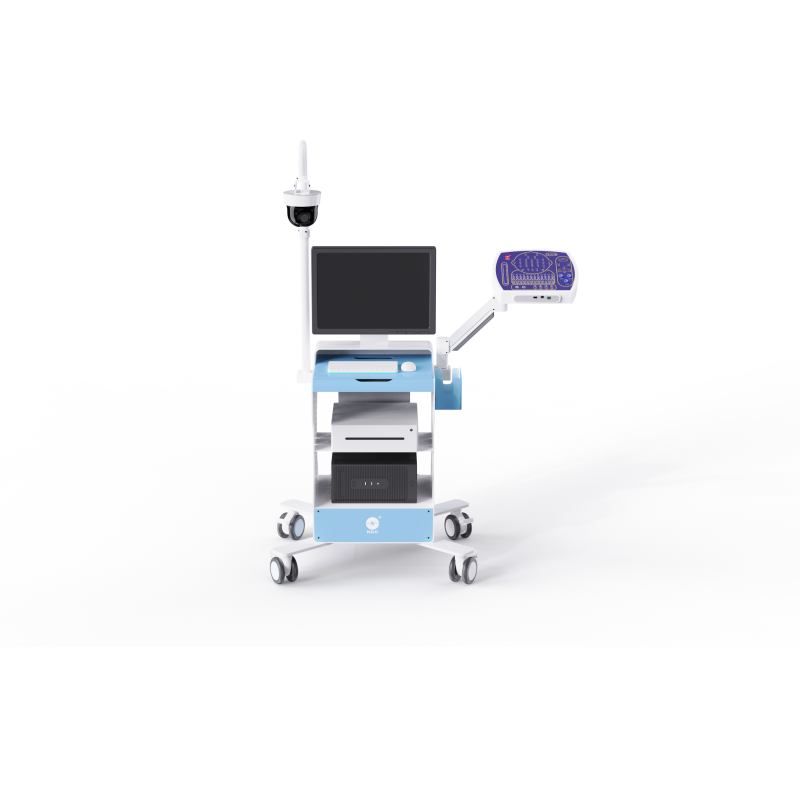
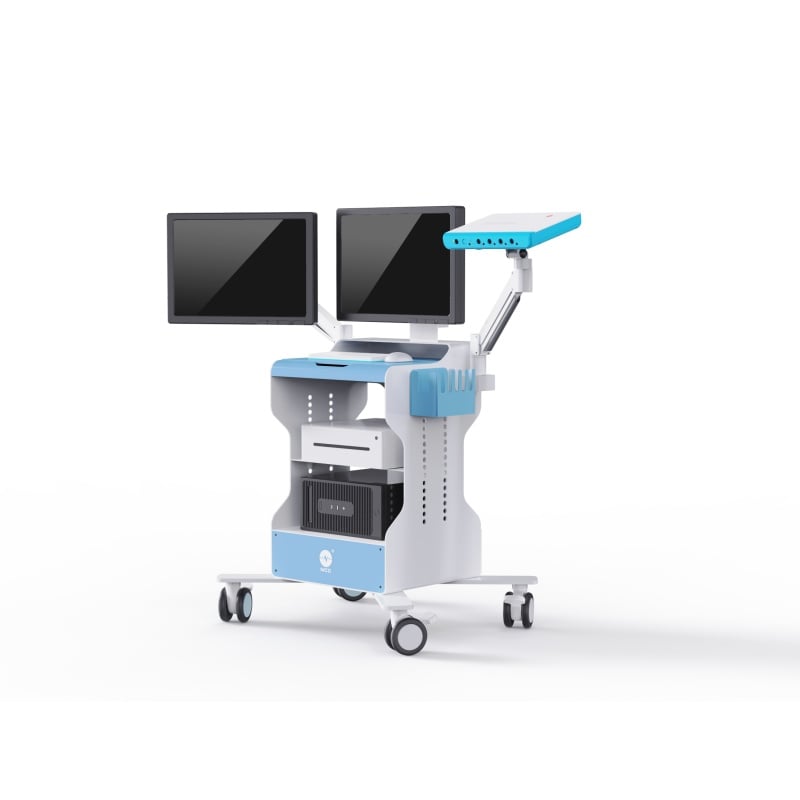
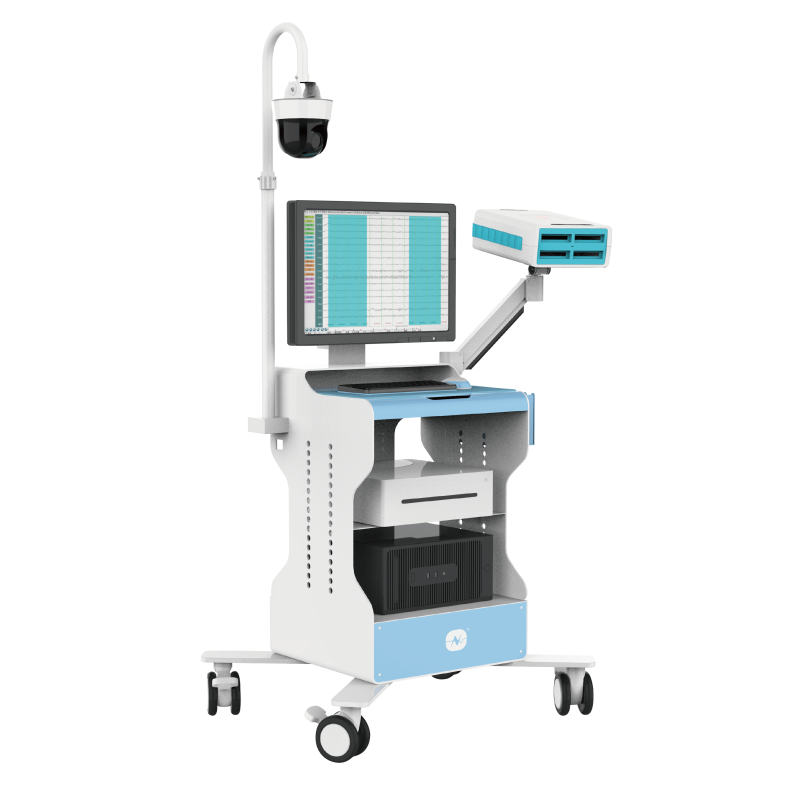
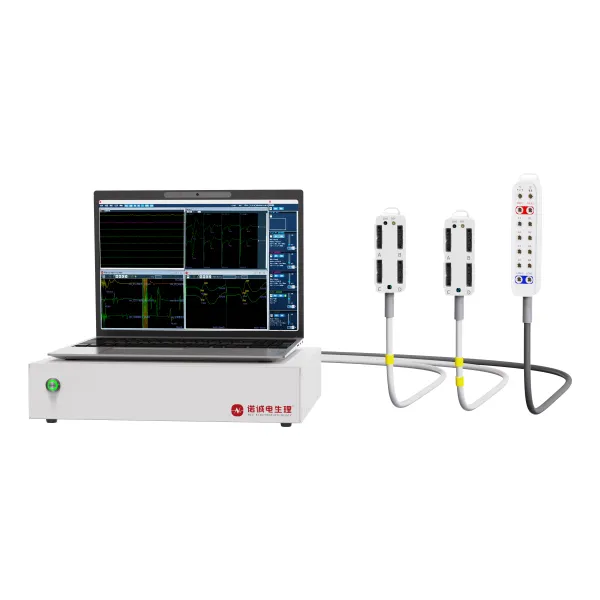
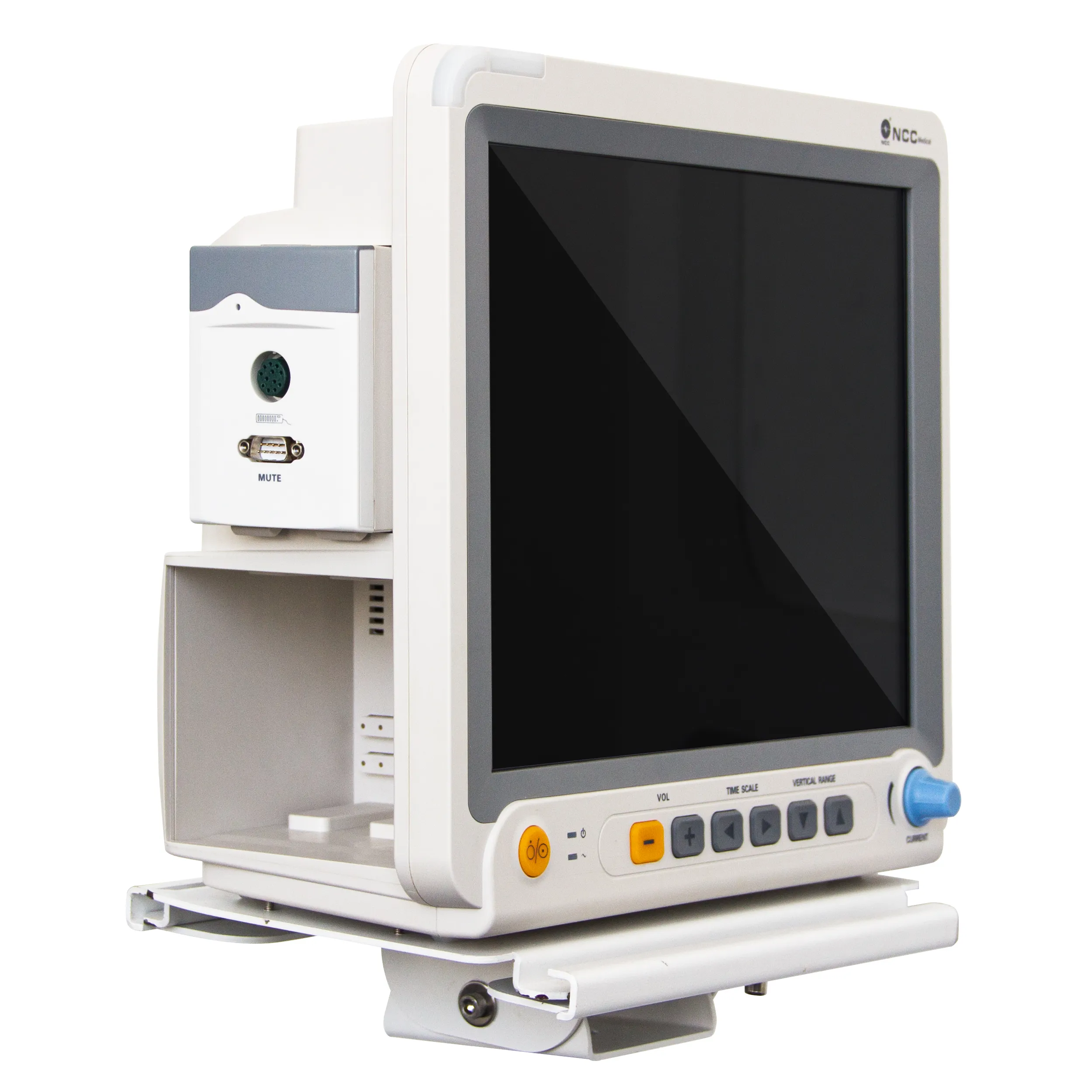
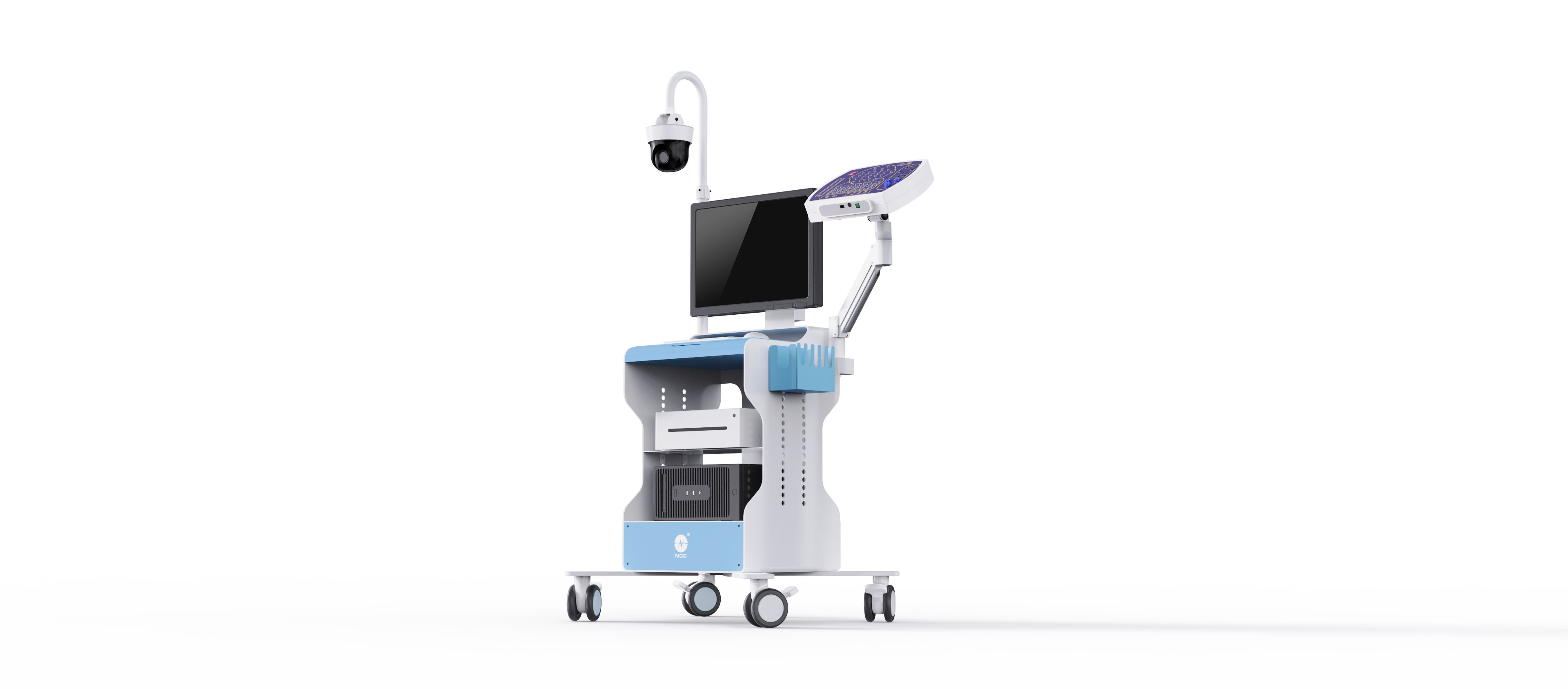
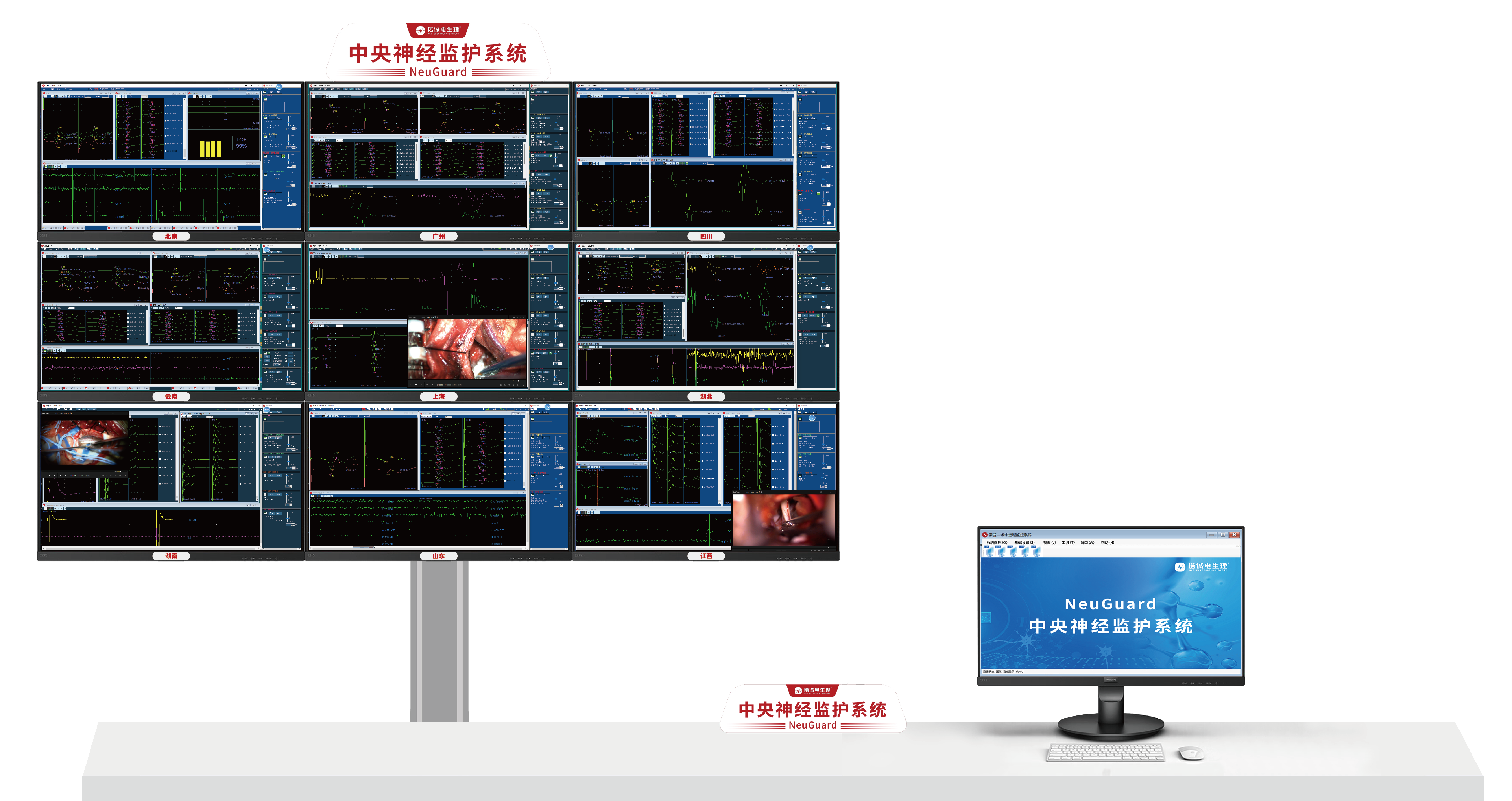
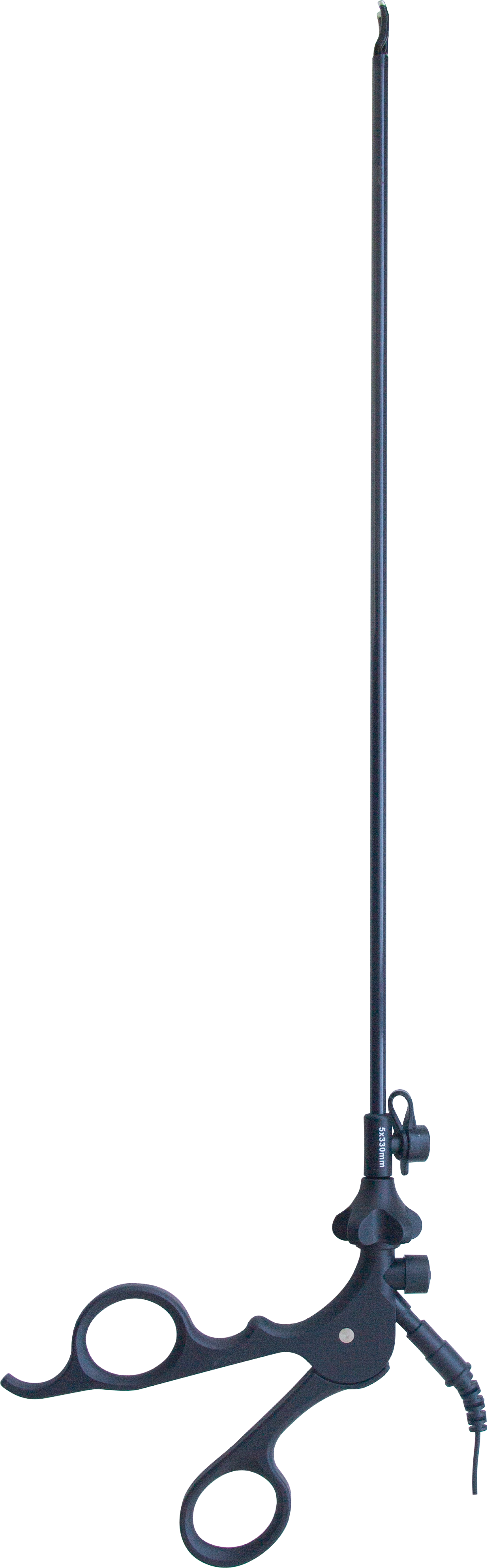
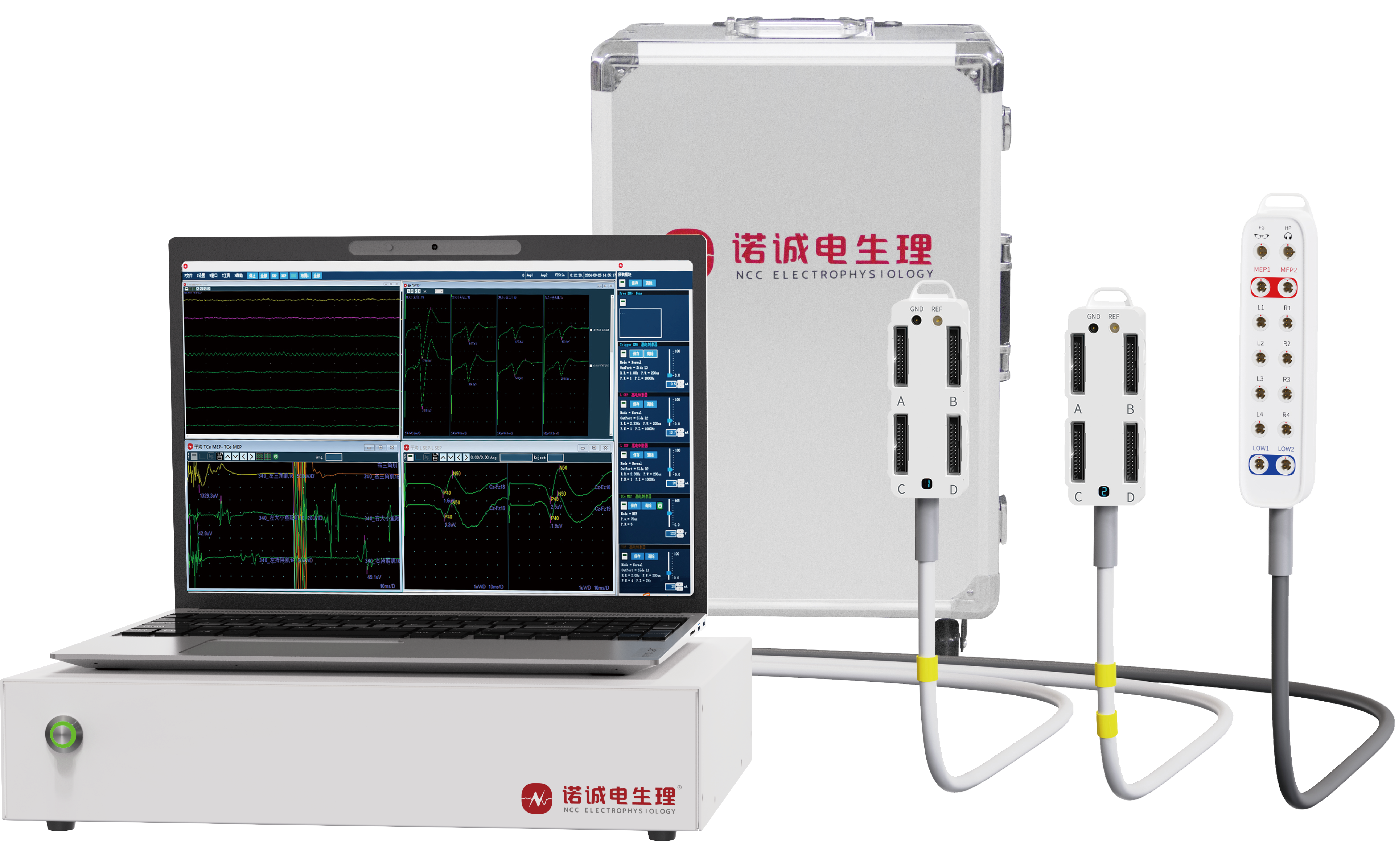
Our Spinal Cord Monitoring system is a dedicated intraoperative platform engineered to meet the demanding requirements of complex spine and spinal cord surgery. The hardware architecture combines high‑input‑impedance amplifiers with electrically isolated stimulation modules to deliver stable somatosensory, motor and spinal cord evoked potentials, as well as high‑fidelity EMG recordings. Advanced digital filters and artifact rejection algorithms ensure that Spinal Cord Monitoring remains reliable even in OR environments dominated by electrocautery and other sources of interference. Safety‑critical design features include medical‑grade isolation, strict leakage current control and separate protection between stimulation and recording circuits. On the software side, the Spinal Cord Monitoring system offers intuitive dashboards, real‑time trend views, quantitative alarms and automatic report generation tailored to deformity, degenerative and tumor procedures.

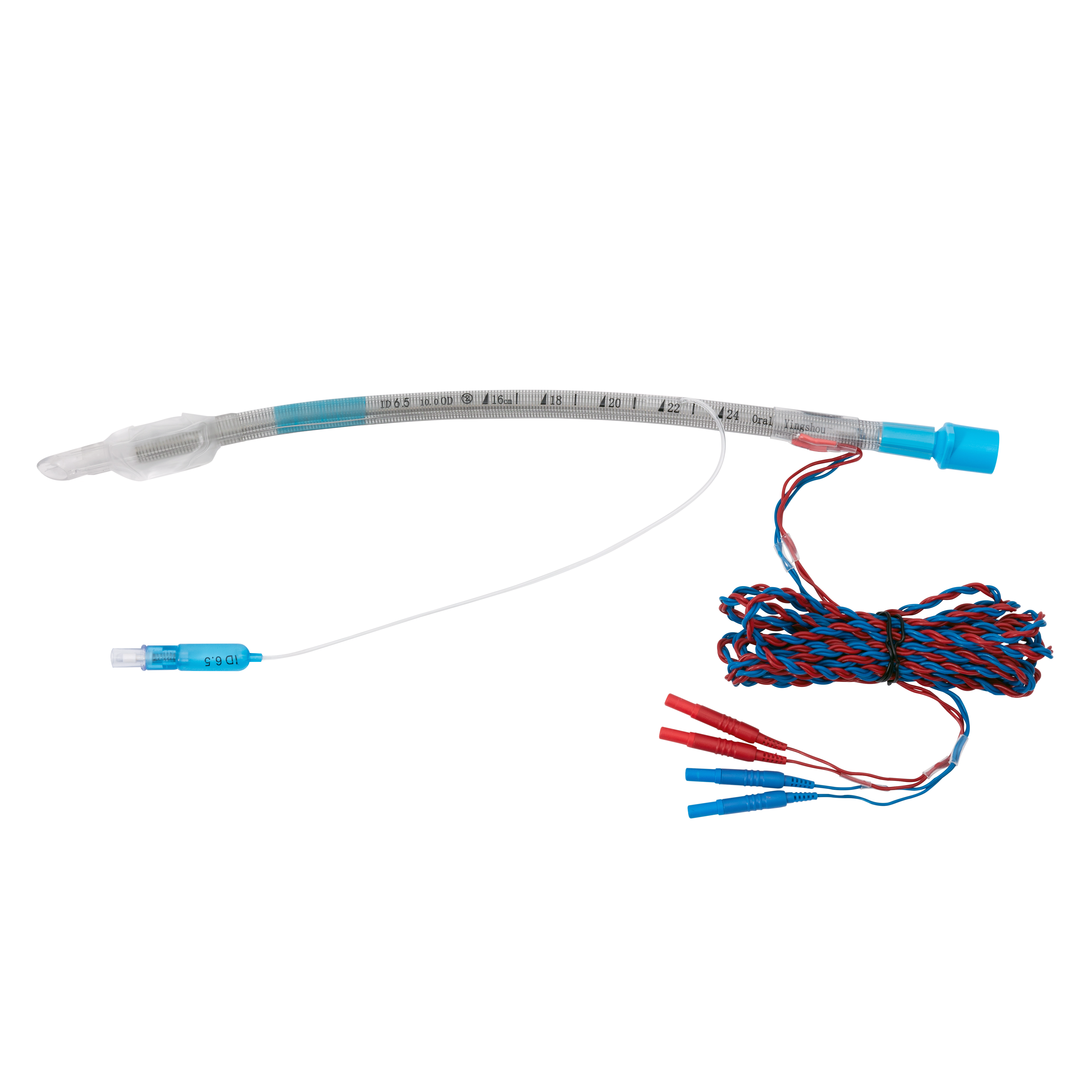
As a specialized neurophysiology manufacturer, our company has built its reputation on delivering high‑performance Spinal Cord Monitoring and neuromonitoring solutions for operating rooms worldwide. Since 1997, we have combined research, engineering and manufacturing in an integrated structure to develop systems that help surgeons protect neural function in real time. Our main R&D and production hub in Shanghai focuses on the design of Spinal Cord Monitoring hardware, signal processing algorithms and sterile accessories, while our quality and regulatory center ensures compliance with international safety and performance standards. Every Spinal Cord Monitoring unit is subjected to rigorous calibration, endurance testing and verification under simulated OR conditions to guarantee stable performance during long, complex surgeries. We support a broad portfolio that includes Spinal Cord Monitoring, brain monitoring, EMG and EEG/PSG, backed by a full range of electrodes, cables and stimulation accessories. Through an expanding global distribution network and dedicated training programs, we help hospitals integrate Spinal Cord Monitoring into their surgical workflows, offering not only equipment but also clinical education, application support and long‑term service to build sustainable high‑quality neuromonitoring programs.

FAQ

What is Spinal Cord Monitoring and why is it used in surgery?

Spinal Cord Monitoring is the intraoperative use of neurophysiological techniques to continuously track spinal cord function during surgery. By recording somatosensory and motor evoked potentials, spinal cord evoked potentials and EMG, Spinal Cord Monitoring detects functional changes that may signal ischemia, excessive traction, compression or other forms of neural stress. When significant deviations from baseline occur, Spinal Cord Monitoring alerts the surgical team so they can modify positioning, instrumentation or hemodynamics before permanent neurological damage develops. This significantly improves patient safety and reduces the risk of postoperative paralysis or sensory loss.
Spinal Cord Monitoring is particularly valuable in surgeries where the spinal cord is at substantial risk. These include scoliosis and kyphosis corrections with instrumentation, cervical and thoracic decompressions and fusions, intramedullary and extramedullary tumor resections, tethered cord release and complex thoracoabdominal procedures that may affect spinal cord blood flow. In these settings, Spinal Cord Monitoring provides real‑time feedback on neural function, allowing surgeons to perform more aggressive corrections or resections with greater confidence while maintaining a clear safety margin.
To implement Spinal Cord Monitoring, a hospital requires an appropriate monitoring platform, compatible electrodes and stimulation accessories and a trained multidisciplinary team. The system must support the key modalities used in Spinal Cord Monitoring and offer features such as artifact control, flexible parameter settings and configurable alarms. Technologists need training in electrode placement, signal optimization and pattern recognition; anesthesiologists must understand how drug choices affect evoked responses; surgeons should be familiar with interpreting Spinal Cord Monitoring changes and integrating them into intraoperative decision making. With vendor‑provided installation, protocol templates and clinical support, most institutions can incorporate Spinal Cord Monitoring into their existing OR infrastructure without major structural changes.

More Posts

Clinical Value and Compliance Assurance of Intraoperative Neuromonitoring Equipment

05

Mar

Clinical Value and Compliance Assurance of Intraoperative Neuromonitoring Equipment

Intraoperative neuromonitoring equipment is not merely an accessory in modern surgery; it is a real-time decision-support system positioned at the intersection of neurophysiology, surgical precision, and medico-legal accountability. In the operating ...
View More
Key Points in Procurement and Technical Applications of Spinal Monitoring Equipment

05

Mar

Key Points in Procurement and Technical Applications of Spinal Monitoring Equipment

In spinal surgery, neurological injury is rarely dramatic in the moment it occurs. More often, it is silent, progressive, and irreversible by the time it becomes clinically apparent. This is precisely why spinal monitoring has become a standard of ca...
View More
Compliance Audit and Procurement Considerations for Ambulatory EEG Equipment in Tender Agency

05

Mar

Compliance Audit and Procurement Considerations for Ambulatory EEG Equipment in Tender Agency

Public tender projects for ambulatory EEG equipment are rarely decided by marketing narratives or clinical demonstrations. They are decided by line-by-line technical verification. In most public hospital tenders, evaluation panels are composed primar...
View More
Procurement Guide for EEG System: Compliance, Technical Advantages, and Clinical Value

05

Mar

Procurement Guide for EEG System: Compliance, Technical Advantages, and Clinical Value

Acquiring an EEG system is one of the most critical decisions a hospital can make for its neurology department. The device you select will influence patient care, research capabilities, and staff efficiency for years to come. At NCC MEDICAL Co., Ltd,...
View More

Customer Reviews

Dr. Olivia Grant, Pediatric Spine Surgeon

“After integrating Spinal Cord Monitoring into all of our pediatric deformity corrections, we have seen a clear improvement in intraoperative decision making. When Spinal Cord Monitoring shows a drop in motor or sensory signals during rod rotation, we immediately adjust correction and blood pressure and usually see recovery before closure. Families appreciate that we use Spinal Cord Monitoring as an extra safety layer, and our team feels more confident undertaking complex cases thanks to the real‑time feedback.”

Dr. Markus Vogel, Neurosurgeon

“Intramedullary tumor surgery demands precise balancing between radical resection and functional preservation. Spinal Cord Monitoring, with combined somatosensory, motor and spinal cord evoked potentials, has become indispensable in our practice. During one recent case, a sudden change in Spinal Cord Monitoring traces prompted us to stop and reassess; the patient woke up with minimal deficit that later improved. Without Spinal Cord Monitoring, we might not have recognized the risk in time. The system’s interface and protocols are straightforward, which helps our team apply it consistently.”

Ms. Laura Kim, Neurophysiology Supervisor

“From a service and training standpoint, rolling out Spinal Cord Monitoring hospital‑wide was a major project, but the benefits are clear. The standardized templates and user‑friendly design make daily setup manageable, even for newer staff. Surgeons now routinely request Spinal Cord Monitoring for high‑risk spine cases, and the reports generated by the system feed directly into our quality improvement database. Overall, Spinal Cord Monitoring has enhanced collaboration among surgery, anesthesia and neurophysiology and raised our overall standard of spinal care.”

Get a Free Quote

Our representative will contact you soon.
Email
Name
Mobile
Your Role
Company Name
Message
0/1000
Comprehensive Real-Time Protection with Spinal Cord Monitoring

Comprehensive Real-Time Protection with Spinal Cord Monitoring

Spinal Cord Monitoring provides continuous, multimodal surveillance of spinal cord function, enabling early detection of harmful changes during complex surgery. This real‑time protection helps teams intervene before injury becomes permanent, making Spinal Cord Monitoring a critical safety component in modern spine programs.
Quantitative, Evidence-Based Alerts in Spinal Cord Monitoring

Quantitative, Evidence-Based Alerts in Spinal Cord Monitoring

By applying predefined amplitude and latency thresholds, Spinal Cord Monitoring converts complex electrophysiological data into simple, actionable alerts. These quantitative alarms support rapid, coordinated responses in the operating room and promote consistent, evidence‑based decisions from one case to the next.
Scalable, Workflow-Oriented Spinal Cord Monitoring Platform

Scalable, Workflow-Oriented Spinal Cord Monitoring Platform

Our Spinal Cord Monitoring system is built for scalability and ease of use, with modular hardware, procedure‑specific templates and integrated reporting. This design allows hospitals to start with a focused application and expand Spinal Cord Monitoring across departments as clinical demand grows, maximizing the value of their investment.

Copyright © NCC Medical Co., Ltd.  -  Privacy policy