Long-Term EEG Monitoring for Epilepsy: The Definitive Diagnostic Pathway
Epilepsy diagnosis and management extend far beyond a single clinical encounter. The challenges are multifaceted: differentiating true epileptic seizures from mimic conditions (e.g., PNES, syncope), accurately classifying seizure types to select the right medication, assessing seemingly uncontrolled seizures, and evaluating candidates for potentially curative surgery. Routine EEGs have unacceptably high false-negative rates, leaving clinicians and patients in a diagnostic gray area.
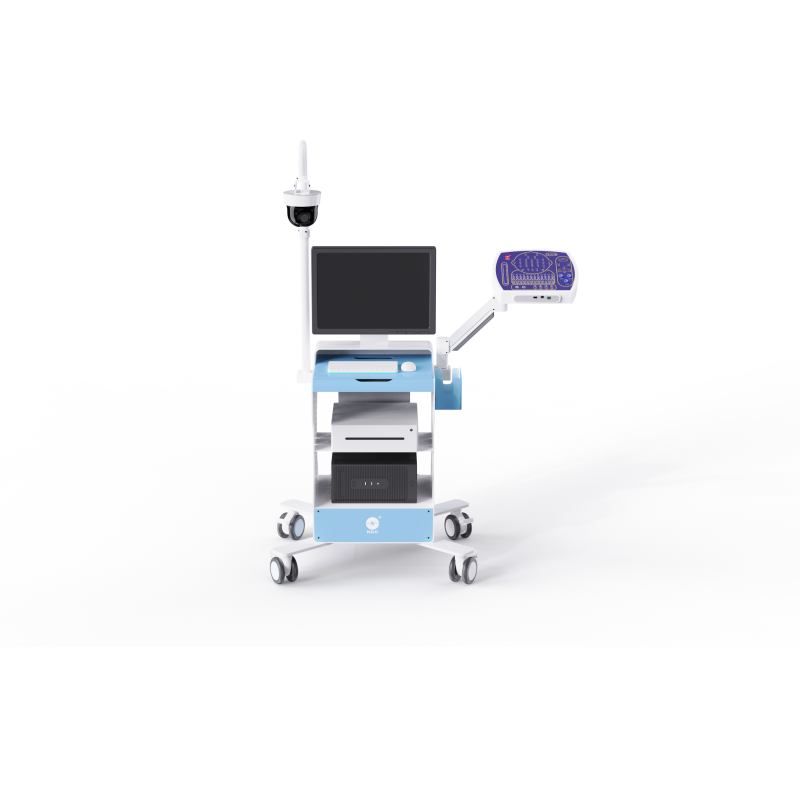
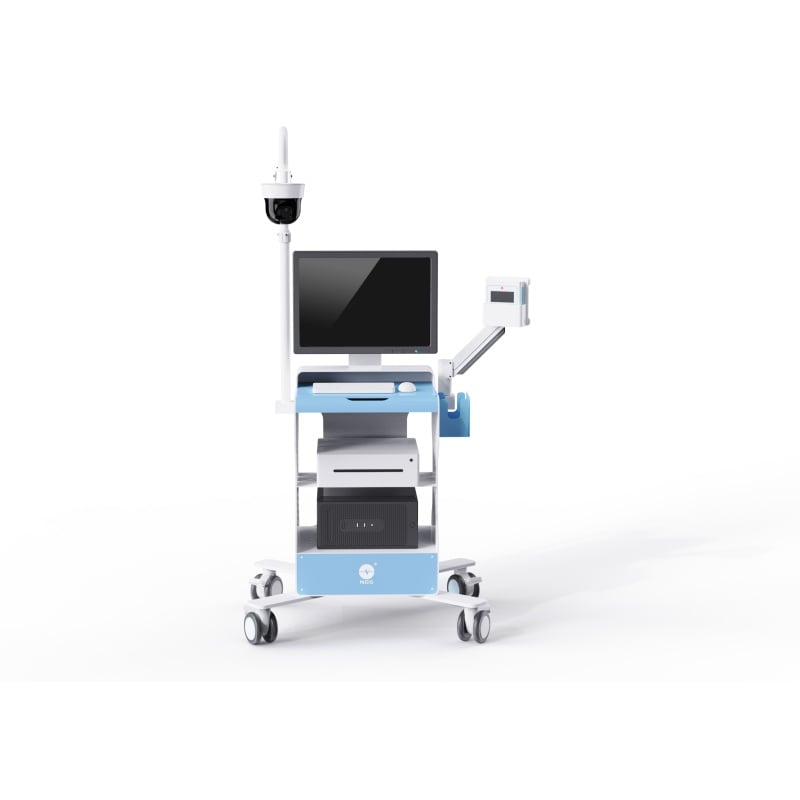
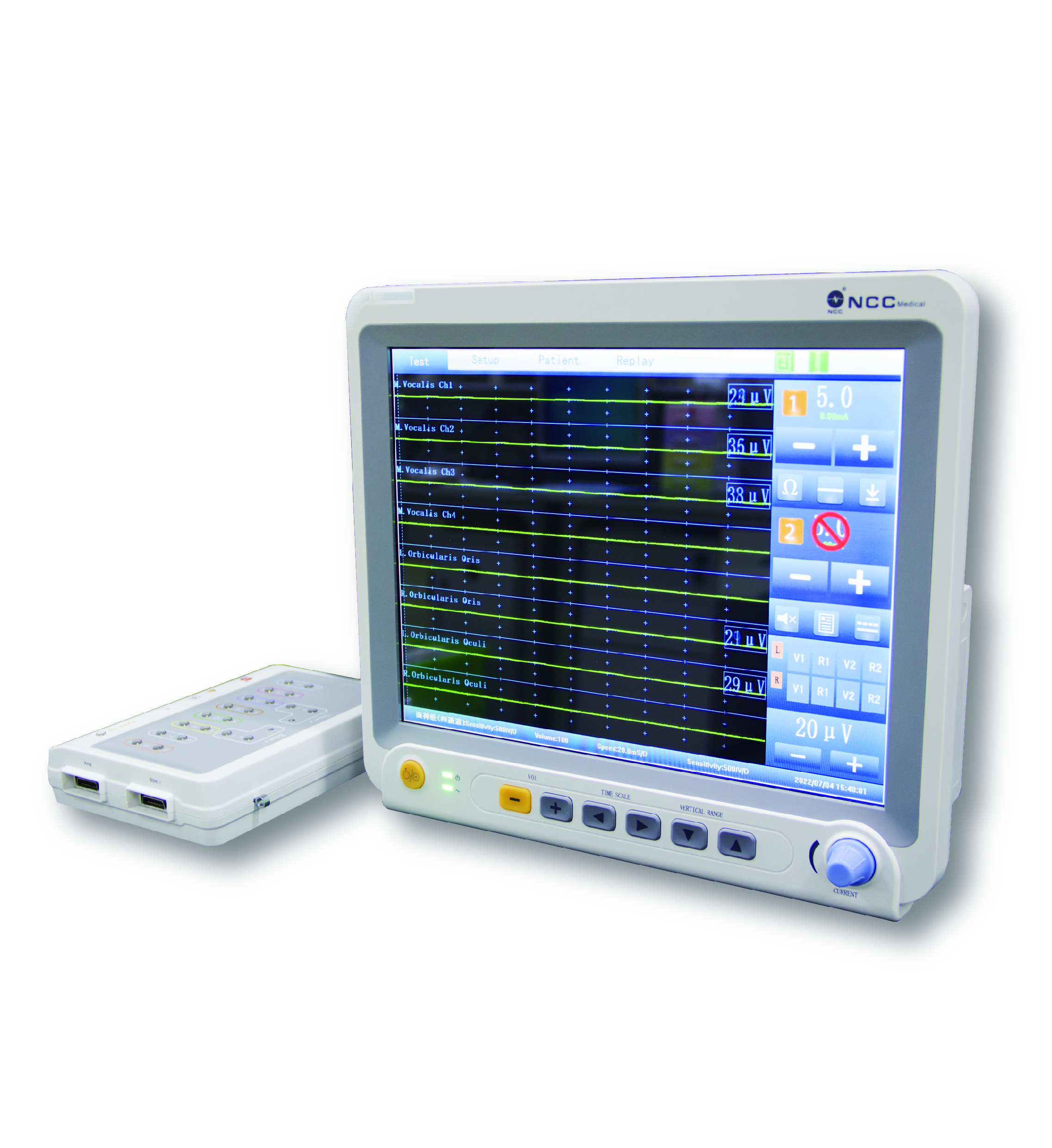
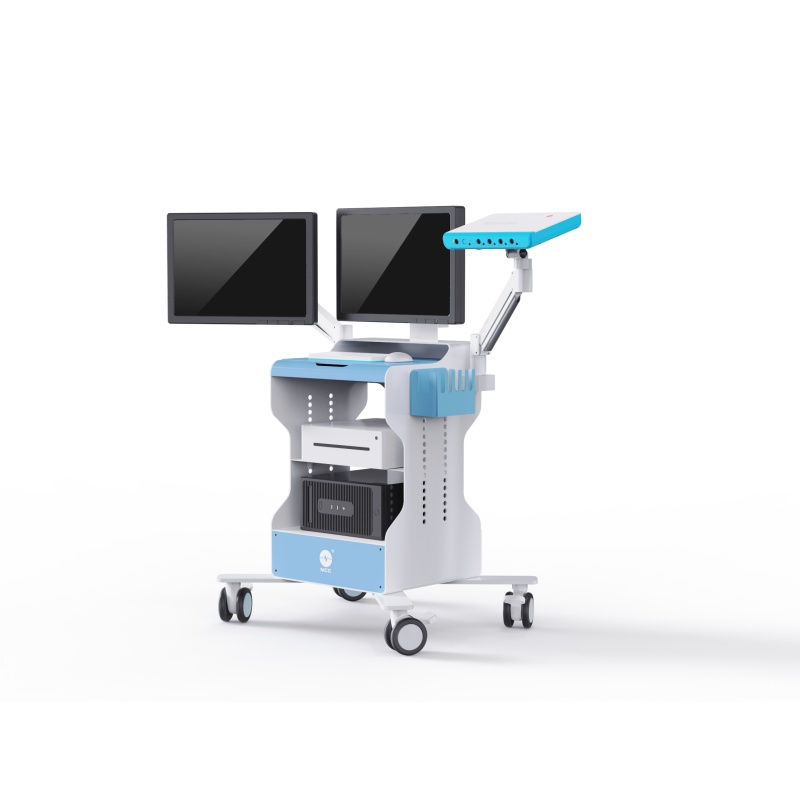
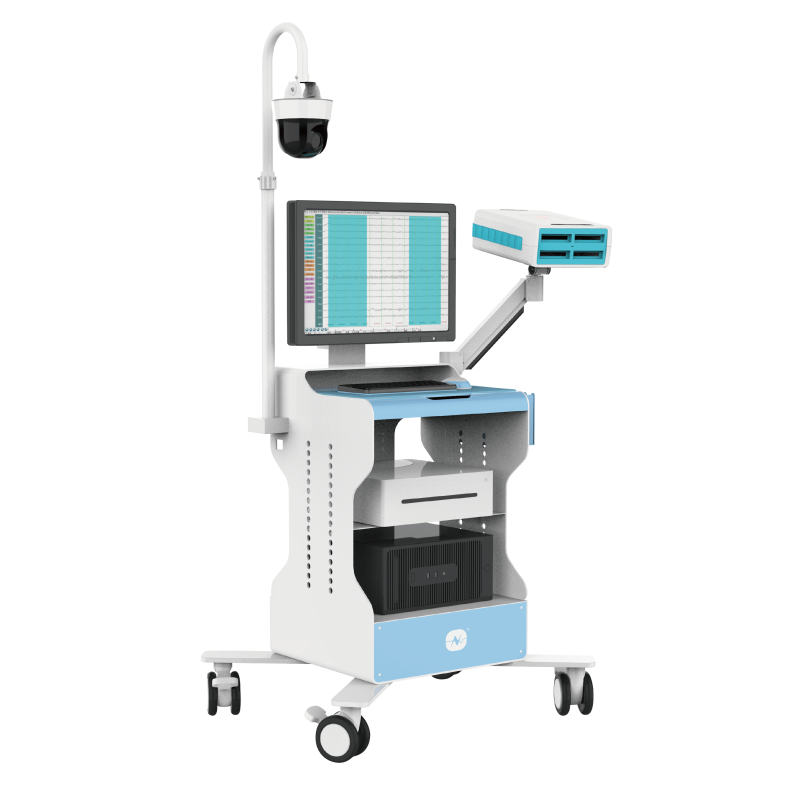
The NCC Comprehensive Epilepsy Monitoring Systems are designed to provide the critical data needed to overcome these challenges through:
Long-Term Video-EEG Monitoring as the Gold Standard for Epilepsy Diagnosis and Management.
We provide the continuous, correlated brainwave and video data required to move from uncertainty to a clear, actionable patient management plan.
Definitive epilepsy care is built upon a structured diagnostic pathway, with long-term monitoring forming the core functional assessment layer.
|
Diagnostic Tier |
Key Modalities |
Function & Clinical Significance |
|
Clinical History & Semiology |
Patient/Witness Account, Home Videos |
Provides the initial description of events, offering clues to seizure onset and type (The Clinical Hypothesis). |
|
Functional & Structural Correlation |
Long-Term Video-EEG, Ambulatory EEG, MRI |
Objectively captures and localizes epileptiform activity, correlating electrical brain events with clinical semiology (The Diagnostic Cornerstone). |
|
Advanced Localization |
PET, SPECT, MEG |
Provides supplementary metabolic and magnetic source data for complex surgical cases (The Precision Localizers). |
|
Assessment Method |
Key Capability |
Clinical Impact |
|
Routine EEG |
Snapshot Assessment |
Often Inconclusive; High Missed Diagnosis Rate |
|
Long-Term Video-EEG Monitoring |
Continuous Functional-Clinical Correlation |
The Gold Standard for Diagnosis, Classification, and Pre-Surgical Evaluation |
The Central Role of LTM Across the Epilepsy Care Continuum
The NCC Epilepsy Monitoring systems deliver decisive insights at every stage of the patient journey:
|
No. |
Clinical Application |
The Critical Monitoring Value |
Definitive Clinical Benefit |
|
01 |
Initial Diagnosis & Seizure Classification |
Captures interictal epileptiform discharges (IEDs) and habitual seizures to confirm an epilepsy diagnosis and definitively classify seizure type (focal, generalized, unclassified). |
Ends diagnostic uncertainty, enabling the initiation of correctly targeted anti-seizure medication from the start. |
|
02 |
Drug-Resistant Epilepsy Evaluation |
Quantifies true seizure frequency and patterns, distinguishing between breakthrough seizures, side effects, and non-epileptic events. |
Provides an objective basis for polytherapy optimization or consideration of non-pharmacological therapies. |
|
03 |
Pre-Surgical Evaluation |
The cornerstone of surgical workup. Precisely localizes the epileptogenic zone by recording multiple habitual seizures, identifying the ictal onset zone. |
Determines surgical candidacy and guides the planning of resective surgery, offering the potential for cure. |
|
04 |
Differentiating Epileptic vs. Psychogenic Non-Epileptic Seizures (PNES) |
The definitive tool for determining if paroxysmal clinical events have an electrographic correlate. |
Prevents years of inappropriate anti-epileptic drug use and directs patients to essential psychiatric care. |
|
05 |
Post-Intervention Outcome Assessment |
Monitors EEG outcomes following surgery, device implantation (e.g., VNS), or dietary therapy changes. |
Objectively evaluates the effectiveness of the intervention and guides further management. |
The Definitive Benefits of NCC Epilepsy Monitoring Systems
Our technology provides "The Evidence for Certainty," fundamentally improving patient pathways and outcomes:
Definitive Diagnosis: Eliminates guesswork by directly capturing and correlating clinical events with EEG, leading to accurate diagnosis and classification.
Optimized Therapeutic Strategies: Provides the data needed to tailor treatment, whether through medication adjustment, dietary therapy, or surgical intervention.
Curative Potential: Enables the identification of suitable surgical candidates, offering the possibility of seizure freedom for those with drug-resistant epilepsy.
Cost-Effective Care: Reduces long-term healthcare costs by preventing misdiagnosis, ineffective drug trials, and unnecessary emergency department visits.
Discover how [NCC EEG System ] can transform your diagnostic capabilities and patient management strategies.
Copyright © NCC Medical Co., Ltd. - Privacy policy
 EN
EN