Home > Clinical Solutions > EMG > Nerve Conduction Studies(NCS)
Electrodiagnostic Medicine: Uncovering the Source of Nerve and Muscle Disorders
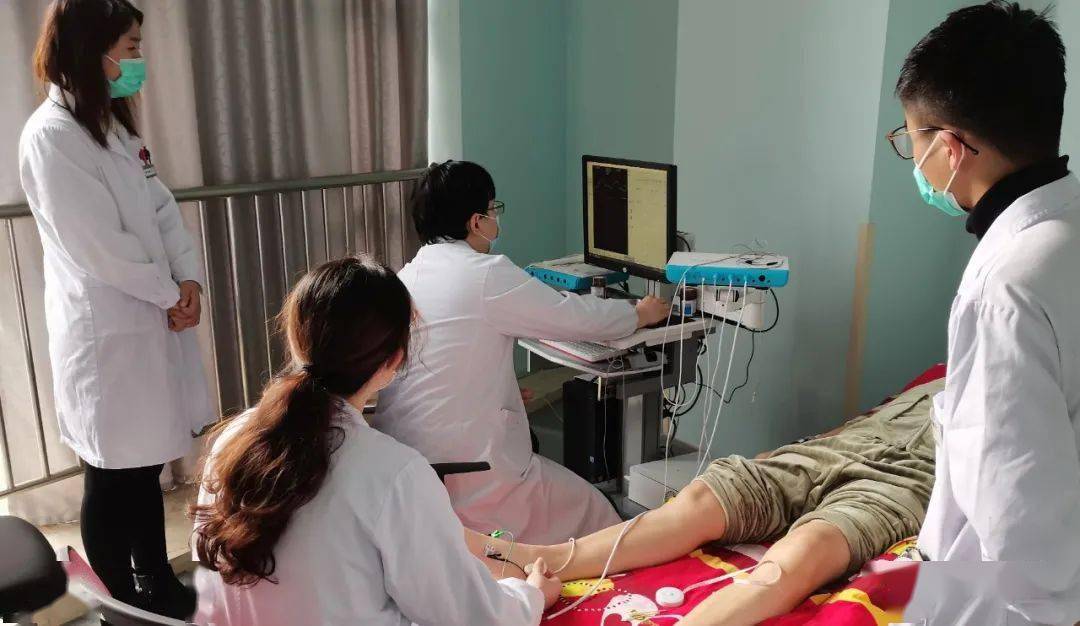
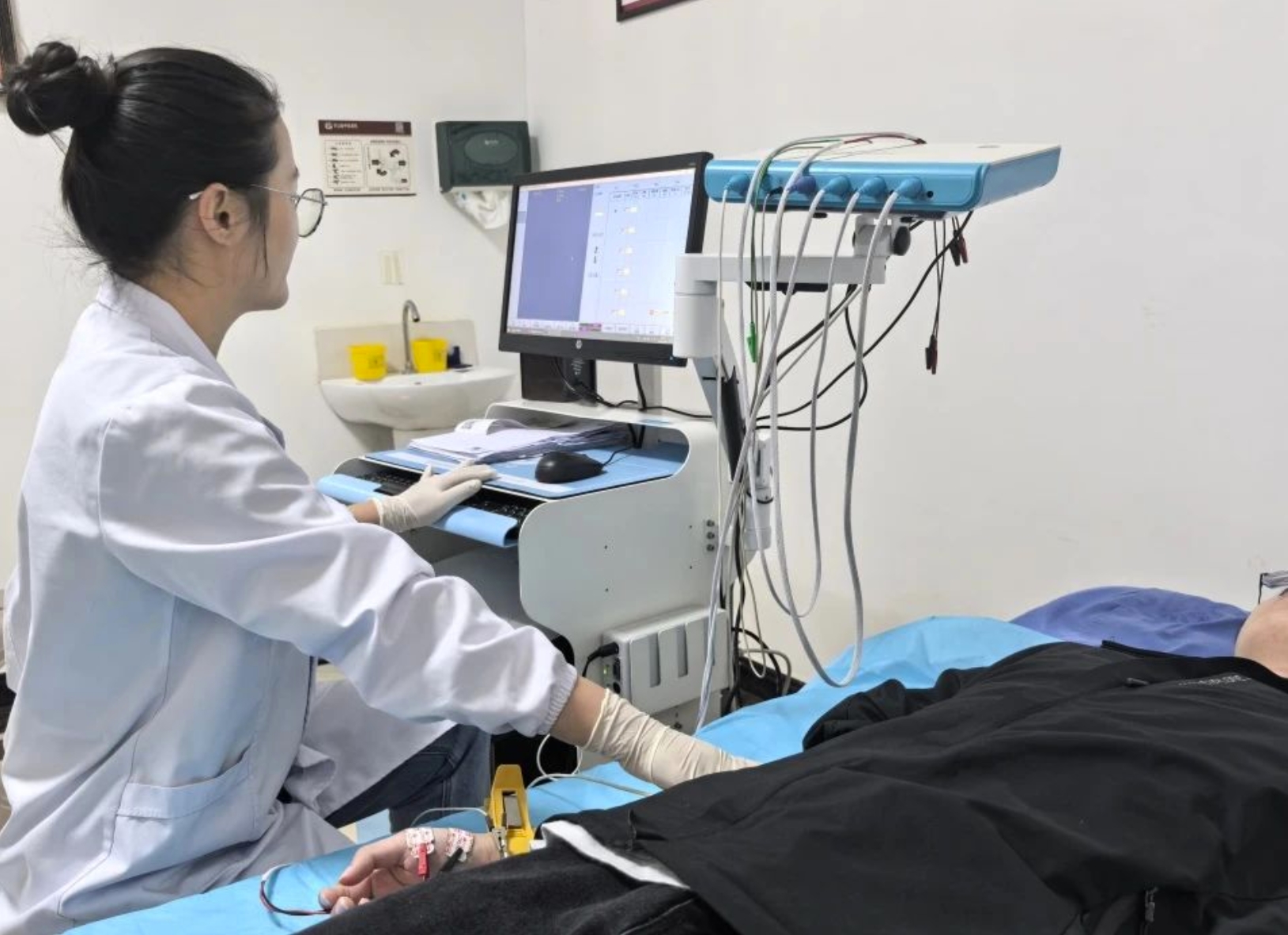
Patients presenting with weakness, numbness, tingling, or pain often face a diagnostic odyssey. The symptoms can be vague, and their origin—whether in the nerve, muscle, or neuromuscular junction—is unclear from clinical examination alone. MRI and CT scans excel at showing structural anatomy but are often silent on functional integrity. This diagnostic uncertainty can delay appropriate treatment, from medication to surgery.
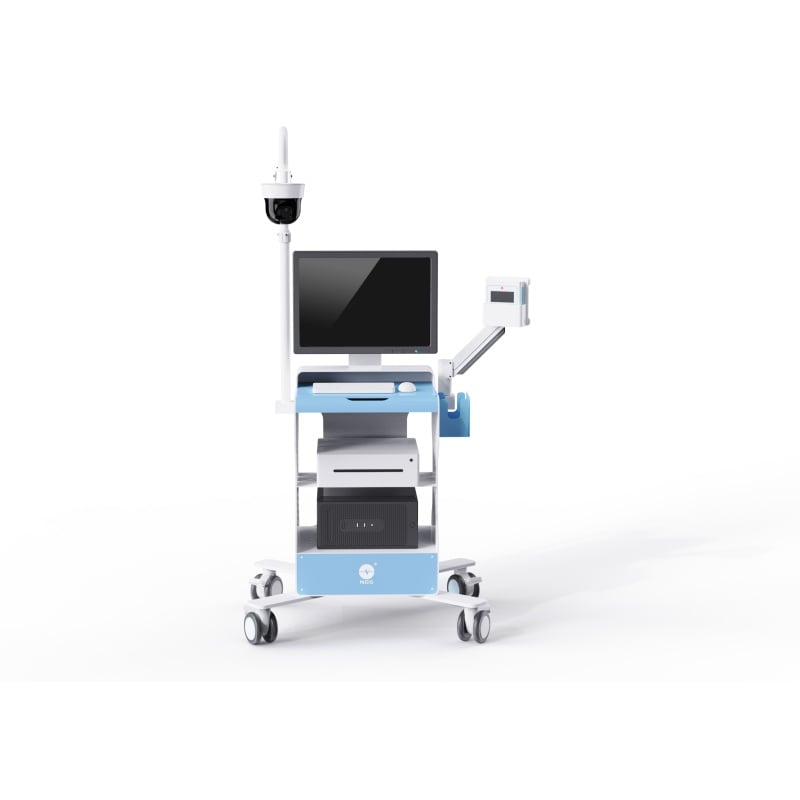
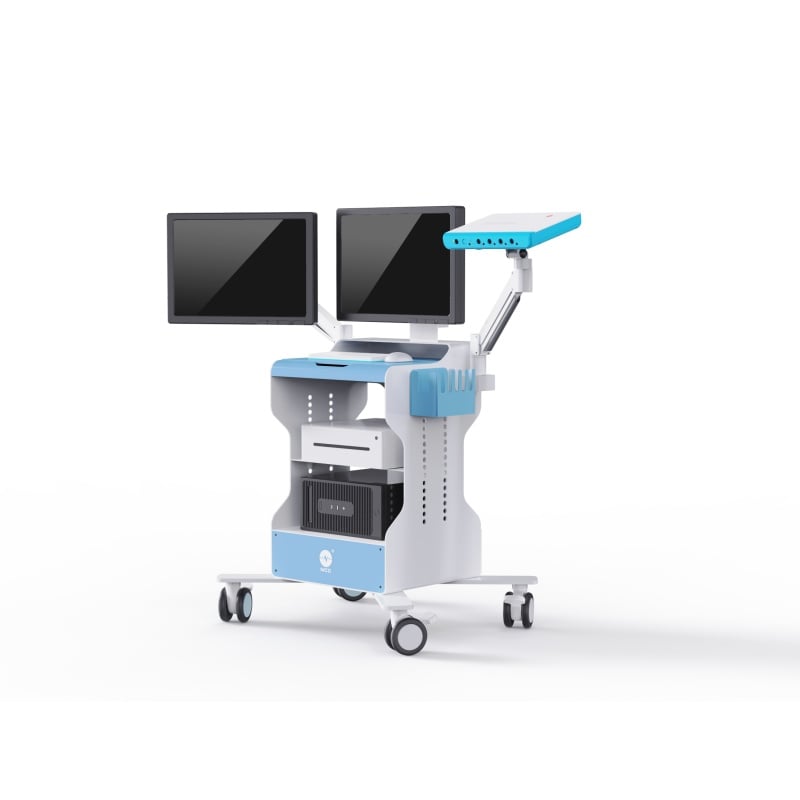
The NCC EMG System is designed to resolve this uncertainty by providing:
Objective Functional Assessment of the Peripheral Nerves and Muscles.
EMG/NCS acts as an extension of the neurological exam, quantifying the electrical health of nerves and muscles to precisely localize lesions, characterize pathophysiology, and guide effective management.
A comprehensive diagnosis integrates patient history with structural and functional data, where EMG/NCS provides the critical functional link.
|
Diagnostic Tier |
Key Components |
Function & Clinical Significance |
|
Clinical History & Exam |
Symptom analysis, Neurological assessment |
Forms the initial clinical hypothesis about the possible location and nature of the lesion (The Clinical Compass). |
|
Functional Integrity |
EMG, Nerve Conduction Studies (NCS) |
Objectively assesses the electrical function of nerves and muscles, confirming the site of injury and the underlying pathology (The Functional Localizer). |
|
Structural Imaging |
MRI, Ultrasound |
Visualizes anatomical anomalies, masses, or structural compression that may correlate with the functional deficit (The Anatomical Map). |
The Definitive Role of EMG/NCS Across Clinical Scenarios
The NCC Electrodiagnostic System delivers critical insights for a wide spectrum of disorders affecting the peripheral nervous system:
|
No. |
Clinical Application |
The Critical Diagnostic Value |
Definitive Clinical Benefit |
|
01 |
Peripheral Neuropathy |
NCS quantifies the degree and type (demyelinating vs. axonal) of nerve damage. EMG assesses chronicity and severity. |
Differentiates between conditions like CIDP, diabetic neuropathy, and toxic neuropathies, guiding treatment. |
|
02 |
Nerve Compression Syndromes (e.g., Carpal Tunnel) |
NCS provides objective, quantifiable evidence of slowed conduction across the compressed segment. |
Confirms diagnosis before considering surgical intervention, providing baseline severity. |
|
03 |
Radiculopathy (Pinched Nerve in Spine) |
EMG identifies patterns of denervation in specific muscle groups, pinpointing the affected nerve root level. |
Correlates symptoms with functional nerve root injury, especially when imaging findings are ambiguous or multi-level. |
|
04 |
Neuromuscular Junction Disorders (e.g., Myasthenia Gravis) |
Repetitive Nerve Stimulation (RNS) and Single Fiber EMG (SFEMG) detect impaired nerve-to-muscle signal transmission. |
Provides key evidence for diagnosing these often-missed conditions, enabling immunomodulatory therapy. |
|
05 |
Myopathy (Muscle Disease) |
EMG detects characteristic abnormal electrical activity in muscle fibers, distinguishing myopathic from neurogenic patterns. |
Aids in the diagnosis of inflammatory myopathies, muscular dystrophies, and other primary muscle diseases. |
The Definitive Benefits of NCC Electrodiagnostic Systems
Our EMG/NCS technology provides "Diagnostic Precision," transforming patient management from symptomatic guesswork to targeted treatment:
Accurate Localization: Precisely identifies the site of the lesion—whether in the nerve root, plexus, peripheral nerve, neuromuscular junction, or muscle—preventing misdirected treatments.
Pathophysiological Insight: Differentiates between axonal loss and demyelination, acute and chronic processes, guiding prognosis and therapeutic strategy.
Objective Baseline & Monitoring: Provides quantifiable data to monitor disease progression or response to treatment over time.
Guided Intervention: Informs decisions for surgical decompression, nerve blocks, or medical management, ensuring the right treatment for the right patient.
Discover how the [NCC Electrodiagnostic System] guides effective treatment plans with definitive diagnostic insights.

Copyright © NCC Medical Co., Ltd. - Privacy policy
 EN
EN