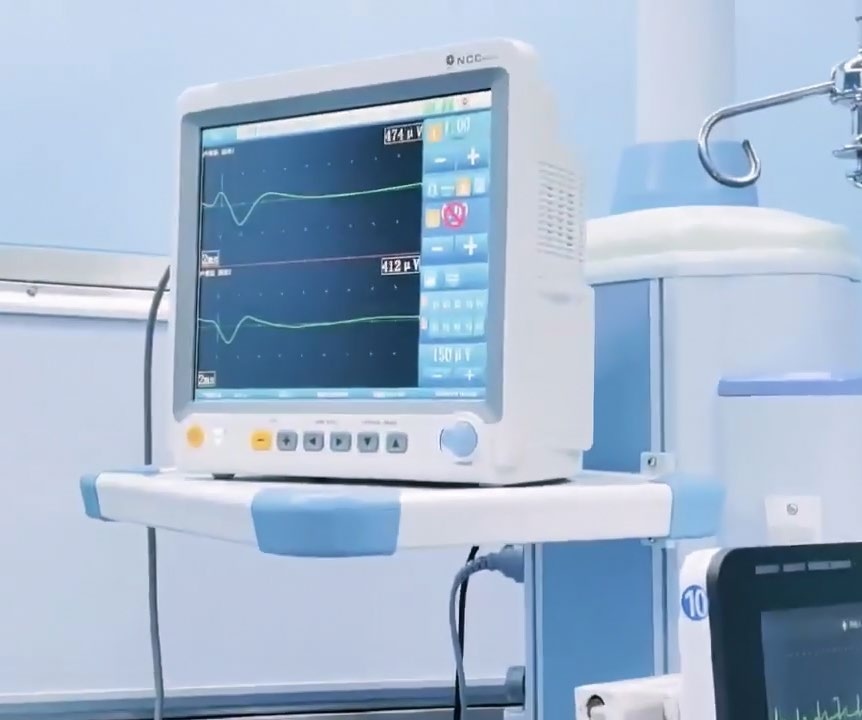
Facial Nerve Monitoring System: Real-Time Protection for ENT & Skull Base Surgery

All Categories

Why Facial Nerve Monitoring Is Essential for Surgical Safety in Skull Base and ENT Procedures

In modern neurosurgery and otolaryngology, facial nerve monitoring has become an indispensable technology for protecting neural function during complex surgical procedures. The facial nerve is responsible for facial expression, blinking, and many essential motor functions. Any intraoperative injury may result in permanent facial paralysis, significantly affecting a patient’s quality of life. Therefore, implementing reliable facial nerve monitoring is now considered a standard safety protocol in skull base surgery, acoustic neuroma resection, parotid gland surgery, and cochlear implantation. Advanced facial nerve monitoring systems integrate multiple electrophysiological techniques, including free-running electromyography (EMG), triggered EMG, facial corticobulbar motor evoked potentials (FCoMEP), and blink reflex monitoring. These technologies enable surgeons to continuously track facial nerve activity and detect potential nerve irritation or traction in real time.
Get A Quote

Facial Nerve Monitoring

Intraoperative neurophysiological monitoring has rapidly evolved over the past two decades, and facial nerve monitoring is now widely recognized as a critical safeguard during delicate surgical procedures. Hospitals implementing advanced facial nerve monitoring technologies benefit from improved neural protection, more accurate surgical navigation, and better patient outcomes. By combining high-sensitivity sensors, intelligent signal processing, and multi-modal electrophysiological monitoring, modern facial nerve monitoring systems enable surgeons to track nerve integrity throughout the entire surgical process.

High-Sensitivity Facial Nerve Monitoring Enables Early Detection of Neural Stress

One of the primary advantages of modern facial nerve monitoring is its ability to detect extremely small electromyographic signals generated by facial muscle activity. Advanced sensors used in facial nerve monitoring systems can capture micro-volt level EMG responses, allowing surgical teams to identify early signs of nerve traction, compression, or thermal injury. Continuous facial nerve monitoring ensures that even subtle changes in neural activity are detected before irreversible damage occurs.

Multi-Modal Facial Nerve Monitoring Improves Surgical Decision-Making

Modern facial nerve monitoring platforms integrate several monitoring techniques to provide comprehensive neural function assessment. Free-running EMG detects spontaneous muscle activity, while triggered EMG confirms nerve location during surgical mapping. Additional modalities such as FCoMEP further enhance the accuracy of facial nerve monitoring by evaluating the integrity of the entire corticobulbar pathway. The combination of these techniques makes facial nerve monitoring an essential decision-support tool during complex operations.

Continuous Facial Nerve Monitoring Reduces Postoperative Complications

Clinical studies have demonstrated that routine use of facial nerve monitoring significantly reduces the incidence of postoperative facial paralysis. By providing real-time alerts during surgery, facial nerve monitoring allows surgeons to modify their techniques immediately when abnormal neural responses occur. Hospitals adopting standardized facial nerve monitoring protocols report improved surgical outcomes, shorter recovery times, and higher patient satisfaction.

Related Products

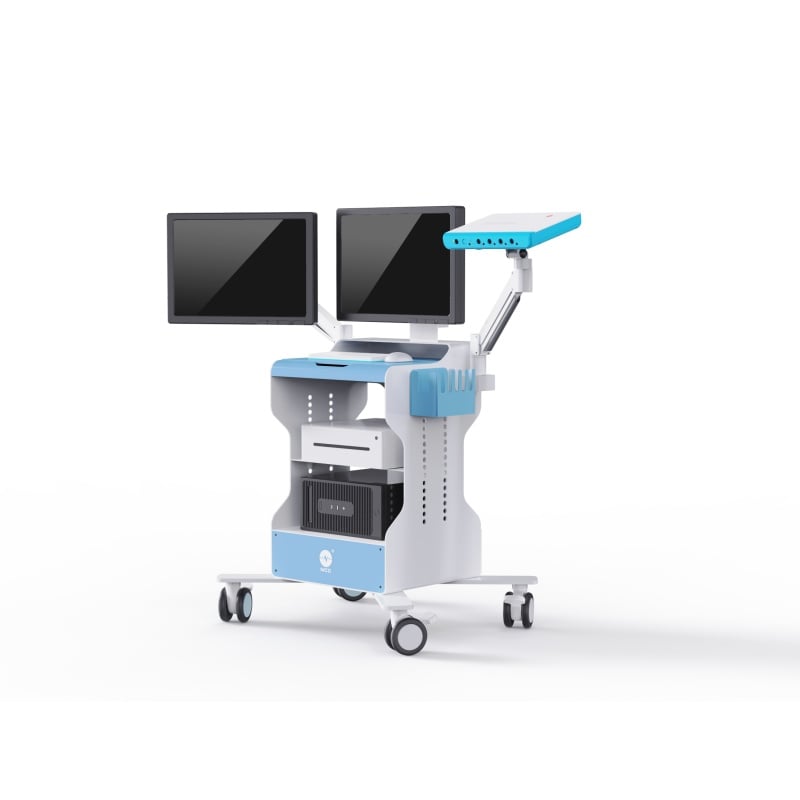
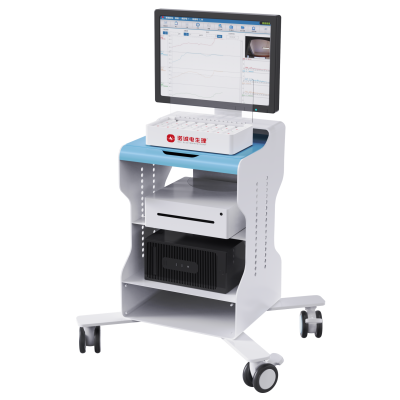
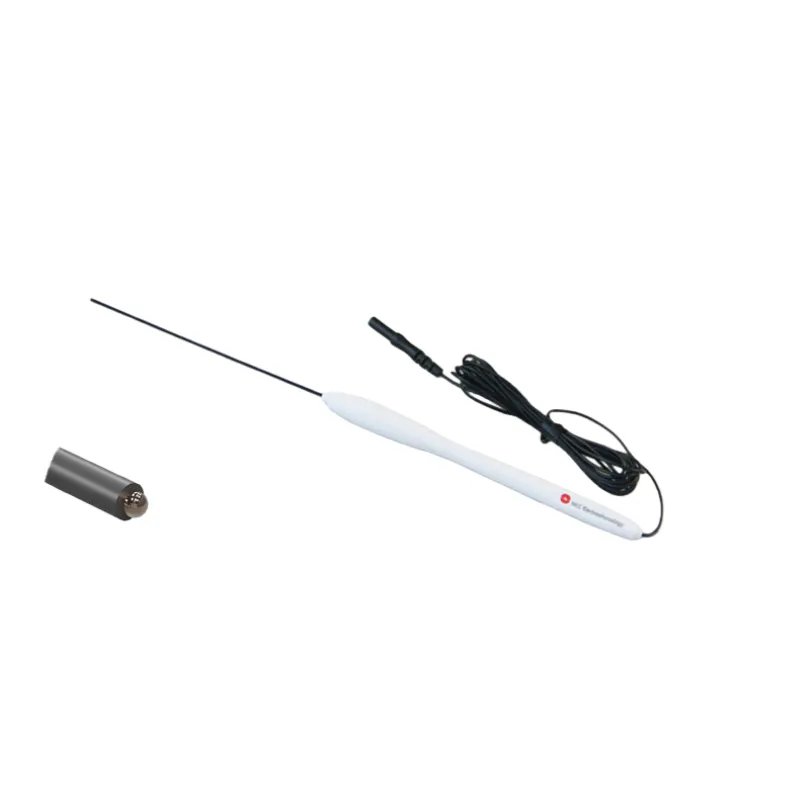
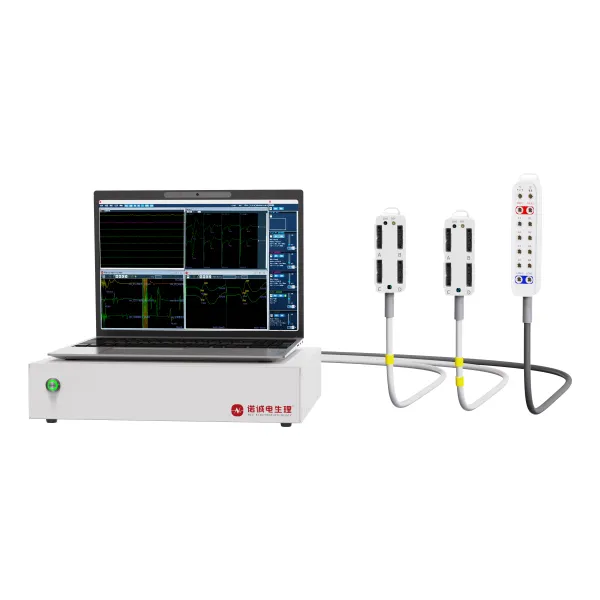
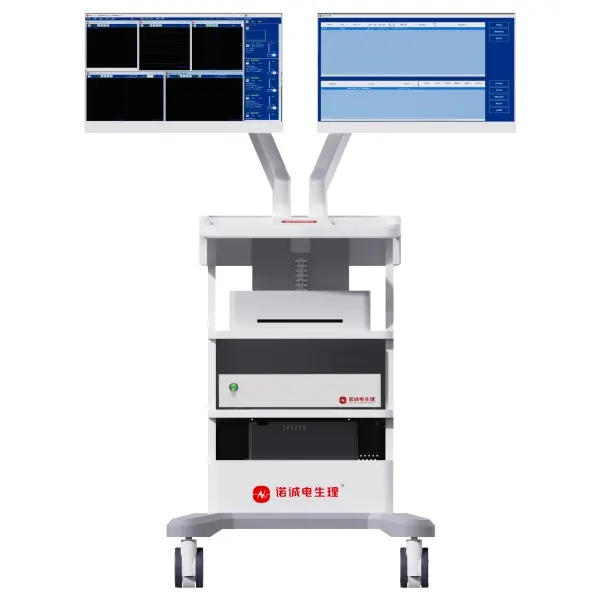
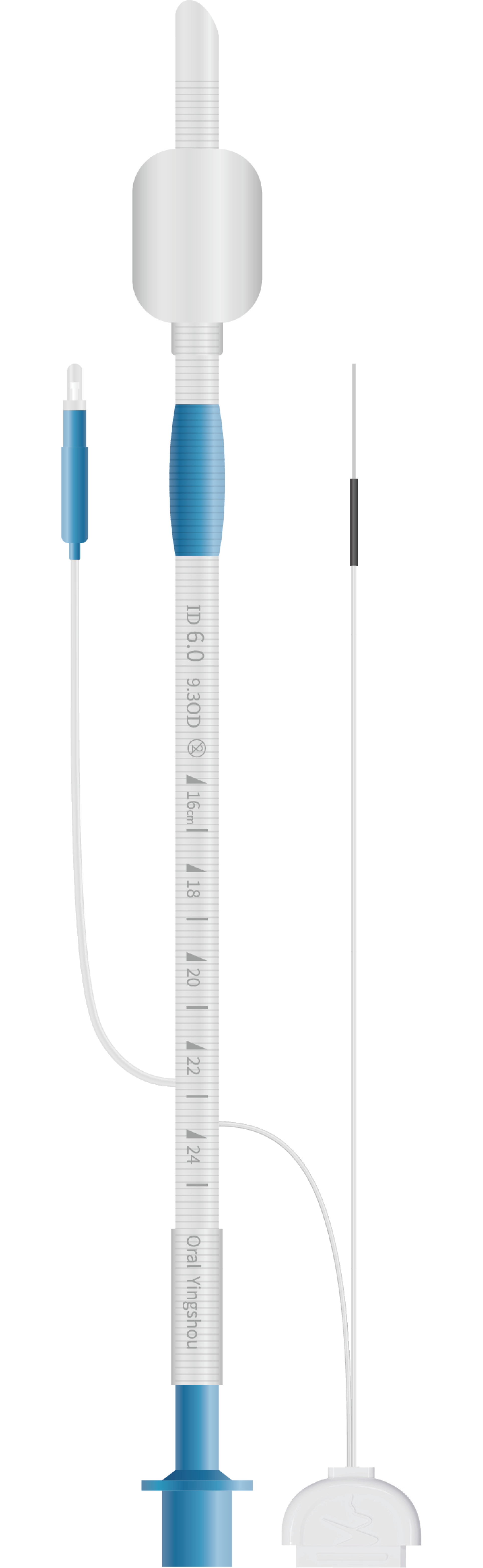
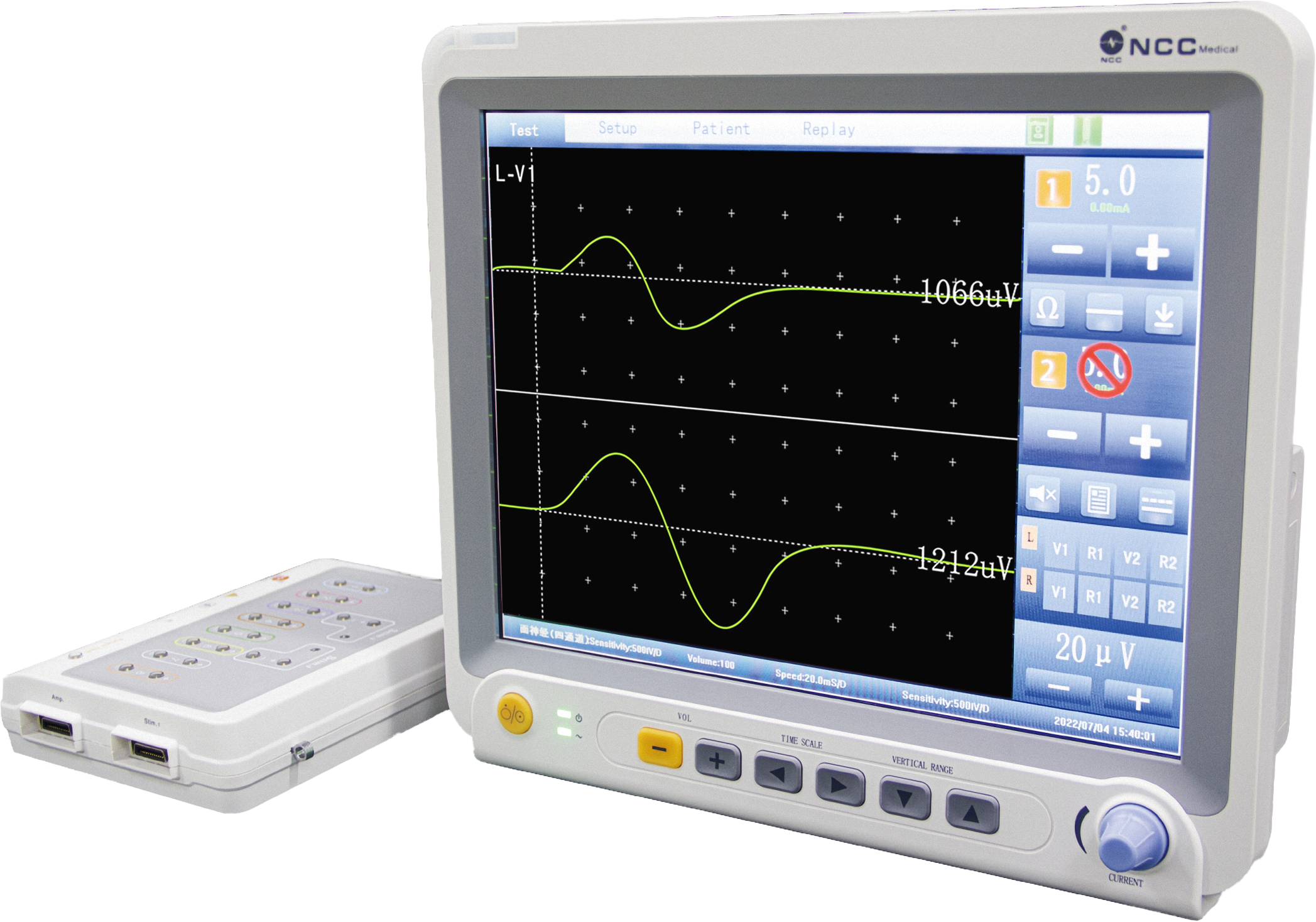
The advanced facial nerve monitoring system is designed to provide reliable intraoperative neurophysiological monitoring during cranial, ENT, and skull base procedures. By combining high-precision electrodes, intelligent stimulation technology, and real-time signal analysis, this facial nerve monitoring solution enables surgical teams to protect nerve function with exceptional accuracy. The system supports multiple monitoring modalities, allowing comprehensive facial nerve monitoring throughout the surgical process. Free-running EMG provides continuous detection of spontaneous neural activity, while triggered EMG enables dynamic nerve mapping during tissue dissection. Additionally, FCoMEP monitoring extends the capabilities of facial nerve monitoring by evaluating the functional integrity of central motor pathways.

NCC MEDICAL GROUP is a globally respected developer of neurophysiology technologies, specializing in diagnostic and monitoring systems used in neurology, neurosurgery, and intraoperative monitoring. Since its establishment in 1997, the company has dedicated its resources to advancing precision medical technologies that improve patient safety and surgical outcomes.

As a recognized National SRDI “Little Giant” Enterprise, NCC represents one of the most innovative companies in the neurophysiology industry. This government recognition is granted only to organizations that demonstrate exceptional capabilities in specialized research, advanced manufacturing, and proprietary technological innovation.

The company’s research and manufacturing headquarters are located in Shanghai, a major center for biomedical engineering and technological development. At this facility, multidisciplinary teams of neuroscientists, engineers, and clinicians collaborate to design advanced monitoring systems including facial nerve monitoring, EEG/PSG diagnostic platforms, EMG equipment, and intraoperative neurophysiology solutions.

To ensure global compliance and product quality, NCC operates an international quality management hub in Singapore. This structure enables the company to align its product development with international regulatory standards while supporting global market expansion.

NCC’s neurophysiology technologies are currently deployed in more than 5,000 hospitals across China and exported to over 50 countries worldwide. Hospitals and medical institutions across Southeast Asia, Europe, Australia, the Americas, and Africa rely on NCC equipment for accurate neurological diagnostics and intraoperative monitoring.

The company has built an integrated ecosystem supporting clinicians and healthcare institutions. Through the NeuGuard Service Platform, NCC provides remote technical support, equipment management, and clinical assistance for hospitals implementing advanced monitoring systems such as facial nerve monitoring.

Education and professional training are also central to NCC’s mission. The NCC Innovation Academy offers ongoing training programs for surgeons, neurophysiology technicians, and biomedical engineers. These programs ensure that healthcare professionals can effectively implement advanced monitoring technologies and achieve optimal clinical outcomes.

Across China, NCC operates 31 technical training and support centers, where clinical teams receive hands-on education in neurophysiological monitoring techniques. These centers provide training in areas such as intraoperative monitoring, EEG interpretation, and advanced surgical nerve protection technologies.

Guided by the mission “Safeguarding Life and Health,” NCC continues to expand its global presence while investing heavily in research and innovation. The company remains committed to advancing neurophysiology technologies that protect patients, improve surgical safety, and support healthcare professionals worldwide.

FAQ

What is facial nerve monitoring and why is it important during surgery?

Facial nerve monitoring is a neurophysiological technique used during surgery to track the functional integrity of the facial nerve. By detecting electromyographic signals generated by facial muscles, facial nerve monitoring allows surgeons to identify nerve location and detect early signs of nerve irritation or injury. Continuous facial nerve monitoring significantly reduces the risk of postoperative facial paralysis and improves surgical outcomes.
Many high-risk procedures benefit from facial nerve monitoring, including acoustic neuroma surgery, skull base tumor removal, parotid gland surgery, cochlear implantation, and middle ear surgery. During these procedures, the facial nerve may be at risk due to its complex anatomical location. Using facial nerve monitoring, surgeons can identify nerve branches in real time and avoid accidental damage.
Facial nerve monitoring improves patient safety by providing continuous feedback about nerve function during surgery. If abnormal neural activity occurs, the facial nerve monitoring system alerts the surgical team immediately. This allows surgeons to adjust their surgical approach and prevent permanent nerve damage. As a result, facial nerve monitoring plays a critical role in protecting neurological function.

More Posts

Technical Standards and OEM Customization Services of Intraoperative Nerve Stimulators for Surgical Precision

05

Mar

Technical Standards and OEM Customization Services of Intraoperative Nerve Stimulators for Surgical Precision

In modern surgery, precision is no longer defined solely by the surgeon’s hand. It is increasingly defined by the reliability of the technologies guiding that hand. The nerve stimulator intraoperative has evolved from an auxiliary device into a...
View More
Clinical Value and Compliance Assurance of Intraoperative Neuromonitoring Equipment

05

Mar

Clinical Value and Compliance Assurance of Intraoperative Neuromonitoring Equipment

Intraoperative neuromonitoring equipment is not merely an accessory in modern surgery; it is a real-time decision-support system positioned at the intersection of neurophysiology, surgical precision, and medico-legal accountability. In the operating ...
View More
Compliance Audit and Procurement Considerations for Ambulatory EEG Equipment in Tender Agency

05

Mar

Compliance Audit and Procurement Considerations for Ambulatory EEG Equipment in Tender Agency

Public tender projects for ambulatory EEG equipment are rarely decided by marketing narratives or clinical demonstrations. They are decided by line-by-line technical verification. In most public hospital tenders, evaluation panels are composed primar...
View More
Technological Innovations and Application Potential of Portable EEG System in Healthcare Institutions

05

Mar

Technological Innovations and Application Potential of Portable EEG System in Healthcare Institutions

Electroencephalography is no longer confined to the neurophysiology laboratory. Over the past decade, the evolution of the portable EEG system has redefined how and where brain function can be monitored. What was once a scheduled, room-boun...
View More

Customer Reviews

Dr. Sophia Chen – Neurosurgeon

“The facial nerve monitoring system provides exceptional signal clarity and reliability during skull base surgeries. Our surgical team relies heavily on this technology to protect facial nerve function during complex tumor resections.”

Dr. Robert Klein – Otolaryngologist

“In parotid gland surgeries, facial nerve monitoring has become essential. The NCC monitoring platform provides consistent real-time feedback that greatly improves surgical confidence and safety.”

David Morgan – Clinical Neurophysiology Technologist

“The performance of this facial nerve monitoring system is impressive. The signal processing algorithms effectively eliminate surgical interference, making it one of the most reliable monitoring systems we have used.”

Get a Free Quote

Our representative will contact you soon.
Email
Name
Mobile
Your Role
Company Name
Message
0/1000
Multi-Modal Facial Nerve Monitoring Technology

Multi-Modal Facial Nerve Monitoring Technology

The system integrates EMG, triggered EMG, blink reflex monitoring, and FCoMEP technologies, enabling comprehensive facial nerve monitoring throughout the entire surgical process.
Advanced Anti-Interference Signal Processing

Advanced Anti-Interference Signal Processing

Intelligent filtering algorithms allow the facial nerve monitoring system to capture micro-volt neural signals while suppressing electrical noise from surgical instruments.
High-Precision Electrode Technology

High-Precision Electrode Technology

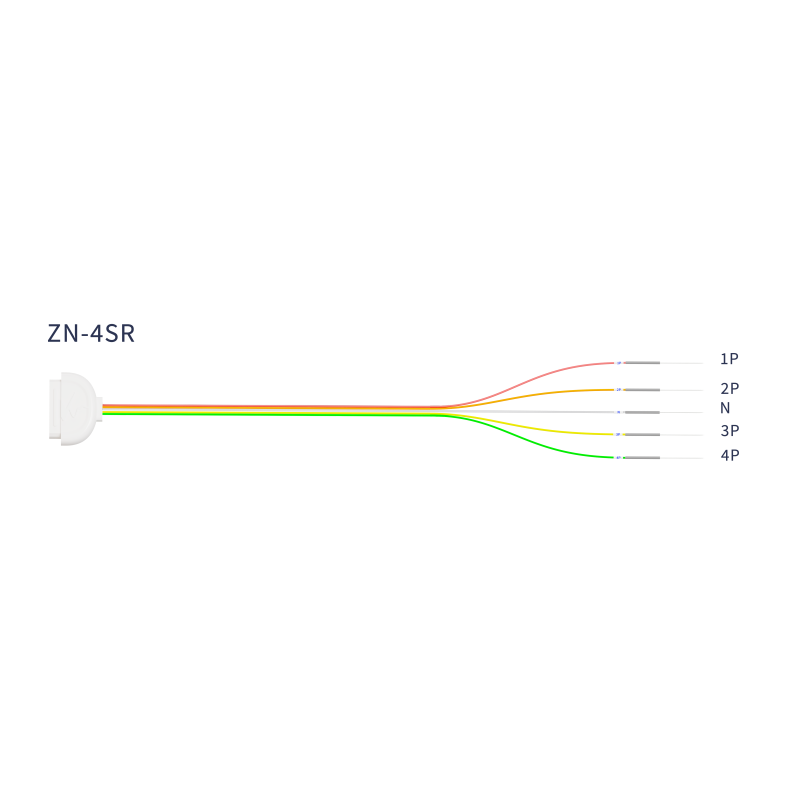
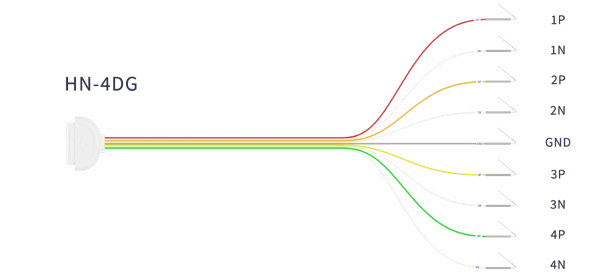
Medical-grade electrodes used in facial nerve monitoring provide stable contact, low impedance, and high signal fidelity for reliable neural response detection.

Copyright © NCC Medical Co., Ltd.  -  Privacy policy