Intraoperative Spinal Cord Monitoring: Multimodal Safety for Complex Spine Surgery

All Categories

Intraoperative Spinal Cord Monitoring Solutions for Safer Complex Spine Surgery

Intraoperative Spinal Cord Monitoring is a multimodal neurophysiological solution used during complex spine and spinal cord surgery to continuously assess dorsal sensory and ventral motor pathways in real time. By combining somatosensory evoked potentials, transcranial electrical motor evoked potentials, spinal cord evoked potentials, D‑wave recording and EMG, Intraoperative Spinal Cord Monitoring helps surgeons detect early signs of ischemia, traction or compression before irreversible spinal cord injury occurs. For hospitals and surgical centers, Intraoperative Spinal Cord Monitoring supports standardized workflows, quantitative alarm thresholds and structured reporting, improving patient safety, reducing neurological complications and strengthening the institution’s reputation as a provider of advanced spine care.
Get A Quote

Intraoperative Spinal Cord Monitoring

Intraoperative Spinal Cord Monitoring delivers a comprehensive, data‑driven view of spinal cord function throughout surgery, enabling surgeons and anesthesiologists to act on objective functional information rather than relying solely on anatomical landmarks or wake‑up tests. With Intraoperative Spinal Cord Monitoring, hospitals can implement evidence‑based alarm criteria, reduce the incidence of postoperative motor and sensory deficits and build a long‑term database for quality control and research. For distributors and OEM partners, a scalable Intraoperative Spinal Cord Monitoring platform also creates recurring value through consumables, training and service contracts.

Multimodal Assessment of Sensory and Motor Pathways

Intraoperative Spinal Cord Monitoring integrates SSEP, Tc‑MEP, SCEP, D‑wave and EMG into a single platform to evaluate both dorsal column sensory function and corticospinal motor integrity throughout the procedure. This multimodal approach minimizes monitoring blind spots: SSEP tracks ascending sensory pathways, Tc‑MEP and D‑wave monitor descending motor tracts, SCEP detects early spinal cord ischemia and EMG reveals nerve root irritation in real time. By using Intraoperative Spinal Cord Monitoring with clearly defined alarm thresholds, surgeons obtain a richer, more reliable picture of spinal cord status, supporting timely adjustments in instrumentation, deformity correction maneuvers or tumor resection strategy.

Quantitative Alarms and Early Detection of Ischemic Injury

A key strength of Intraoperative Spinal Cord Monitoring is the use of quantitative, evidence‑based alarm criteria, such as more than 50% amplitude loss or significant latency prolongation in Tc‑MEP or SSEP, to trigger graded warnings. These objective thresholds allow Intraoperative Spinal Cord Monitoring to detect ischemic or compressive changes far earlier than clinical signs or wake‑up tests, giving the team a window to correct blood pressure, adjust positioning or revise hardware before permanent damage occurs. By embedding such rules into Intraoperative Spinal Cord Monitoring software, the system standardizes interpretation across technologists and surgeons, reducing variability and improving reproducibility from case to case.

Workflow-Oriented Design and Anesthesia Compatibility

Modern Intraoperative Spinal Cord Monitoring systems are engineered to work reliably under common anesthetic regimens and to integrate smoothly into OR workflows. Optimized stimulation parameters and signal processing algorithms support stable Tc‑MEP and D‑wave responses even in the presence of muscle relaxants or inhalational agents within recommended limits. At the same time, Intraoperative Spinal Cord Monitoring platforms offer procedure‑specific templates, automatic channel assignment and structured reporting, enabling a monitoring setup that is fast, repeatable and easy to learn. For hospitals, this means Intraoperative Spinal Cord Monitoring can be adopted as a routine safety standard without excessively prolonging OR time or increasing staff burden.

Related Products

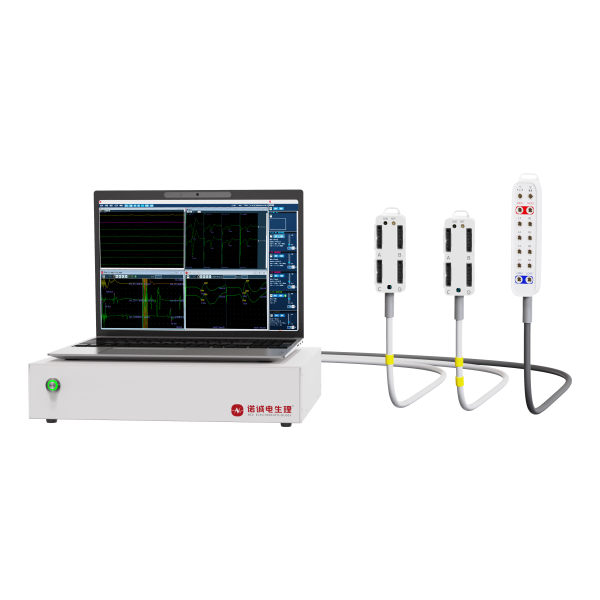
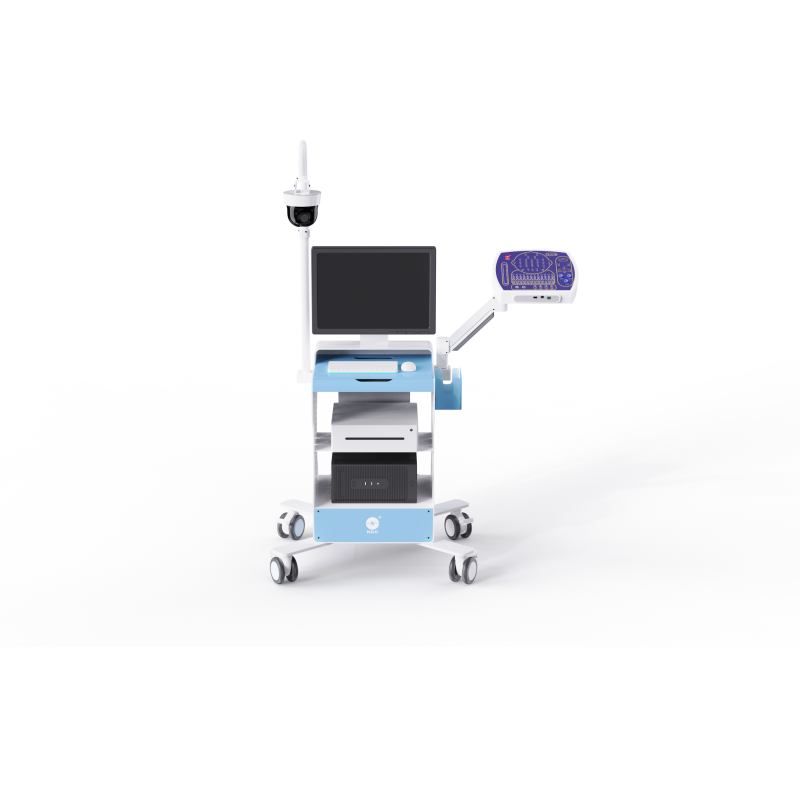
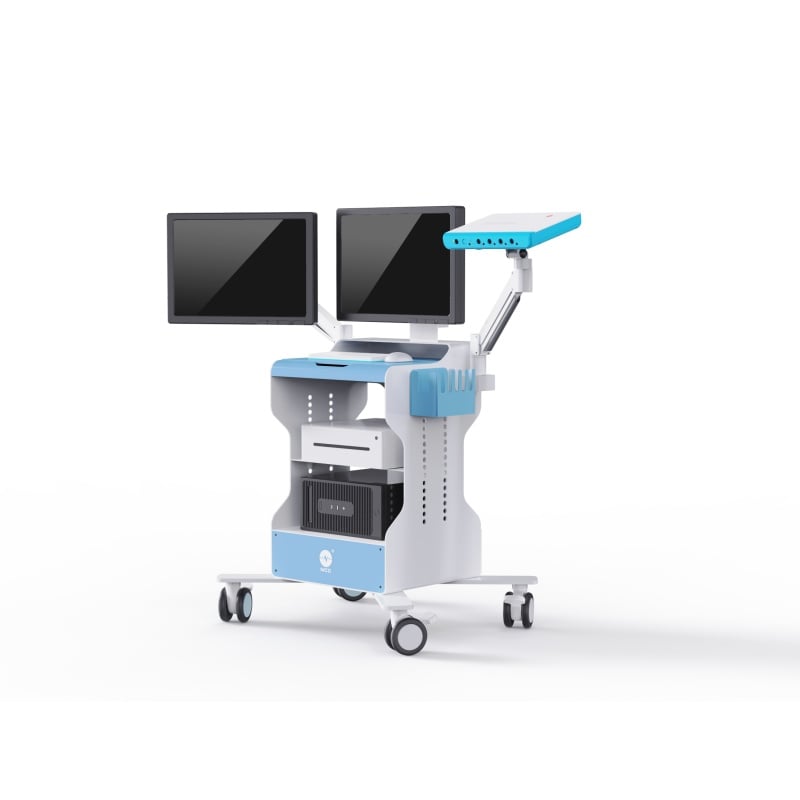
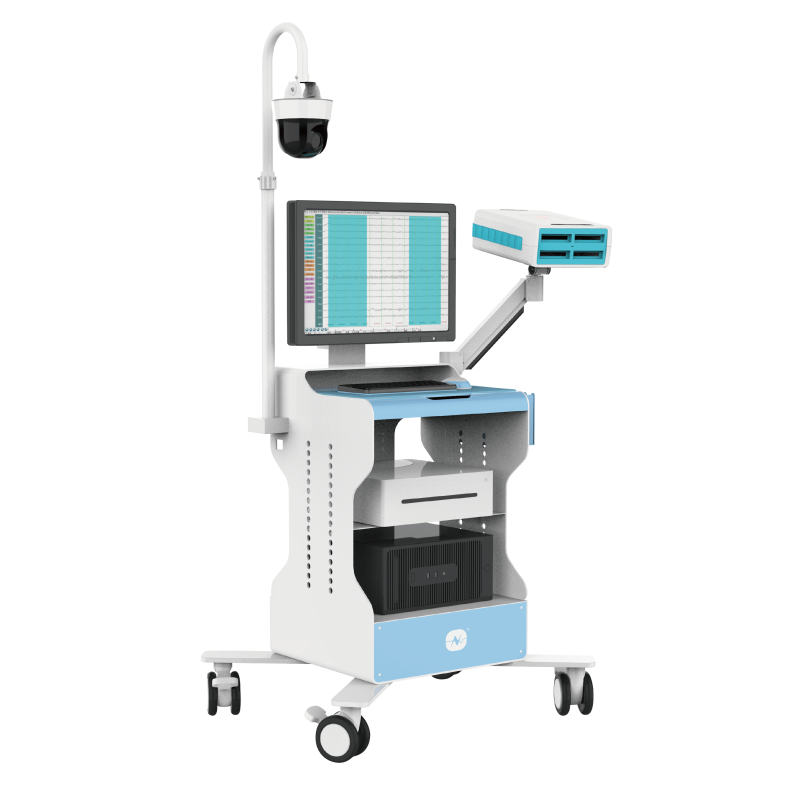
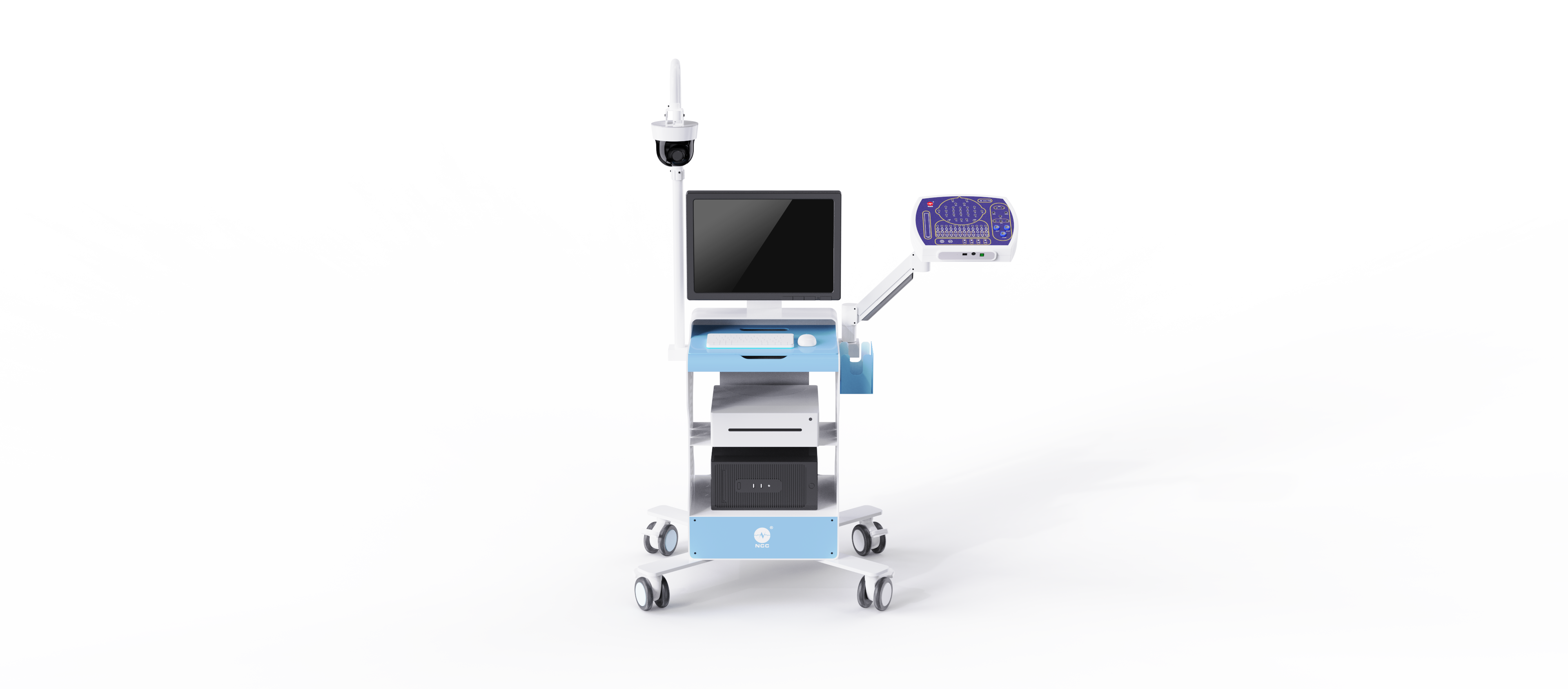
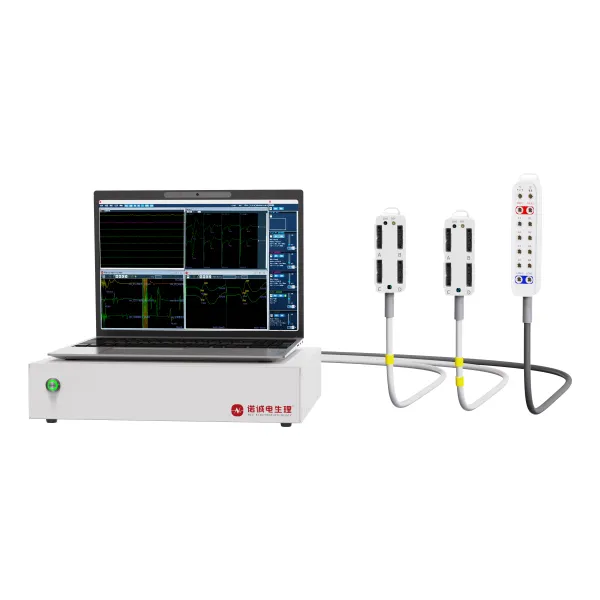
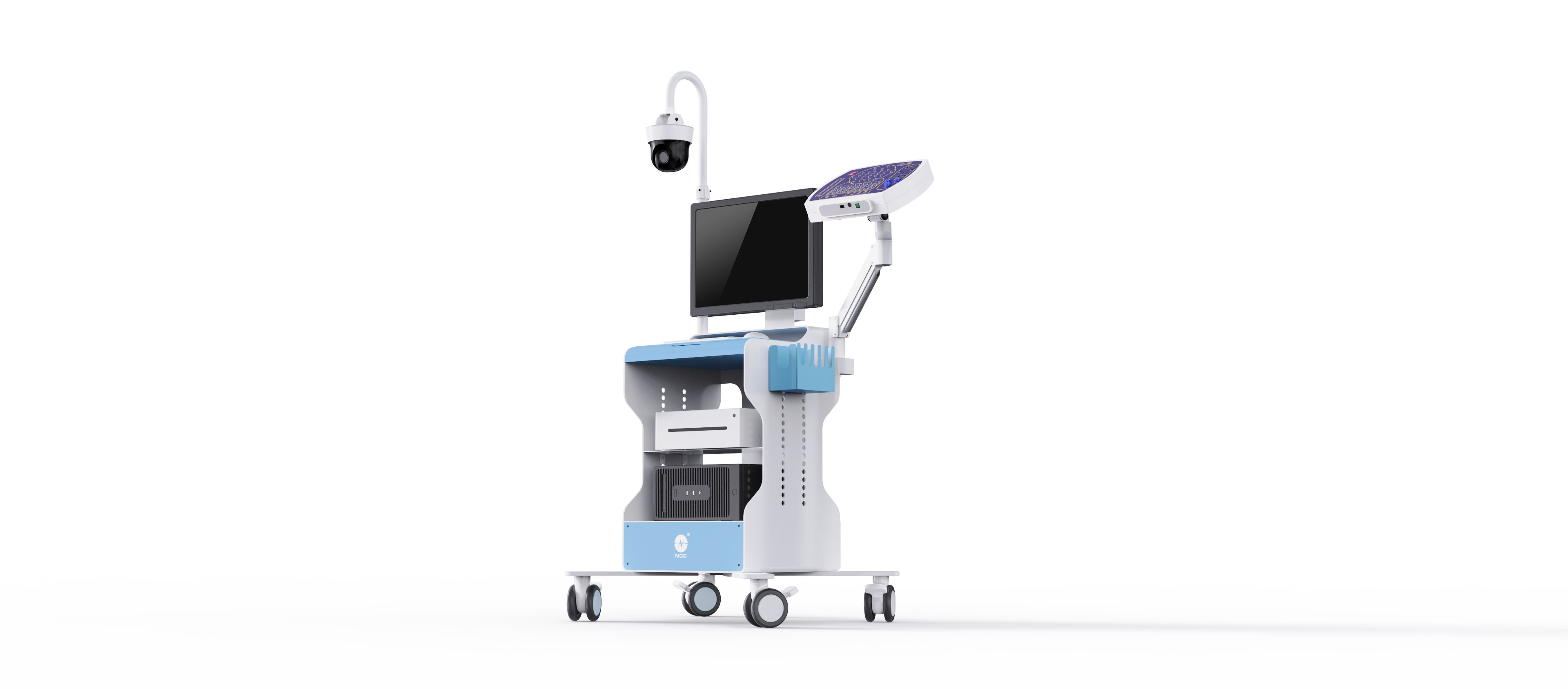
Our Intraoperative Spinal Cord Monitoring solution is a high‑performance, modular platform designed specifically for complex spine and spinal cord surgery. The system combines high‑input‑impedance amplifiers, flexible stimulation modules and robust digital signal processing to deliver reliable SSEP, Tc‑MEP, SCEP, D‑wave and EMG recordings under demanding OR conditions. Hardware for Intraoperative Spinal Cord Monitoring is built with medical‑grade isolation and BF/CF‑type applied parts to ensure patient safety, while low‑noise circuitry and adaptive filters preserve waveform integrity even during electrocautery use. From a workflow perspective, our Intraoperative Spinal Cord Monitoring software provides pre‑configured protocols for deformity correction, intramedullary tumor resection and thoracoabdominal procedures, with quantitative alarm criteria and automated trend analysis.

As a specialist in neuro‑diagnostic and neuromonitoring technology, our group provides comprehensive Intraoperative Spinal Cord Monitoring solutions to hospitals and spine centers worldwide. Founded in 1997, we have built a dual‑hub structure with an innovation‑driven R&D and manufacturing base in Shanghai and a quality and compliance center in Singapore. This configuration allows us to design, test and certify Intraoperative Spinal Cord Monitoring systems that meet stringent international safety and performance standards. Our portfolio covers Intraoperative Spinal Cord Monitoring, brain monitoring, EMG and sleep diagnostics, along with a full range of sterile electrodes and accessories. In production, each Intraoperative Spinal Cord Monitoring unit undergoes multi‑stage calibration, stress testing and functional verification to ensure consistent performance during long, complex procedures. Globally, our solutions are used in teaching hospitals and regional medical centers across more than 50 countries, where Intraoperative Spinal Cord Monitoring has become a key element of advanced spine surgery programs. Through dedicated training centers and an online academy, we support surgeons, anesthesiologists and technologists in adopting Intraoperative Spinal Cord Monitoring as a standard of care, backed by responsive technical service and a growing network of distribution partners.

FAQ

What is Intraoperative Spinal Cord Monitoring and why is it important?

Intraoperative Spinal Cord Monitoring is a multimodal neurophysiological technique used during spine and spinal cord surgery to track the functional integrity of sensory and motor pathways in real time. By combining SSEP, Tc‑MEP, SCEP, D‑wave and EMG, Intraoperative Spinal Cord Monitoring provides continuous feedback on how the spinal cord responds to traction, correction, instrumentation or tumor manipulation. This allows surgeons to detect early signs of ischemia or mechanical compromise and to intervene before changes become irreversible. For hospitals, routine use of Intraoperative Spinal Cord Monitoring helps reduce the incidence of postoperative paralysis or sensory loss and supports a higher standard of perioperative safety.
Intraoperative Spinal Cord Monitoring is most valuable in surgeries where the spinal cord or major pathways are at significant risk, such as scoliosis and kyphosis correction, intramedullary tumor resection, spinal cord cavernoma removal, complex thoracic and thoracoabdominal aortic procedures involving spinal cord perfusion, and high‑risk cervical or thoracic decompressions. In these cases, Intraoperative Spinal Cord Monitoring allows the team to follow functional changes minute by minute instead of relying only on anatomical imaging or postoperative exams. Even in less complex cases, Intraoperative Spinal Cord Monitoring can provide reassurance, document neural stability and support quality assurance programs.
To implement Intraoperative Spinal Cord Monitoring, a hospital needs an appropriate monitoring system, compatible electrodes and stimulation accessories, and a trained team consisting of surgeons, anesthesiologists and neurophysiology technologists. The monitoring platform must support SSEP, Tc‑MEP, SCEP, D‑wave and EMG, and it should offer templates tailored to Intraoperative Spinal Cord Monitoring protocols. Anesthesiologists must follow regimens that preserve reliable evoked responses, and technologists must be proficient in electrode placement, parameter adjustment and artifact management. With vendor‑provided installation, training and clinical support, most institutions can integrate Intraoperative Spinal Cord Monitoring into their existing OR workflows without major structural changes.

More Posts

Clinical Value and Risk Management in Medical Institution Procurement of Bluetooth EEG Headsets

05

Mar

Clinical Value and Risk Management in Medical Institution Procurement of Bluetooth EEG Headsets

In recent years, the bluetooth EEG headset has transitioned from a consumer-focused neurotechnology accessory to a clinically relevant medical device category. The growing demand for sleep diagnostics, cognitive disorder screening, pediatric neurolog...
View More
Clinical Value and Compliance Assurance of Intraoperative Neuromonitoring Equipment

05

Mar

Clinical Value and Compliance Assurance of Intraoperative Neuromonitoring Equipment

Intraoperative neuromonitoring equipment is not merely an accessory in modern surgery; it is a real-time decision-support system positioned at the intersection of neurophysiology, surgical precision, and medico-legal accountability. In the operating ...
View More
Key Points in Procurement and Technical Applications of Spinal Monitoring Equipment

05

Mar

Key Points in Procurement and Technical Applications of Spinal Monitoring Equipment

In spinal surgery, neurological injury is rarely dramatic in the moment it occurs. More often, it is silent, progressive, and irreversible by the time it becomes clinically apparent. This is precisely why spinal monitoring has become a standard of ca...
View More
Compliance Audit and Procurement Considerations for Ambulatory EEG Equipment in Tender Agency

05

Mar

Compliance Audit and Procurement Considerations for Ambulatory EEG Equipment in Tender Agency

Public tender projects for ambulatory EEG equipment are rarely decided by marketing narratives or clinical demonstrations. They are decided by line-by-line technical verification. In most public hospital tenders, evaluation panels are composed primar...
View More

Customer Reviews

Dr. Jason Lee, Spine Surgeon

“After we introduced Intraoperative Spinal Cord Monitoring for our complex deformity cases, the way we manage intraoperative risk changed completely. In one severe scoliosis correction, a sudden Tc‑MEP drop detected by Intraoperative Spinal Cord Monitoring prompted us to release correction and raise blood pressure; signals recovered and the patient woke up with intact motor function. The multimodal setup is now routine for our high‑risk cases, and the team trusts the trends and alarms generated by Intraoperative Spinal Cord Monitoring when making critical decisions.”

Dr. Maria Rossi, Neurosurgeon

“Intramedullary tumor surgery is always a balance between aggressive resection and preserving function. With Intraoperative Spinal Cord Monitoring combining SSEP, Tc‑MEP and D‑wave, I feel much more confident about how far I can safely go. Intraoperative Spinal Cord Monitoring has helped me continue resection when central signals were stable and, in other cases, stop in time when changes reached our alarm thresholds. This technology has become indispensable in our spinal oncology program.”

Mr. Robert Nguyen, OR Manager

“From an operational standpoint, adopting Intraoperative Spinal Cord Monitoring across our spine service line has been a strong investment. The platform’s procedure templates and integrated reporting keep setup times reasonable, and the quantifiable alarms from Intraoperative Spinal Cord Monitoring make communication between surgeons, anesthesiologists and technologists more efficient. Our administration values the documented reduction in neurological complications and the reputational benefit of offering state‑of‑the‑art Intraoperative Spinal Cord Monitoring to our patients.”

Get a Free Quote

Our representative will contact you soon.
Email
Name
Mobile
Your Role
Company Name
Message
0/1000
Multimodal Coverage with Intraoperative Spinal Cord Monitoring

Multimodal Coverage with Intraoperative Spinal Cord Monitoring

Intraoperative Spinal Cord Monitoring combines SSEP, Tc‑MEP, SCEP, D‑wave and EMG in a single system, providing a comprehensive view of dorsal and ventral pathways from cortex to peripheral muscles. This broad coverage allows Intraoperative Spinal Cord Monitoring to detect subtle functional changes early and to guide intraoperative interventions that protect long‑term neurological outcomes.
Quantitative Alarms and Standardized Decision Support

Quantitative Alarms and Standardized Decision Support

By embedding evidence‑based thresholds into software, Intraoperative Spinal Cord Monitoring transforms raw waveforms into actionable decision support. When amplitude reductions or latency shifts exceed preset limits, Intraoperative Spinal Cord Monitoring triggers clear audio‑visual alerts, helping teams respond quickly and consistently to evolving spinal cord risk during surgery.
Workflow-Friendly Design for Routine Clinical Use

Workflow-Friendly Design for Routine Clinical Use

Modern platforms make Intraoperative Spinal Cord Monitoring practical for everyday clinical use through intuitive interfaces, procedure‑specific templates and automated reporting. As a result, Intraoperative Spinal Cord Monitoring can be integrated into standard OR workflows without significant delays, enabling hospitals to apply advanced monitoring not only in rare cases but as a routine safety layer in complex spine surgery.

Copyright © NCC Medical Co., Ltd.  -  Privacy policy