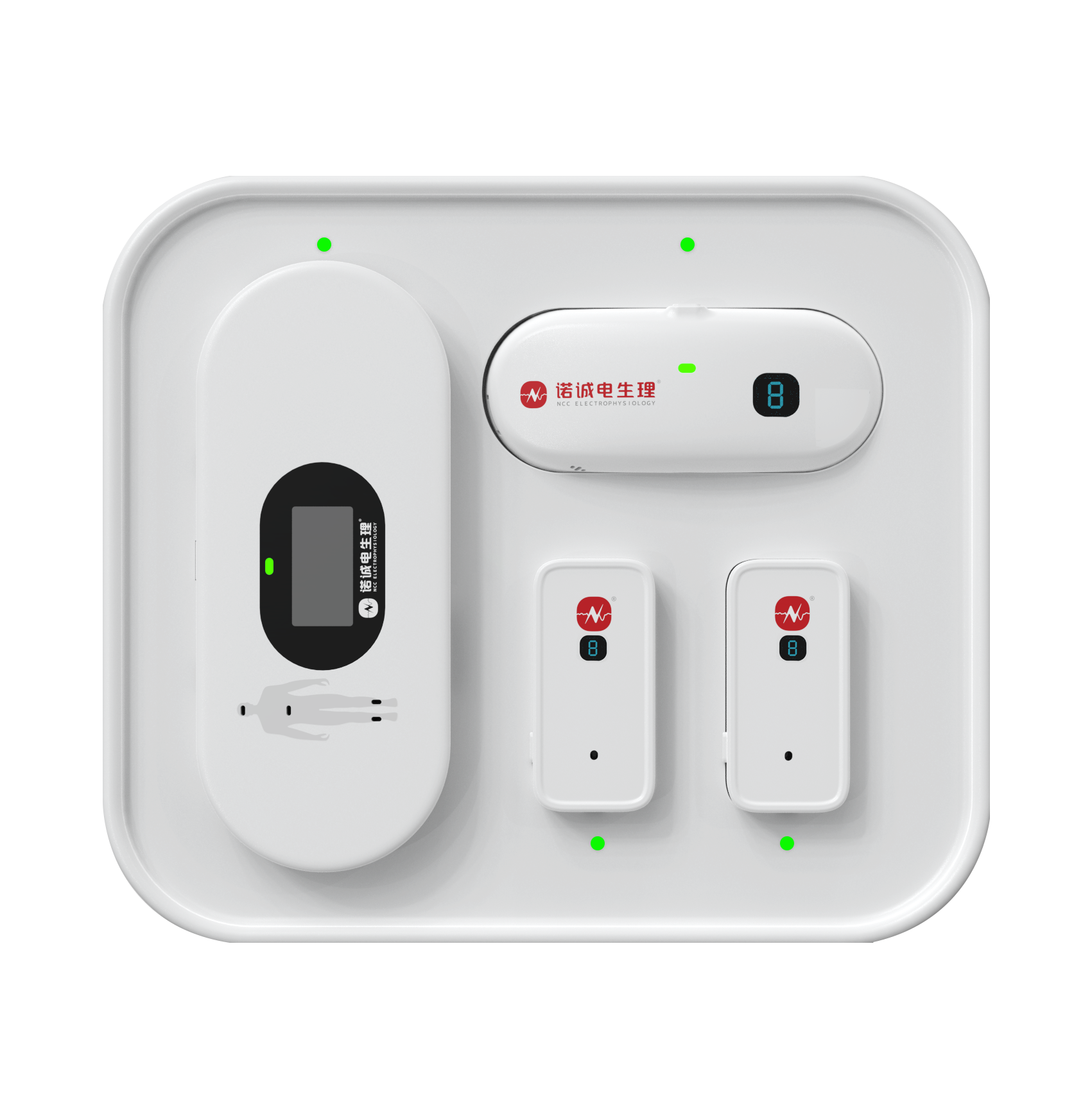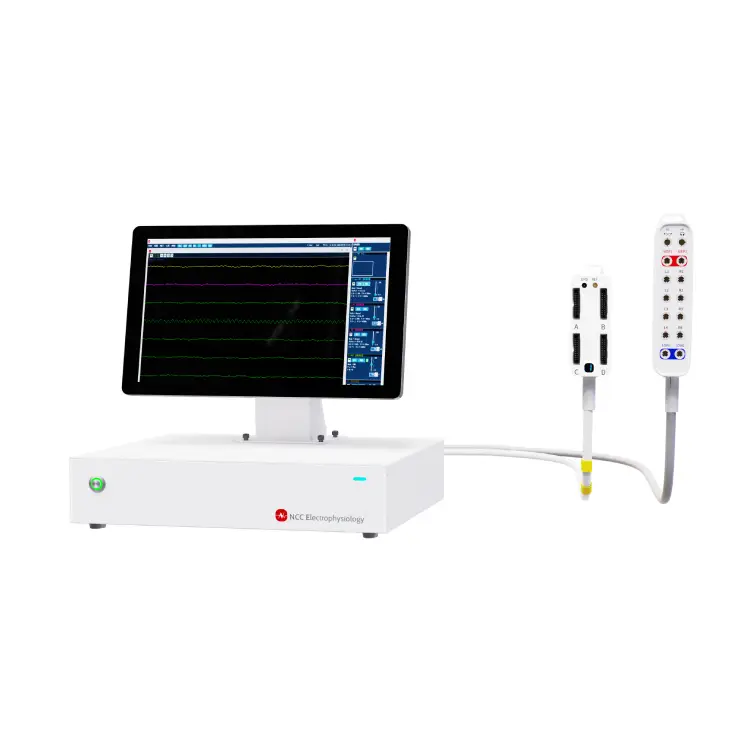
Capturing Critical Events in the Patient's Natural Environment
Many neurological events—such as seizures, transient loss of consciousness, or episodic cognitive disturbances—are intermittent and unpredictable. A routine 30-minute EEG conducted in the sterile clinic environment often fails to capture these paroxysmal events, leading to diagnostic delays, misdiagnosis (e.g., epilepsy vs. psychogenic non-epileptic spells), and suboptimal treatment.
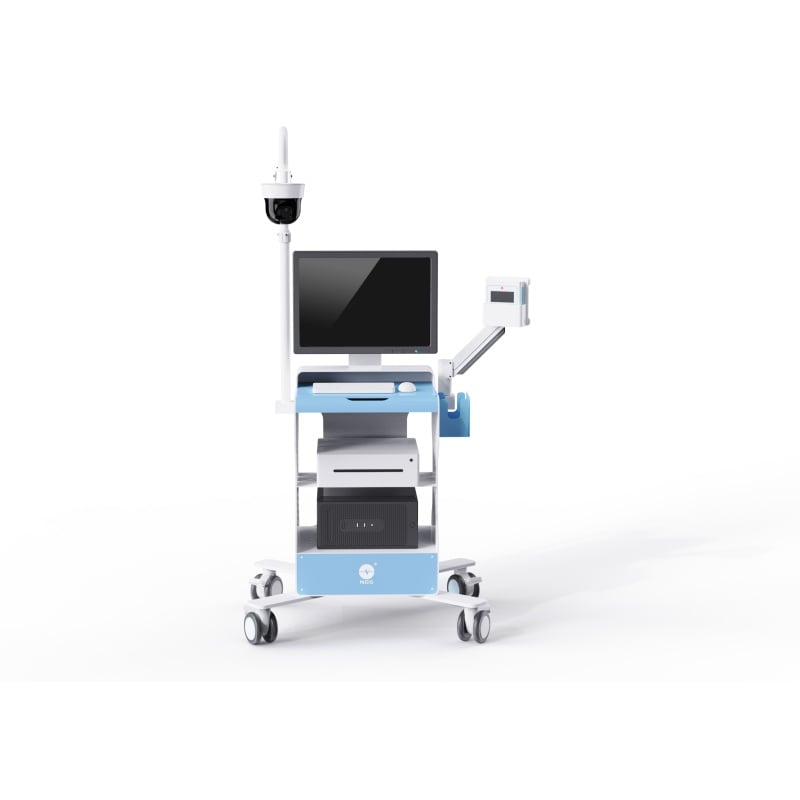
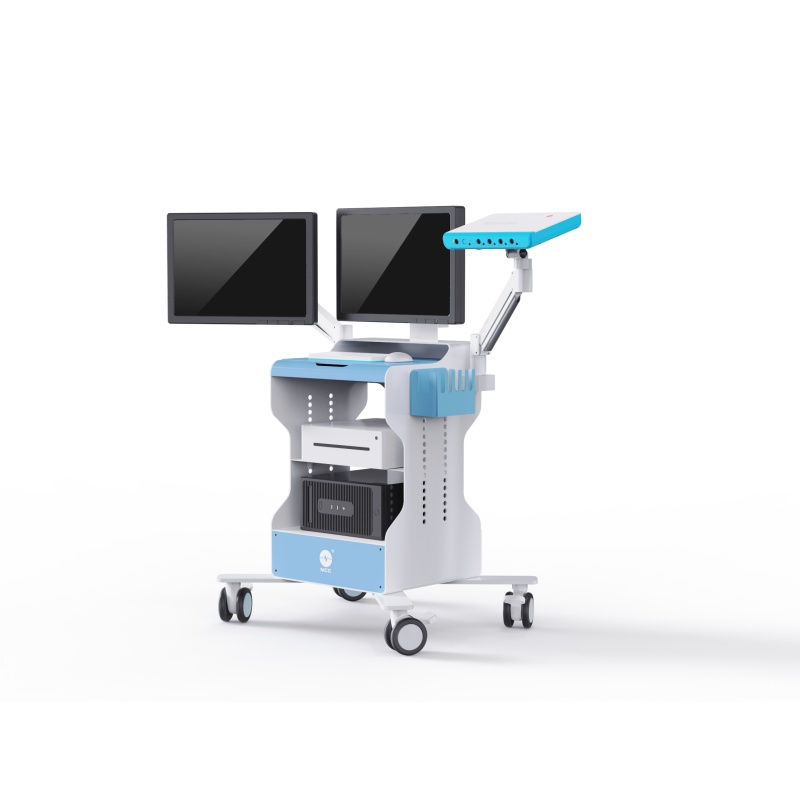
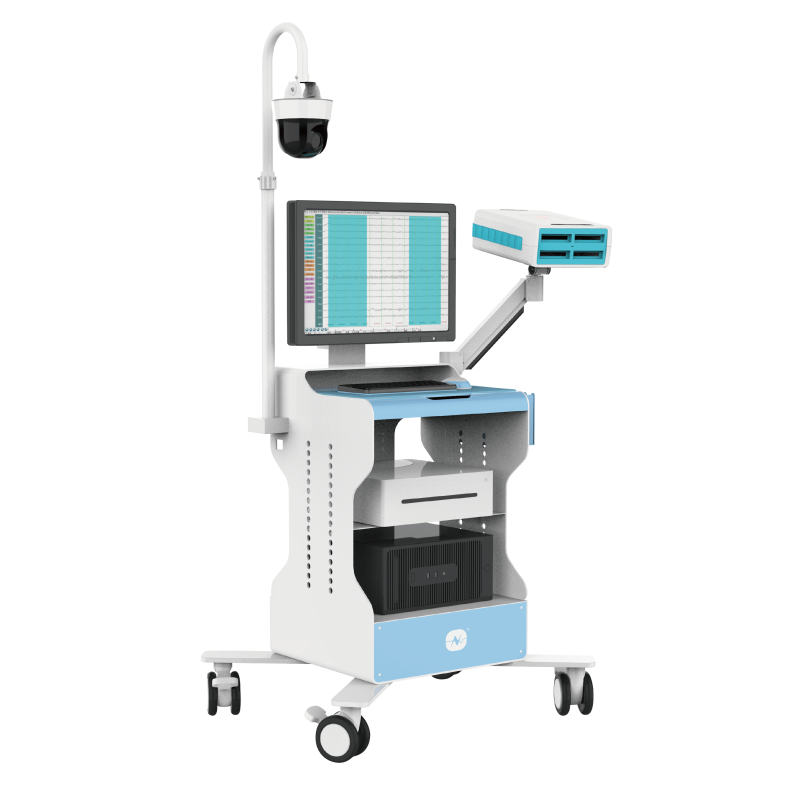
The NCC EEG System is designed to bridge this critical diagnostic gap by providing:
Continuous, Long-Term EEG Monitoring in the Patient's Home Environment.
This approach captures the brain's electrical activity over 24-72 hours, significantly increasing the likelihood of capturing clinically relevant events and providing the data needed for a definitive diagnosis and personalized treatment plan.
Modern neurological diagnosis for paroxysmal events relies on a multi-faceted approach, with Ambulatory EEG serving as the cornerstone of functional correlation.
|
Diagnostic Tier |
Key Modalities |
Function & Clinical Significance |
|
Clinical History |
Patient & Witness Interview |
Provides the initial narrative and description of events (The Starting Point). |
|
Functional Correlation |
Ambulatory EEG |
Correlates the patient's subjective symptoms and clinical events with objective EEG data, confirming or ruling out an electrographic basis (The Diagnostic Arbiter). |
|
Structural & Metabolic |
MRI, CT, Bloodwork |
Rules out structural lesions or systemic metabolic causes (The Rule-Out Tools). |
The Evolution of Seizure Monitoring:
|
Monitoring Paradigm |
Focus |
Status Upgrade |
|
Routine Clinic EEG |
Snapshot in Time |
Often Inconclusive |
|
Ambulatory EEG |
Continuous, Real-World Correlation |
The Diagnostic Standard for Paroxysmal Events |
Diagnostic Power of Ambulatory EEG Across Clinical Scenarios
The NCC Ambulatory EEG system is indispensable for diagnosis, classification, and management in a variety of clinical contexts:
|
No. |
Clinical Scenario / Indication |
The Critical Diagnostic Value |
Definitive Clinical Benefit |
|
01 |
Epilepsy Diagnosis & Seizure Classification |
Captures interictal epileptiform discharges (IEDs) and clinical seizures to confirm diagnosis and classify seizure type (focal vs. generalized). |
Enables accurate diagnosis and selection of the most appropriate anti-seizure medication. |
|
02 |
Differentiating Epileptic vs. Non-Epileptic Events (PNES) |
The gold standard for determining if spells with altered awareness or movement have an electrographic correlate. |
Prevents misdiagnosis and unnecessary medication, directing patients to correct psychological therapy. |
|
03 |
Assessment of Treatment Efficacy |
Quantifies seizure frequency and pattern in response to medication adjustments, dietary therapy (e.g., ketogenic diet), or other interventions. |
Provides objective data to guide and optimize therapeutic strategies. |
|
04 |
Pre-Surgical Evaluation for Epilepsy |
Helps localize the epileptogenic zone by capturing habitual seizures in the outpatient setting as part of a comprehensive workup. |
Contributes critical data for determining surgical candidacy and planning. |
|
05 |
Evaluation of Sleep Disorders & Nocturnal Events |
Correlates abnormal behaviors, arousals, or daytime sleepiness with EEG patterns during sleep. |
Aids in diagnosing sleep-related hypermotor epilepsy, parasomnias, and other sleep-wake disorders. |
The Definitive Benefits of NCC Ambulatory EEG
Our Ambulatory EEG technology provides "Diagnostic Clarity," transforming patient management and outcomes:
Higher Diagnostic Yield: Extended recording times dramatically increase the probability of capturing infrequent but critical events, leading to faster and more accurate diagnoses.
Real-World Correlation: Monitoring in the patient's home environment captures triggers and events that would never occur in a clinic, providing a true picture of their condition.
Personalized Treatment: Objective data on event frequency and type allows for tailored therapeutic interventions and precise assessment of their effectiveness.
Enhanced Patient Comfort & Access: Allows patients to remain in their familiar home environment, reducing the stress and cost associated with prolonged inpatient monitoring.
Discover how [NCC EEG System ] can transform your diagnostic capabilities and patient management strategies.
Copyright © NCC Medical Co., Ltd. - Privacy policy
 EN
EN