Scoliosis Correction Surgery
I. Basic Surgical Information
Surgery Name: Scoliosis Correction Surgery
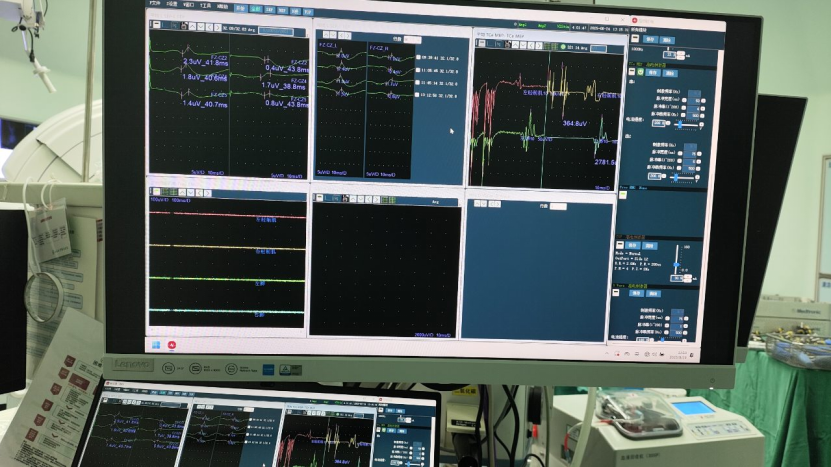
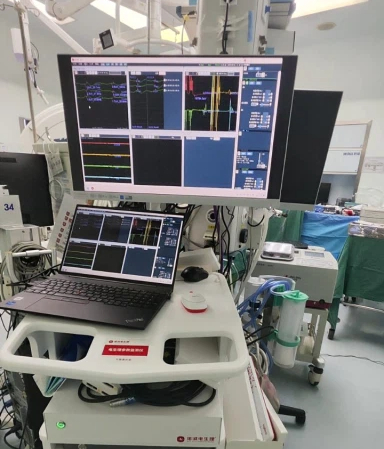
Monitoring Items: Intraoperative Neurophysiological Monitoring (IONM)
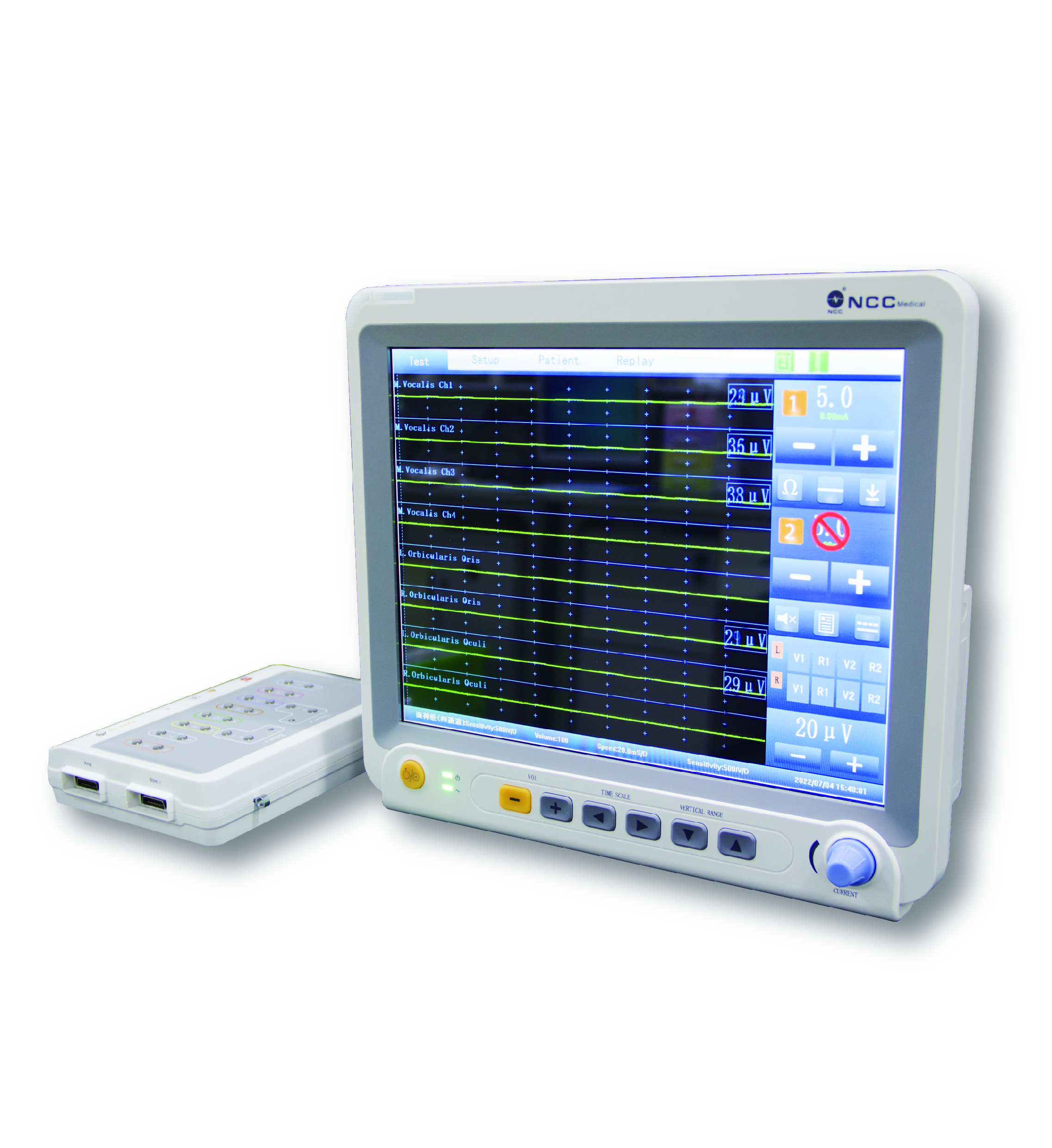
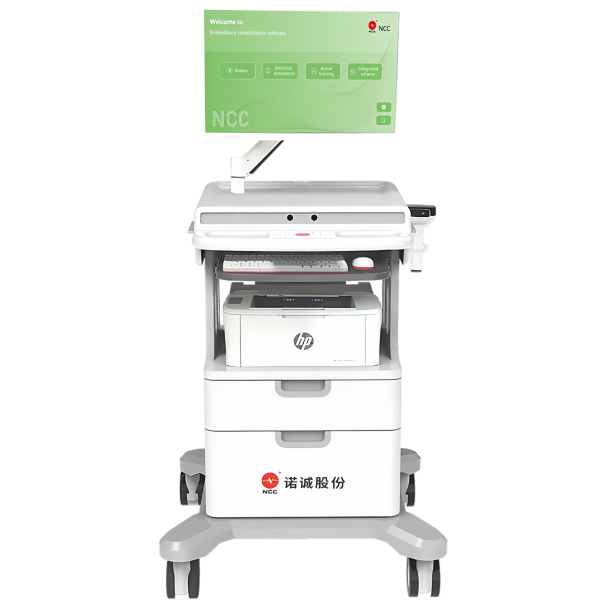
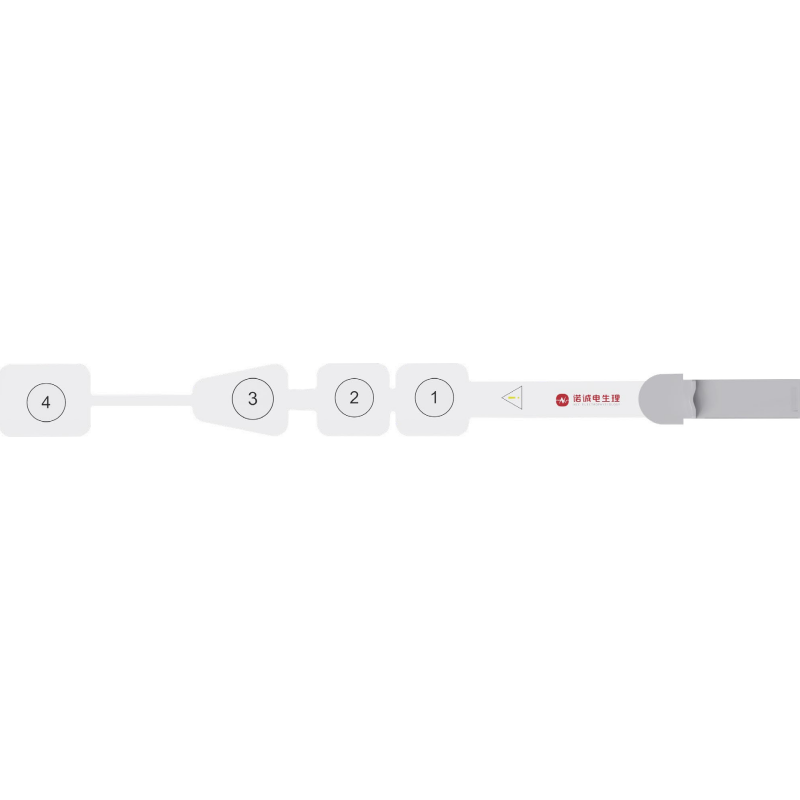
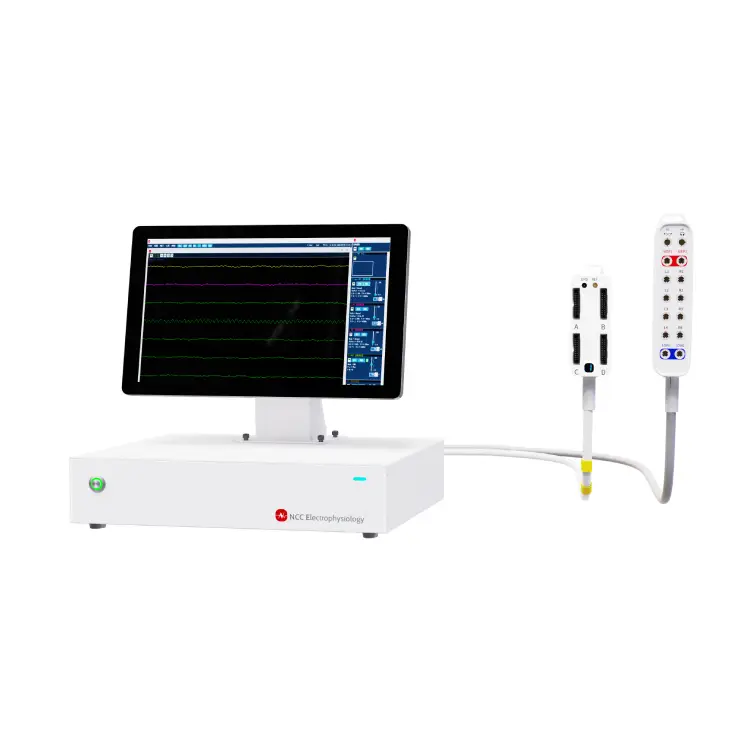
Monitoring Device: Cynapse IONM Intraoperative Nerve Stimulation Monitor
Surgical Levels: Thoracic 11 -- Lumbar 5 (T11--L5)
Anesthesia Method: General Anesthesia (Inhalation + Intravenous Composite)
Patient Information: Female, 61 years old, low back pain for over 20 years. Admitted due to lumbar degenerative scoliosis.
II. Surgical and Monitoring Overview
(1) Surgical Objective
To perform correction and stabilization of scoliosis via a posterior approach, alleviating pain and restoring spinal balance.
(2) Summary of Surgical Procedure
Posterior exposure of T11--L5 segments;
Successful placement of 14 pedicle screws;
Fusion completed across 3 intervertebral spaces;
Vertebral derotation and scoliosis correction performed;
Surgery completed successfully, with blood loss and operative time meeting expectations.
(3) Monitoring Objective
To continuously assess changes in spinal cord and nerve conduction function during surgery, promptly identify potential injury, guide intraoperative correction and screw placement procedures, and minimize the risk of intraoperative nerve injury.
III. Monitoring Content and Technical Parameters
| Monitoring Module | English Name | Primary Monitoring Purpose | Status and Results |
|---|---|---|---|
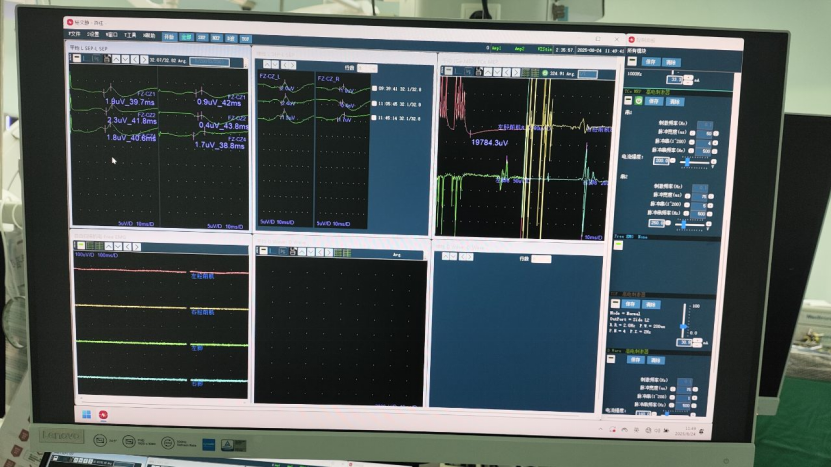
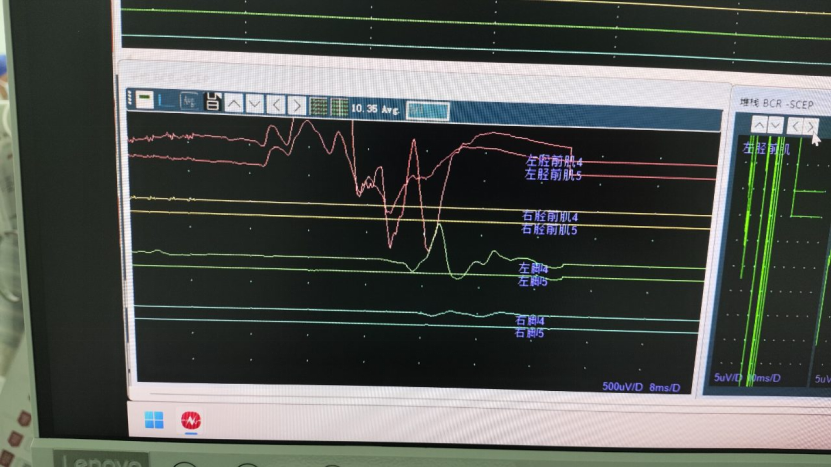
| Free EMG | Free-run Electromyography | Monitor nerve stimulation response during screw placement | Normal waveforms, no abnormal discharges |
| TCeMEP | Transcranial Electrical Motor Evoked Potentials | Monitor motor pathway from cortex to spinal anterior horn | Stable amplitudes in all muscle groups, no significant decrease |
| SEP | Somatosensory Evoked Potentials | Monitor dorsal column spinal cord conduction function | Normal latency and amplitude, no delays or loss |
| D-wave | Direct Wave (Spinal Cord Potential) | Monitor anterior spinal tract conduction function | Clear waveforms, stable amplitude, indicating intact spinal cord function |
 |
 |
|
IV. Summary of Monitoring Results
Monitoring signals remained stable throughout the procedure, with normal device operation;
All monitoring channels (Free EMG, MEP, SEP, D-wave) showed clear waveforms and stable amplitudes;
No alarms for neurological dysfunction or significant waveform changes occurred intraoperatively;
The surgery was completed successfully, with monitoring effectively ensuring the safety of the spinal cord and peripheral nerves.
V. Postoperative Assessment
Postoperative patient was conscious with good limb movement, no numbness or decreased muscle strength;
Monitoring indicated preserved spinal cord and nerve function;
Patient recovered smoothly, with significantly reduced rehabilitation and hospital stay duration; high satisfaction reported by the patient and family.
VI. Summary and Conclusion
Intraoperative neurophysiological monitoring played a crucial real-time protective role in the scoliosis correction surgery:
Effectively prevented nerve injury caused by correction, screw placement, and traction maneuvers;
Enhanced the safety and controllability of the surgical procedure;
Ensured intact postoperative neurological function, significantly reducing the incidence of complications.
Conclusion: The Cynapse IONM system used during this surgery operated stably, provided reliable monitoring results, and offered vital technical support for the success of the procedure.

Copyright © NCC Medical Co., Ltd. - Privacy policy
 EN
EN