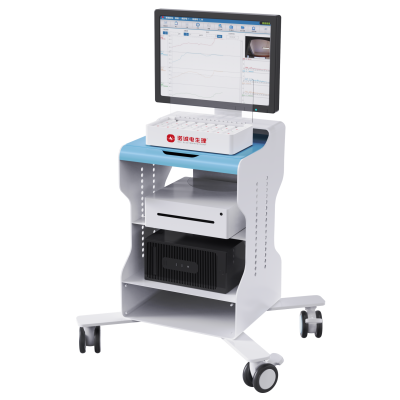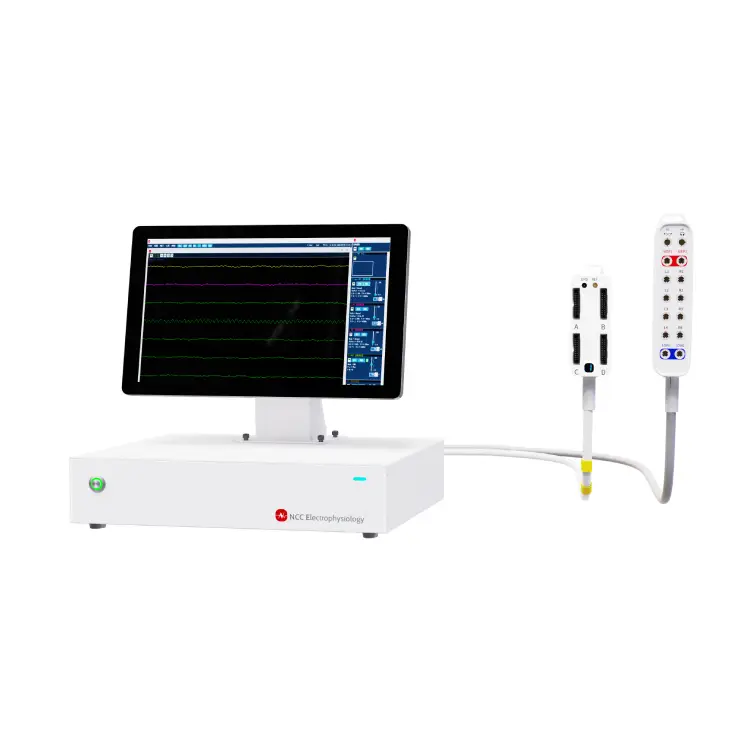
Smart IOM for ENT Surgery: Intelligence for Cranial Nerve Preservation
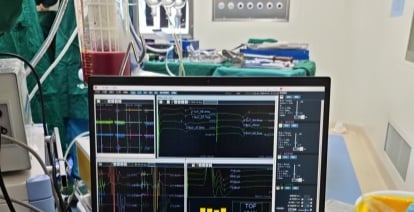
In ENT and head & neck surgeries, the margin for error is minimal. Procedures involving the thyroid, parotid glands, or skull base carry the inherent risk of iatrogenic injury to critical cranial nerves—such as the recurrent laryngeal nerve (RLN) and facial nerve. Such injuries can lead to permanent vocal cord paralysis, facial weakness, or swallowing dysfunction, profoundly impacting a patient’s quality of life.
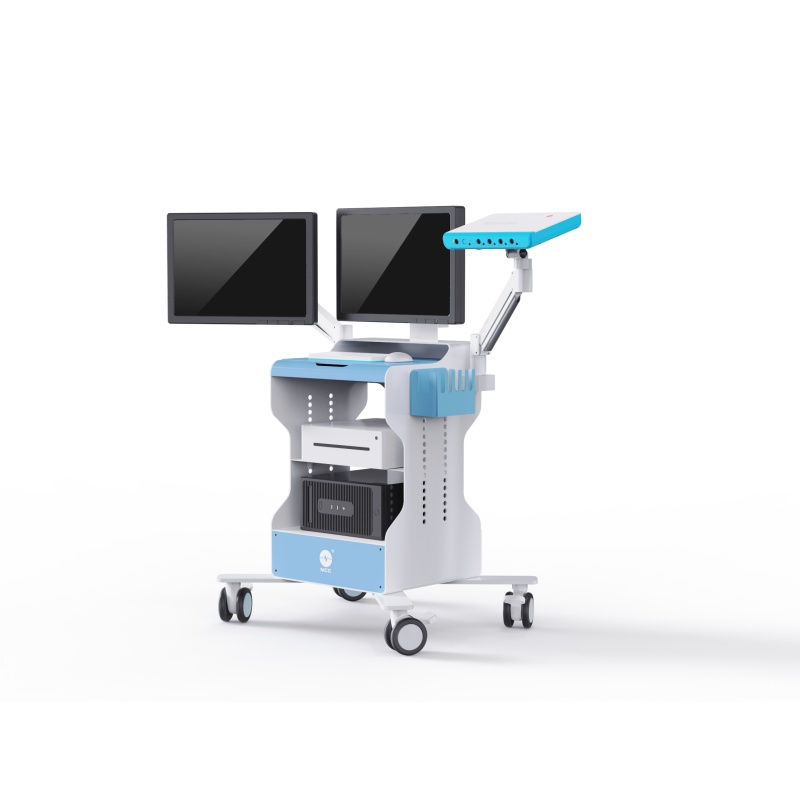
The NCC Smart IOM System is engineered to meet these challenges head-on, delivering not just data, but actionable intelligence through:
Intelligent Intraoperative Monitoring (Smart IOM) as the Functional Guardian in ENT Surgery.
It enables real-time nerve localization, functional integrity assessment, and continuous EMG surveillance—ensuring nerves are identified, preserved, and protected.
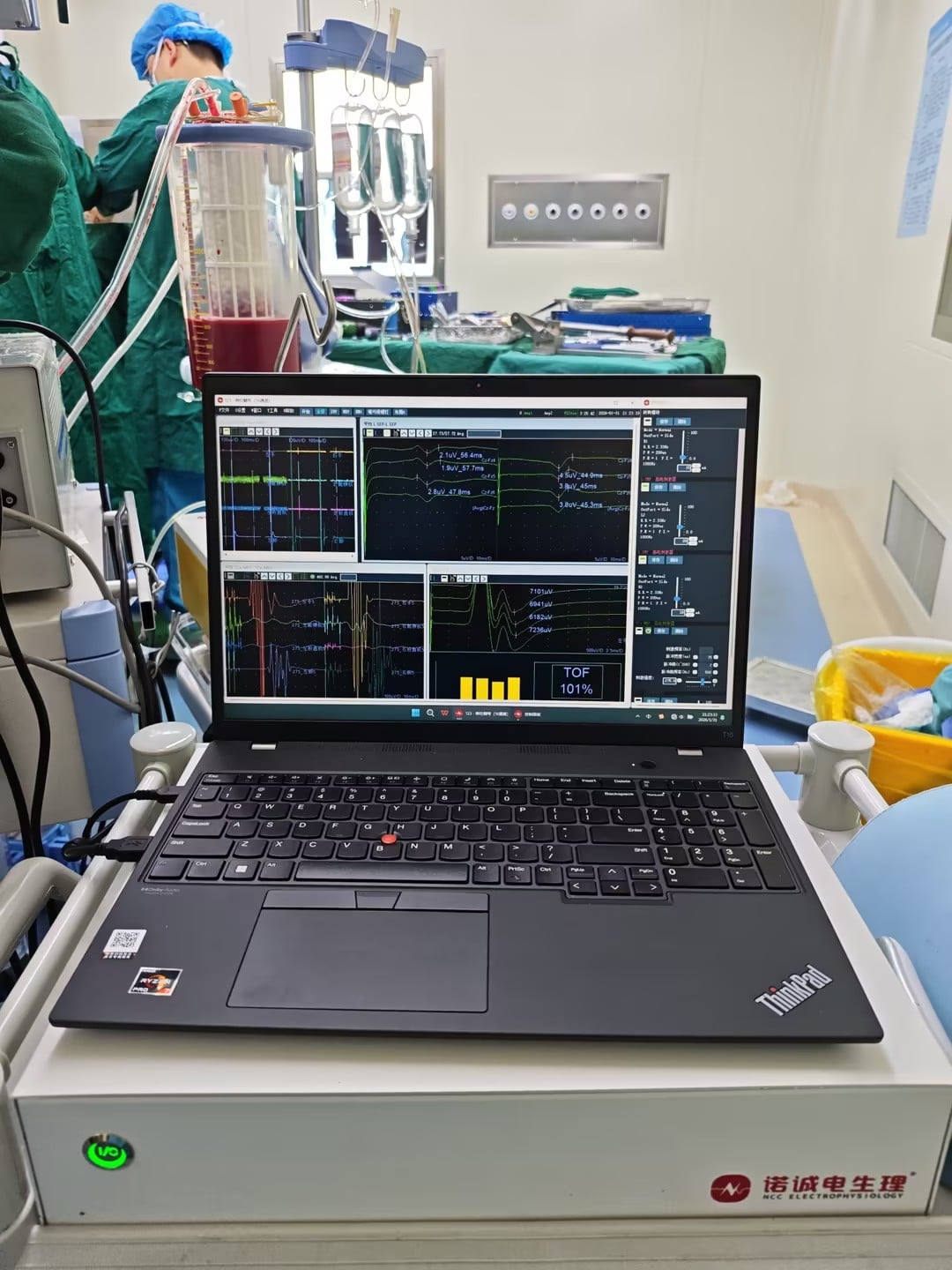
Modern ENT safety is redefined by integrating structural guidance with intelligent functional monitoring.
|
Monitoring Tier |
Key Modalities |
Function & Clinical Significance |
|
Structural |
CT, MRI, Surgical Navigation |
Provides a detailed anatomical roadmap for surgical approach (The Surgical GPS). |
|
Functional |
Smart IONM (cEMG, AEP, VEP, Intelligent Stimulation) |
AI-assisted, continuous mapping and monitoring of cranial nerve function. Provides predictive insights and automated baselining (The Intelligent Guardian). |
|
Physiologic |
BP, HR, RR, SpO₂ |
Maintains systemic homeostasis (The Life Support Foundation). |
Smart IOM in Action: From Mapping to Monitoring
The NCC Smart IOM system delivers precision and safety across a spectrum of ENT procedures:
|
Procedure |
Smart IOM Role |
Clinical Impact |
|
Thyroid/Parathyroid Surgery |
Continuous & stimulated EMG of RLN and vagus nerve; SPR mode for bilateral comparison. |
Prevents vocal cord paralysis through early injury detection. |
|
Parotidectomy |
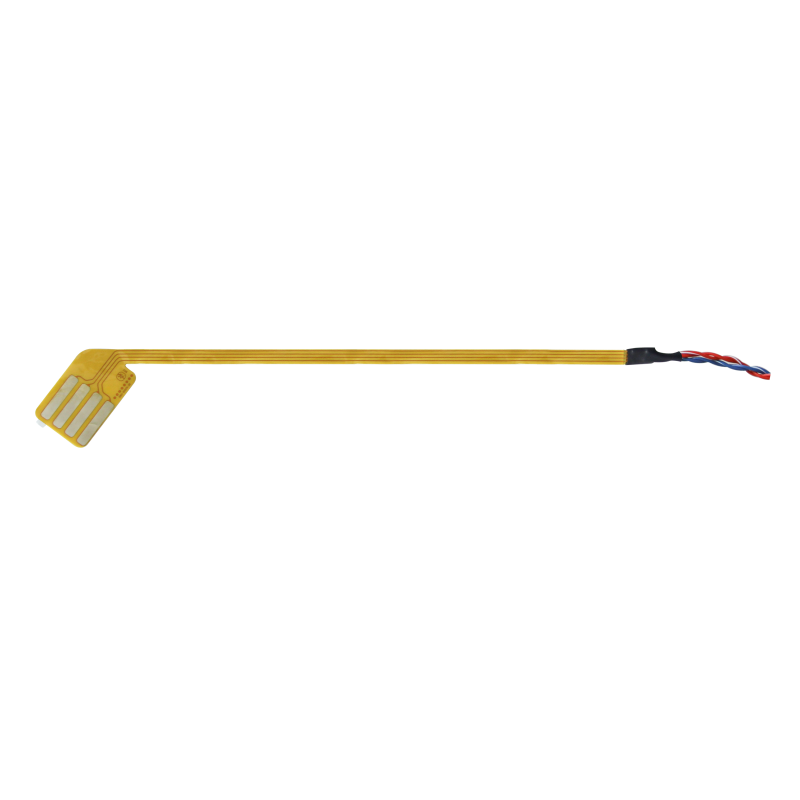
Facial nerve mapping & continuous EMG monitoring via subcutaneous needle electrodes. |
Reduces risk of facial nerve palsy. |
|
Skull Base Surgery |
Multi-cranial nerve monitoring (V, VII, X, XI, XII) with customizable stimulus settings. |
Preserves motor and sensory function during tumor resection. |
|
Neck Dissection |
Spinal accessory (CN XI) and hypoglossal (CN XII) nerve monitoring with real-time alerts. |
Maintains shoulder and tongue function. |
The Definitive Benefits of NCC Smart IOM in ENT Surgery
Our Smart IOM system provides "Intelligent Nerve Navigation," delivering critical functional data that elevates surgical precision and patient outcomes:
Enhanced Surgical Precision: Real-time nerve mapping and continuous EMG monitoring provide unambiguous identification of neural structures, enabling more confident and complete dissection in close proximity to nerves.
Proactive Injury Prevention: The combination of real-time impedance monitoring and customizable stimulation parameters ensures reliable nerve localization and integrity assessment, allowing surgeons to adjust technique before irreversible damage occurs.
Improved Functional Outcomes: Direct preservation of cranial nerve function leads to significantly lower rates of post-operative complications such as vocal cord paralysis and facial nerve palsy, directly improving patient quality of life.
Streamlined Clinical Workflow: The intuitive 15-inch touchscreen interface, quick-operation knob, and surgery-specific default parameters reduce setup time and simplify intraoperative decision-making.
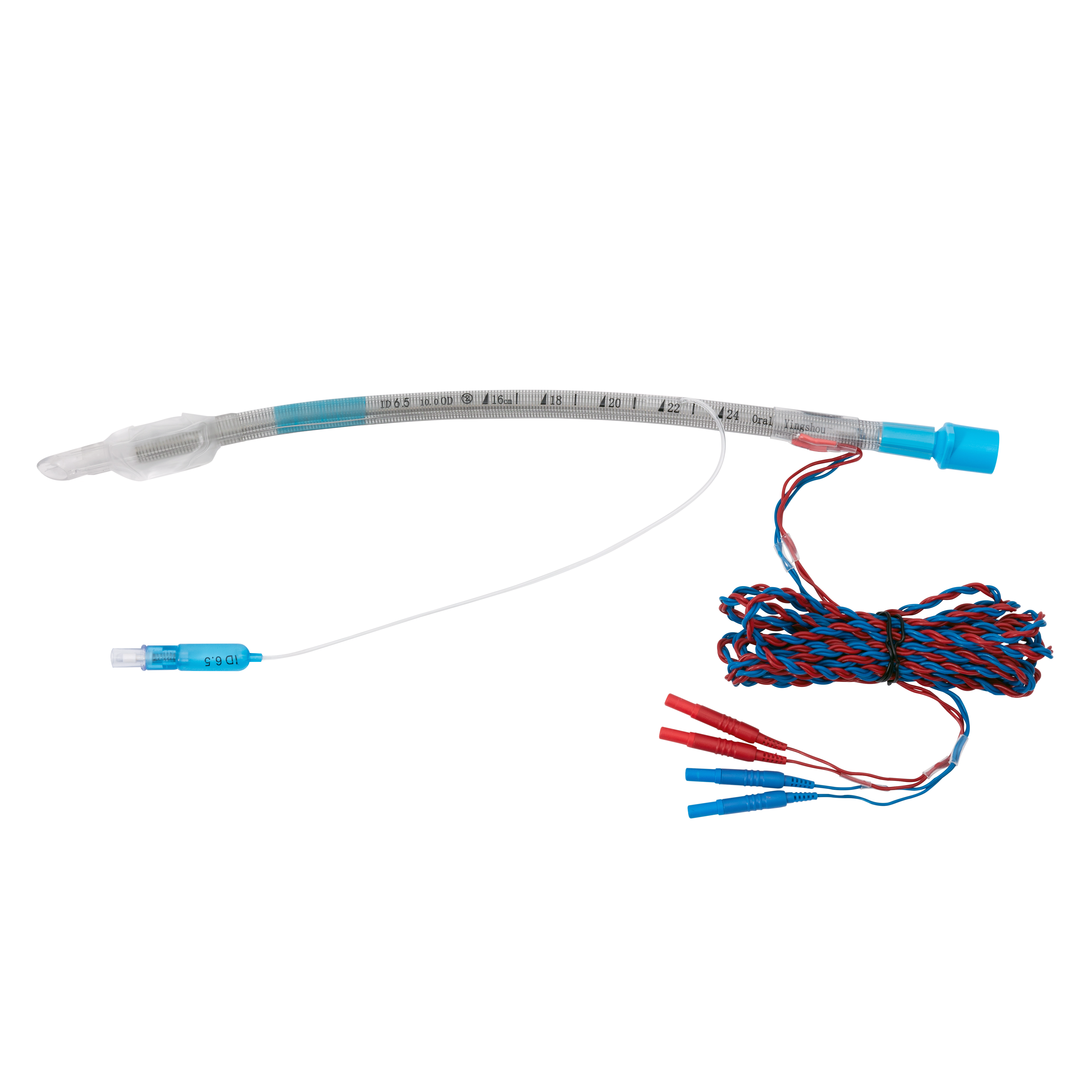
Discover how [NCC Smart IOM & EMG Endotracheal Tube] can transform the safety protocols and outcomes in your ENT Suite.

Copyright © NCC Medical Co., Ltd. - Privacy policy
 EN
EN