2.1 Fine Adjustment of Equipment Modules and Parameters
1. Correct wrong module selection (Root Cause)
The lumbar surgery required the LSEP module for monitoring, yet the Upper Limb Somatosensory Evoked Potential (USEP) module was mistakenly selected. The corresponding cranial signal acquisition area for upper limbs was chosen instead of the correct region for lower limb sensory signals, resulting in misplaced electrodes and distorted waveform capture. Our on-site engineers replaced it with a dedicated LSEP module for lower limb monitoring and precisely repositioned all electrodes.
2. Calibration of filter and grounding settings
The band-pass filter was set at 30–500 Hz, which fully complies with clinical standards. We also inspected all physical grounding circuits and confirmed all connections were intact.
3. Optimize stimulation frequency to suppress power frequency interference
The original default stimulation frequency was 2.33 Hz, which led to slow waveform superposition and prominent noise interference. After multiple field tests, we adjusted the frequency to 4.77 Hz. This setting effectively suppresses 50 Hz power frequency interference in operating rooms and generates smooth, stable monitoring waveforms rapidly.
2.2 In-depth Inspection and Removal of Interference Sources in Operating Room
Aiming at the persistent jagged signal interference, our engineers checked all electrical devices in the operating room one by one, identified major interference sources and took targeted solutions.
1. Primary interference source: Electric operating table
Simply turning off the power of the electric operating table failed to eliminate AC interference. After unplugging the power cord completely, the monitoring waveforms returned to normal immediately, confirming that the electric operating table was the main interference source.
2. Other high-interference medical devices
Further inspection identified four major interference devices on site: the electric operating table, two infusion warmers, cell salvage system and electrosurgical unit. Normal lighting equipment will not cause signal interference if there is no aging or malfunction.
3.Handling of abnormal grounding
On-site tests proved that the original external grounding wire failed to resist interference and even introduced extra noise. During the second surgery, we temporarily removed the external grounding wire, and the signal interference was completely eliminated. This abnormal grounding issue has been reported to our R&D team for further analysis and technical improvement.
Optimization Results & Client Feedback
All optimized solutions were fully implemented during the third lumbar surgery, including disconnecting the electric operating table, replacing with the dedicated monitoring module and applying the optimized parameters. The system operated at an optimal clinical status.
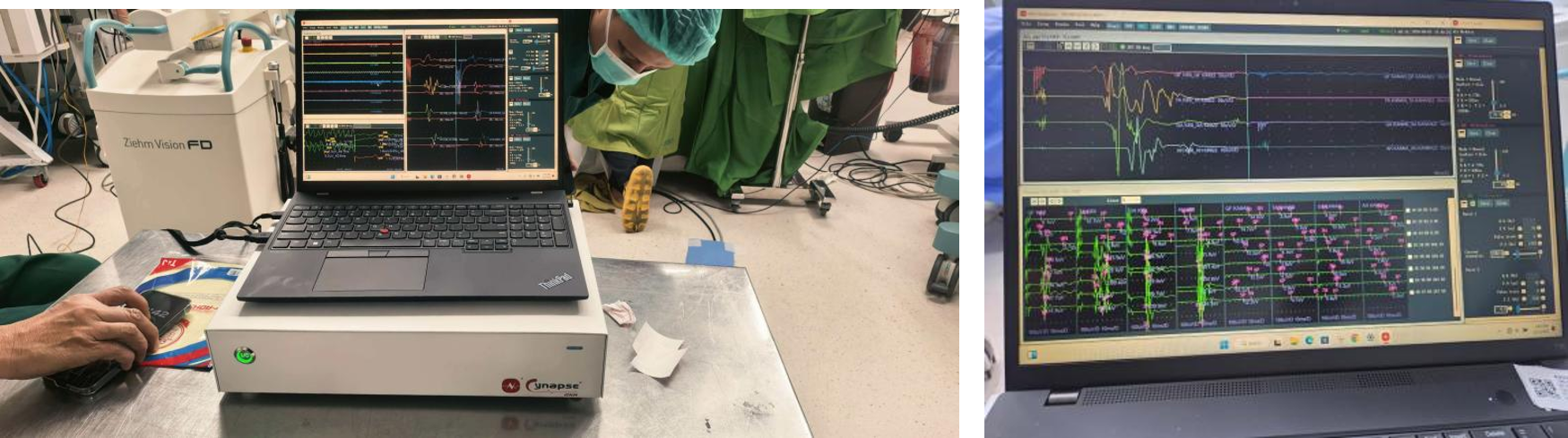
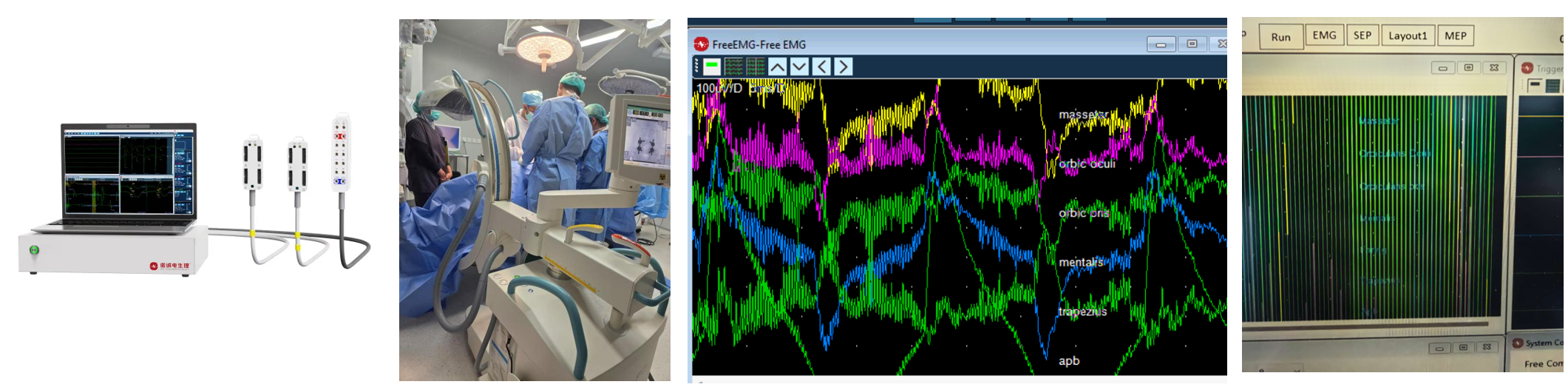
1. High-quality waveforms: The baseline remained stable throughout the operation. The outlines of SEP waveforms were clear with regular peaks and troughs, and all muscle-evoked signals were well arranged.
2. Excellent signal sensitivity: The system could stably collect SEP signals at an ultra-low signal intensity of 2 microvolts, and the baseline of free electromyography scanning was clean without noise.
3. Stable overall performance: All tests including intraoperative pedicle screw monitoring were completed successfully, and all software functions ran steadily.
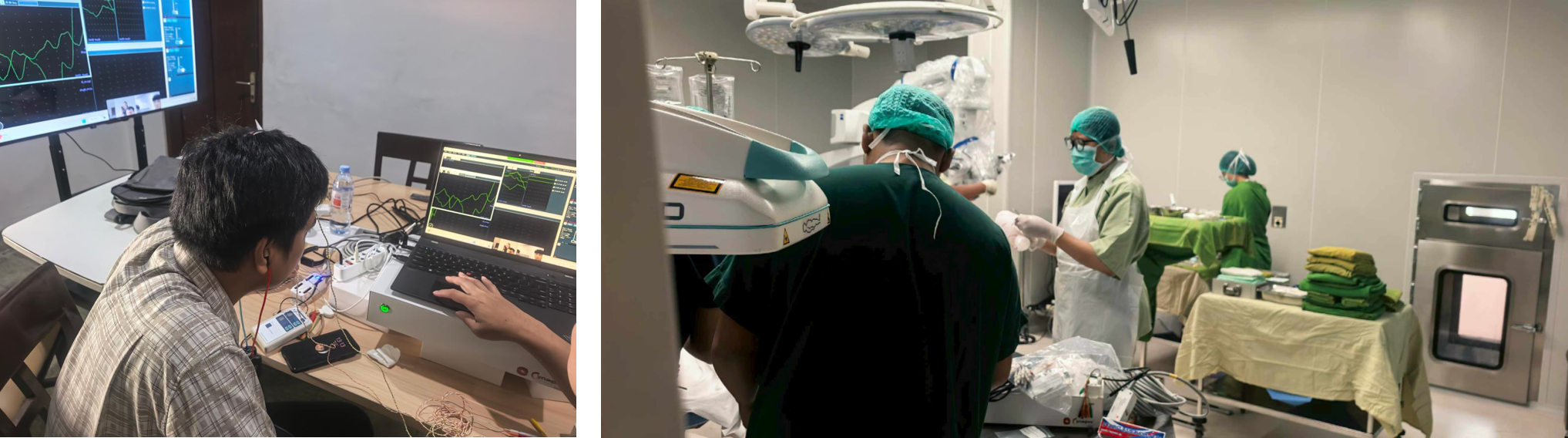
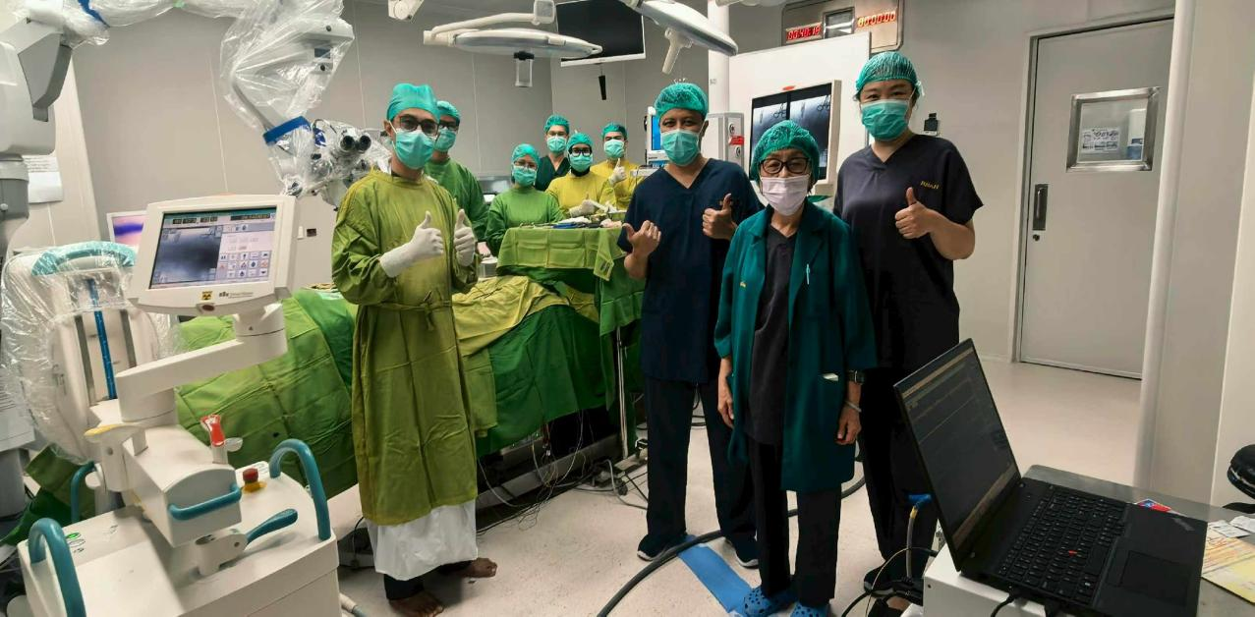
Upon completion of the on-site service, the client spoke highly of our equipment performance, monitoring effect as well as our professional and efficient technical support. We always provide rapid response, on-site troubleshooting and reliable after-sales technical support for all global partners.


 EN
EN