D Wave Spinal Cord Monitoring: Reliable Motor Pathway Tracking for High-Risk Surgery

All Categories

D Wave Spinal Cord Monitoring Solutions for High-Risk Spinal Tumor and Deformity Surgery

D Wave Spinal Cord Monitoring is a specialized intraoperative neuromonitoring approach that records corticospinal tract responses directly from the spinal cord, providing stable, anesthesia‑resistant signals during complex spinal procedures. By combining D Wave Spinal Cord Monitoring with Tc‑MEP, SSEP, SCEP and free‑running EMG, surgeons gain a full picture of motor and sensory pathway integrity, especially in high‑risk intramedullary tumor resections where muscle MEPs may be lost or unreliable. D Wave Spinal Cord Monitoring offers a powerful predictor of long‑term motor outcome, helping surgeons balance maximal resection with functional preservation and giving hospitals an advanced tool to reduce neurological complications in demanding spinal cases.
Get A Quote

D Wave Spinal Cord Monitoring

From a supplier’s perspective, D Wave Spinal Cord Monitoring represents the most advanced level of spinal cord functional surveillance available for modern operating rooms. Compared with muscle‑based MEP alone, D Wave Spinal Cord Monitoring captures direct corticospinal tract activity through epidural or subdural electrodes, providing a more stable and anesthesia‑tolerant signal that correlates closely with long‑term motor outcomes. When integrated into a multi‑modal IONM platform, D Wave Spinal Cord Monitoring becomes the central decision‑making reference during intramedullary tumor resections, deformity corrections, and other high‑risk interventions. This gives hospitals and surgeons an evidence‑based, quantitative foundation for intraoperative decisions, supports more aggressive yet safe resections, and strengthens their reputation for delivering state‑of‑the‑art spinal care.

D Wave Monitoring Directly Reflects Motor Pathway Status

The primary advantage of D Wave Spinal Cord Monitoring is its ability to directly assess corticospinal tract integrity instead of relying solely on muscle responses that are influenced by anesthesia, neuromuscular blockade, and peripheral factors. In D Wave Spinal Cord Monitoring, transcranial electrical stimulation elicits descending volleys that are recorded from epidural or subdural electrodes placed near the spinal cord. These D‑waves represent summed action potentials in the corticospinal tract and remain relatively stable even when myogenic MEPs disappear. As a result, D Wave Spinal Cord Monitoring provides a more reliable indicator of long‑term motor function, allowing surgeons to continue resecting intramedullary tumors safely when muscle responses are suppressed but D‑wave amplitude is preserved above critical thresholds.

D Wave Monitoring Supports Predictable Postoperative Recovery

Another key strength of D Wave Spinal Cord Monitoring is its proven prognostic value for long‑term motor outcomes after intramedullary spinal cord surgery. Clinical studies have shown that preservation of D‑wave amplitude above a certain percentage of baseline is strongly associated with good postoperative motor function, even in cases where muscle MEPs are absent at the end of surgery. By implementing D Wave Spinal Cord Monitoring as part of a standardized intraoperative protocol, hospitals can provide patients and families with more accurate expectations regarding recovery and can document objective criteria guiding surgical decisions. For surgeons, this prognostic power means that D Wave Spinal Cord Monitoring can justify continuation of resection in difficult cases and, conversely, can prompt timely cessation of tumor removal when D‑wave changes suggest high risk of permanent deficit. This evidence‑based framework strengthens clinical confidence and medico‑legal defensibility.

D Wave Monitoring Complements MEP, SSEP and SCEP

D Wave Spinal Cord Monitoring is particularly valuable when integrated with other modalities such as Tc‑MEP, SSEP, and SCEP, creating a multimodal monitoring strategy that minimizes blind spots. While SSEP focuses on dorsal column sensory pathways and muscle MEPs provide information about peripheral motor output, D Wave Spinal Cord Monitoring targets the central corticospinal tract. This complementary coverage allows the monitoring team to distinguish between reversible and irreversible changes and to differentiate technical or anesthetic factors from true structural injury. In deformity correction or vascular procedures, combining D Wave Spinal Cord Monitoring with SCEP can facilitate early detection of ischemia and guide interventions like blood pressure adjustment or hardware modification.

Related Products

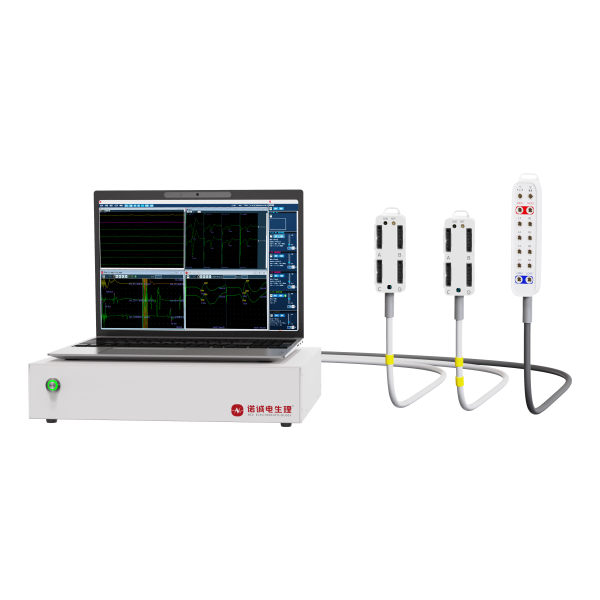
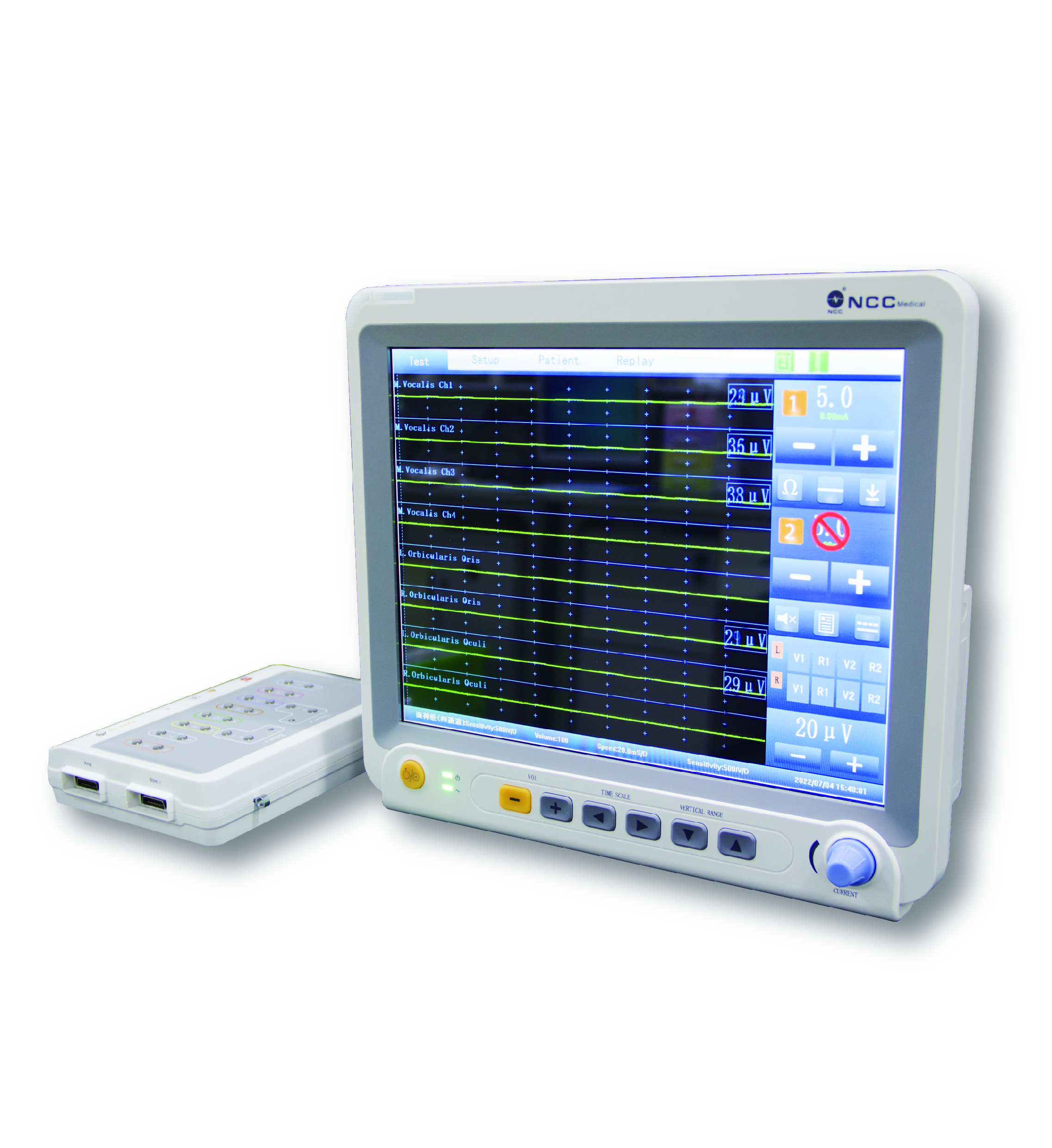
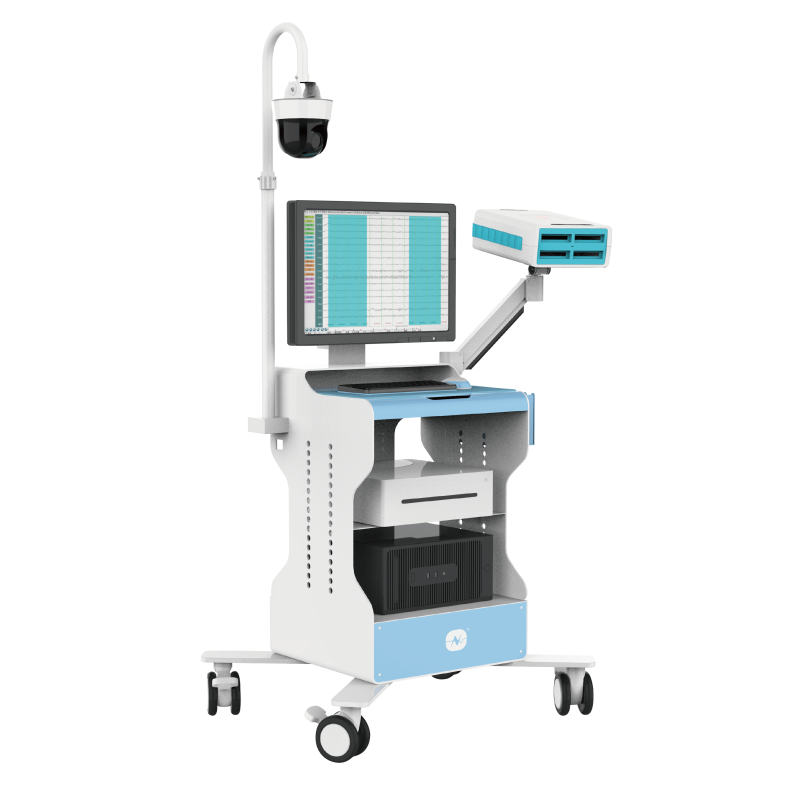
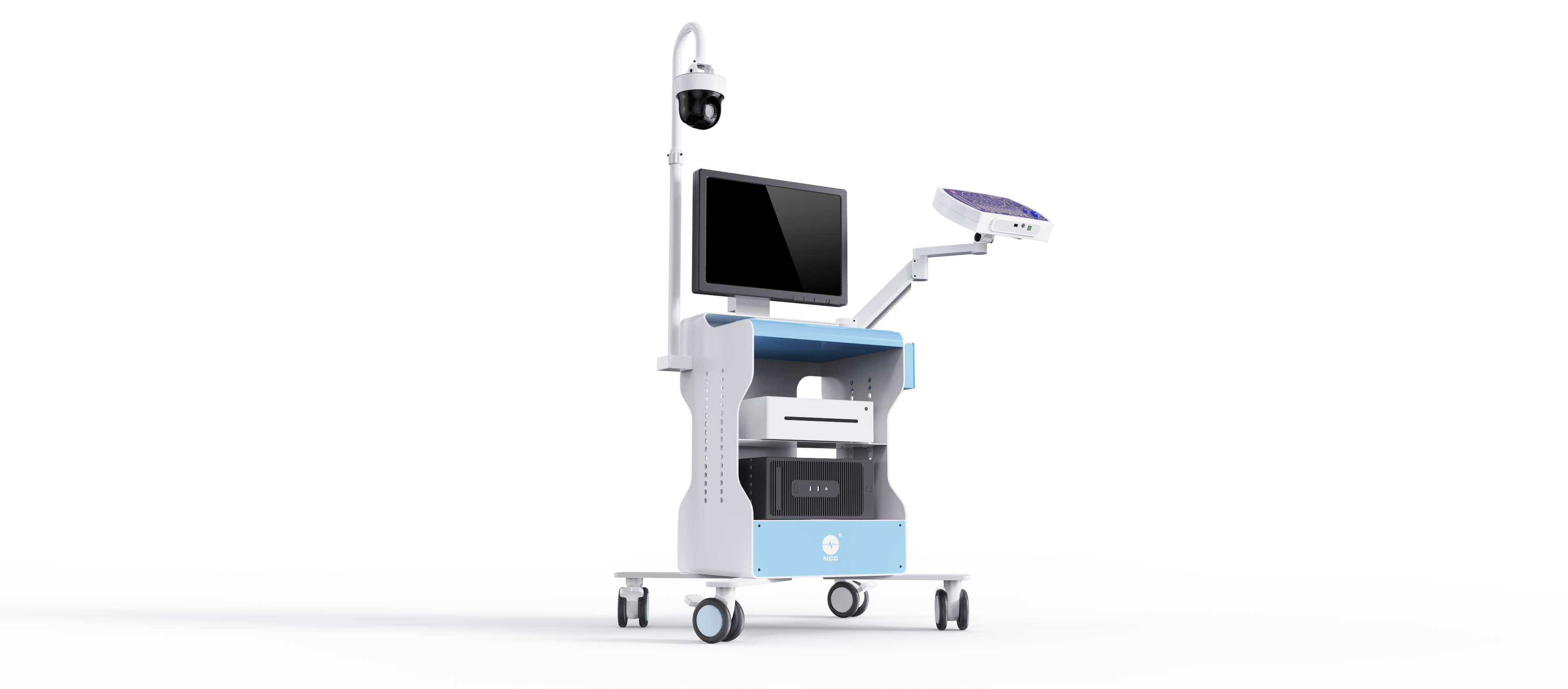
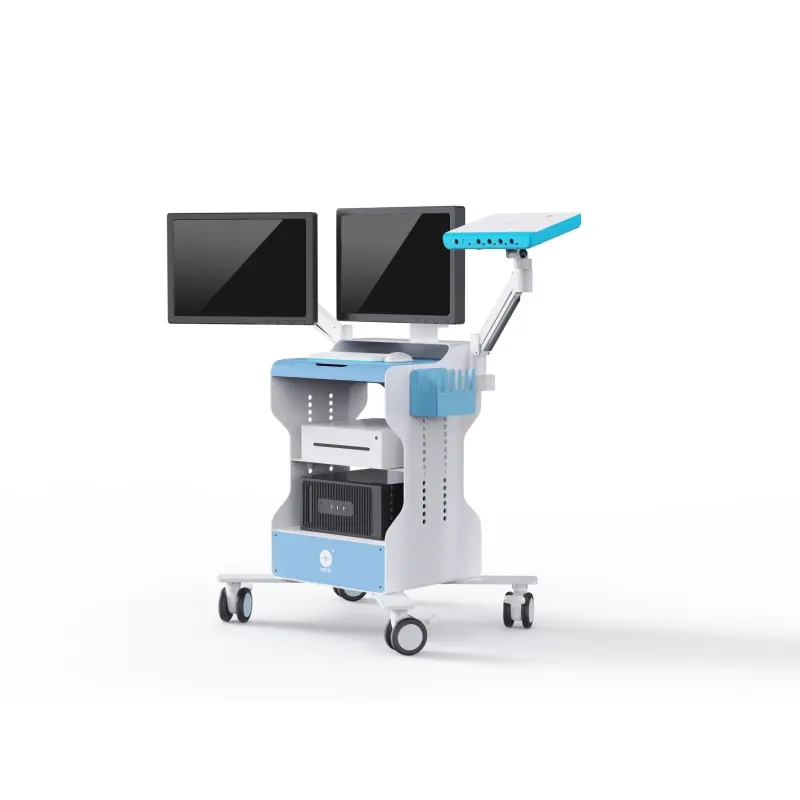
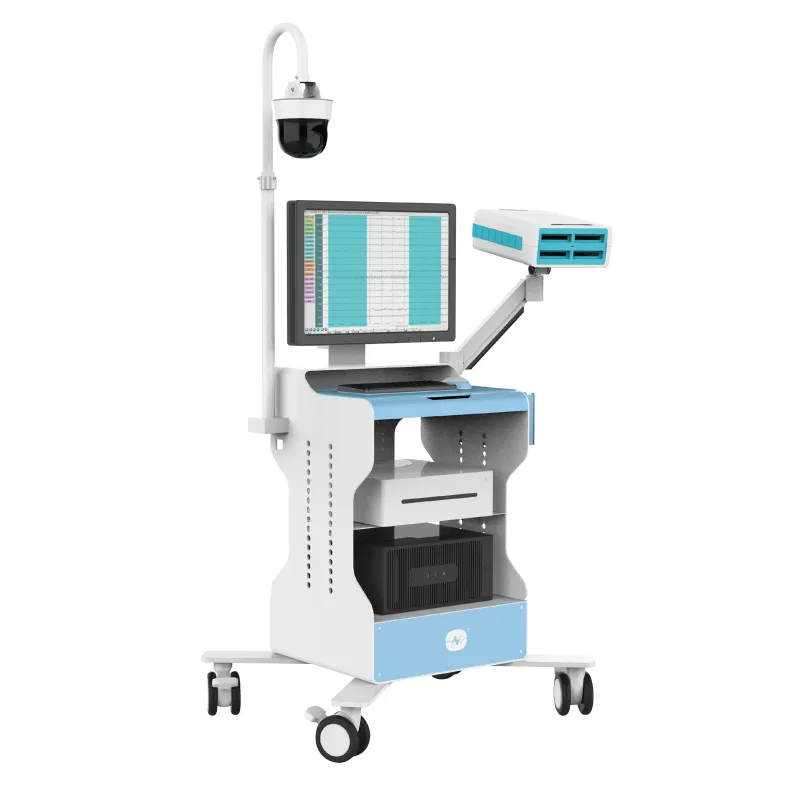
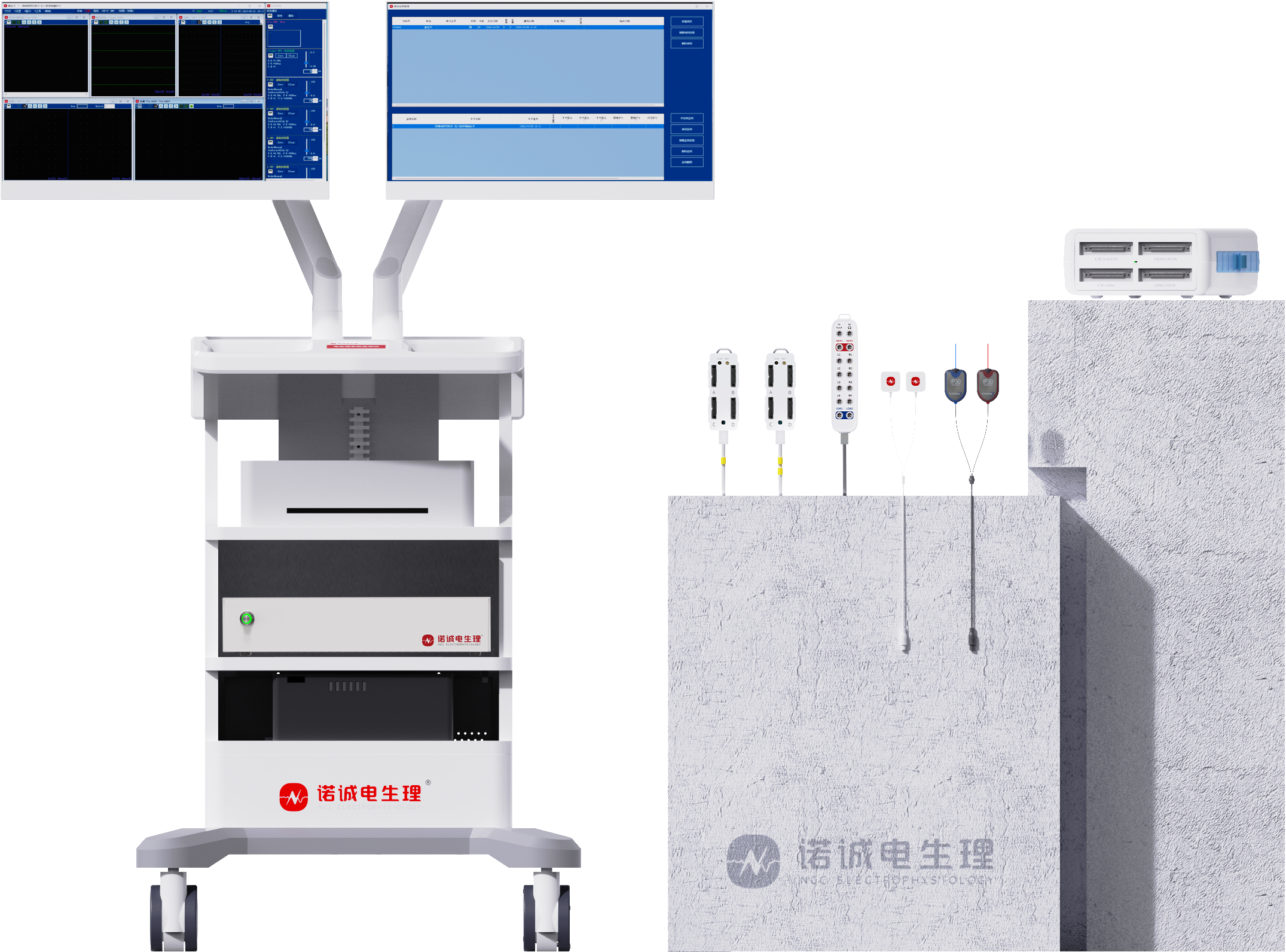
Our D Wave Spinal Cord Monitoring solution is an advanced extension of a full‑featured intraoperative neuromonitoring platform, engineered specifically to capture high‑fidelity corticospinal tract responses in demanding spinal surgeries. The system integrates optimized transcranial electrical stimulation modules with ultra‑low‑noise epidural recording channels, ensuring that D Wave Spinal Cord Monitoring can be performed reliably even in the presence of electrosurgical interference and variable patient anatomy. High‑resolution amplifiers with carefully tuned bandwidths and sampling rates preserve the morphology and timing of D‑waves, while dedicated software tools provide automated averaging, superimposed waveform displays, and trend analysis of amplitude and latency over time.

As a specialized neurophysiology manufacturer, our group has devoted decades of research and development to intraoperative neuromonitoring, culminating in a robust product portfolio that includes advanced D Wave Spinal Cord Monitoring solutions. Established in 1997, we have grown from a focused electrophysiology laboratory into an international supplier of IONM, EEG/PSG, EMG and related consumables, with dedicated hubs in Shanghai for innovation and production and in Singapore for quality management and regulatory coordination. This dual‑center model allows us to translate cutting‑edge clinical requirements, such as D Wave Spinal Cord Monitoring for intramedullary spinal tumor surgery, into reliable and scalable devices that can be deployed worldwide.

Our manufacturing infrastructure is built for precision: automated SMT lines assemble monitoring electronics under strict environmental control, while each subsystem used in D Wave Spinal Cord Monitoring undergoes rigorous calibration and verification. Amplifier boards are tested for noise performance, linearity, and isolation, ensuring that D Wave Spinal Cord Monitoring data remain stable throughout long surgeries. Stimulation modules are validated for pulse shape, timing accuracy, and maximum output safety. We apply a full quality‑management system that covers design, production, and post‑market surveillance, maintaining traceability from component batch numbers to each installed D Wave Spinal Cord Monitoring unit in the field.

At the commercial level, our corporate structure is organized around three pillars. The R&D and manufacturing division in China focuses on developing new modalities such as D Wave Spinal Cord Monitoring and integrating them with established Tc‑MEP and SSEP technologies. The global sales and export division works with distributors and hospital partners across more than 50 countries, ensuring that D Wave Spinal Cord Monitoring can be tailored to local clinical practices and regulatory frameworks. The service and innovation pillar runs training programs, workshops, and online courses through our dedicated academy, helping surgeons, anesthesiologists, and technologists to master D Wave Spinal Cord Monitoring protocols and apply them safely in routine clinical practice.

Our mission is to safeguard life and health by enabling safer surgeries, more precise diagnostics, and better patient outcomes. D Wave Spinal Cord Monitoring is a natural extension of this commitment, offering clinicians a powerful tool to preserve motor function in some of the most challenging spinal operations. By combining strong engineering capabilities, a proven quality system, and a global support network, we provide hospitals and distributors with a dependable partner for introducing and expanding D Wave Spinal Cord Monitoring services. Whether through standard product supply, OEM/ODM collaboration, or comprehensive training and service packages, we aim to make advanced D Wave Spinal Cord Monitoring accessible and sustainable for healthcare providers worldwide.

FAQ

What is D Wave Spinal Cord Monitoring and when is it used?

D Wave Spinal Cord Monitoring is an intraoperative technique that records direct corticospinal tract responses from the spinal cord after transcranial electrical stimulation. Instead of relying solely on muscle‑based motor evoked potentials, D Wave Spinal Cord Monitoring uses epidural or subdural electrodes placed near the spinal cord to capture a more central and stable representation of motor pathway activity. This approach is particularly useful during intramedullary spinal cord tumor resections, high‑risk deformity corrections, and other procedures where the corticospinal tract is at risk. In these cases, D Wave Spinal Cord Monitoring can continue to provide meaningful data even when myogenic MEPs are suppressed due to anesthesia or surgical manipulation. Surgeons use D Wave Spinal Cord Monitoring to guide resection boundaries, assess the functional impact of surgical steps, and make informed decisions about whether to proceed, pause.
While both methods rely on transcranial stimulation, D Wave Spinal Cord Monitoring and standard muscle MEP monitoring measure different points along the motor pathway and behave differently under intraoperative conditions. In muscle MEP monitoring, responses are recorded from peripheral muscles and are therefore influenced by neuromuscular transmission, muscle relaxants, and local factors such as temperature or electrode placement. In contrast, D Wave Spinal Cord Monitoring records responses directly from the dorsal or lateral surface of the spinal cord, reflecting the summed activity of corticospinal tract axons. This central recording site makes D Wave Spinal Cord Monitoring more resistant to anesthetic and pharmacologic influences and more closely correlated with long‑term motor outcome. In practice, D Wave Spinal Cord Monitoring is often performed alongside MEP and SSEP to provide complementary information.
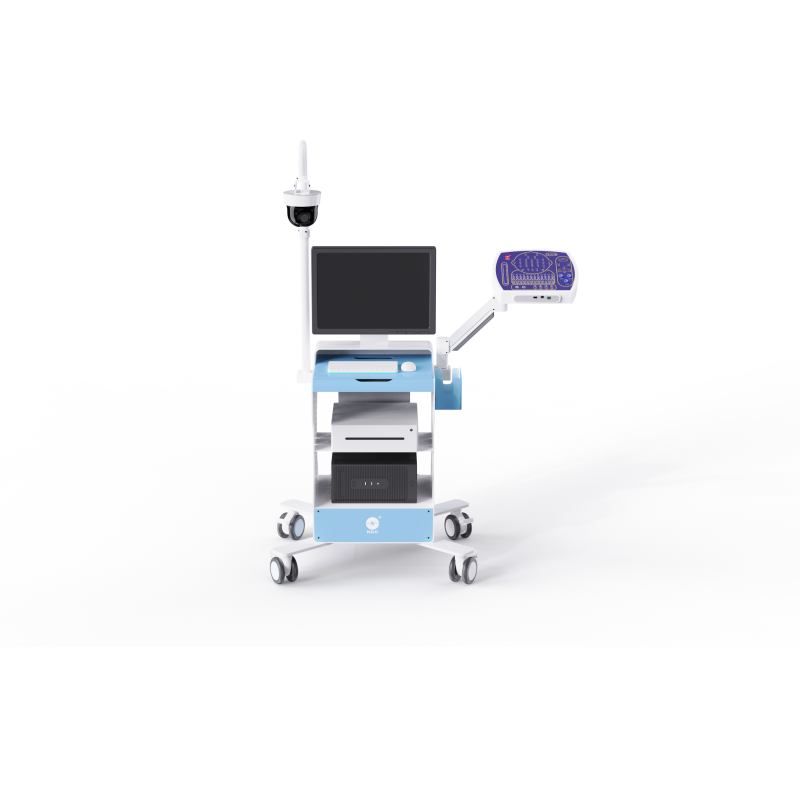
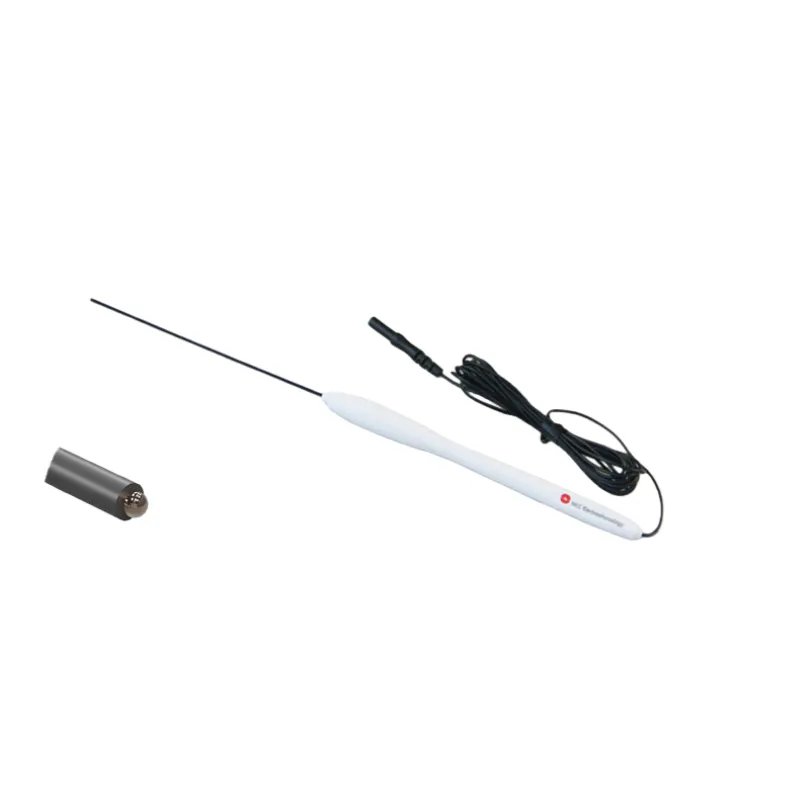
To implement D Wave Spinal Cord Monitoring, a hospital needs an IONM platform capable of delivering transcranial electrical stimulation and recording from specialized epidural or subdural electrodes configured for D‑wave acquisition. The monitoring team should include personnel trained in electrode placement, stimulation parameter selection, and interpretation of D Wave Spinal Cord Monitoring signals. Surgeons must be familiar with the technique and its implications so that they can adjust their intraoperative strategy based on amplitude changes or other trends. From an infrastructure perspective, the requirements for D Wave Spinal Cord Monitoring are similar to those for standard multimodal IONM: an operating room with appropriate space, power, and grounding; a monitoring cart or tower; and safe anesthesia protocols that accommodate neurophysiological monitoring.

More Posts

Technical Advantages and Procurement Strategies of Portable EMG in Neuromuscular Diagnostics

05

Mar

Technical Advantages and Procurement Strategies of Portable EMG in Neuromuscular Diagnostics

Introduction: From Research Instrument to Clinical Infrastructure The global demand for neuromuscular diagnostics is expanding rapidly. Aging populations, rising incidence of peripheral neuropathies, increasing rehabilitation needs, and the growth of...
View More
Technical Standards and OEM Customization Services of Intraoperative Nerve Stimulators for Surgical Precision

05

Mar

Technical Standards and OEM Customization Services of Intraoperative Nerve Stimulators for Surgical Precision

In modern surgery, precision is no longer defined solely by the surgeon’s hand. It is increasingly defined by the reliability of the technologies guiding that hand. The nerve stimulator intraoperative has evolved from an auxiliary device into a...
View More
Technical Features and Compliance Procurement Strategies for Concentric EMG Needles

05

Mar

Technical Features and Compliance Procurement Strategies for Concentric EMG Needles

Concentric EMG needle electrodes are among the most frequently used consumables in clinical neurophysiology, yet they are often underestimated in technical complexity. In routine electromyography, the difference between a clean motor unit potential a...
View More
Compliance and Technical Advantages of Portable EEG Machines: Empowering Efficient Clinical Neuro Monitoring in Healthcare Institutions

05

Mar

Compliance and Technical Advantages of Portable EEG Machines: Empowering Efficient Clinical Neuro Monitoring in Healthcare Institutions

The true value of an eeg machine portable solution is not measured by how small it is, but by how reliably it performs when removed from the controlled environment of a neurophysiology laboratory and placed into the complexity of real clinical care. ...
View More

Customer Reviews

Dr. Sophia Martinez

“Integrating D Wave Spinal Cord Monitoring into our intramedullary tumor program has significantly changed how we approach high‑risk resections. In the past, we relied mainly on muscle MEPs and SSEPs, and once MEPs disappeared under deep anesthesia or tumor manipulation, our ability to judge corticospinal tract safety was limited. With D Wave Spinal Cord Monitoring, we now have a stable, central signal that often remains present even when muscle responses fade. During several challenging cases, D Wave Spinal Cord Monitoring allowed us to continue resecting while maintaining D‑wave amplitude above our preset threshold, and these patients woke up with preserved or improved motor function. The D Wave Spinal Cord Monitoring module integrated smoothly into our existing IONM system, and the learning curve for the team was manageable thanks to vendor support and clear protocols.”

Prof. Daniel Kim

“As department head, I was looking for a way to elevate our neuromonitoring capabilities for complex spinal oncology and deformity cases. The decision to invest in D Wave Spinal Cord Monitoring proved to be strategically sound. Our surgeons now use D Wave Spinal Cord Monitoring alongside Tc‑MEP and SSEP to make nuanced decisions about how far they can safely push resection or correction. The prognostic value of D Wave Spinal Cord Monitoring has also been important in discussions with patients and families, because we can explain that preservation of D‑wave amplitude is associated with better long‑term motor outcomes. From an administrative perspective, having D Wave Spinal Cord Monitoring as part of our service offering reinforces our institution’s position as a regional referral center for high‑risk spinal surgery and supports our research initiatives.”

Ms. Emily Johnson

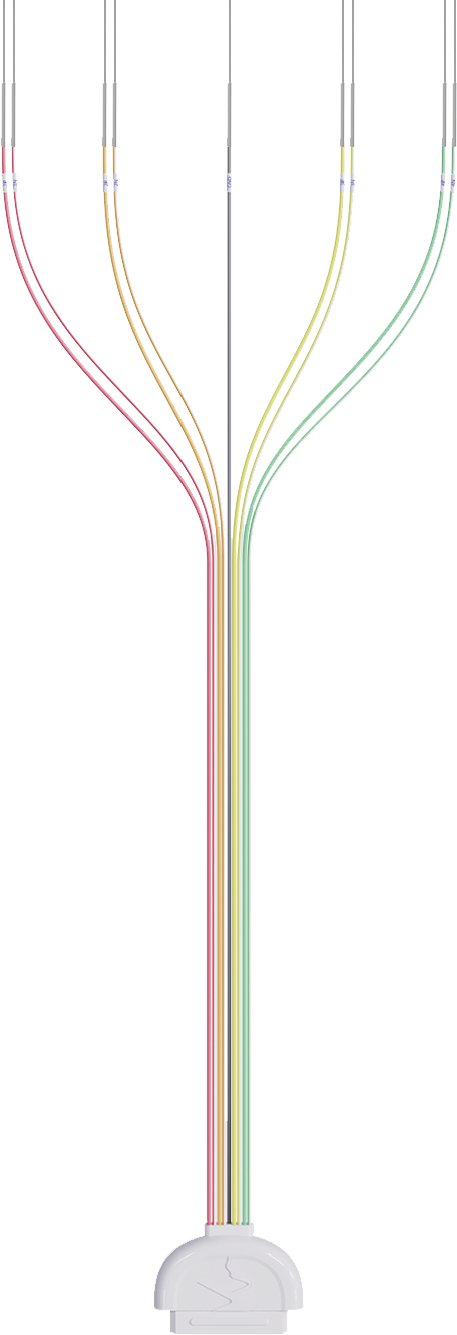
“As a technologist, I was initially concerned that D Wave Spinal Cord Monitoring would add complexity and setup time in the OR. After training, however, I found that the system’s dedicated D‑wave protocols and guided workflows made the process straightforward. The epidural strip electrodes connect directly to labeled inputs, and the software provides clear tools for averaging and comparing D Wave Spinal Cord Monitoring traces over time. During surgery, I monitor both muscle MEPs and D‑waves; when MEPs become unstable, the D Wave Spinal Cord Monitoring channels often remain consistent and give the surgeon confidence to continue or adjust the approach. The vendor’s support team has been responsive whenever we needed help refining parameters or interpreting atypical patterns. Overall, D Wave Spinal Cord Monitoring has become a routine and valuable part of our most complex spinal cases.”

Get a Free Quote

Our representative will contact you soon.
Email
Name
Mobile
Your Role
Company Name
Message
0/1000
Direct Corticospinal Tract Recording with D Wave Spinal Cord Monitoring

Direct Corticospinal Tract Recording with D Wave Spinal Cord Monitoring

D Wave Spinal Cord Monitoring captures direct corticospinal tract responses via epidural or subdural electrodes, providing a stable, anesthesia‑tolerant measure of motor pathway integrity in real time. This direct recording capability allows D Wave Spinal Cord Monitoring to guide surgeons during intramedullary tumor resections and other high‑risk procedures where preserving long‑term motor function is critical.
Enhanced Prognostic Confidence Through D Wave Spinal Cord Monitoring

Enhanced Prognostic Confidence Through D Wave Spinal Cord Monitoring

By correlating intraoperative D‑wave amplitude with postoperative motor outcomes, D Wave Spinal Cord Monitoring offers superior prognostic value compared to muscle MEPs alone. Surgeons and hospitals can rely on D Wave Spinal Cord Monitoring thresholds when deciding whether to continue resection, pause, or stop, leading to more predictable recovery profiles and evidence‑based communication with patients and families.
Seamless Multimodal Integration in Advanced IONM Platforms

Seamless Multimodal Integration in Advanced IONM Platforms

Our solution integrates D Wave Spinal Cord Monitoring into a comprehensive multimodal IONM platform that also supports Tc‑MEP, SSEP, SCEP and EMG. This seamless integration means that D Wave Spinal Cord Monitoring can be configured from the same interface, using procedure‑specific templates and unified reporting tools. For hospitals and distributors, this integrated D Wave Spinal Cord Monitoring approach simplifies deployment, training, and maintenance while delivering a substantial upgrade in spinal cord monitoring capability.

Copyright © NCC Medical Co., Ltd.  -  Privacy policy