Spinal Monitoring System: Real-Time Cord Protection for Spine Surgery

All Categories

Spinal Monitoring Solutions for Safer Spine and Spinal Cord Surgery

Spinal Monitoring is a comprehensive intraoperative neurophysiological approach that continuously evaluates spinal cord and nerve root function during spine and spinal cord surgery. By combining somatosensory evoked potentials, transcranial motor evoked potentials, spinal cord evoked potentials and EMG, Spinal Monitoring gives surgeons real‑time insight into dorsal sensory and ventral motor pathways. This enables early detection of ischemia, traction or compression and supports timely adjustments in surgical strategy before irreversible neurological injury occurs. For hospitals and spine centers, Spinal Monitoring provides a standardized, evidence‑based safety layer that reduces the incidence of postoperative paralysis and sensory deficits while strengthening the institution’s reputation in complex spine care.
Get A Quote

Spinal Monitoring

Spinal Monitoring offers hospitals a high‑value combination of clinical safety, workflow standardization and data transparency. Instead of relying only on anatomical imaging or wake‑up tests, Spinal Monitoring delivers continuous functional feedback that clinicians can act on immediately. With clearly defined alarm thresholds, template‑based protocols and structured reporting, Spinal Monitoring becomes a strategic asset for quality management and risk reduction in modern operating rooms.

Multimodal Functional Assessment with Spinal Monitoring

Spinal Monitoring integrates multiple neurophysiological modalities into one platform to assess the spinal cord from several angles at once. Somatosensory evoked potentials evaluate dorsal column sensory pathways, motor evoked potentials track corticospinal tracts, spinal cord evoked potentials help identify early ischemic changes, and EMG reveals nerve root irritation during instrumentation. By unifying all of these in a single Spinal Monitoring system, the surgical team can correlate changes across modalities and distinguish true neural compromise from technical artifacts. This multimodal Spinal Monitoring strategy minimizes blind spots and supports more nuanced intraoperative decision making in deformity correction, tumor resection and complex fusion procedures.

Early Warning and Quantitative Risk Stratification

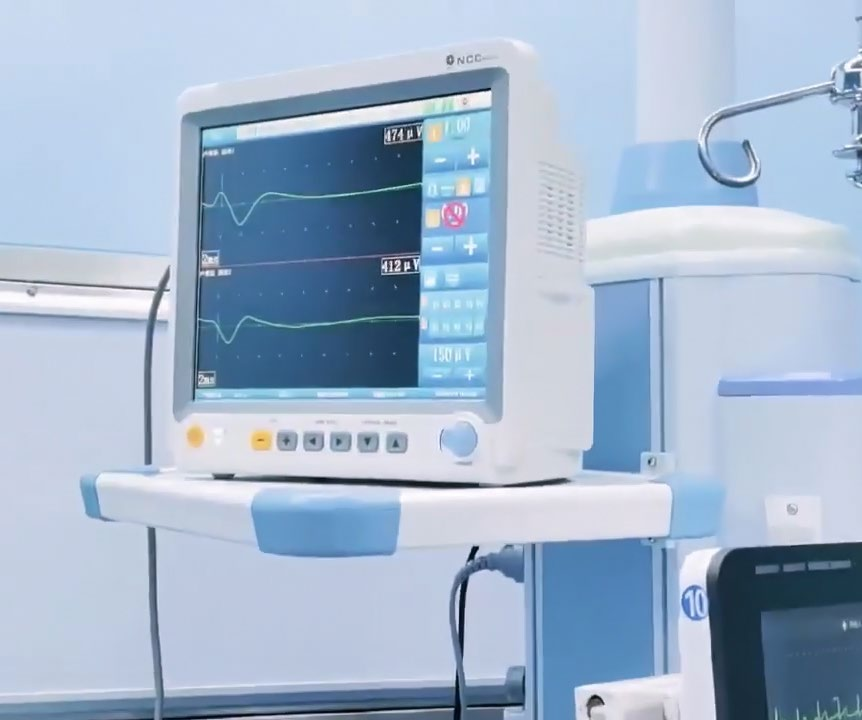
A key benefit of Spinal Monitoring is its ability to transform raw waveforms into quantitative, actionable alerts. Using predefined thresholds such as percentage amplitude drops or latency prolongations, Spinal Monitoring automatically notifies the team when signals deviate significantly from baseline. This early‑warning feature allows surgeons and anesthesiologists to intervene promptly by adjusting blood pressure, modifying correction forces, repositioning implants or altering the surgical plan. Over time, data gathered through Spinal Monitoring can be analyzed to refine alarm criteria and correlate intraoperative changes with long‑term outcomes, giving hospitals a powerful tool for evidence‑based risk stratification and continuous quality improvement.

Workflow-Oriented Design and Cross-Department Scalability

Modern Spinal Monitoring platforms are designed to fit seamlessly into existing OR workflows and to scale across different departments. Procedure‑specific templates, automatic channel assignment and intuitive interfaces ensure that Spinal Monitoring does not significantly extend setup time, even in high‑volume centers. At the same time, the same Spinal Monitoring system can serve neurosurgery, orthopedics and vascular teams, with configurable protocols tailored to each specialty’s needs. For administrators and biomedical engineers, this cross‑department scalability reduces capital expenditure per case and simplifies training, service and inventory management, making Spinal Monitoring a sustainable long‑term investment.

Related Products

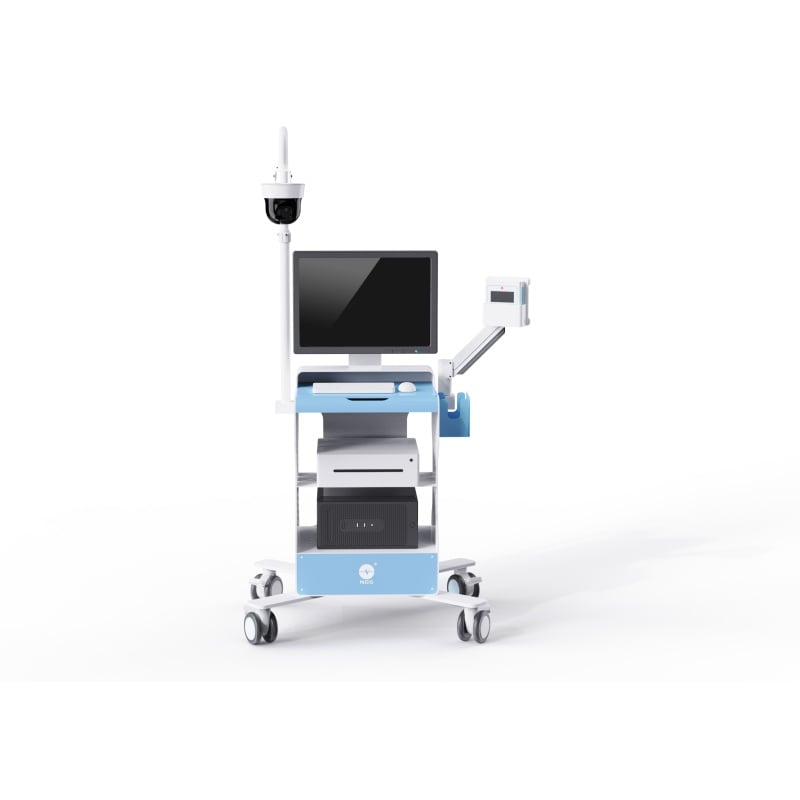
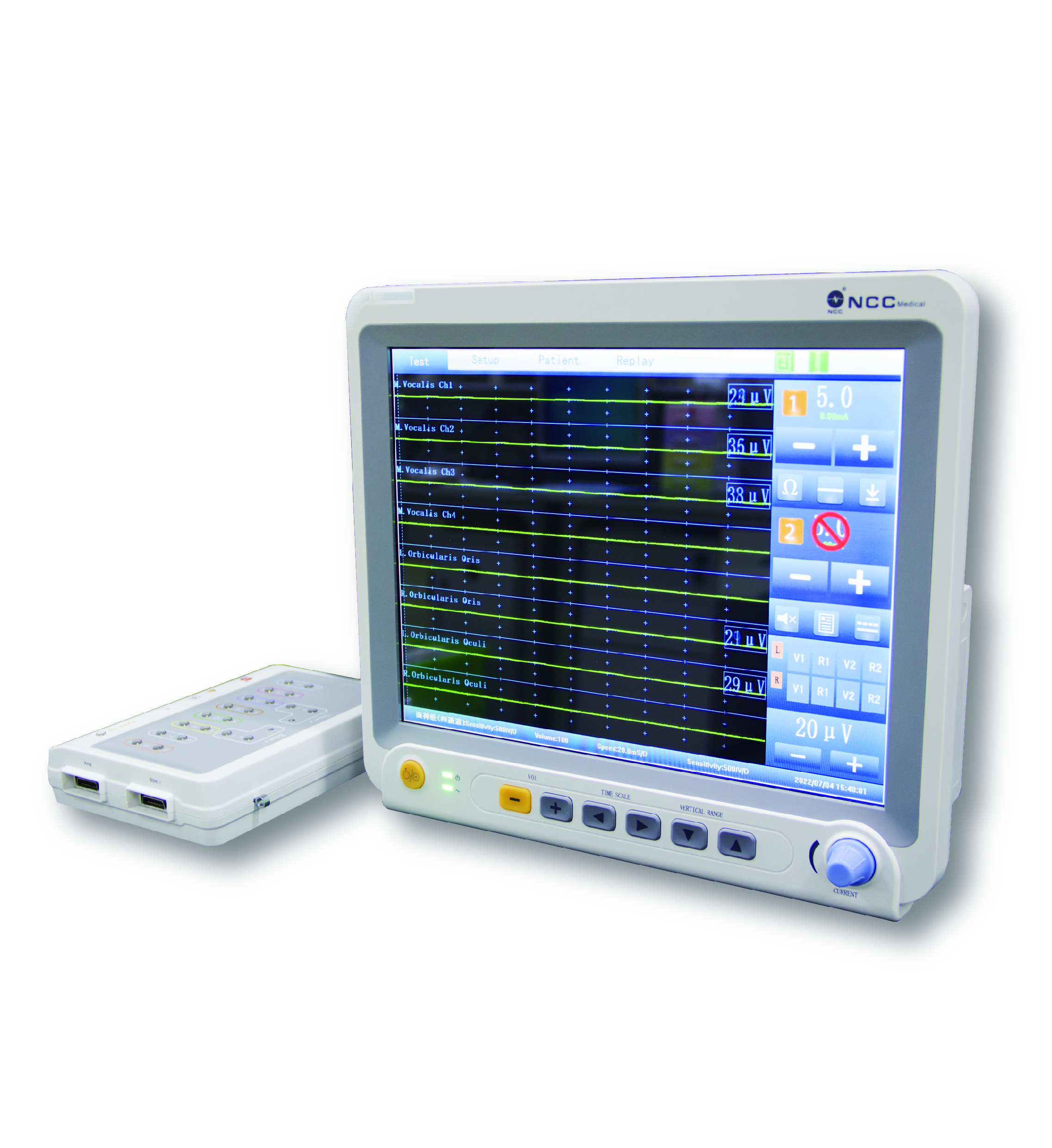
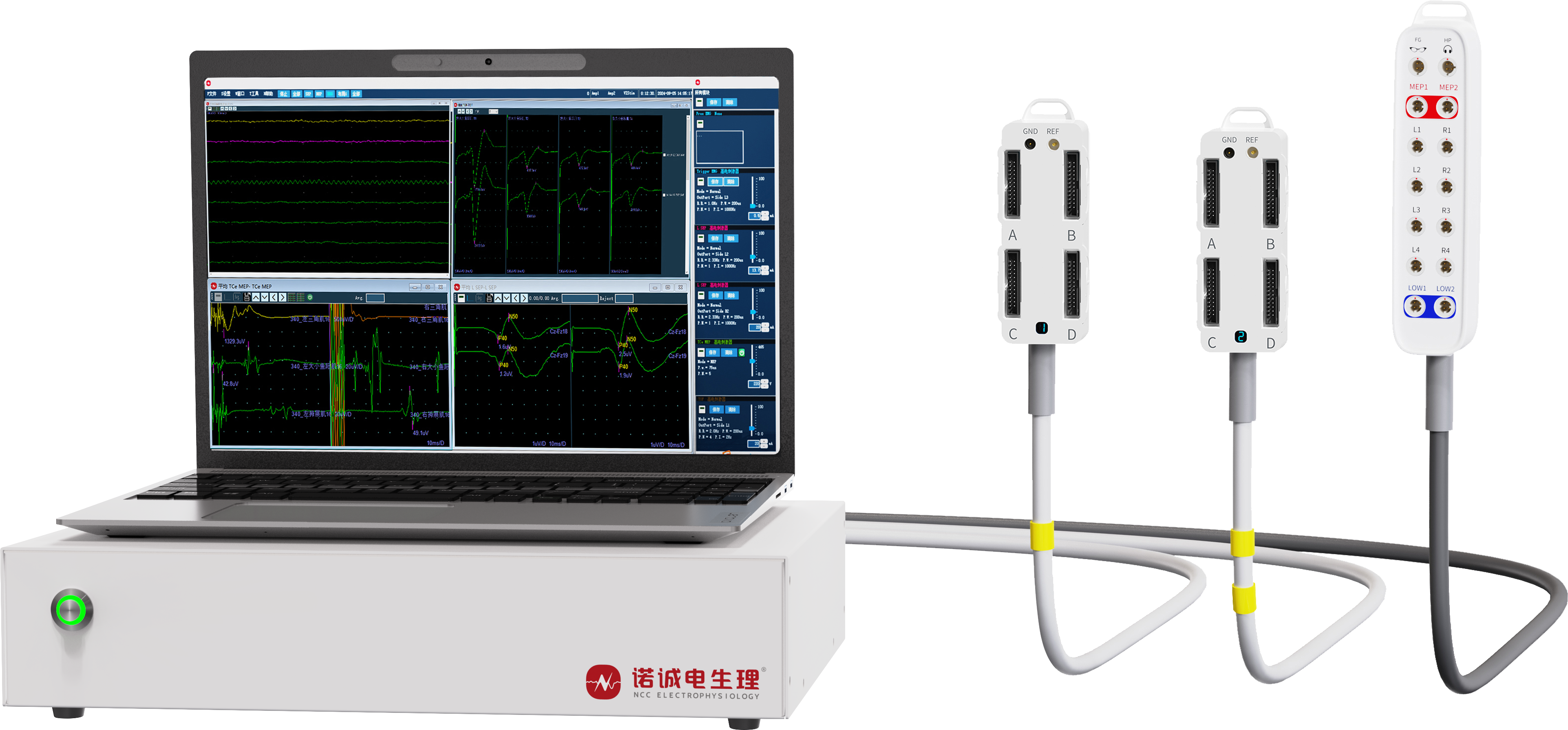
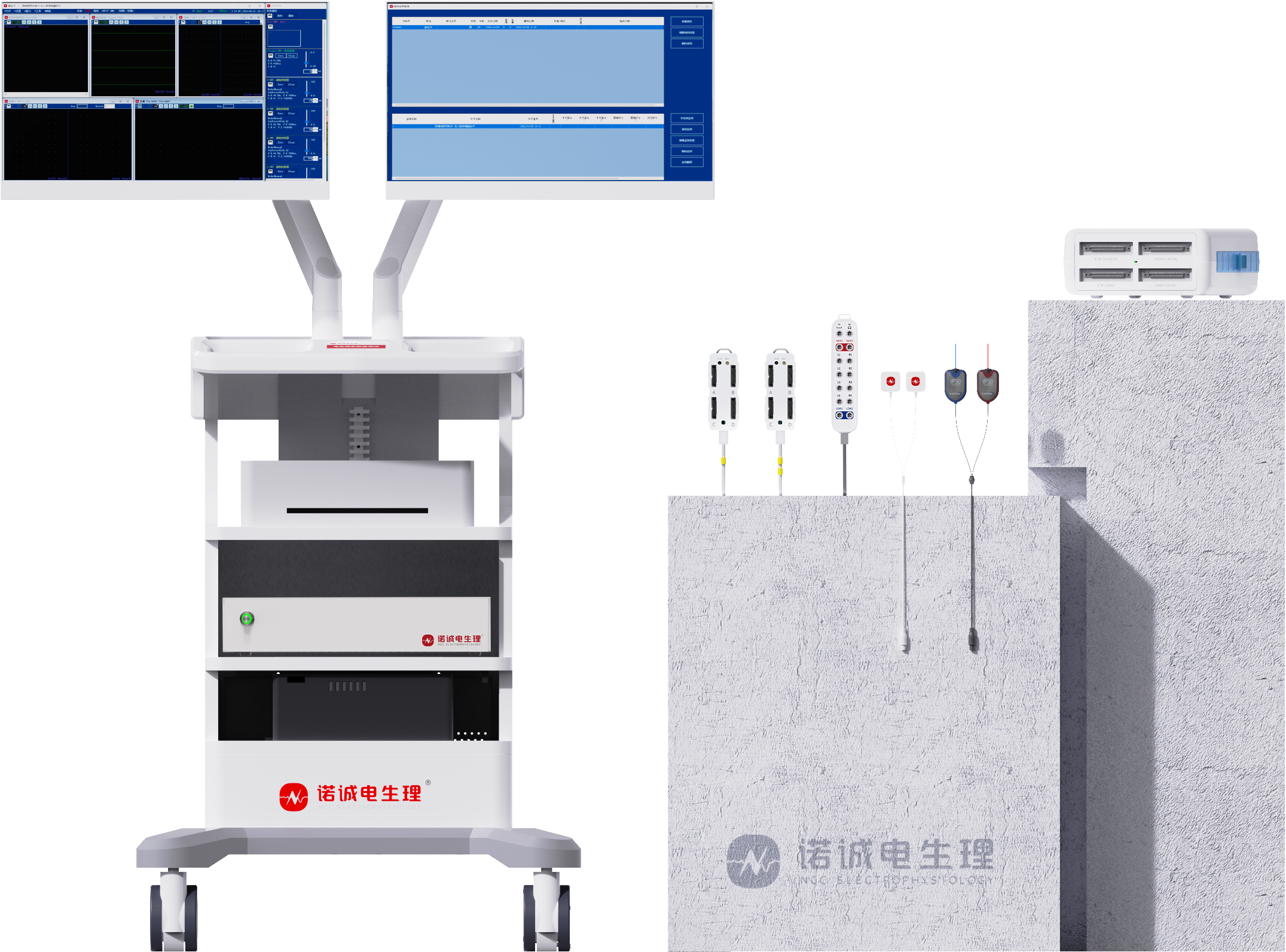
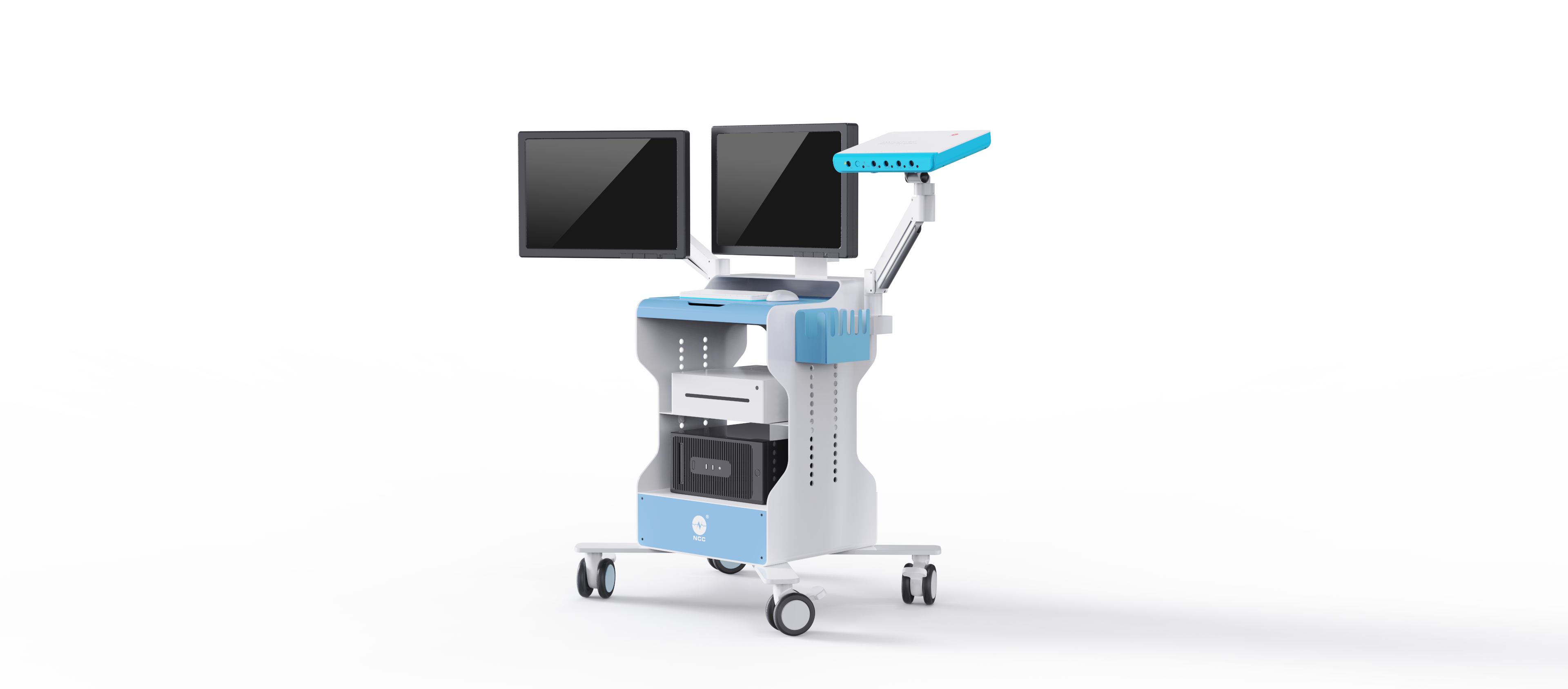
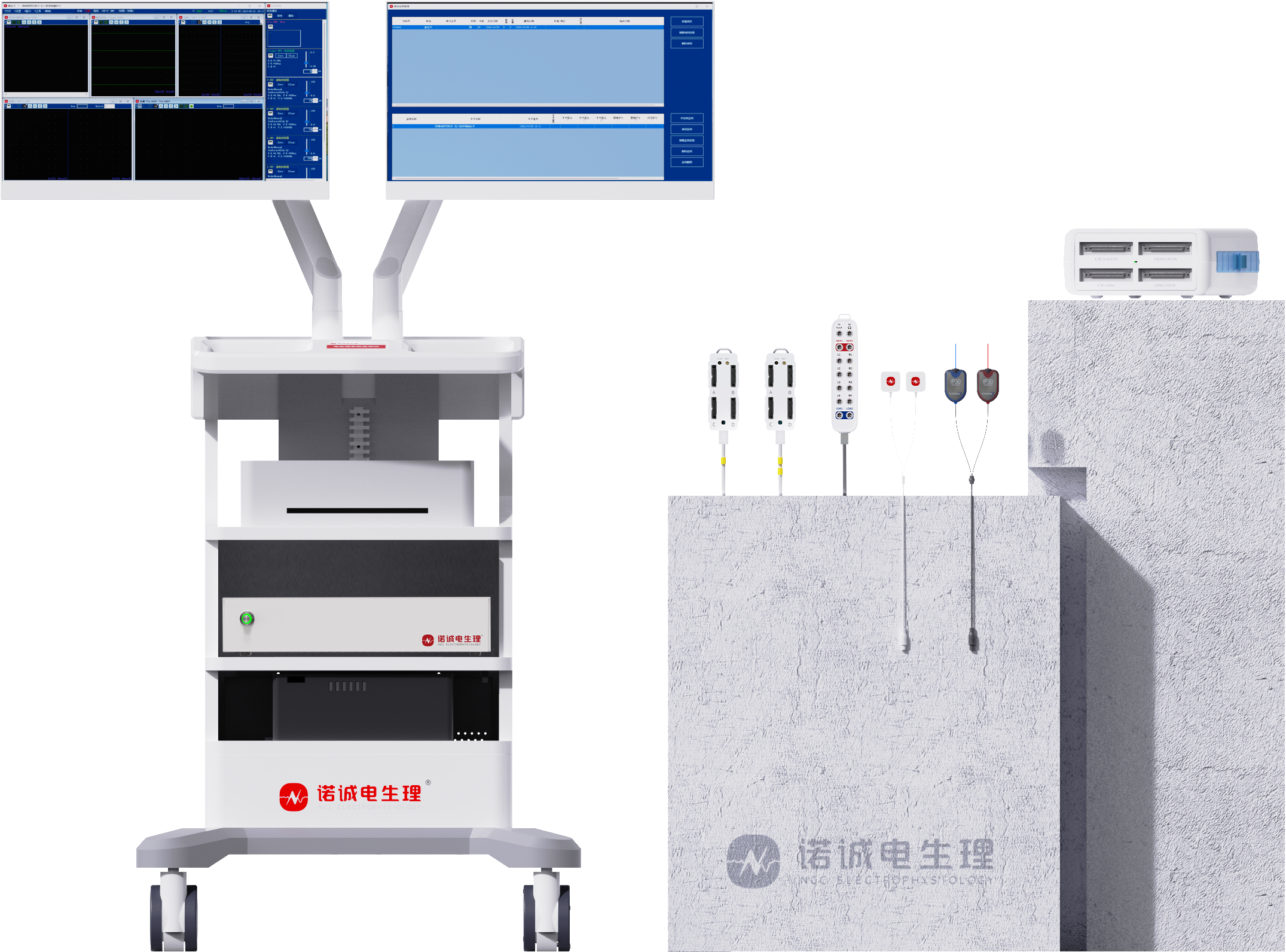
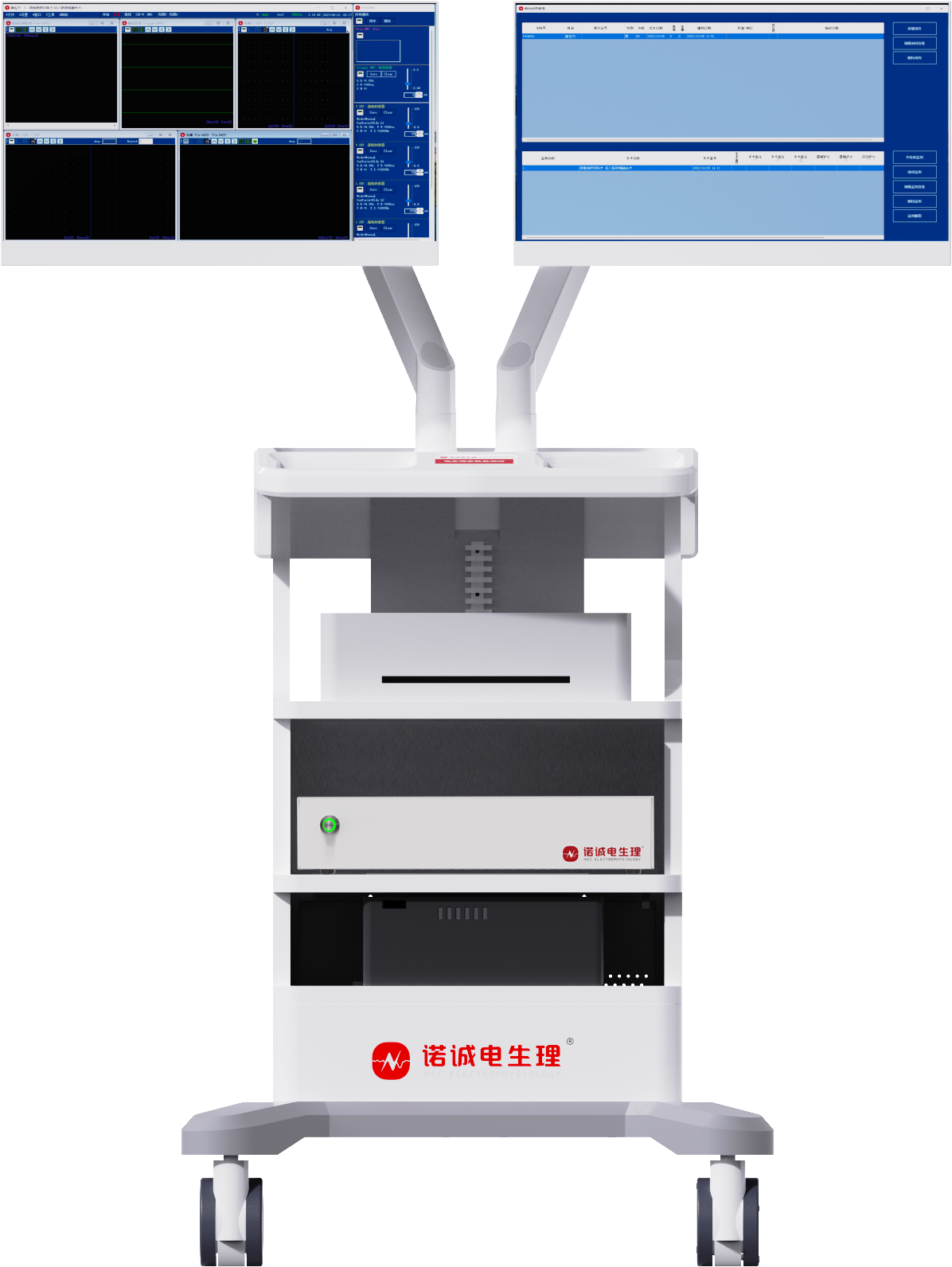
Our Spinal Monitoring system is an integrated intraoperative platform engineered to support complex spine and spinal cord procedures with high reliability and ease of use. The hardware combines high‑input‑impedance amplifiers with flexible stimulation modules to deliver clean SSEP, MEP, SCEP and EMG recordings, even in the presence of electrocautery and other sources of interference. Safety is built into every component of the Spinal Monitoring system through medical‑grade isolation, strict leakage‑current limits and robust protection between stimulation and recording circuits. The software environment is optimized for real‑world operating rooms: users can select Spinal Monitoring templates for scoliosis correction, cervical decompression or intramedullary tumor surgery, then fine‑tune stimulation parameters and alarm thresholds as needed. Real‑time trends.

As a dedicated neuro‑diagnostic and neuromonitoring manufacturer, our company focuses on delivering Spinal Monitoring solutions that match the demands of modern spine surgery. Since 1997, we have built a strong foundation in electrophysiology by combining R&D, engineering and manufacturing under one integrated structure. Our main innovation center and production facilities are located in Shanghai, where multidisciplinary teams design Spinal Monitoring hardware, develop signal‑processing algorithms and validate new clinical protocols. A complementary quality and compliance hub in Singapore ensures that each Spinal Monitoring system adheres to international safety standards and regional regulatory requirements. Our portfolio covers Spinal Monitoring, intraoperative neuromonitoring for brain and cranial nerves, EMG and EEG/PSG systems, as well as a comprehensive range of sterile electrodes and accessories. Every Spinal Monitoring unit undergoes rigorous calibration, burn‑in testing and functional verification in simulated OR environments before shipment. Through an expanding global distributor network and specialized training centers, we support hospitals and clinicians in adopting Spinal Monitoring as a routine tool for spine surgery safety, offering technical training, clinical consultation and responsive after‑sales service throughout the product lifecycle.

FAQ

What is Spinal Monitoring and how does it protect patients?

Spinal Monitoring is the intraoperative use of neurophysiological techniques to track spinal cord and nerve root function during surgery. By recording somatosensory and motor evoked potentials, spinal cord evoked potentials and EMG in real time, Spinal Monitoring detects functional changes that may indicate ischemia, excessive traction or compression. When significant deviations from baseline occur, Spinal Monitoring alerts the surgical team so they can modify positioning, instrumentation or hemodynamics before permanent damage develops. This early‑warning capability significantly reduces the risk of postoperative paralysis and sensory deficits.
Spinal Monitoring is particularly important in procedures that carry a higher risk of neurological injury, such as scoliosis and kyphosis correction with instrumentation, cervical and thoracic decompression and fusion, intramedullary or extramedullary spinal tumor resection, tethered cord release and complex thoracoabdominal operations that may affect spinal cord blood supply. In these settings, Spinal Monitoring provides continuous feedback on the functional state of the spinal cord and nerve roots, helping surgeons perform more extensive corrections or resections with greater confidence. Even in moderate‑risk cases, Spinal Monitoring can serve as a safeguard and a documentation tool for quality assurance.
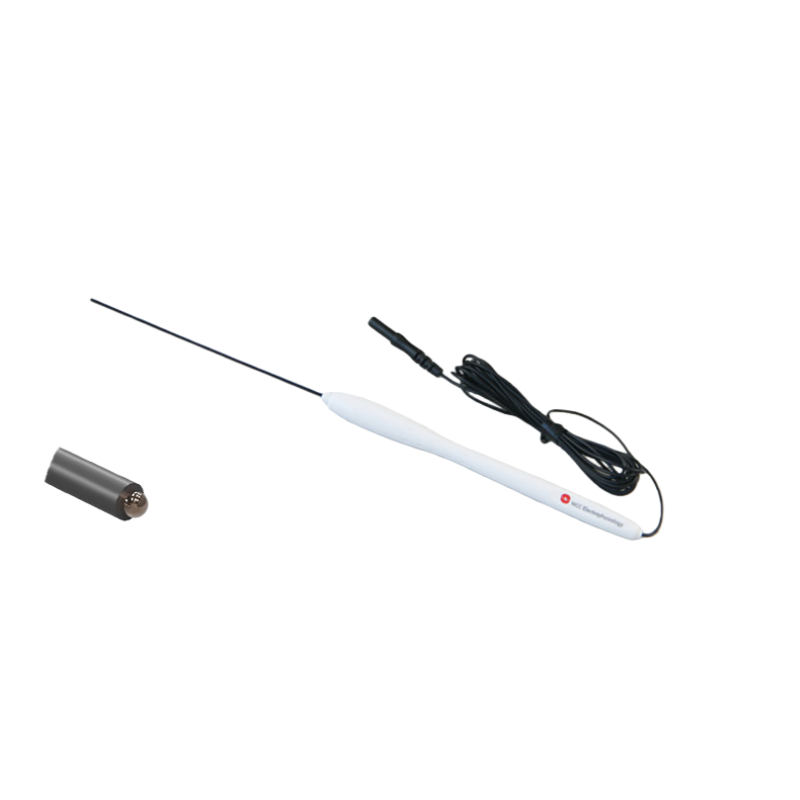
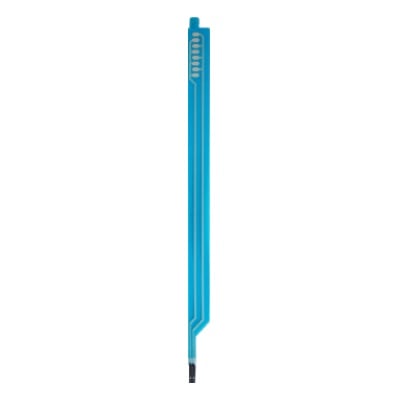
To implement Spinal Monitoring, a hospital needs an appropriate monitoring platform, compatible electrodes and stimulation accessories, and a trained team. The monitoring system must support the main modalities used in Spinal Monitoring and provide features such as artifact rejection, trend display and configurable alarms. Technologists require training in electrode placement, parameter optimization and pattern recognition, while anesthesiologists must understand how their drug regimens influence evoked responses. Vendors typically supply installation support, initial training and protocol templates to help institutions integrate Spinal Monitoring into their workflows. With these elements in place, Spinal Monitoring can be adopted as a routine component of complex spine surgery without major structural changes to the operating room.

More Posts

Clinical Application Value and OEM Customization Services of Laryngeal Nerve Monitors

04

Mar

Clinical Application Value and OEM Customization Services of Laryngeal Nerve Monitors

Introduction: The Imperative of Safety in Thyroid Surgery and OEM Opportunities Recurrent laryngeal nerve (RLN) injury remains one of the most critical complications during thyroid and parathyroid surgery, leading not only to potential vocal dysfunct...
View More
Compliance Requirements and Clinical Application Value of Intraoperative Neurophysiological Monitoring

04

Mar

Compliance Requirements and Clinical Application Value of Intraoperative Neurophysiological Monitoring

Redefining the IONM Purchasing Decision: From Surgical Tool to Risk Management Infrastructure In today’s global medical device market, the purchasing decision for Intraoperative Neurophysiological Monitoring (IONM) systems has fundamentall...
View More
Maximizing Surgical Safety with Intra Operative Neuromonitoring: A Clinical Expert's Guide

04

Mar

Maximizing Surgical Safety with Intra Operative Neuromonitoring: A Clinical Expert's Guide

IONM: From Optional Adjunct to Standard of Care Intra operative neuromonitoring (IONM) has undergone a decisive paradigm shift over the past two decades. What was once considered an optional adjunct in selected neurosurgical procedures is now recogni...
View More
Next-Gen Neuromonitoring System Technology: Why Medical Institutions Need to Upgrade Their Equipment?

04

Mar

Next-Gen Neuromonitoring System Technology: Why Medical Institutions Need to Upgrade Their Equipment?

The Operating Room Has Changed—Has Your Neuromonitoring System? In today’s neurosurgical operating rooms and intensive care units, clinical complexity has increased dramatically compared to a decade ago. Aging populations have led to a su...
View More

Customer Reviews

Dr. Hannah Collins, Orthopedic Spine Surgeon

“Before we adopted Spinal Monitoring, our team relied mainly on wake‑up tests and postoperative assessments to evaluate spinal cord function. Since implementing comprehensive Spinal Monitoring, we have been able to identify early changes in MEP and SSEP during deformity corrections and adjust our technique in real time. In several cases, Spinal Monitoring alerted us to signal loss during rod rotation, prompting us to reverse the maneuver and restore function. Our complication rates have decreased, and both surgeons and patients feel more secure knowing that Spinal Monitoring is in place for high‑risk procedures.”

Dr. Ahmed Hassan, Neurosurgeon

“Intramedullary tumor surgery is among the most challenging work we do, and adding Spinal Monitoring has fundamentally changed our risk profile. The multimodal Spinal Monitoring setup lets us track both sensory and motor pathways continuously while we dissect around critical structures. When signals remain stable, Spinal Monitoring gives us the confidence to pursue more complete resections; when they change, we know it is time to stop or modify our approach. The system’s templates and reporting tools make it easy for our team to apply Spinal Monitoring consistently from one case to the next.”

Ms. Julia Weber, Neurophysiology Lab Manager

“From a service and training perspective, introducing Spinal Monitoring across our hospital has been a successful project. The platform’s intuitive interface and procedure‑specific presets reduce the learning curve for new technologists, and our surgeons now request Spinal Monitoring routinely for complex spine cases. Standardized documentation produced by the Spinal Monitoring system feeds directly into our quality improvement program, allowing us to correlate intraoperative events with outcomes. Overall, Spinal Monitoring has strengthened collaboration between surgery, anesthesia and neurophysiology and elevated the standard of care we can offer.”

Get a Free Quote

Our representative will contact you soon.
Email
Name
Mobile
Your Role
Company Name
Message
0/1000
Comprehensive Real-Time Protection with Spinal Monitoring

Comprehensive Real-Time Protection with Spinal Monitoring

Spinal Monitoring delivers continuous, multimodal surveillance of spinal cord and nerve root function, allowing teams to detect and correct damaging events as they occur. This real‑time protection makes Spinal Monitoring a critical safety layer in modern spine surgery programs.
Quantitative, Evidence-Based Alerts in Spinal Monitoring

Quantitative, Evidence-Based Alerts in Spinal Monitoring

By applying clear amplitude and latency thresholds, Spinal Monitoring transforms complex waveforms into simple, graded alerts that everyone in the OR can understand. This evidence‑based approach supports faster, more coordinated responses to evolving risk.
Scalable Platform Design for Hospital-Wide Spinal Monitoring

Scalable Platform Design for Hospital-Wide Spinal Monitoring

Our platform is designed so that Spinal Monitoring can be deployed in multiple departments using a single, flexible system. Modular hardware, procedure templates and integrated reporting make Spinal Monitoring scalable from a few high‑risk cases to a hospital‑wide standard of care without excessive additional investment.

Copyright © NCC Medical Co., Ltd.  -  Privacy policy