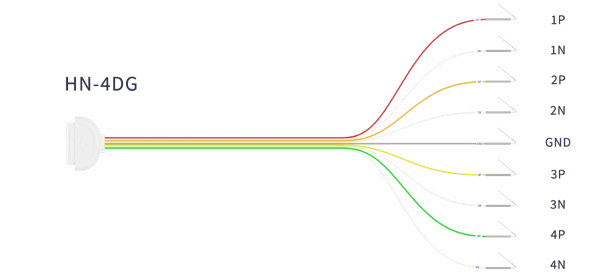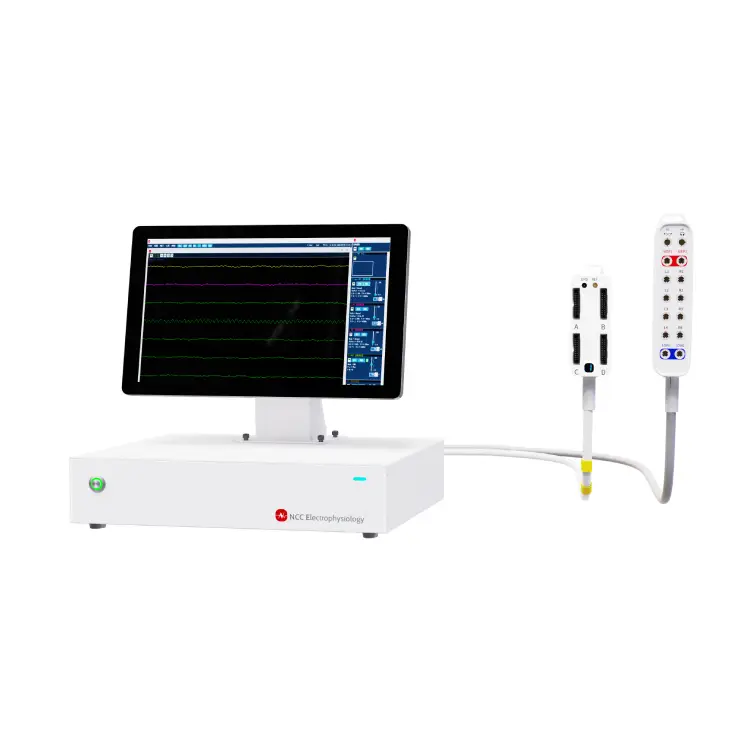
Microvascular Decompression (MVD) of the facial nerve.
1. Patient Information
Female, 59 years old. Preoperative diagnosis: Hemifacial Spasm.
Surgery performed: Microvascular Decompression (MVD) of the facial nerve.
2. Surgical Background and Significance
The key to this procedure lies in accurately identifying the offending vessels and achieving adequate decompression intraoperatively.
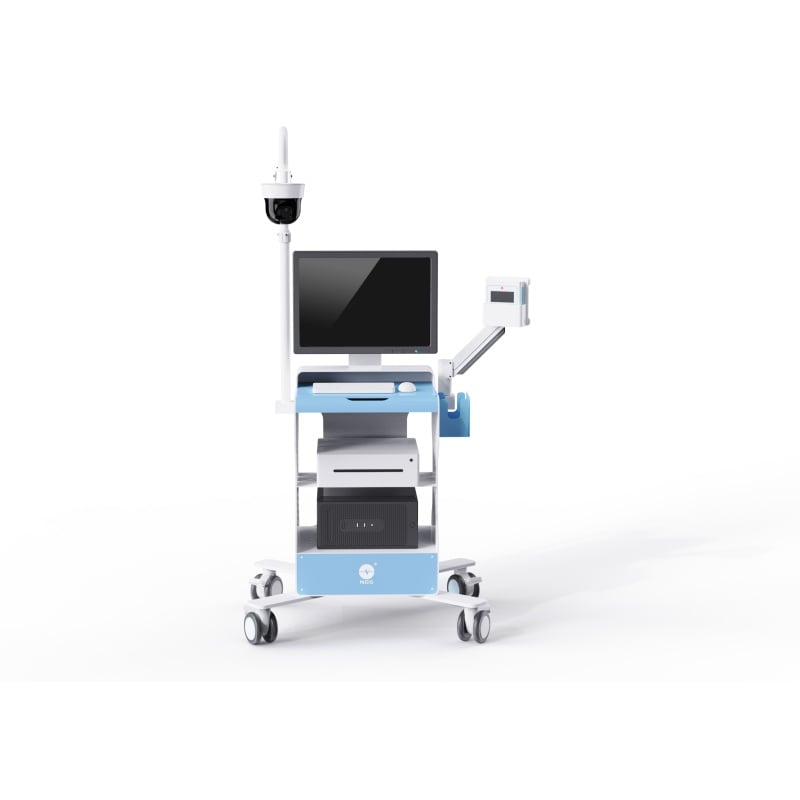
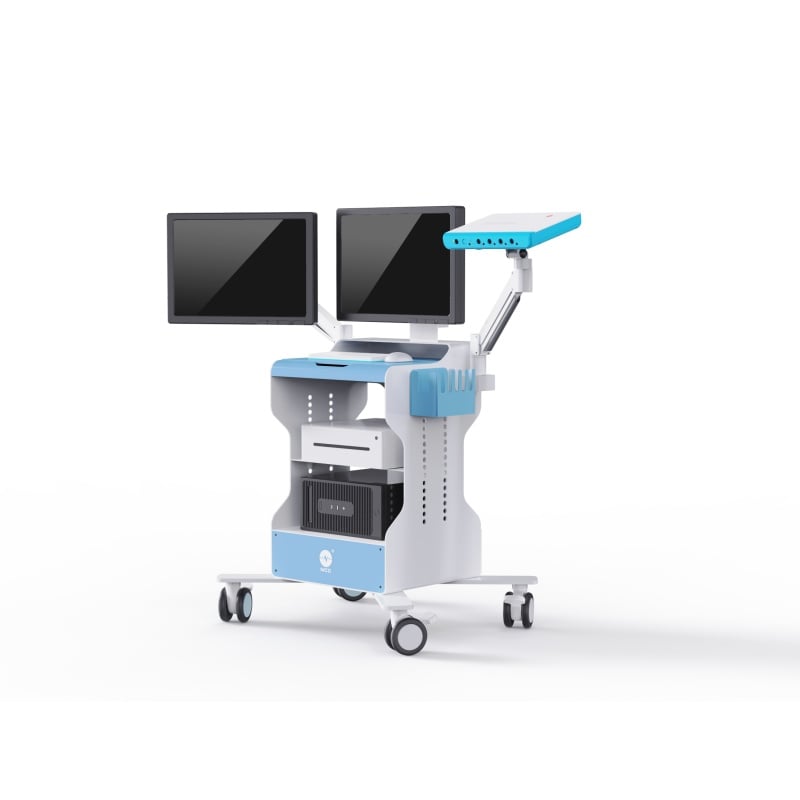
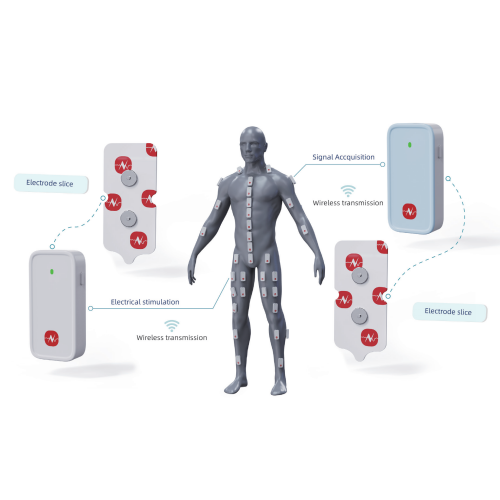
The use of intraoperative neurophysiological monitoring provides the surgeon with real-time, objective functional feedback while the patient is under anesthesia. It assists in localizing the facial nerve and its branches, identifying the responsible vessels, and assessing the adequacy of decompression.
This technology significantly improves intraoperative decision-making accuracy, reduces procedural risks, and enables a more precise, less invasive surgery, leading to faster recovery and more reliable outcomes.
3. Monitoring Modalities and Roles
The following monitoring modalities were employed during the surgery:
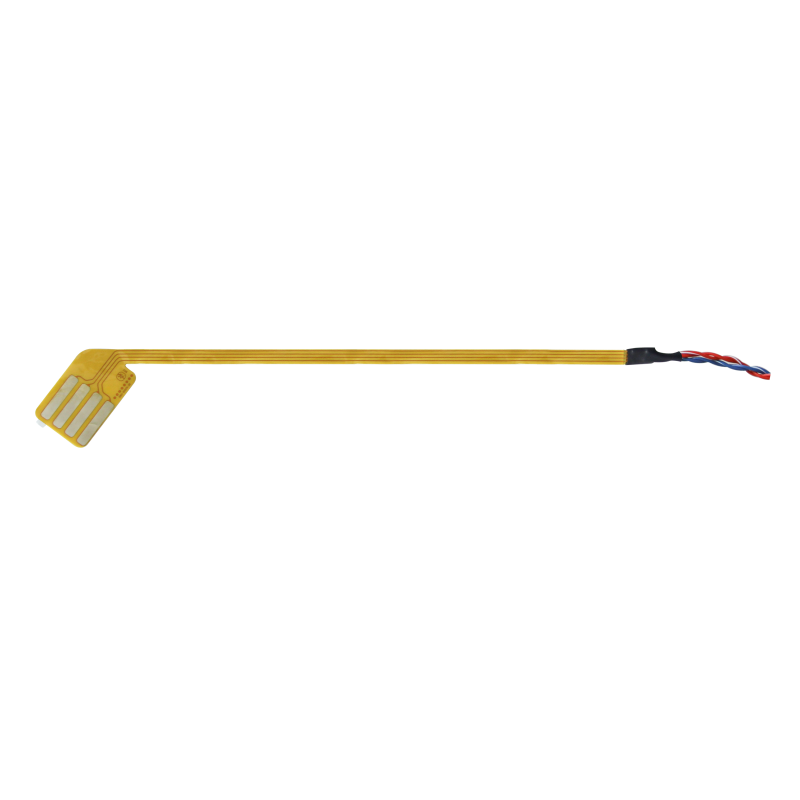
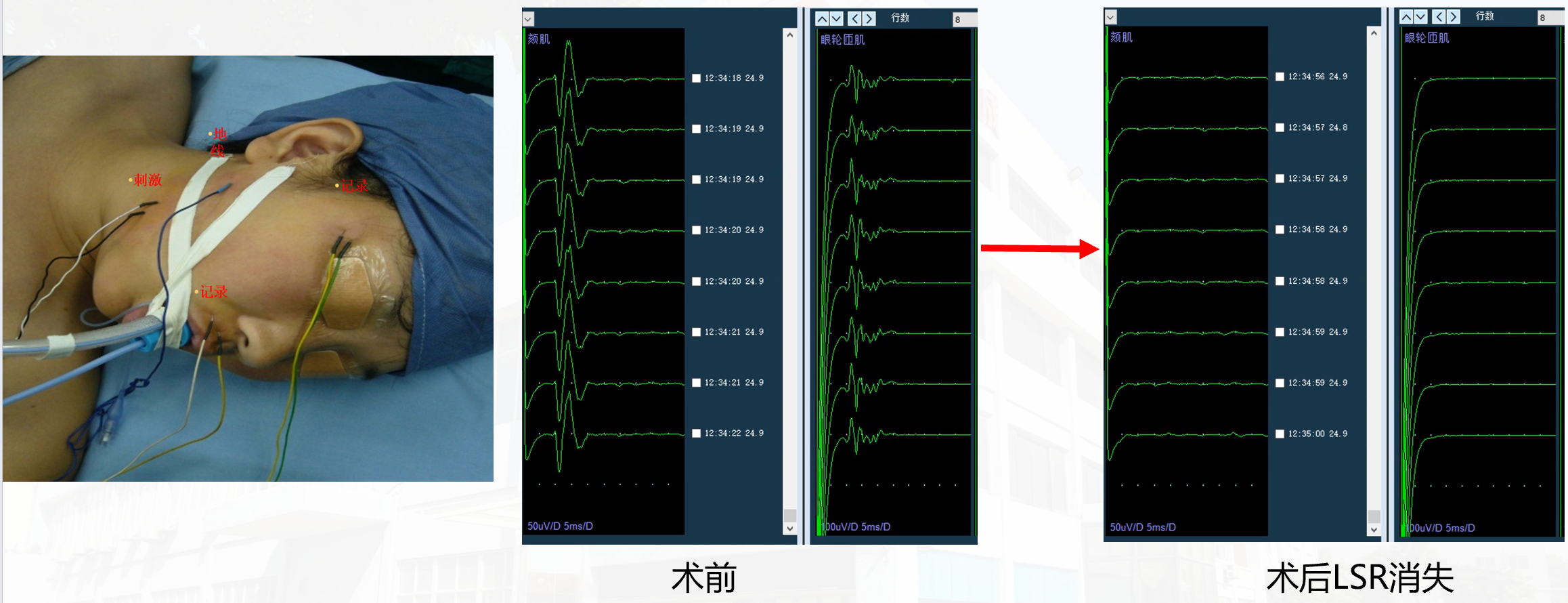
Free-run EMG: Monitors real-time responses of the facial nerve to traction or irritation, indicating nerve integrity.
Triggered EMG: Aids in mapping nerve branches via electrical stimulation, assisting in identifying offending vessels and nerve courses.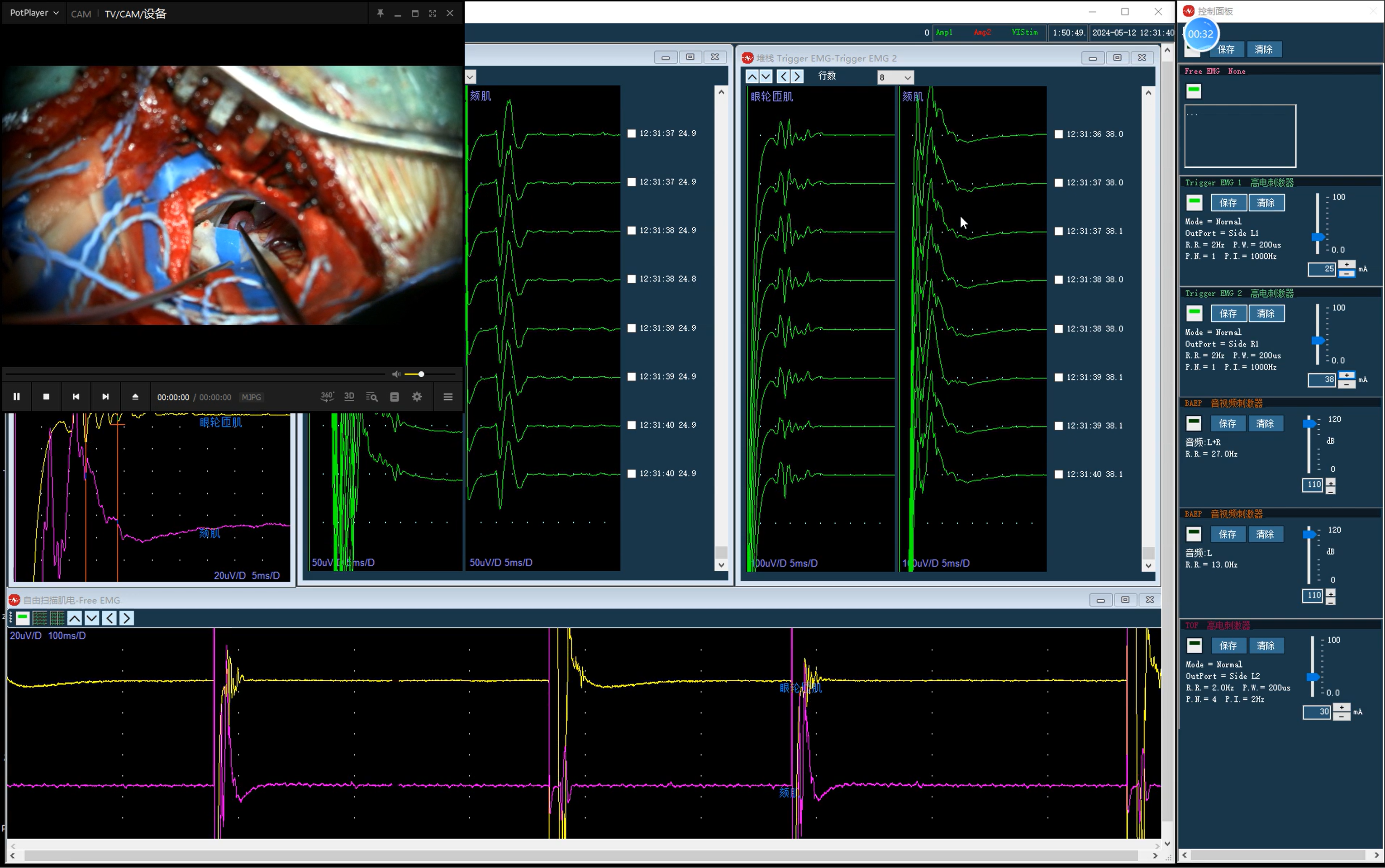
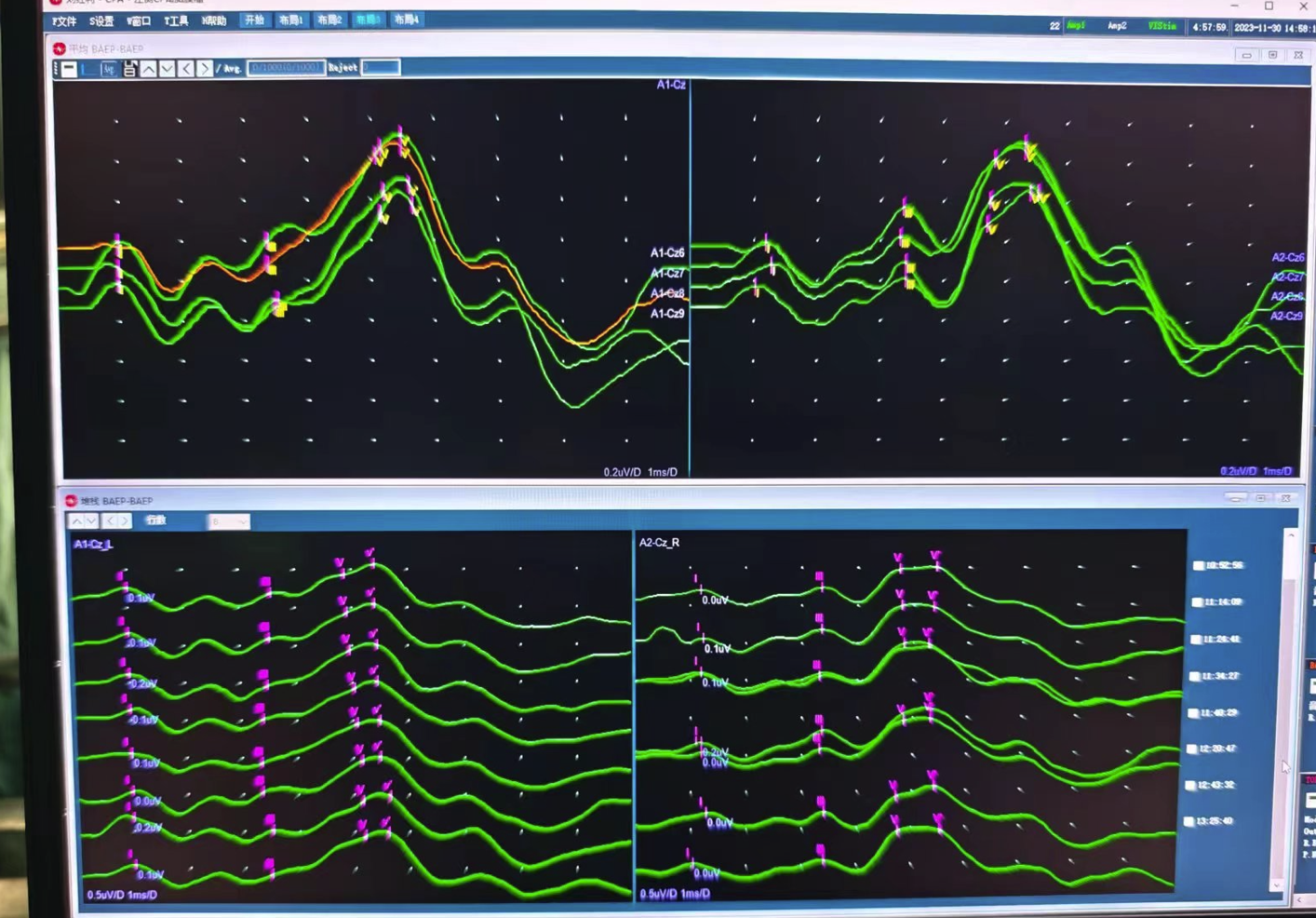
BAEP (Brainstem Auditory Evoked Potentials): One of the most critical and routine monitoring techniques in MVD surgery. Used to monitor and protect the cochlear branch of the vestibulocochlear nerve (Cranial Nerve VIII) and brainstem function, helping prevent intraoperative injury that could lead to hearing loss or other brainstem complications.
4. Conclusion and Clinical Value
Intraoperative neurophysiological monitoring has become an indispensable component of modern microvascular decompression surgery for hemifacial spasm.
This technology extends the surgeon's "vision" from mere anatomical recognition to real-time functional assessment of neural status, transforming MVD from a traditionally experience-based procedure into a precise, minimally invasive, and function-oriented surgery.
Its application significantly enhances both the safety and efficacy of the operation, providing a solid foundation for the patient's favorable postoperative neurological recovery.

Copyright © NCC Medical Co., Ltd. - Privacy policy
 EN
EN